BeFreed
    Categories>Well-Being>Finding Peace Before Improv Comedy

    Finding Peace Before Improv Comedy

    19분
    |
    |
    2025년 12월 4일
    • Well-Being
    • Creativity
    • Psychology

    Discover practical techniques to calm pre-show nerves and embrace uncertainty in improvisational comedy. Learn breathing exercises, mindfulness practices, and how to transform anxiety into creative presence on stage.

    Finding Peace Before Improv Comedy
    0:00 / 0:00
    전달 방식을 선택하세요

    하나의 에피소드, 다양한 청취 방식.

    Finding Peace Before Improv Comedy의 같은 아이디어를 나에게 맞는 목소리, 깊이, 속도로 만나보세요. 언제든 바꿀 수 있습니다.

    전체 대본 및 챕터

    챕터 1

    Opening and Welcome

    Blythe: Hey everyone, welcome back to another personalized podcast from BeFreed! I'm Blythe, and I am absolutely buzzing to dive into today's topic with my co-host Miles because we're talking about something so many of us can relate to-finding peace and calm before stepping into the wild, wonderful world of improvisational comedy.

    Miles: Hey there, I'm Miles, and yeah, this is going to be such a good conversation. You know, there's something beautifully ironic about needing to calm your mind before doing something that's all about embracing chaos and uncertainty. But that's exactly what makes improv so fascinating-and honestly, so terrifying for a lot of people.

    Blythe: Right? It's like, "Hey, go up there with no script, no plan, and just... wing it!" No pressure at all! But seriously, we've got some incredible insights to share from experts who've really cracked the code on this.

    챕터 2

    Topic Introduction and Source Material Setup

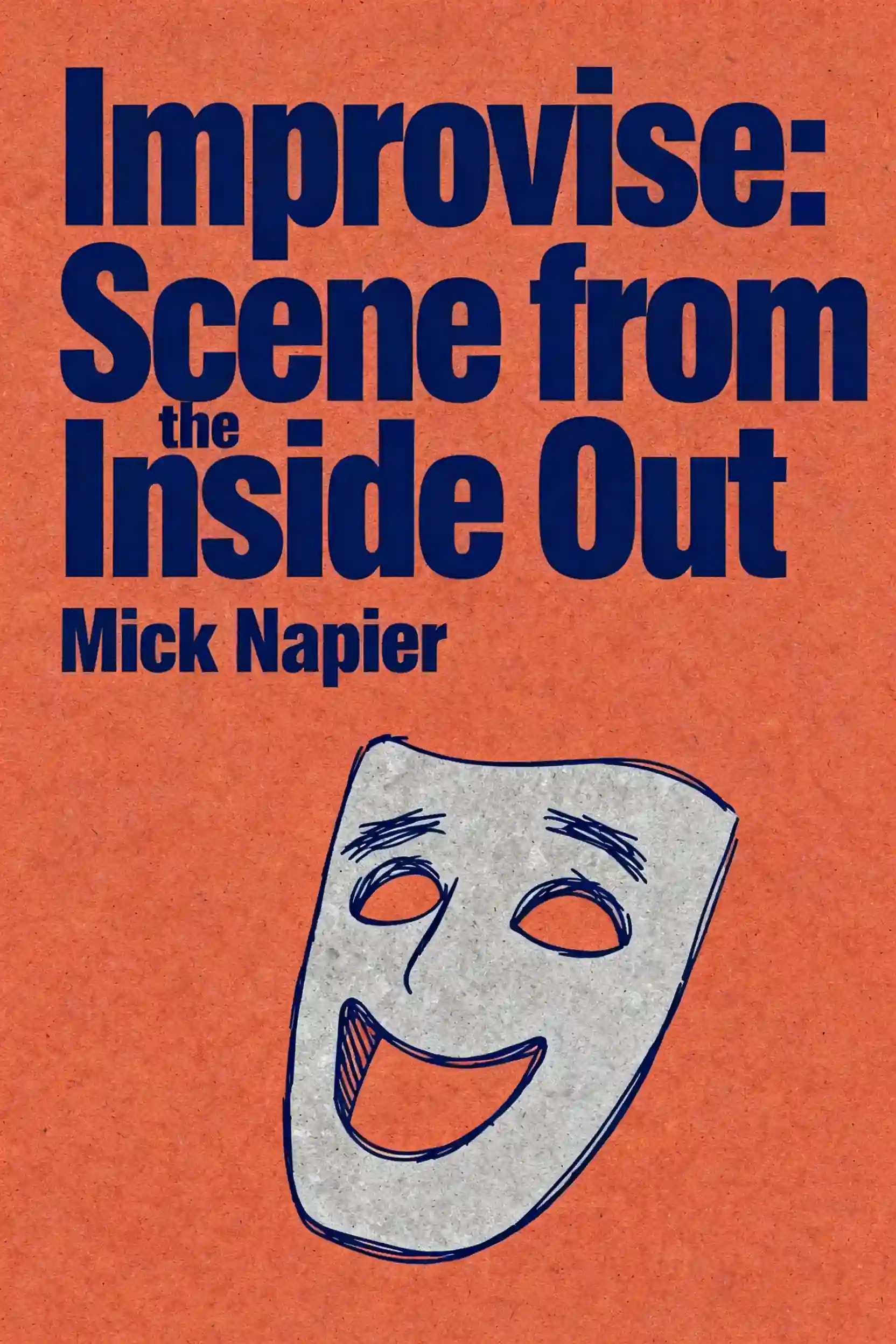
    Miles: So let's set the stage here-pun totally intended. We're drawing from some really brilliant sources today. There's Mick Napier's "Improvise: Scene from the Inside Out," which completely flips conventional improv wisdom on its head. Then we've got Michael Port's "Steal the Show," which treats all of life as performance. Plus we're looking at some practical mindfulness techniques and the therapeutic applications of improv for anxiety.

    Blythe: And what I love is how all these sources come at the same core challenge from different angles. Whether you're dealing with pre-show nerves, performance anxiety, or just that general "oh-my-god-what-am-I-doing" feeling, there are actual techniques that work. It's not just about "fake it till you make it."

    Miles: Exactly. And here's what's wild-a lot of the traditional advice about improv actually makes people more anxious, not less. Like, when teachers pile on all these rules about "don't deny" and "always say yes, and," people end up in their heads checking boxes instead of just... being present.

    Blythe: That's such a good point! It's like when someone tells you "don't think about pink elephants" and suddenly that's all you can think about. The more rules you're trying to follow, the less spontaneous you become.

    이 에피소드로 더 깊이 배우기

    이 에피소드의 아이디어를 BeFreed의 가이드 학습 경험으로 더 깊이 탐구해 보세요.

    챕터 3

    The Paradox of Rules and Freedom

    Miles: Napier really nails this in "Improvise." He talks about how these well-intentioned guidelines-don't deny, don't ask questions, establish who-what-where immediately-actually create the very problems they're trying to prevent. When you're standing on stage mentally checking whether your next line violates any principles, you're not present at all.

    Blythe: And that's when the fear kicks in, right? You're thinking instead of doing, which is like anxiety's favorite playground. But what does he suggest instead?

    Miles: This is where it gets beautiful-he has this three-step approach that's so simple it's almost radical. First: just do something. Anything. The specific choice matters way less than the act of choosing. Second: check out what you did-just observe your creation without judgment. And third: hold onto what you did-commit to your choice fiercely.

    Blythe: I love how that takes the pressure off making the "right" choice and puts it on just making a choice. It reminds me of what we see in "Improv for Anxiety" research-how improv forces us into uncertainty tolerance. Like, you literally cannot know what's going to happen next, so you have to get comfortable with not knowing.

    Miles: Right! And that's actually one of the core mechanisms through which improv helps with anxiety. Matthew Goodman talks about five key ways improv rewires our brains: present-moment awareness, tolerance of uncertainty, exposure to negative social evaluation, cognitive flexibility, and self-kindness.

    Blythe: Those are like the anti-anxiety superpowers! Because think about it-anxiety keeps us stuck in our heads, ruminating about past mistakes or future disasters. But improv literally forces you to be here, right now, responding to what's actually happening.

    챕터 4

    The Neuroscience of Presence and Play

    Miles: The neuroscience behind this is fascinating. When we're anxious, we're essentially stuck in that evolutionary survival mode-our brains are scanning for threats, trying to predict and control everything. But improv flips that script entirely.

    Blythe: How so?

    Miles: Well, instead of trying to control the unknown, you're actively embracing it. It's like exposure therapy, but way more fun. Every time you step into a scene without knowing where it's going, you're literally training your brain that uncertainty isn't dangerous-it's where creativity lives.

    Blythe: And the research backs this up! That study Goodman mentions found that just twenty minutes of improv exercises improved people's divergent thinking and uncertainty tolerance. Twenty minutes! That's like a coffee break that rewires your brain.

    Miles: What's really cool is how this connects to the mindfulness techniques from "3 Mindfulness Techniques to Combat Pre-Show Nerves." Those body check-ins and breathing exercises? They're doing something similar-pulling you out of anxious future-thinking and into present-moment awareness.

    Blythe: The box breathing technique is so simple but powerful. Four counts in, hold for four, out for four, pause for four. It's like giving your nervous system a reset button. But I love how improv takes that present-moment focus and makes it social and playful instead of solitary.

    Miles: Exactly! Goodman calls it "group mindfulness." Instead of focusing inward on your breath, you're directing attention to your scene partners and what's happening around you. It's like meditation, but with more laughs and way less sitting still.

    이 에피소드로 더 깊이 배우기

    이 에피소드의 아이디어를 BeFreed의 가이드 학습 경험으로 더 깊이 탐구해 보세요.

    챕터 5

    Reframing Performance as Authentic Expression

    Blythe: This brings up something really interesting from "Steal the Show." Michael Port talks about how performance isn't about pretending-it's about becoming the most authentic version of yourself when it matters most.

    Miles: That's such a game-changer for people with performance anxiety. Because a lot of us think we need to put on some kind of act or become someone else on stage. But Port's saying the opposite-the goal is to be more yourself, not less.

    Blythe: And he talks about finding your voice, which isn't about adopting a "performer persona" but embracing who you really are. I love that story about Lori, the quiet CPA who found her voice after 40 years when her notes blew away during a presentation. She just started speaking authentically about her experiences.

    Miles: Right, and that vulnerability created connection in a way that prepared notes never could have. It's like when improv scenes work best-it's not when people are trying to be funny or clever, it's when they're just being real within the imaginary circumstances.

    Blythe: Port also talks about this concept of playing different roles authentically. Like, you're not being fake when you emphasize different aspects of your personality in different situations. You might be more playful in one scene, more serious in another, but it's all still you.

    Miles: That's so freeing! Because it means you don't have to figure out who you "are" before you get on stage. You can just show up and let the scene reveal different facets of yourself. It takes the pressure off having a fixed identity.

    챕터 6

    The Physiology of Calm and Confidence

    Blythe: Let's talk about the actual body stuff, because anxiety isn't just mental-it's deeply physical. Those racing hearts, sweaty palms, shaky hands. How do we work with the body to find calm?

    Miles: The mindfulness research gives us some really practical tools here. That body check-in technique is brilliant-starting at your toes and working up, just noticing where you hold tension without trying to fix it immediately.

    Blythe: And it's so revealing! I had no idea I was clenching my jaw all the time until I started doing body scans. Turns out my shoulders were basically living up by my ears.

    Miles: Same! And what's cool is how this connects to Port's work on body language and presence. He mentions Amy Cuddy's research about power poses-just holding confident postures for two minutes increases testosterone by 20% and reduces cortisol by 25%.

    Blythe: So you can literally change your brain chemistry by changing your posture? That's wild. It makes me think about how improvisers often start scenes with strong physical choices-grabbing an imaginary object, adopting a specific stance. Maybe that's doing double duty: establishing character and regulating your nervous system.

    Miles: Absolutely! And Napier emphasizes this too-physical choices serve as powerful starting points because they get you out of your head and into your body. When you commit to action, you'll still feel fear but stop caring about it as much.

    Blythe: There's something about engaging the body that interrupts those anxious thought loops. Like, it's hard to spiral into "what if" thinking when you're focused on how your character walks or what they're doing with their hands.

    이 에피소드로 더 깊이 배우기

    이 에피소드의 아이디어를 BeFreed의 가이드 학습 경험으로 더 깊이 탐구해 보세요.

    챕터 7

    The Power of "Just Do Something"

    Miles: This brings us back to Napier's core philosophy: "Just do something." It sounds almost too simple, but there's real wisdom there. The problem isn't that people are breaking improv rules-it's that they're following too many of them.

    Blythe: It's like analysis paralysis, right? You're so busy trying to make the "right" choice that you end up making no choice at all. And that's where the anxiety really takes hold-in that hesitation, that pause where you're calculating all the possibilities.

    Miles: Exactly. And what's beautiful is that this principle works beyond improv too. In life, sometimes thinking less and doing more is the path to authentic presence. We get so caught up in trying to figure everything out beforehand that we miss the actual moment we're in.

    Blythe: The research on improv for anxiety really supports this. When people practice just responding without overthinking, they develop what the researchers call "cognitive flexibility"-the ability to think quickly and adapt to unexpected situations.

    Miles: And that flexibility is huge for anxiety management. People with anxiety tend to be pretty rigid-they want things to go according to plan, they want to know what's going to happen. But improv teaches you to roll with whatever comes up.

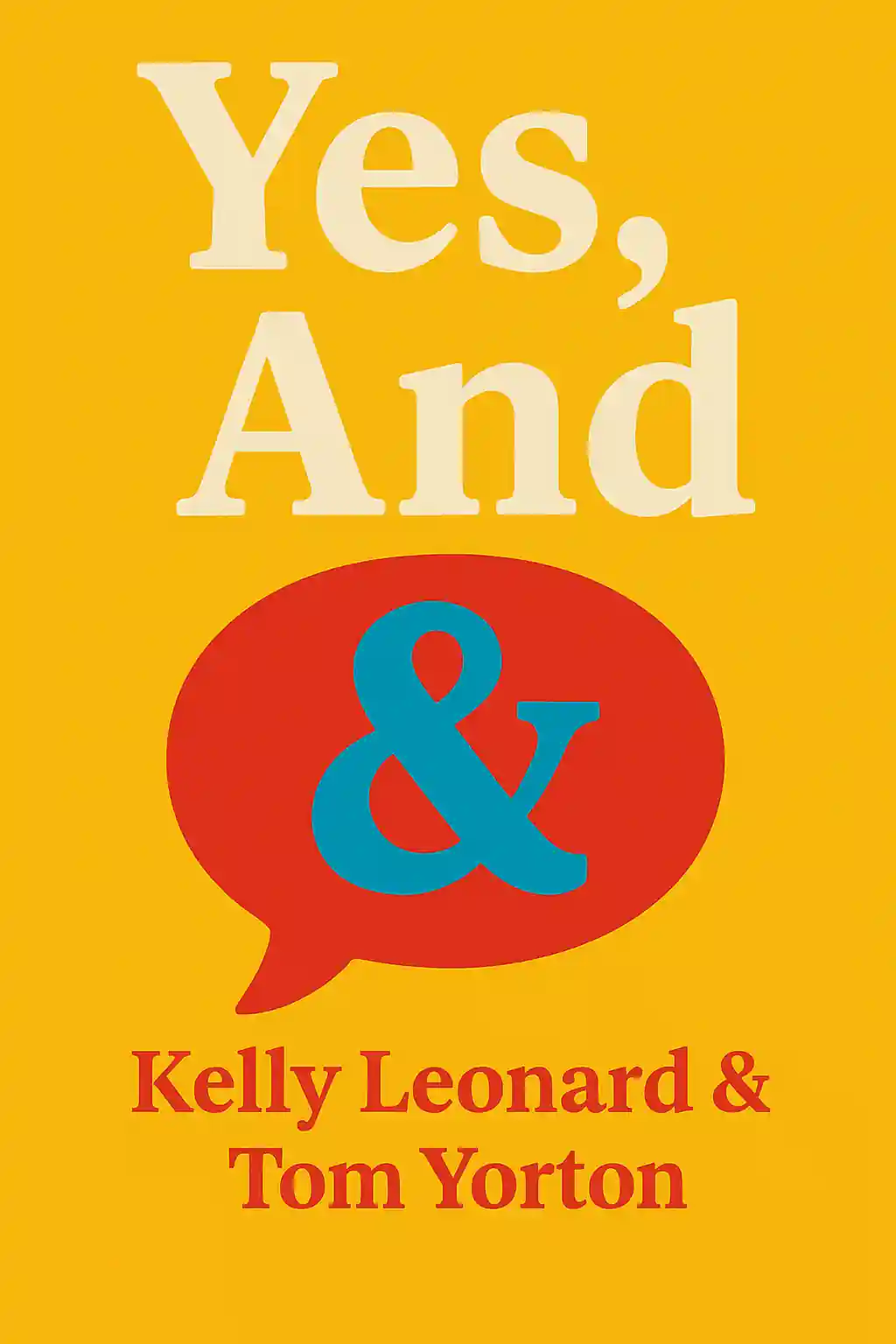
    Blythe: I love that story from the "Yes, And" material about the controversial Superman-in-a-wheelchair scene. Initially, the audience reacted with hostility, but instead of scrapping it, they transformed it by adding a song that acknowledged the discomfort while making a deeper point.

    Miles: That's such a perfect example of cognitive flexibility in action! Instead of getting defensive or giving up, they found a creative way to work with the resistance. That's exactly the kind of skill that helps with anxiety-learning to dance with difficulty instead of fighting it or running away.

    챕터 8

    Creating Safety in Uncertainty

    Blythe: But here's something I think is crucial-all of this "embrace uncertainty" advice only works if you feel fundamentally safe. Like, you need to know that even if you mess up, you're not going to be destroyed.

    Miles: That's such an important point. The "Yes, And" philosophy creates that safety through radical acceptance and building on each other's ideas. It's not just about saying yes to everything-it's about creating an environment where people feel supported to take risks.

    Blythe: And the research on improv for anxiety emphasizes this too. These programs work best when they provide proper education about anxiety alongside a safe, supportive space to experiment. You can't just throw people into uncertainty without giving them tools and community.

    Miles: Right, it's like the difference between being pushed off a cliff and learning to rock climb. Both involve heights and uncertainty, but one has safety measures and skill-building. Good improv training gives you that scaffolding.

    Blythe: The mindfulness techniques serve a similar function. When you know you can always come back to your breath, or do a body scan, or ground yourself in the present moment, uncertainty feels less threatening. You have tools.

    Miles: And there's something about the group aspect that's really powerful. In improv, you're not facing uncertainty alone-you have scene partners who are committed to making you look good. That's very different from the isolation that anxiety often creates.

    이 에피소드로 더 깊이 배우기

    이 에피소드의 아이디어를 BeFreed의 가이드 학습 경험으로 더 깊이 탐구해 보세요.

    챕터 9

    The Alchemy of Mistakes and Self-Compassion

    Blythe: Let's talk about failure, because that's where so much performance anxiety comes from-the fear of messing up in front of people. But improv has this amazing relationship with mistakes.

    Miles: Oh, this is where it gets really beautiful. In improv, mistakes aren't just acceptable-they're often where the best stuff happens. There's this principle that there are no mistakes, only gifts you didn't expect.

    Blythe: I love that reframe! And the research on improv for anxiety talks about how it provides "ample opportunities to practice self-kindness." Like, you're definitely going to say something that doesn't make sense or just stand there like a deer in headlights-it happens to everyone.

    Miles: And that's actually therapeutic! Because in regular life, we often don't get safe spaces to mess up and learn that it's not the end of the world. Improv creates this container where failure is normalized and even celebrated.

    Blythe: It reminds me of that insight from "Steal the Show" about embracing imperfection. Port talks about how improv is all about spontaneity, creativity, and imperfection. The goal isn't to be perfect-it's to be present and connected.

    Miles: And when you shift from perfection to connection, everything changes. Instead of monitoring yourself for mistakes, you're focused on what's happening between you and your scene partners. That's where the magic lives.

    Blythe: The self-compassion piece is huge too. People with anxiety often have this really harsh inner critic that's constantly pointing out everything that could go wrong. But improv gives you practice meeting yourself with kindness when things don't go as expected.

    Miles: It's like exposure therapy for your inner perfectionist. Every time you "mess up" and the world doesn't end-in fact, sometimes it gets even better-you're literally rewiring those neural pathways that equate mistakes with danger.

    챕터 10

    Practical Applications and Listener Takeaways

    Blythe: Okay, so for everyone listening who's thinking "this all sounds great in theory, but what do I actually do when I'm standing backstage with sweaty palms and a racing heart?"-let's get practical.

    Miles: First thing: breathe. Not just any breathing, but that box breathing technique. Four counts in through your nose, hold for four, out through your mouth for four, pause for four. Do that a few cycles and you're literally changing your nervous system state.

    Blythe: And do a quick body scan. Start at your feet and work up-where are you holding tension? Your jaw? Shoulders? Just notice it, maybe give those areas a gentle shake or stretch. You're not trying to eliminate all nerves, just work with them.

    Miles: Then remember Napier's three steps: just do something, check out what you did, and hold onto it. Don't worry about making the perfect choice. Make any choice and commit to it fully. The commitment is what creates presence, not the brilliance of the initial idea.

    Blythe: And here's something from the mindfulness research that's really practical: practice releasing thoughts. When that voice in your head starts going "what if I freeze up?" or "what if nobody laughs?"-imagine those thoughts as bubbles or birds and just let them float away. Don't fight them, just release them.

    Miles: Physical preparation helps too. Do some of those power poses backstage-stand tall, hands on hips, chest open. Even two minutes of confident posture changes your brain chemistry. You're literally embodying confidence.

    Blythe: And remember that everyone in that room wants you to succeed. This isn't a competition where people are hoping you'll fail. Improv audiences come to have fun and see people play. They're on your side from the start.

    Miles: One more thing that's really practical: have a simple physical anchor you can return to. Maybe it's feeling your feet on the ground, or touching your thumb to your pinky finger, or taking one deep breath. Something that brings you back to your body and the present moment when your mind starts spiraling.

    Blythe: And honestly? Accept that you're going to feel nervous, and that's completely normal and okay. The goal isn't to eliminate nerves-it's to feel them and show up anyway. Some of the best performers are the most nervous ones. They just don't let the nerves stop them from playing.

    이 에피소드로 더 깊이 배우기

    이 에피소드의 아이디어를 BeFreed의 가이드 학습 경험으로 더 깊이 탐구해 보세요.

    챕터 11

    Wrapping Up and Final Reflections

    Blythe: So as we wrap this up, I keep coming back to this beautiful paradox we've been exploring-that the path to calm and peace before improv isn't about controlling everything, but about learning to dance with uncertainty.

    Miles: Right, and it's not just about improv either. These skills-present-moment awareness, uncertainty tolerance, cognitive flexibility, self-compassion-these are life skills. Every conversation is an improvisation. Every day brings unexpected moments that require us to respond without a script.

    Blythe: What I love is how all these different approaches-Napier's "just do something," Port's authentic performance, the mindfulness techniques, the anxiety research-they all point to the same truth: peace comes from presence, not perfection.

    Miles: And there's something so liberating about that. You don't have to have it all figured out before you step on stage or into any challenging situation. You just have to show up, breathe, and trust that you have everything you need to respond to whatever comes up.

    Blythe: The research really backs this up too. People who practice improv show measurable improvements in anxiety, depression, and self-esteem. And it happens pretty quickly-sometimes in just a few sessions. There's something powerful about learning that you can handle uncertainty, that mistakes aren't catastrophic, that you're more resilient and creative than you thought.

    Miles: And the community aspect is huge. When you're in an improv class or group, you're surrounded by people who are also practicing courage, who are also learning to be vulnerable and playful. That support makes all the difference.

    Blythe: For our listeners who are thinking about trying improv, or who are already doing it but struggling with nerves-be patient with yourself. This is brave work. Every time you step into uncertainty, you're literally rewiring your brain for presence and resilience.

    Miles: And remember, the goal isn't to become fearless. Fear is information, and sometimes it's useful information. The goal is to feel the fear and play anyway, to let nervousness coexist with curiosity and joy.

    Blythe: Because at the end of the day, improv-and life-is about connection. When you're focused on connecting with your scene partners, supporting their ideas, building something together, there's less mental bandwidth available for self-criticism and worry.

    Miles: Exactly. And that connection starts with connecting to yourself-your breath, your body, your present-moment experience. From that grounded place, you can meet whatever comes up with creativity and grace.

    Blythe: So whether you're about to step on stage or just navigating the improvisation of daily life, remember: breathe, be present, make a choice, and trust the process. You've got this.

    Miles: And on that note, keep practicing presence, keep embracing the unknown, and remember that every moment is a chance to begin again. Stay curious, keep those questions coming, and we'll see you next time!

    Blythe: Until then, go out there and improvise your way to a calmer, more present, more playful life. Thanks for listening, everyone!

    ★★★★★

    Finding Peace Before Improv Comedy의 끝까지 도달했어요

    “23일째 매일 사용하고 있어요. 이제 제 일상의 한 부분이 되었습니다.”

    jayallen

    Finding Peace Before Improv Comedy 베스트 인용

    “

    The path to calm and peace before improv isn't about controlling everything, but about learning to dance with uncertainty. Peace comes from presence, not perfection.

    ”
    F

    Generated by Freedee_2FA056A0

    질문 입력

    How to find piece and calm mind before doing improvisational comedy

    호스트 음성
    Blytheplay
    Milesplay
    지식 출처
    Improvise
    Overcoming Improv Performance Anxiety: Techniques for Calming ...
    link
    https://www.jestimprov.com/post/overcoming-improv-performance-anxiety-techniques-for-calming-the-nerves
    Steal the Show
    3 Mindfulness Techniques to Combat Pre-Show Nerves
    link
    https://www.theatrefolk.com/blog/3-mindfulness-techniques-to-combat-pre-show-nerves
    Yes, And
    Improv for Anxiety: Re-Wiring the Brain for Presence Through Play
    link
    https://matthewgoodmanphd.medium.com/improv-for-anxiety-re-wiring-the-brain-for-presence-through-play-94c11dded634

    컬럼비아 대학교 동문들이 제작 | 샌프란시스코에서 개발

    BeFreed는 호기심 넘치는 글로벌 커뮤니티를 하나로 연결합니다

    4.7

    평균 평점

    앱 평가 7.84천 개 이상

    BeFreed 커뮤니티

    정말이지 아직 앱을 다 써 보지도 않았는데, 며칠 써 본 것만으로도 깊은 인상을 받았어요… BeFreed는 제가 써 본 어떤 학습 앱과도 차원이 달라요. 몰입감이 엄청나고 집중력도 실제로 좋아져서, 스마트폰을 하염없이 스크롤하는 분들께 딱이에요!

    @ladyInfinity

    정확히 23일 전에 BeFreed를 구입했는데, 그날부터 하루도 빠짐없이 쓰고 있어요. 제 일상 업무 흐름과 학습 습관에 완전히 자리 잡았어요.

    @jayallen

    솔직히 이 앱은 제 기대를 전부 뛰어넘었어요. 어떤 주제든 오디오로 만들어 달라고 할 수 있고, 결과물이 놀라워요. 제 전문 분야는 심리치료 쪽이고 여러 학문이 얽혀 있는데도 답변이 아주 정확해요.

    @Raguipa

    제일 고마운 건 스크롤하는 시간이 확 줄었다는 거예요. 검색하는 시간은 줄고 흡수하는 시간은 늘었어요. 오디오북 전권, 팟캐스트, 학습 플랜의 조합이 정말 훌륭해요.

    @colonyofcreatorsNGO

    저는 24년째 PhotoReading 속진 학습 강사로 일하고 있어요… 책과 독서, 배움이 제 전문인데, BeFreed는 정보를 소화하기 쉽게 전달하는 혁신적인 방식을 정말 잘 구현했어요.

    @BeFreed user

    단순한 책 요약 앱이 아니에요. '재미' 스타일을 써 봤는데, 전통적인 방식보다 훨씬 나은 요약이고 아이디어를 이해하기도 쉬워요. 이것만으로도 값어치를 해요.

    @austinakon

    이 앱이 정말 좋아요. 며칠 써 봤는데 듣는 걸 멈출 수가 없어요. 시작하기에 이보다 좋을 수 없어요.

    @jcrules328

    정말 마음에 들어요. 한 달 정도 써 봤는데 숨은 보석을 찾은 기분이에요. BeFreed로 제가 원하는 주제를 직접 만들 수 있어서 좋고, 목소리도 훌륭한 데다 내레이션 선택지가 무궁무진해요.

    @DanielCZ

    정말이지 아직 앱을 다 써 보지도 않았는데, 며칠 써 본 것만으로도 깊은 인상을 받았어요… BeFreed는 제가 써 본 어떤 학습 앱과도 차원이 달라요. 몰입감이 엄청나고 집중력도 실제로 좋아져서, 스마트폰을 하염없이 스크롤하는 분들께 딱이에요!

    @ladyInfinity

    정확히 23일 전에 BeFreed를 구입했는데, 그날부터 하루도 빠짐없이 쓰고 있어요. 제 일상 업무 흐름과 학습 습관에 완전히 자리 잡았어요.

    @jayallen

    솔직히 이 앱은 제 기대를 전부 뛰어넘었어요. 어떤 주제든 오디오로 만들어 달라고 할 수 있고, 결과물이 놀라워요. 제 전문 분야는 심리치료 쪽이고 여러 학문이 얽혀 있는데도 답변이 아주 정확해요.

    @Raguipa

    제일 고마운 건 스크롤하는 시간이 확 줄었다는 거예요. 검색하는 시간은 줄고 흡수하는 시간은 늘었어요. 오디오북 전권, 팟캐스트, 학습 플랜의 조합이 정말 훌륭해요.

    @colonyofcreatorsNGO

    저는 24년째 PhotoReading 속진 학습 강사로 일하고 있어요… 책과 독서, 배움이 제 전문인데, BeFreed는 정보를 소화하기 쉽게 전달하는 혁신적인 방식을 정말 잘 구현했어요.

    @BeFreed user

    단순한 책 요약 앱이 아니에요. '재미' 스타일을 써 봤는데, 전통적인 방식보다 훨씬 나은 요약이고 아이디어를 이해하기도 쉬워요. 이것만으로도 값어치를 해요.

    @austinakon

    이 앱이 정말 좋아요. 며칠 써 봤는데 듣는 걸 멈출 수가 없어요. 시작하기에 이보다 좋을 수 없어요.

    @jcrules328

    정말 마음에 들어요. 한 달 정도 써 봤는데 숨은 보석을 찾은 기분이에요. BeFreed로 제가 원하는 주제를 직접 만들 수 있어서 좋고, 목소리도 훌륭한 데다 내레이션 선택지가 무궁무진해요.

    @DanielCZ

    유용한 정보와 아이디어를 8~15분짜리 팟캐스트 스타일 오디오로 압축해서 들을 수 있다는 게 정말 좋아요. 원래 팟캐스트는 군더더기가 많아서 안 좋아했는데, 여기는 그걸 싹 걷어냈어요.

    @BeFreed user

    박사 과정을 마무리하는 중이라 낯선 자료를 많이 읽어야 해요… BeFreed에서는 프롬프트만 입력하면 앱이 자료를 찾아서 오디오 팟캐스트로 만들어 줘요. BeFreed의 과정이 NotebookLM보다 더 매끄럽게 느껴져요.

    @Brad

    아침을 준비하거나 산책하거나 출퇴근할 때 들을 것을 YouTube에서 자주 찾곤 했는데, BeFreed는 광고도 군더더기도 없이 훨씬 더 딱 맞는 걸 들려줘요!

    @BeFreed user

    이 플랫폼의 가장 큰 장점은 활용도예요. 다루지 못하는 주제가 말 그대로 하나도 없어요. 무엇을 던져도 다 소화해요… 제한이 전혀 없으면서 약속을 실제로 지키는 학습 도구는 정말 드물어요.

    @jayallen

    BeFreed는 환상적이에요. 디자인이 편해서 헤매는 시간은 줄고 배우는 시간은 늘었어요. 오디오북, 팟캐스트, 학습 플랜의 조합은 천재적이에요. 제 하루가 완전히 달라졌어요.

    @BeFreed user

    처음엔 이탈리아어로 팟캐스트를 만드는 방법을 이해하는 데 시간이 좀 걸렸는데, 알고 나니까 — 와! 정말 대단해요! 어떤 주제든 설명해 달라고 하면 정말 똑똑하게 잘 설명해 줘요!

    @matteo77

    BeFreed는 제가 매일 쓰는 오디오북 앱이 됐어요… 제일 마음에 드는 건 텍스트를 넣으면 이동 중에도 들을 수 있는 오디오로 만들어 준다는 점이에요.

    @kotanzu1

    유용한 정보와 아이디어를 8~15분짜리 팟캐스트 스타일 오디오로 압축해서 들을 수 있다는 게 정말 좋아요. 원래 팟캐스트는 군더더기가 많아서 안 좋아했는데, 여기는 그걸 싹 걷어냈어요.

    @BeFreed user

    박사 과정을 마무리하는 중이라 낯선 자료를 많이 읽어야 해요… BeFreed에서는 프롬프트만 입력하면 앱이 자료를 찾아서 오디오 팟캐스트로 만들어 줘요. BeFreed의 과정이 NotebookLM보다 더 매끄럽게 느껴져요.

    @Brad

    아침을 준비하거나 산책하거나 출퇴근할 때 들을 것을 YouTube에서 자주 찾곤 했는데, BeFreed는 광고도 군더더기도 없이 훨씬 더 딱 맞는 걸 들려줘요!

    @BeFreed user

    이 플랫폼의 가장 큰 장점은 활용도예요. 다루지 못하는 주제가 말 그대로 하나도 없어요. 무엇을 던져도 다 소화해요… 제한이 전혀 없으면서 약속을 실제로 지키는 학습 도구는 정말 드물어요.

    @jayallen

    BeFreed는 환상적이에요. 디자인이 편해서 헤매는 시간은 줄고 배우는 시간은 늘었어요. 오디오북, 팟캐스트, 학습 플랜의 조합은 천재적이에요. 제 하루가 완전히 달라졌어요.

    @BeFreed user

    처음엔 이탈리아어로 팟캐스트를 만드는 방법을 이해하는 데 시간이 좀 걸렸는데, 알고 나니까 — 와! 정말 대단해요! 어떤 주제든 설명해 달라고 하면 정말 똑똑하게 잘 설명해 줘요!

    @matteo77

    BeFreed는 제가 매일 쓰는 오디오북 앱이 됐어요… 제일 마음에 드는 건 텍스트를 넣으면 이동 중에도 들을 수 있는 오디오로 만들어 준다는 점이에요.

    @kotanzu1

    웹에서 BeFreed가 어떻게 논의되고 있는지 더 보기
    129.7K19.5K
    55.2K19.2K
    154.2K10827355
    48.1K2.5K
    81.2K6.6K
    82.3K1.8K
    지금 바로 학습 여정을 시작하세요
    BeFreed 앱
    BeFreed

    무엇이든 개인화된 학습

    DiscordLinkedIn
    추천 도서 요약
    Crucial ConversationsThe Perfect MarriageInto the WildNever Split the DifferenceAttachedGood to GreatSay Nothing
    인기 카테고리
    Self HelpCommunication SkillRelationshipMindfulnessPhilosophyInspirationProductivity
    유명인 추천 도서
    Elon MuskCharlie KirkBill GatesSteve JobsAndrew HubermanJoe RoganJordan Peterson
    수상작 컬렉션
    Pulitzer PrizeNational Book AwardGoodreads Choice AwardsNobel Prize in LiteratureNew York TimesCaldecott MedalNebula Award
    추천 주제
    ManagementAmerican HistoryWarTradingStoicismAnxietySex
    연도별 베스트 도서
    2025 Best Non Fiction Books2024 Best Non Fiction Books2023 Best Non Fiction Books
    추천 저자
    Chimamanda Ngozi AdichieGeorge OrwellO. J. SimpsonBarbara O'NeillWinston ChurchillCharlie Kirk
    BeFreed vs 다른 앱
    BeFreed vs. Other Book Summary AppsBeFreed vs. ElevenReaderBeFreed vs. ReadwiseBeFreed vs. Anki
    학습 도구
    Knowledge VisualizerAI Podcast Generator
    정보
    회사 소개arrow
    가격arrow
    FAQarrow
    블로그arrow
    채용arrow
    파트너십arrow
    앰배서더 프로그램arrow
    디렉토리arrow
    BeFreed
    Try now
    © 2026 BeFreed
    이용 약관개인정보 처리방침
    BeFreed

    무엇이든 개인화된 학습

    DiscordLinkedIn
    추천 도서 요약
    Crucial ConversationsThe Perfect MarriageInto the WildNever Split the DifferenceAttachedGood to GreatSay Nothing
    인기 카테고리
    Self HelpCommunication SkillRelationshipMindfulnessPhilosophyInspirationProductivity
    유명인 추천 도서
    Elon MuskCharlie KirkBill GatesSteve JobsAndrew HubermanJoe RoganJordan Peterson
    수상작 컬렉션
    Pulitzer PrizeNational Book AwardGoodreads Choice AwardsNobel Prize in LiteratureNew York TimesCaldecott MedalNebula Award
    추천 주제
    ManagementAmerican HistoryWarTradingStoicismAnxietySex
    연도별 베스트 도서
    2025 Best Non Fiction Books2024 Best Non Fiction Books2023 Best Non Fiction Books
    학습 도구
    Knowledge VisualizerAI Podcast Generator
    추천 저자
    Chimamanda Ngozi AdichieGeorge OrwellO. J. SimpsonBarbara O'NeillWinston ChurchillCharlie Kirk
    BeFreed vs 다른 앱
    BeFreed vs. Other Book Summary AppsBeFreed vs. ElevenReaderBeFreed vs. ReadwiseBeFreed vs. Anki
    정보
    회사 소개arrow
    가격arrow
    FAQarrow
    블로그arrow
    채용arrow
    파트너십arrow
    앰배서더 프로그램arrow
    디렉토리arrow
    BeFreed
    Try now
    © 2026 BeFreed
    이용 약관개인정보 처리방침

    비슷한 콘텐츠

    The Improv Misconception That Kills Comedy 책 표지
    Improvise: Scene from the Inside OutHow To Write FunnyThe Comedy BibleYes, And
    23 sources
    The Improv Misconception That Kills Comedy
    Discover why the biggest myth about improv—being quick and witty—actually destroys comedy, and learn the counterintuitive principles that create genuine laughs and connection.
    13 min
    The 5-Minute Pre-Show Reset for ADHD Hosts 책 표지
    Order from ChaosYou Mean I’m Not Lazy, Stupid or Crazy?!ADHD an A-ZPeak Mind
    27 sources
    The 5-Minute Pre-Show Reset for ADHD Hosts
    Quiet the mental noise and ground your nervous system with this rapid calming ritual. Learn to transform pre-show jitters into focused presence using sensory anchors and mindful movement.
    28 min
    Improv Comedy: Structure in Spontaneity 책 표지
    Improvise: Scene from the Inside OutYes, AndHow To Write FunnyThe Comedy Bible
    21 sources
    Improv Comedy: Structure in Spontaneity
    Discover how improv comedy isn't just about being naturally funny, but follows learnable principles like 'Yes, and...' that anyone can master through practice and specific techniques.
    26 min
    Finding Calm in Chaos 책 표지
    Let It SettleTranquility by TuesdayThe Worry-Free MindAware
    8 sources
    Finding Calm in Chaos
    Discover practical mindfulness techniques to stay present during life's busiest moments, reducing stress and anxiety by anchoring yourself in the now rather than dwelling in past regrets or future worries.
    17 min
    Finding inner peace in the middle of chaos 책 표지
    Heal Your Gut, Save Your BrainMindfulness in Plain English CollectionWherever You Go, There You AreBliss more
    27 sources
    Finding inner peace in the middle of chaos
    When life feels overwhelming, peace isn't a destination—it's a skill. Learn how to use curiosity and daily practices to regulate your emotions.
    23 min
    Improvise 책 표지
    Improvise
    Mick Napier
    A provocative guide challenging improv conventions, offering fresh techniques to unleash creativity and spontaneity on stage.
    26 min
    Conquering the Stage Fright Monster 책 표지
    Speak With No FearThe Art of Public SpeakingPublic Speaking for SuccessThe Public Speaking Bible; a Survival Guide for Standing on Stage
    12 sources
    Conquering the Stage Fright Monster
    Discover how even the most anxious speakers can transform their public speaking fear into confidence using proven mindset shifts and practical techniques from those who've mastered the journey.
    32 min
    Overcome Speaking Anxiety: Real Techniques That Work 책 표지
    source 1Speaking Up Without Freaking Out: 50 Techniques for Confident, Calm, and Competent Presenting (3rd edition)Management of stuttering using cognitive behavior therapy and ...source 4
    6 sources
    Overcome Speaking Anxiety: Real Techniques That Work
    Practical strategies to transform speaking fears into confidence. Learn breathing techniques, grounding methods, and mindset shifts that help you connect authentically rather than perform perfectly.
    23 min

    Recommended Learning Plans

    Command the Room with Calm
    학습 계획

    Command the Room with Calm

    This plan is essential for professionals who struggle with public speaking anxiety or physical tension during presentations. It provides a holistic approach combining psychological mindset shifts with practical physiological and speech control techniques to help anyone lead a room with authority.

    2 h•4 섹션
    From Survival to Stage Presence
    학습 계획

    From Survival to Stage Presence

    This plan is essential for professionals who struggle with public speaking anxiety or dry presentations. It benefits anyone looking to move beyond basic information delivery to become a persuasive storyteller who commands the room.

    2 h•4 섹션
    Speak without the freeze
    학습 계획

    Speak without the freeze

    This plan is essential for professionals who struggle with public speaking anxiety or executive presence. It provides a roadmap for anyone looking to master their physiological response to stress and build the cognitive structures needed for clear, impromptu communication.

    1 h 30 m•3 섹션
    Tame the Spotlight
    학습 계획

    Tame the Spotlight

    Performance anxiety often hinders talented individuals from sharing their best work. This plan is designed for speakers, performers, and professionals who want to transform stage fright into a reliable state of flow through science-based techniques.

    1 h 24 m•4 섹션
    Speak Natural and Stay Present
    학습 계획

    Speak Natural and Stay Present

    This plan is essential for professionals and speakers who struggle with overthinking or freezing in the moment. It provides actionable tools to transition from scripted anxiety to fluid, present communication in any social or professional setting.

    1 h 30 m•3 섹션
    The Stoic Performance Manual
    학습 계획

    The Stoic Performance Manual

    This manual is essential for professionals and performers who struggle with stage fright or the need for external approval. It provides a practical Stoic framework to build unshakable confidence by focusing on internal control rather than unpredictable outcomes.

    2 h•4 섹션
    Beat stage fright and improve communication
    학습 계획

    Beat stage fright and improve communication

    Effective communication is the cornerstone of professional growth and personal influence. This plan is ideal for professionals and students looking to replace public speaking anxiety with a commanding, persuasive presence.

    5 h 37 m•4 섹션
    How to not go blank under pressure
    학습 계획

    How to not go blank under pressure

    This plan is designed for professionals and performers who struggle with cognitive freezing during high-stakes moments. It provides a science-backed framework to transform stress into a competitive advantage by mastering mental clarity and flow.

    5 h 25 m•4 섹션