Building consistency when willpower isn't enough
Struggling to stick to your plans? Learn why consistency is a design problem rather than a character flaw and how to build habits that actually last.

Building consistency when willpower isn't enough 베스트 인용
Consistency is a design problem, not a character flaw; it’s about building systems that work even when you’re tired or stressed rather than relying on a finite resource like willpower.
Generated by JJ Studies
building the habits and mindset of a top performer as someone who knew what to do but never stayed consistent

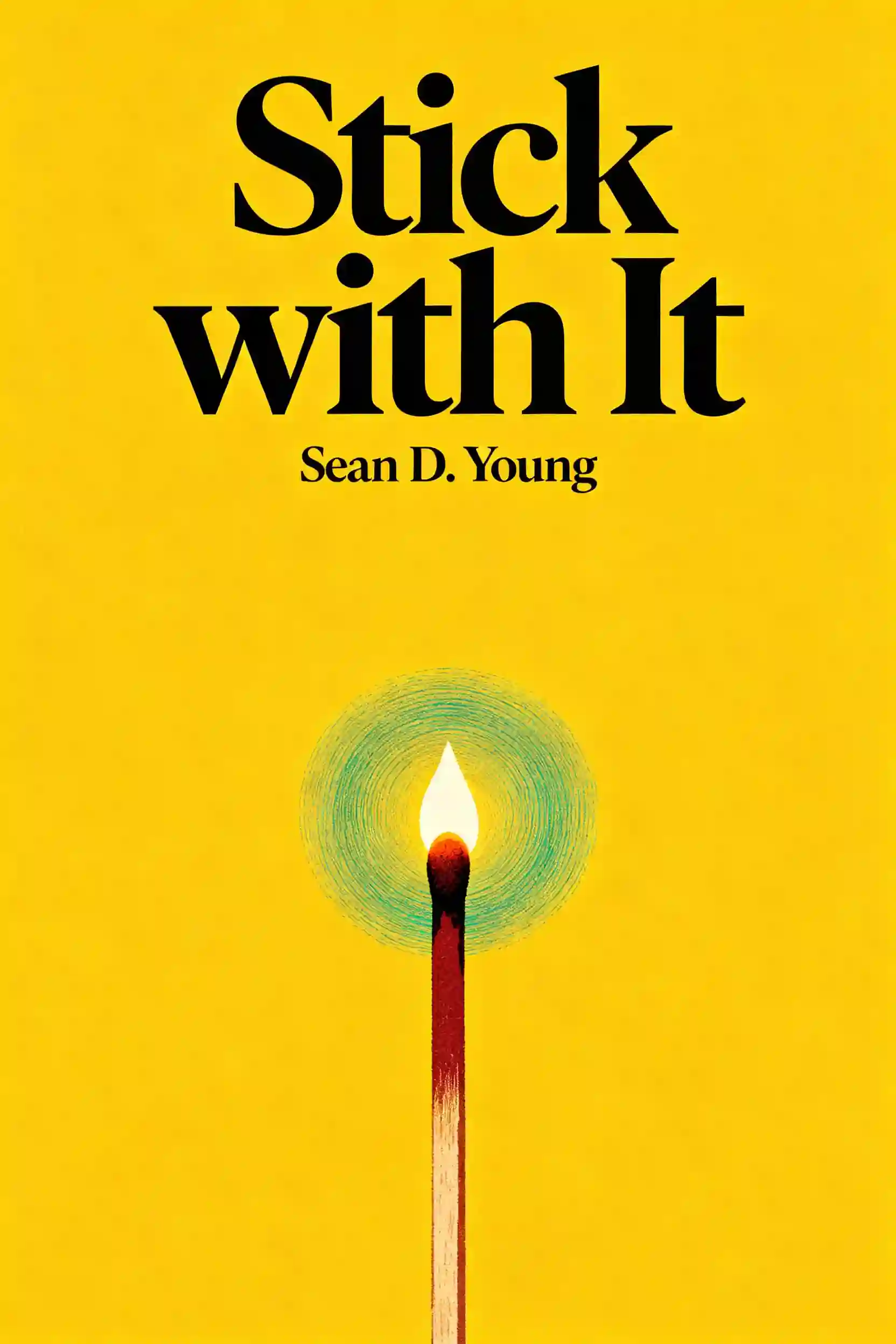
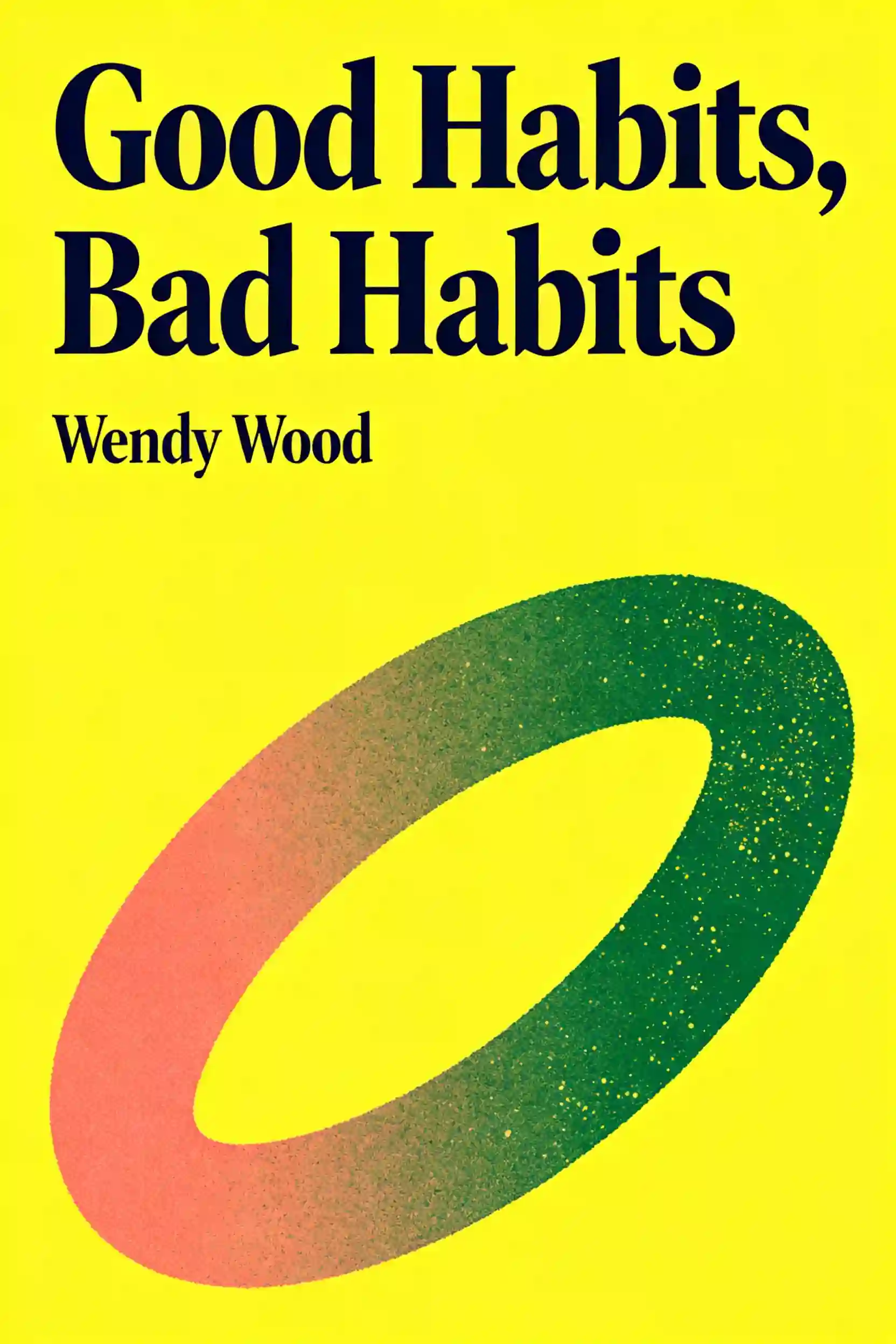
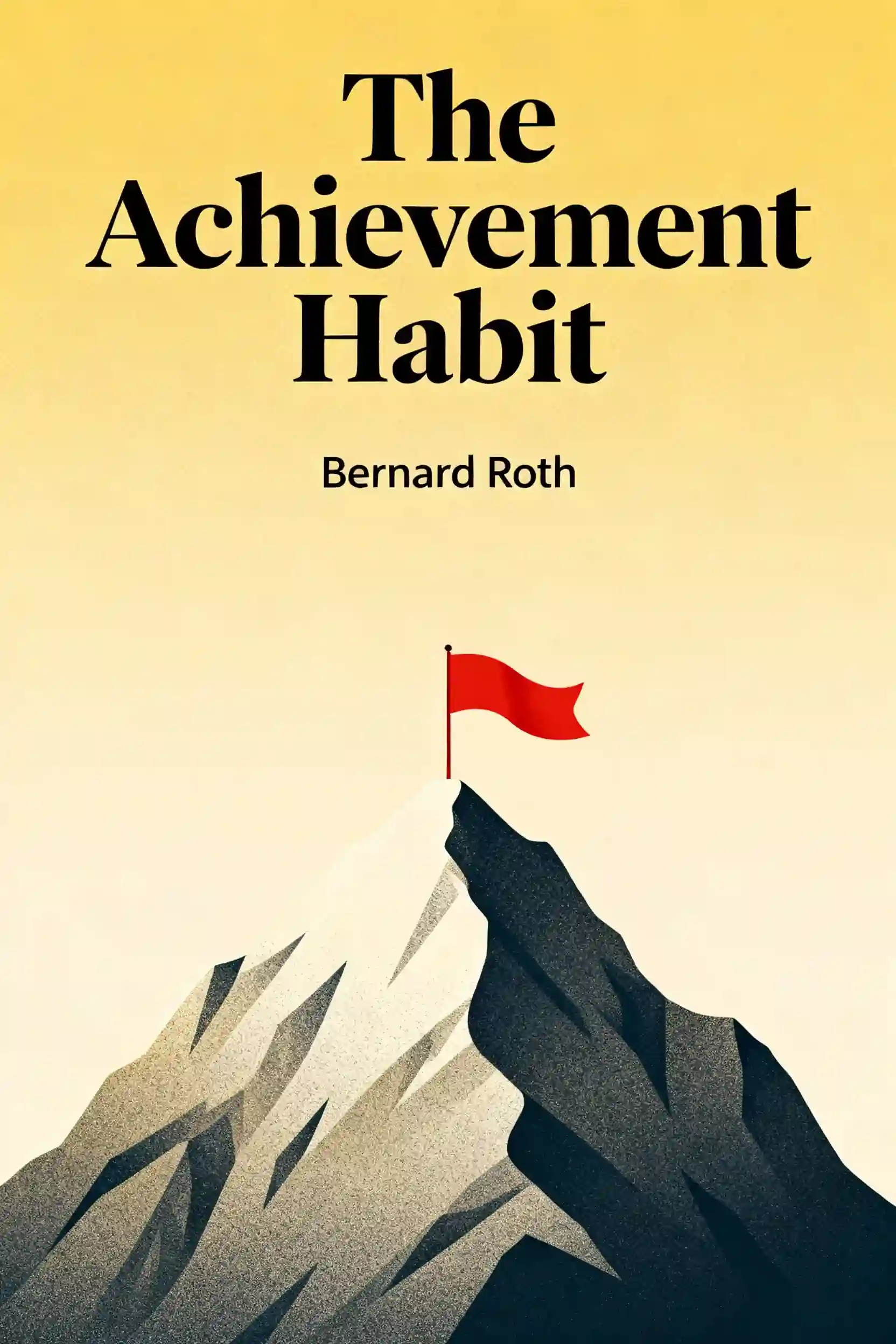
자주 묻는 질문
Willpower is a finite biological resource rather than a permanent personality trait. Research indicates that after a day of making "micro-decisions" and dealing with stress, your mental energy is depleted by late afternoon. Relying on grit to maintain consistency is often ineffective because the brain eventually prioritizes energy preservation over self-improvement, especially when you are tired or stressed.
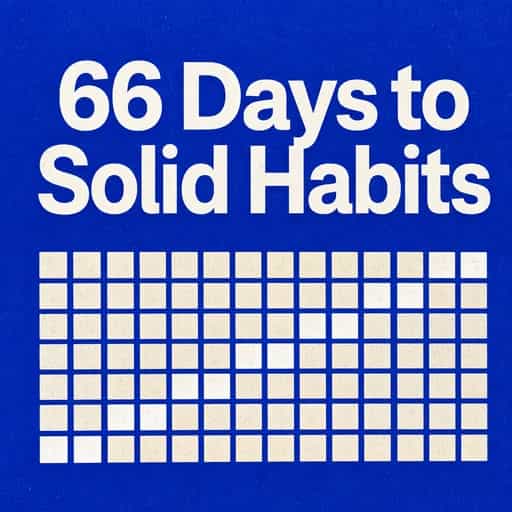
The popular "21-day rule" is a psychological myth that can lead to a sense of failure if a habit still feels difficult after three weeks. Real-world research suggests that reaching automaticity takes an average of 66 days, though the timeframe can range from 18 to 254 days depending on the complexity of the behavior. Simple actions like drinking water wire into the brain much faster than complex routines like going to the gym.
Missing a single day does not significantly impact the long-term formation of a habit or "reset" your progress to zero. The script emphasizes the "Never Miss Twice" rule, which suggests that the goal is continuity rather than perfection. Viewing a slip-up as diagnostic data rather than a character flaw helps keep the nervous system calm, making it easier to return to the routine the following day.
Human brains are neurologically wired for immediate feedback, which is why habits with long-term benefits—like saving money or dieting—often fail. To bridge this gap, you must engineer "micro-rewards" that provide an instant hit of dopamine. This can include sensory rewards, such as listening to a favorite podcast only while exercising, or visual rewards like checking a box on a habit tracker to build a "streak."
Friction refers to the level of difficulty or the number of hurdles between you and an action. To build a good habit, you should reduce friction by "shaping the path," such as laying out gym clothes the night before. To break a bad habit, you should add friction by creating "speed bumps," such as moving junk food to a high, hard-to-reach shelf or putting your phone in another room to prevent mindless scrolling.
샌프란시스코에서 컬럼비아 대학교 동문들이 만들었습니다
"Instead of endless scrolling, I just hit play on BeFreed. It saves me so much time."


"I never knew where to start with nonfiction—BeFreed’s book lists turned into podcasts gave me a clear path."


"Perfect balance between learning and entertainment. Finished ‘Thinking, Fast and Slow’ on my commute this week."
"Crazy how much I learned while walking the dog. BeFreed = small habits → big gains."
"Reading used to feel like a chore. Now it’s just part of my lifestyle."

"Feels effortless compared to reading. I’ve finished 6 books this month already."
"BeFreed turned my guilty doomscrolling into something that feels productive and inspiring."

"BeFreed turned my commute into learning time. 20-min podcasts are perfect for finishing books I never had time for."
"BeFreed replaced my podcast queue. Imagine Spotify for books — that’s it. 🙌"

"It is great for me to learn something from the book without reading it."
"The themed book list podcasts help me connect ideas across authors—like a guided audio journey."
"Makes me feel smarter every time before going to work"
 Ask ChatGPT
 Ask Claude
샌프란시스코에서 컬럼비아 대학교 동문들이 만들었습니다
"Instead of endless scrolling, I just hit play on BeFreed. It saves me so much time."
"I never knew where to start with nonfiction—BeFreed’s book lists turned into podcasts gave me a clear path."
"Perfect balance between learning and entertainment. Finished ‘Thinking, Fast and Slow’ on my commute this week."
"Crazy how much I learned while walking the dog. BeFreed = small habits → big gains."
"Reading used to feel like a chore. Now it’s just part of my lifestyle."
"Feels effortless compared to reading. I’ve finished 6 books this month already."
"BeFreed turned my guilty doomscrolling into something that feels productive and inspiring."
"BeFreed turned my commute into learning time. 20-min podcasts are perfect for finishing books I never had time for."
"BeFreed replaced my podcast queue. Imagine Spotify for books — that’s it. 🙌"
"It is great for me to learn something from the book without reading it."
"The themed book list podcasts help me connect ideas across authors—like a guided audio journey."
"Makes me feel smarter every time before going to work"
"Instead of endless scrolling, I just hit play on BeFreed. It saves me so much time."
"I never knew where to start with nonfiction—BeFreed’s book lists turned into podcasts gave me a clear path."
"Perfect balance between learning and entertainment. Finished ‘Thinking, Fast and Slow’ on my commute this week."
"Crazy how much I learned while walking the dog. BeFreed = small habits → big gains."
"Reading used to feel like a chore. Now it’s just part of my lifestyle."
"Feels effortless compared to reading. I’ve finished 6 books this month already."
"BeFreed turned my guilty doomscrolling into something that feels productive and inspiring."
"BeFreed turned my commute into learning time. 20-min podcasts are perfect for finishing books I never had time for."
"BeFreed replaced my podcast queue. Imagine Spotify for books — that’s it. 🙌"
"It is great for me to learn something from the book without reading it."
"The themed book list podcasts help me connect ideas across authors—like a guided audio journey."
"Makes me feel smarter every time before going to work"
"Instead of endless scrolling, I just hit play on BeFreed. It saves me so much time."
"I never knew where to start with nonfiction—BeFreed’s book lists turned into podcasts gave me a clear path."
"Perfect balance between learning and entertainment. Finished ‘Thinking, Fast and Slow’ on my commute this week."
"Crazy how much I learned while walking the dog. BeFreed = small habits → big gains."
"Reading used to feel like a chore. Now it’s just part of my lifestyle."
"Feels effortless compared to reading. I’ve finished 6 books this month already."
"BeFreed turned my guilty doomscrolling into something that feels productive and inspiring."
"BeFreed turned my commute into learning time. 20-min podcasts are perfect for finishing books I never had time for."
"BeFreed replaced my podcast queue. Imagine Spotify for books — that’s it. 🙌"
"It is great for me to learn something from the book without reading it."
"The themed book list podcasts help me connect ideas across authors—like a guided audio journey."
"Makes me feel smarter every time before going to work"