Beyond 'Just Be Yourself': Social Anxiety Solutions
Discover why common advice fails people with social anxiety disorder and explore the specific, step-by-step techniques that actually work to manage overwhelming social fear.

Beyond 'Just Be Yourself': Social Anxiety Solutions 베스트 인용
Recovery from social anxiety isn't about never feeling nervous—it's about having the tools to handle that nervousness without it controlling your life.

이 오디오 레슨은 BeFreed 커뮤니티 멤버가 만들었습니다
Social anxiety

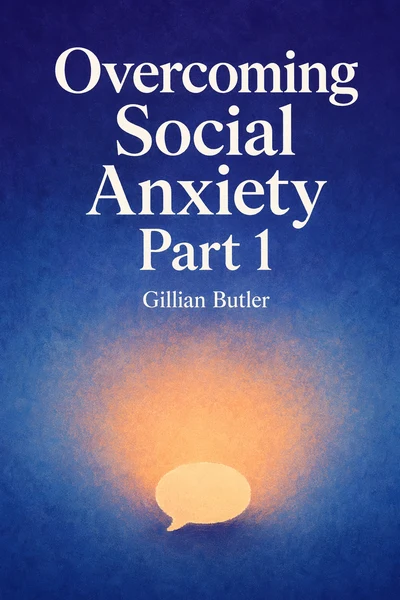
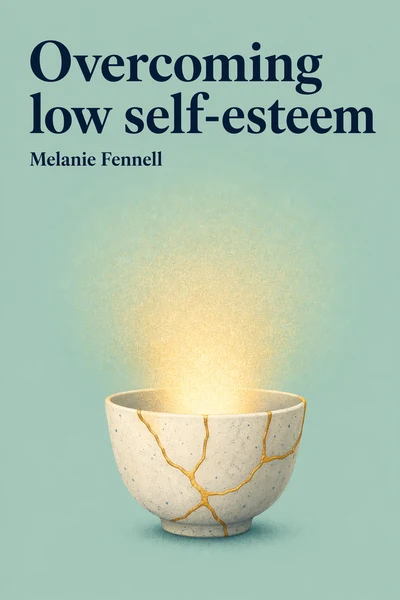
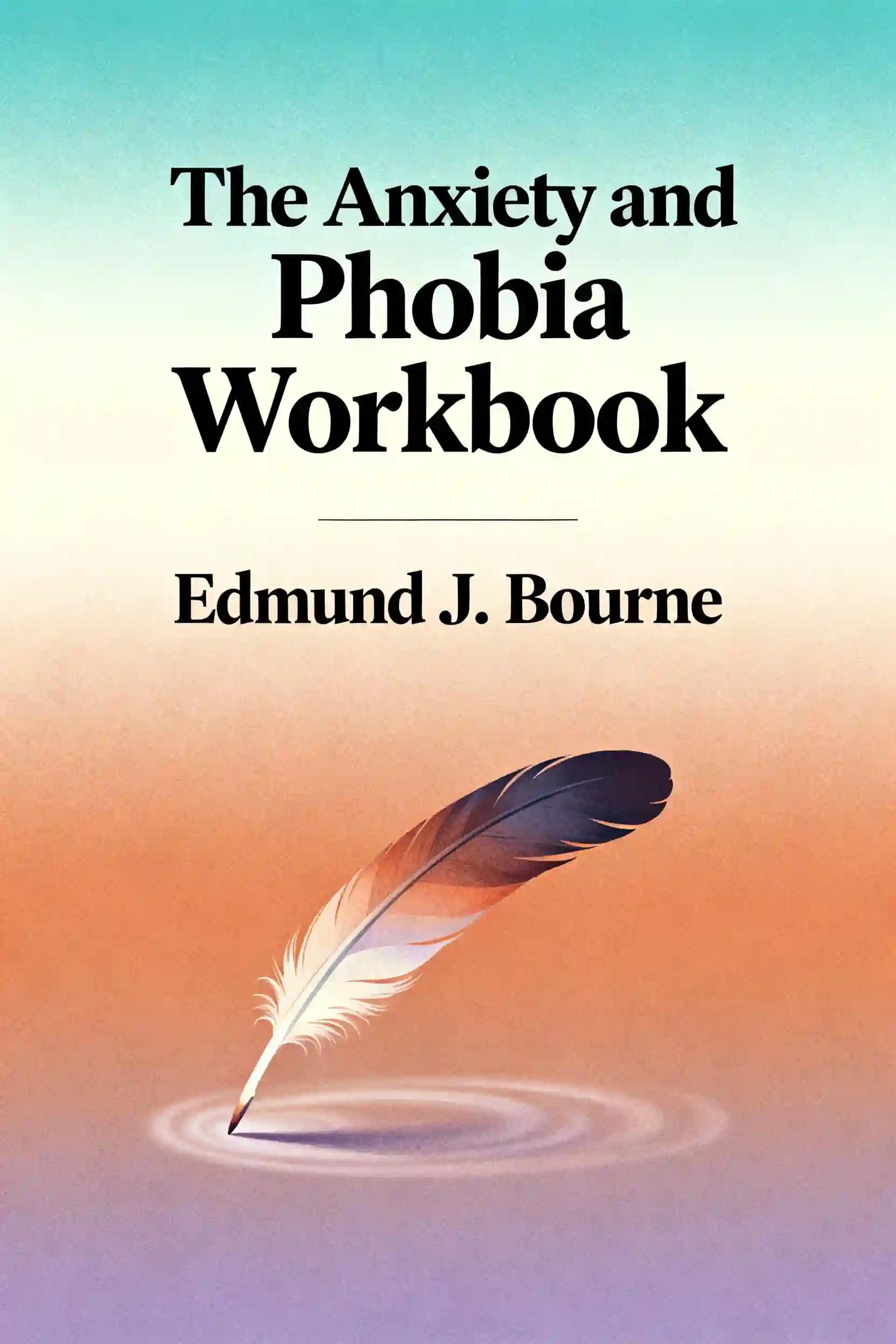
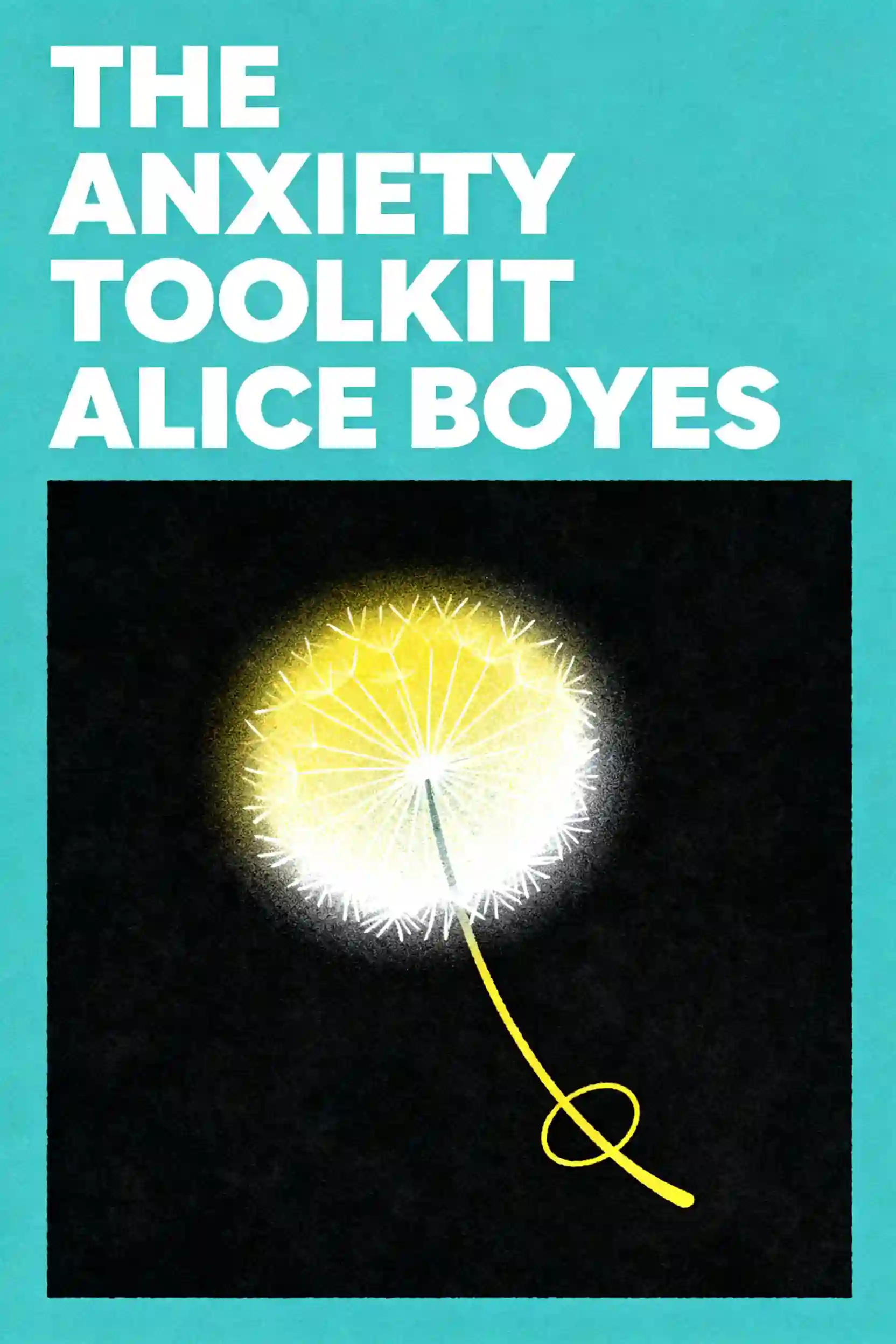
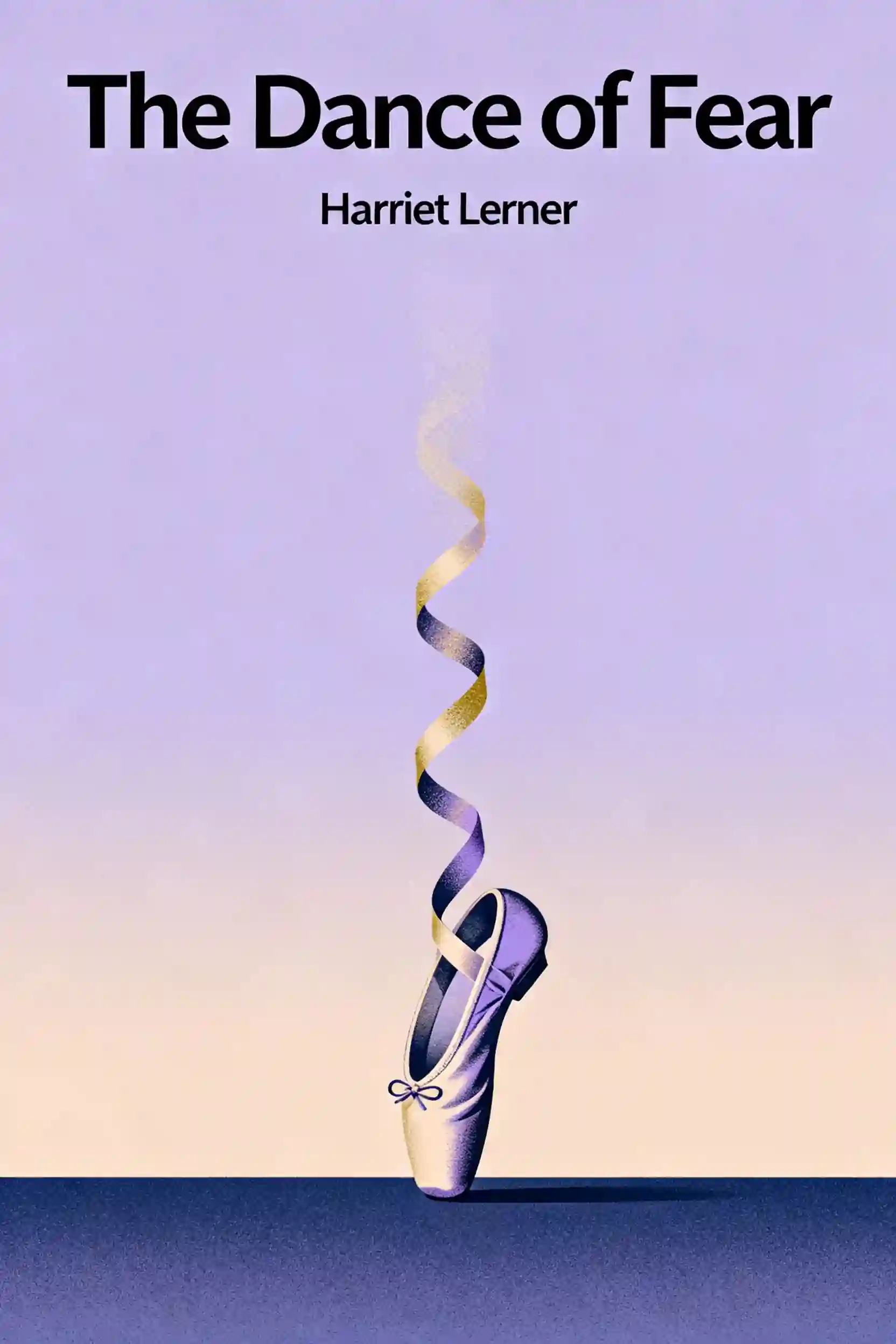
더 알아보기
Understand and Overcome Social Anxiety
Social anxiety affects millions of people, preventing them from forming meaningful connections, advancing in careers, and fully enjoying life. This learning plan combines neuroscience, proven therapeutic techniques, and practical social skills to help anyone struggling with social fear—from those avoiding social situations entirely to high-functioning individuals who hide their internal discomfort. Whether you experience occasional nervousness or persistent anxiety in social settings, these evidence-based strategies will help you break free from limiting patterns and build genuine confidence.

Overcome Anxiety: Social Skills Learning Plan
Social anxiety affects millions of people, limiting their personal and professional potential. This learning plan provides practical, evidence-based strategies for anyone looking to overcome social fears, build genuine confidence, and develop the skills needed to connect authentically with others in any situation.

Overcome social anxiety & misunderstandings
Social anxiety affects millions of people, limiting their personal and professional potential through fear of judgment and misinterpretation. This learning plan provides practical strategies for anyone seeking to overcome social discomfort, improve communication clarity, and develop authentic confidence in interpersonal situations.

Social Confidence Without the Script
Many professionals and individuals struggle with social anxiety that prevents them from networking or forming connections effectively. This plan is designed for anyone who feels paralyzed by their inner critic and wants practical, nervous-system-based tools to handle high-stakes encounters with ease.

From Social Hesitation to Effortless Connection
This plan is designed for individuals who feel held back by social anxiety or awkwardness in professional and personal settings. It provides a science-based approach to managing physiological stress while offering practical tools for real-world engagement.

improving small talk and social anxiety
Social anxiety often stems from a lack of concrete tools and a misunderstanding of our nervous system's response. This plan is essential for professionals and introverts who want to bridge the gap between feeling awkward and project genuine charisma in any social setting.

From Avoidance to Social Action
This plan is designed for individuals who feel held back by social anxiety or a persistent fear of judgment. It provides a biological and behavioral framework to move from passive avoidance to active, confident social engagement.

Social skills
Strong social skills are the foundation of personal and professional success, yet many people struggle with social anxiety, awkwardness, or difficulty forming deep connections. This learning plan provides practical techniques to transform your social capabilities, benefiting anyone looking to advance their career, expand their social circle, or simply feel more comfortable in social situations.
샌프란시스코에서 컬럼비아 대학교 동문들이 만들었습니다
"Instead of endless scrolling, I just hit play on BeFreed. It saves me so much time."


"I never knew where to start with nonfiction—BeFreed’s book lists turned into podcasts gave me a clear path."


"Perfect balance between learning and entertainment. Finished ‘Thinking, Fast and Slow’ on my commute this week."
"Crazy how much I learned while walking the dog. BeFreed = small habits → big gains."
"Reading used to feel like a chore. Now it’s just part of my lifestyle."

"Feels effortless compared to reading. I’ve finished 6 books this month already."
"BeFreed turned my guilty doomscrolling into something that feels productive and inspiring."

"BeFreed turned my commute into learning time. 20-min podcasts are perfect for finishing books I never had time for."
"BeFreed replaced my podcast queue. Imagine Spotify for books — that’s it. 🙌"

"It is great for me to learn something from the book without reading it."
"The themed book list podcasts help me connect ideas across authors—like a guided audio journey."
"Makes me feel smarter every time before going to work"
샌프란시스코에서 컬럼비아 대학교 동문들이 만들었습니다
"Instead of endless scrolling, I just hit play on BeFreed. It saves me so much time."
"I never knew where to start with nonfiction—BeFreed’s book lists turned into podcasts gave me a clear path."
"Perfect balance between learning and entertainment. Finished ‘Thinking, Fast and Slow’ on my commute this week."
"Crazy how much I learned while walking the dog. BeFreed = small habits → big gains."
"Reading used to feel like a chore. Now it’s just part of my lifestyle."
"Feels effortless compared to reading. I’ve finished 6 books this month already."
"BeFreed turned my guilty doomscrolling into something that feels productive and inspiring."
"BeFreed turned my commute into learning time. 20-min podcasts are perfect for finishing books I never had time for."
"BeFreed replaced my podcast queue. Imagine Spotify for books — that’s it. 🙌"
"It is great for me to learn something from the book without reading it."
"The themed book list podcasts help me connect ideas across authors—like a guided audio journey."
"Makes me feel smarter every time before going to work"
"Instead of endless scrolling, I just hit play on BeFreed. It saves me so much time."
"I never knew where to start with nonfiction—BeFreed’s book lists turned into podcasts gave me a clear path."
"Perfect balance between learning and entertainment. Finished ‘Thinking, Fast and Slow’ on my commute this week."
"Crazy how much I learned while walking the dog. BeFreed = small habits → big gains."
"Reading used to feel like a chore. Now it’s just part of my lifestyle."
"Feels effortless compared to reading. I’ve finished 6 books this month already."
"BeFreed turned my guilty doomscrolling into something that feels productive and inspiring."
"BeFreed turned my commute into learning time. 20-min podcasts are perfect for finishing books I never had time for."
"BeFreed replaced my podcast queue. Imagine Spotify for books — that’s it. 🙌"
"It is great for me to learn something from the book without reading it."
"The themed book list podcasts help me connect ideas across authors—like a guided audio journey."
"Makes me feel smarter every time before going to work"
"Instead of endless scrolling, I just hit play on BeFreed. It saves me so much time."
"I never knew where to start with nonfiction—BeFreed’s book lists turned into podcasts gave me a clear path."
"Perfect balance between learning and entertainment. Finished ‘Thinking, Fast and Slow’ on my commute this week."
"Crazy how much I learned while walking the dog. BeFreed = small habits → big gains."
"Reading used to feel like a chore. Now it’s just part of my lifestyle."
"Feels effortless compared to reading. I’ve finished 6 books this month already."
"BeFreed turned my guilty doomscrolling into something that feels productive and inspiring."
"BeFreed turned my commute into learning time. 20-min podcasts are perfect for finishing books I never had time for."
"BeFreed replaced my podcast queue. Imagine Spotify for books — that’s it. 🙌"
"It is great for me to learn something from the book without reading it."
"The themed book list podcasts help me connect ideas across authors—like a guided audio journey."
"Makes me feel smarter every time before going to work"