BeFreed
    Categories>Education>Become Disgustingly Overeducated

    Become Disgustingly Overeducated

    32분
    |
    |
    2025년 12월 29일
    • Education
    • Self-Growth
    • Productivity

    A tactical guide to transforming from a good student into an intellectual powerhouse through curiosity cultivation, metacognitive strategies, and unconventional learning methods that yield perfect grades.

    Become Disgustingly Overeducated
    0:00 / 0:00
    전달 방식을 선택하세요

    하나의 에피소드, 다양한 청취 방식.

    Become Disgustingly Overeducated의 같은 아이디어를 나에게 맞는 목소리, 깊이, 속도로 만나보세요. 언제든 바꿀 수 있습니다.

    전체 대본 및 챕터

    챕터 1

    The Curiosity Advantage

    Ever notice those people who casually drop phrases like "epistemic frameworks" in conversation and somehow make it work? The ones who listen to podcasts at 1.5x speed while annotating a book? Welcome to your guide to becoming disgustingly overeducated – not for the Instagram aesthetics, but for the sheer intellectual advantage it gives you. Here's the truth most perfect-grade students won't tell you: it's not about being a know-it-all; it's about being a want-to-know-it-all. The most dangerously educated minds don't just store facts – they see patterns, simplify complexity, and build systems that remember what they forget. Today, we're diving into the unconventional tactics that transform good students into intellectual powerhouses – starting with why treating curiosity like a religion might be your most important first step.

    챕터 2

    The Metacognitive Revolution

    Let's talk about the secret weapon that separates the disgustingly overeducated from everyone else—metacognition. It's essentially thinking about your thinking, and it's the difference between cramming facts and building an intellectual empire. Most students operate like data collectors, shoving information into their brains without any real strategy. But the truly overeducated? They're running a sophisticated command center upstairs.

    Research consistently shows that students who develop strong metacognitive skills—the ability to monitor, evaluate, and adjust their learning strategies—dramatically outperform their peers. They don't just study harder; they study with surgical precision. Think of metacognition as your internal CEO, constantly asking: "Is this working? Should we pivot? What's the return on investment for this study session?"

    The fascinating thing about metacognitive learners is how they approach failure. When they bomb a quiz, they don't just feel bad—they conduct a forensic analysis. Was it a knowledge gap? A misunderstanding of the question format? Poor time management? They treat every academic setback like a data point in a larger optimization experiment.

    One of the most powerful metacognitive techniques involves something called "desirable difficulties." This concept flips traditional studying on its head. Instead of making learning easier, you intentionally make it harder in strategic ways. For example, instead of rereading your notes for the fifth time, you close the book and try to reconstruct the key concepts from memory. It feels more difficult, but that struggle is precisely what builds durable learning.

    The overeducated understand that their brain isn't a filing cabinet—it's more like a living ecosystem that needs to be carefully cultivated. They know when to push through mental fatigue and when to step back. They recognize the difference between productive struggle and spinning their wheels. This kind of self-awareness doesn't happen overnight, but once you develop it, it becomes your greatest academic asset.

    Here's where most people go wrong: they think metacognition is just about studying techniques. But it goes much deeper. It's about understanding your cognitive biases, recognizing when you're overconfident, and knowing how to calibrate your confidence with actual competence. The truly overeducated have developed what researchers call "accurate self-monitoring"—they know what they know, and more importantly, they know what they don't know.

    This metacognitive awareness extends beyond individual study sessions. The disgustingly overeducated are constantly running experiments on themselves. They'll try a new note-taking method for a month, carefully tracking its effectiveness. They'll test whether they learn better in the morning or evening, with music or in silence. They treat their education like a science project where they're both the researcher and the subject.

    이 에피소드로 더 깊이 배우기

    이 에피소드의 아이디어를 BeFreed의 가이드 학습 경험으로 더 깊이 탐구해 보세요.

    챕터 3

    The Spacing Revolution

    Now, let's demolish one of the most persistent myths in education: that cramming works. The disgustingly overeducated have discovered something called the spacing effect, and it's arguably the most powerful learning principle you've never heard of. This isn't about spreading your study sessions out because it's more convenient—it's about leveraging a fundamental quirk of human memory that can multiply your learning efficiency.

    The spacing effect reveals that information reviewed at increasing intervals becomes exponentially more memorable than information crammed in a single session. But here's the counterintuitive part: it feels less effective while you're doing it. When you cram, you get that satisfying feeling of familiarity—you recognize the information, so you assume you've learned it. But recognition isn't recall, and recall isn't application.

    Spaced repetition forces you to repeatedly retrieve information from memory just as it's beginning to fade. Each successful retrieval strengthens the neural pathway, making the information more accessible in the future. It's like strengthening a muscle through progressive resistance training—the difficulty is what creates the strength.

    The truly overeducated take this principle and run with it. They don't just space their review sessions; they space their entire learning architecture. They'll encounter a concept in their biology class, then deliberately seek it out in their psychology reading, then notice it again in their philosophy course. This cross-pollination isn't accidental—it's strategic.

    One of the most elegant applications of spacing involves what cognitive scientists call "interleaving." Instead of studying one topic intensively before moving to the next, you deliberately mix different topics within the same study session. It feels chaotic and inefficient, but it forces your brain to constantly discriminate between concepts, strengthening your ability to apply knowledge flexibly.

    The spacing revolution also transforms how the overeducated approach review. Instead of reviewing everything equally, they use a technique called "graduated intervals." Material that's easy gets reviewed less frequently, while challenging concepts get more attention. It's a personalized algorithm running in their head, constantly optimizing for maximum retention with minimum effort.

    Here's where spacing gets really interesting: it doesn't just improve memory—it improves transfer. When you space your learning, you're more likely to recognize how concepts from one domain apply to another. You start seeing patterns across disciplines, making connections that less systematic learners miss entirely. This is how the disgustingly overeducated develop their seemingly effortless ability to synthesize information from multiple sources.

    The beauty of spacing is that it compounds over time. Each spaced repetition doesn't just strengthen that particular memory—it strengthens your entire retrieval system. You become better at remembering how to remember, creating a positive feedback loop that accelerates all future learning.

    챕터 4

    The Testing Transformation

    Here's a radical idea that will change how you think about studying: tests aren't just for evaluation—they're for learning. The disgustingly overeducated have discovered that testing yourself is one of the most powerful learning strategies available, yet most students avoid it like the plague. They'd rather reread their notes ten times than take a single practice quiz, and that's exactly why they stay mediocre.

    The testing effect reveals something counterintuitive about human memory: the act of retrieving information from memory actually changes the brain in ways that make future retrieval easier. It's not just about checking what you know—it's about strengthening the neural pathways that store and access that knowledge. Every time you successfully retrieve a piece of information, you're literally rewiring your brain to make that information more accessible.

    But here's where most students go wrong with testing: they wait until they feel ready. The overeducated do the opposite—they test themselves before they feel prepared, precisely because that's when testing is most effective. When you're struggling to recall information, your brain is working harder, and that effort creates stronger, more durable memories.

    The most sophisticated practitioners of self-testing don't just quiz themselves on facts—they test their ability to apply, analyze, and synthesize information. They create scenarios where they have to use their knowledge to solve novel problems. They ask themselves not just "What is this concept?" but "How does this concept relate to what I learned last week? How would I explain this to someone with no background in the subject? What are the implications of this idea?"

    One particularly powerful testing strategy involves what researchers call "successive relearning." Here's how it works: you study material until you can recall it perfectly, then you set it aside. When you return to it later and can no longer recall it perfectly, you relearn it. This cycle of learning, forgetting, and relearning creates incredibly robust memories that resist future forgetting.

    The testing transformation also changes how the overeducated approach their mistakes. Instead of seeing errors as failures, they see them as learning opportunities. Research shows that making errors during testing—as long as you get corrective feedback—actually enhances learning more than getting everything right the first time. The struggle to retrieve information, even when unsuccessful, primes your brain to better encode the correct information when it's provided.

    Perhaps most importantly, regular self-testing develops what psychologists call "metamemory"—your ability to accurately judge what you know and don't know. Most students are terrible at this. They confuse familiarity with mastery, thinking they know something just because they've seen it recently. Self-testing forces you to confront the difference between recognition and recall, between passive familiarity and active mastery.

    The disgustingly overeducated take testing even further—they test themselves on connections between ideas, not just isolated facts. They create mental models and then test whether those models can predict new situations. They're not just memorizing information; they're building and testing intellectual frameworks that can generate new insights.

    이 에피소드로 더 깊이 배우기

    이 에피소드의 아이디어를 BeFreed의 가이드 학습 경험으로 더 깊이 탐구해 보세요.

    챕터 5

    The Elaboration Engine

    Most students treat information like packages to be stored and retrieved. The disgustingly overeducated treat information like seeds to be planted and grown. This difference in approach—between storage and cultivation—separates good students from intellectual powerhouses. The secret lies in a process called elaboration, and it's the difference between knowing facts and truly understanding concepts.

    Elaboration involves connecting new information to existing knowledge, creating rich networks of association that make information both more memorable and more useful. When you elaborate on information, you're not just storing it—you're weaving it into the fabric of your existing understanding, creating multiple pathways for retrieval and application.

    The most basic form of elaboration involves asking "why" and "how" questions about everything you encounter. Instead of simply noting that "photosynthesis converts sunlight into chemical energy," the elaborative learner asks: "Why did this process evolve? How does it relate to other energy conversion processes I know about? What would happen if photosynthesis worked differently? How does this connect to what I learned about cellular respiration?"

    But the truly overeducated take elaboration much further. They engage in what cognitive scientists call "generative learning"—they don't just connect new information to old information; they use new information to generate novel insights and predictions. They ask themselves: "If this is true, what else must be true? What are the implications I haven't considered? How would this principle apply in a completely different context?"

    One particularly powerful elaboration technique involves creating analogies and metaphors. When you encounter a new concept, you force yourself to find something familiar that works in a similar way. The process of creating these analogies doesn't just help you remember the concept—it helps you understand its deeper structure and principles. The best analogies reveal not just similarities but also meaningful differences, deepening your understanding of both the new concept and the familiar one.

    The elaboration engine also involves what researchers call "self-explanation." As you encounter new information, you constantly narrate to yourself what it means, how it works, and why it matters. You become your own teacher, explaining concepts in your own words and making explicit the connections that might otherwise remain implicit. This internal dialogue transforms passive consumption into active construction of understanding.

    Perhaps most importantly, elaboration helps you develop what experts call "transfer"—the ability to apply knowledge in new and unfamiliar contexts. When you've elaborated on information thoroughly, creating multiple connections and associations, you're much more likely to recognize when and how to use that information in novel situations. You don't just know facts; you know when and why those facts are relevant.

    The disgustingly overeducated also use elaboration to build what cognitive scientists call "schemas"—organized frameworks of knowledge that help you understand and predict new situations. Instead of learning isolated facts, they're constantly building and refining mental models that can generate insights about new situations. These schemas become intellectual tools that can be applied across multiple domains.

    챕터 6

    The Interleaving Advantage

    Here's where the disgustingly overeducated really separate themselves from the pack: they've mastered the art of interleaving. While most students practice one skill or study one topic at a time until they feel confident, the overeducated deliberately mix different topics and skills within the same study session. It feels chaotic and counterproductive, but it's actually one of the most powerful learning strategies available.

    Interleaving works because it forces your brain to constantly discriminate between different types of problems or concepts. When you practice the same type of math problem repeatedly, you get into a groove—but that groove can become a rut. You start relying on the context to tell you what type of problem you're solving, rather than analyzing the problem itself. Interleaving removes those contextual cues, forcing you to really understand the underlying structure of each problem type.

    The research on interleaving is striking. Students who practice math problems in an interleaved fashion—mixing different problem types within the same session—significantly outperform students who practice each type separately, even though the interleaved practice feels more difficult and less effective while you're doing it. This is a perfect example of what researchers call "desirable difficulties"—challenges that feel harder but produce better learning.

    The disgustingly overeducated apply interleaving across multiple dimensions. They don't just interleave different types of problems within a subject; they interleave different subjects within a study session. They might spend twenty minutes on organic chemistry, then switch to European history, then tackle some statistics problems. This constant switching forces their brain to repeatedly reactivate different knowledge networks, strengthening all of them.

    But interleaving isn't just about mixing topics randomly—it's about strategic mixing that highlights important distinctions and connections. The overeducated deliberately choose to interleave topics that share some similarities but require different approaches. This helps them develop discrimination skills—the ability to quickly identify what type of problem they're facing and select the appropriate strategy.

    One of the most sophisticated applications of interleaving involves what cognitive scientists call "comparison learning." Instead of studying topics in isolation, you deliberately study contrasting examples side by side. You might study democratic and authoritarian political systems simultaneously, constantly comparing and contrasting their features. This approach helps you understand not just what each system is, but what makes them fundamentally different.

    Interleaving also helps combat one of the biggest enemies of learning: the illusion of knowing. When you practice the same type of problem repeatedly, you develop fluency that feels like mastery. But that fluency often doesn't transfer to new contexts. Interleaving constantly tests your ability to recognize and solve different types of problems, giving you a more accurate sense of your actual competence.

    The interleaving advantage extends beyond individual study sessions. The disgustingly overeducated structure their entire curriculum as an interleaved experience. They deliberately take courses that complement and contrast with each other, creating opportunities for cross-pollination of ideas. They might pair a statistics course with a philosophy course, using the logical reasoning skills from philosophy to better understand statistical inference, and using statistical thinking to evaluate philosophical arguments.

    Perhaps most importantly, interleaving prepares you for the real world, where problems don't come neatly labeled and categorized. In your career, you'll need to quickly identify what type of problem you're facing and select the appropriate tools and strategies. Interleaving develops this crucial skill of problem recognition and strategy selection.

    이 에피소드로 더 깊이 배우기

    이 에피소드의 아이디어를 BeFreed의 가이드 학습 경험으로 더 깊이 탐구해 보세요.

    챕터 7

    The Generation Effect

    Now we're getting to one of the most underutilized weapons in the overeducated arsenal: the generation effect. This principle reveals that information you generate yourself is far more memorable and useful than information you simply read or hear. The act of generation—whether it's completing a word fragment, answering a question, or creating an example—engages your brain in ways that passive consumption never can.

    The generation effect works because it forces you to actively retrieve and manipulate information, rather than simply recognizing it. When you generate information, you're not just accessing existing memories—you're creating new ones. The effort required to generate information strengthens the neural pathways associated with that information, making it more accessible in the future.

    The disgustingly overeducated exploit the generation effect in countless ways. Instead of just reading definitions, they cover up definitions and try to generate them from memory. Instead of just reading examples in textbooks, they create their own examples. Instead of just following worked solutions to problems, they attempt to solve problems themselves before checking the answers.

    One particularly powerful application of the generation effect involves what researchers call "elaborative interrogation." This technique involves constantly asking yourself "why" questions about the material you're studying, then generating your own explanations. Why does this historical event matter? Why does this chemical reaction proceed in this direction? Why is this mathematical technique effective? The process of generating these explanations forces you to connect new information to your existing knowledge, creating rich networks of understanding.

    The generation effect also explains why teaching others is such a powerful learning strategy. When you explain a concept to someone else, you're forced to generate your own understanding of that concept. You can't just rely on the author's words or the professor's explanation—you have to create your own version, tailored to your audience's background and needs. This generative process deepens your understanding in ways that passive study never could.

    But the truly overeducated take generation even further—they use it to create entirely new knowledge. They don't just generate examples of existing concepts; they generate new hypotheses, new connections, and new applications. They ask themselves: "What would happen if I applied this principle to a completely different domain? What new insights might emerge if I combined this concept with something I learned in another field?"

    The generation effect also helps explain why active note-taking is so much more effective than passive listening or reading. When you take notes, you're not just recording information—you're generating your own version of that information. You're deciding what's important, how to organize it, and how to express it in your own words. This generative process makes the information more memorable and more meaningful.

    Perhaps most importantly, the generation effect helps you develop intellectual confidence. When you can generate information rather than just recognize it, you know that you truly understand it. You're not dependent on external cues or familiar contexts—you can access and apply your knowledge in novel situations. This confidence becomes a foundation for even more ambitious intellectual pursuits.

    The disgustingly overeducated also use generation to test the limits of their understanding. They constantly challenge themselves to generate new applications, new examples, and new explanations. They use generation not just as a learning tool, but as a diagnostic tool—a way to identify the boundaries of their knowledge and the areas where they need to dig deeper.

    챕터 8

    The Concrete-Abstract Bridge

    Here's where the disgustingly overeducated really show their sophistication: they've mastered the art of building bridges between concrete examples and abstract principles. Most students get stuck on one side of this bridge—they either memorize abstract rules without understanding when to apply them, or they learn specific examples without grasping the underlying principles. The overeducated constantly move back and forth, using concrete examples to illuminate abstract concepts and abstract principles to organize concrete knowledge.

    This bridge-building process starts with what cognitive scientists call "dual coding." Your brain processes verbal and visual information through different channels, and when you engage both channels simultaneously, you create multiple pathways to the same information. The overeducated don't just read about concepts—they visualize them, diagram them, and create mental images that capture their essential features.

    But dual coding is just the beginning. The truly sophisticated learners use concrete examples as stepping stones to abstract understanding. They don't just memorize that "supply and demand determine price"—they work through specific scenarios, like what happens to concert ticket prices when a popular band announces a surprise show. They use these concrete examples to build intuitive understanding of abstract economic principles.

    The concrete-abstract bridge also works in reverse. The overeducated take abstract principles and deliberately generate concrete applications. When they encounter a mathematical theorem, they don't just memorize the proof—they ask themselves where this theorem might be useful in real-world situations. They take psychological principles and imagine how they might apply in specific relationships or workplace scenarios.

    One of the most powerful bridge-building techniques involves what researchers call "analogical reasoning." The overeducated constantly look for structural similarities between different domains. They might notice that the way electrical current flows through circuits is analogous to the way water flows through pipes, or that the way supply and demand work in economics is similar to the way predator-prey relationships work in ecology. These analogies don't just help them remember information—they help them transfer insights across domains.

    The concrete-abstract bridge also helps explain why the overeducated are so good at problem-solving. They can move fluidly between specific details and general principles, zooming in to examine particular features and zooming out to see overall patterns. This flexibility allows them to approach problems from multiple angles and to recognize when insights from one domain might apply to another.

    Perhaps most importantly, the concrete-abstract bridge helps the overeducated develop what experts call "adaptive expertise." Instead of just applying memorized procedures, they can adapt their knowledge to novel situations. They understand not just what to do, but why it works and when it's appropriate. This deep, flexible understanding is what separates true experts from mere technicians.

    The disgustingly overeducated also use the concrete-abstract bridge to build what cognitive scientists call "schemas"—organized knowledge structures that help them understand new situations. These schemas capture both the concrete details and the abstract principles, creating powerful tools for both comprehension and prediction. When they encounter a new situation, they can quickly identify which schema applies and use it to guide their thinking and action.

    이 에피소드로 더 깊이 배우기

    이 에피소드의 아이디어를 BeFreed의 가이드 학습 경험으로 더 깊이 탐구해 보세요.

    챕터 9

    The Integration Imperative

    Now we reach the pinnacle of overeducated thinking: the ability to integrate knowledge across disciplines, contexts, and levels of analysis. While most students compartmentalize their learning—keeping biology separate from chemistry, history separate from literature, theory separate from practice—the disgustingly overeducated are constantly building connections that transform isolated facts into powerful, integrated understanding.

    Integration isn't just about noticing that different subjects sometimes overlap—it's about actively seeking out connections and using those connections to deepen understanding in all domains. The overeducated approach their education like they're building a vast, interconnected web of knowledge, where each new piece of information can potentially illuminate and be illuminated by everything they've learned before.

    This integrative approach transforms how they engage with new material. Instead of asking "What do I need to know for the test?" they ask "How does this connect to what I already know? What new patterns does this reveal? How might this change my understanding of other topics?" They're not just accumulating knowledge—they're constantly reorganizing and refining their entire knowledge structure.

    One of the most powerful integration techniques involves what researchers call "knowledge compilation." As you gain expertise in different areas, you begin to notice deep structural similarities that aren't obvious to novices. You might recognize that the mathematical concept of optimization appears in economics (profit maximization), biology (natural selection), and psychology (decision-making). These cross-domain connections create powerful intellectual tools that can be applied across multiple contexts.

    The integration imperative also drives the overeducated to seek out interdisciplinary perspectives on complex problems. They don't just study climate change from an environmental science perspective—they explore its economic, political, psychological, and ethical dimensions. They understand that complex problems require integrated solutions that draw on insights from multiple disciplines.

    But integration goes beyond just connecting different academic subjects. The truly overeducated integrate their formal learning with their personal experiences, their current events knowledge, and their future goals. They constantly ask themselves how their academic learning relates to their life outside the classroom. This personal relevance makes their learning more meaningful and more memorable.

    The integration imperative also transforms how the overeducated approach reading and research. They don't just read within their field—they deliberately seek out perspectives from adjacent and distant disciplines. A psychology student might read anthropology to understand cultural variations in behavior, or economics to understand how incentive structures shape human action. This intellectual cross-training creates a rich, multifaceted understanding that single-discipline approaches can't match.

    Perhaps most importantly, integration helps the overeducated develop what researchers call "systems thinking"—the ability to understand how different components of complex systems interact with each other. Instead of just understanding individual elements, they understand relationships, feedback loops, and emergent properties. This systems perspective is crucial for understanding everything from ecosystems to economies to organizations.

    The disgustingly overeducated also use integration as a creativity tool. By combining insights from different domains, they can generate novel ideas and solutions that wouldn't occur to someone working within a single discipline. They understand that innovation often happens at the intersections between different fields of knowledge.

    챕터 10

    Your Academic Arsenal

    Let's get practical. You now understand the principles that separate the disgustingly overeducated from everyone else, but principles without practice are just intellectual decoration. Here's your blueprint for implementing these strategies systematically, starting tomorrow.

    First, revolutionize your study schedule using spaced repetition. Instead of cramming before tests, create a review calendar that revisits material at increasing intervals. Study new material today, review it again in three days, then a week later, then two weeks later. Use apps like Anki or create your own system, but make spacing automatic, not optional. The key is consistency over intensity—fifteen minutes of spaced review beats three hours of cramming every single time.

    Transform every study session into a testing session. Before you even think about rereading notes, close your books and test yourself on what you supposedly learned. Create practice problems, write summary paragraphs from memory, explain concepts aloud to an imaginary audience. Only after you've exhausted your ability to retrieve information should you return to your materials to check accuracy and fill gaps. Make retrieval practice your default study mode.

    Build elaboration into everything you encounter. For every new concept, force yourself to answer: How does this connect to what I already know? Why does this work this way? What would happen if this were different? What are three real-world applications of this principle? Create a habit of intellectual curiosity that goes beyond memorizing facts to understanding relationships and implications.

    Implement strategic interleaving in your study sessions. Instead of spending two hours on calculus followed by two hours on history, alternate between subjects every twenty to thirty minutes. Mix problem types within subjects—don't do twenty similar math problems in a row. This will feel inefficient and frustrating at first, but that discomfort is exactly what makes it effective.

    Exploit the generation effect by creating your own examples, problems, and explanations. Don't just read the textbook examples—generate your own. Don't just follow worked solutions—attempt problems before looking at answers. Don't just memorize definitions—create your own versions and test whether they capture the essential meaning.

    Build concrete-abstract bridges by constantly moving between specific examples and general principles. When you encounter an abstract concept, immediately think of concrete examples. When you see specific cases, ask yourself what general principles they illustrate. Create visual representations, diagrams, and analogies that help you see the structure underlying surface details.

    Make integration your intellectual obsession. Keep a running list of connections you notice between different courses, different concepts, and different contexts. Actively seek out interdisciplinary perspectives on topics you're studying. Ask yourself how insights from one domain might apply to problems in another domain.

    Create a metacognitive practice by regularly assessing your learning strategies. What's working? What isn't? How accurately can you predict your performance on tests? Keep a learning journal where you reflect on your study sessions, noting what techniques were most effective and where you need to adjust your approach.

    Finally, embrace the discomfort of desirable difficulties. When learning feels easy and fluent, be suspicious—you might not be learning as much as you think. Seek out challenges that force you to struggle productively. The path to becoming disgustingly overeducated isn't comfortable, but it's transformative.

    Remember: these aren't just study techniques—they're thinking tools that will serve you long after your formal education ends. Master them now, and you'll have intellectual superpowers for life.

    이 에피소드로 더 깊이 배우기

    이 에피소드의 아이디어를 BeFreed의 가이드 학습 경험으로 더 깊이 탐구해 보세요.

    챕터 11

    The Overeducated Mindset

    As we wrap up this deep dive into academic excellence, let's talk about what really sets the disgustingly overeducated apart—it's not just their techniques, but their entire relationship with learning itself. They've fundamentally rewired how they think about knowledge, curiosity, and intellectual growth.

    The overeducated have developed what psychologists call a "growth mindset," but they've taken it further than most people realize. They don't just believe they can improve—they're obsessed with the process of improvement itself. They treat their brain like a high-performance athlete treats their body, constantly pushing its limits, monitoring its performance, and optimizing its training regimen.

    This mindset transformation changes everything about how they approach challenges. Where others see obstacles, they see training opportunities. Where others see failure, they see data about what needs adjustment. They've learned to find genuine satisfaction in the struggle of learning, not just in the achievement of grades. This shift from outcome-focused to process-focused thinking is perhaps the most important change you can make.

    The disgustingly overeducated also understand that learning is inherently social, even when you're studying alone. They actively seek out people who challenge their thinking, who know things they don't, who can offer different perspectives on familiar topics. They've learned that intellectual humility—the willingness to admit what you don't know—is actually a strength that accelerates learning rather than a weakness to hide.

    Perhaps most importantly, they've developed what we might call "intellectual courage"—the willingness to engage with ideas that might change their mind, to pursue questions that don't have easy answers, and to embrace complexity rather than seeking oversimplified solutions. They understand that becoming truly educated means becoming comfortable with uncertainty and nuance.

    The overeducated mindset also includes a deep appreciation for the interconnectedness of knowledge. They see learning not as collecting separate facts but as participating in humanity's ongoing conversation about how the world works. Every textbook they read, every lecture they attend, every problem they solve is part of a larger intellectual tradition that connects them to thinkers across centuries and cultures.

    This perspective transforms how they engage with their education. They're not just trying to get through courses—they're trying to understand their place in the larger intellectual ecosystem. They see themselves as both inheritors and contributors to human knowledge, responsible for not just learning what others have discovered but for pushing the boundaries of understanding forward.

    The journey to becoming disgustingly overeducated isn't just about academic success—it's about developing intellectual tools and habits that will serve you throughout your life. In a world where information is abundant but wisdom is scarce, these skills become your competitive advantage. You'll be the person who can see patterns others miss, who can synthesize complex information quickly, who can adapt to new situations with confidence.

    So embrace the challenge. Start implementing these strategies tomorrow. Join the ranks of the disgustingly overeducated—not because you want to show off, but because you want to think clearly, learn efficiently, and engage meaningfully with the complex world around you.

    Thanks for diving deep with me today into the science of learning and the art of intellectual excellence. I'd love to hear about your experiences implementing these strategies—what works for you, what doesn't, and what discoveries you make along the way. Until next time, keep questioning, keep connecting, and keep pushing the boundaries of what you thought possible.

    ★★★★★

    Become Disgustingly Overeducated의 끝까지 도달했어요

    “23일째 매일 사용하고 있어요. 이제 제 일상의 한 부분이 되었습니다.”

    jayallen

    Become Disgustingly Overeducated 베스트 인용

    “

    The most dangerously educated minds don't just store facts—they see patterns, simplify complexity, and build systems that remember what they forget. It's not about being a know-it-all; it's about being a want-to-know-it-all.

    ”
    M

    Generated by Marii

    질문 입력

    How to become disgustingly over educated and get perfect grades

    호스트 음성
    Niaplay
    지식 출처
    Only Study Guide You'll Ever Need
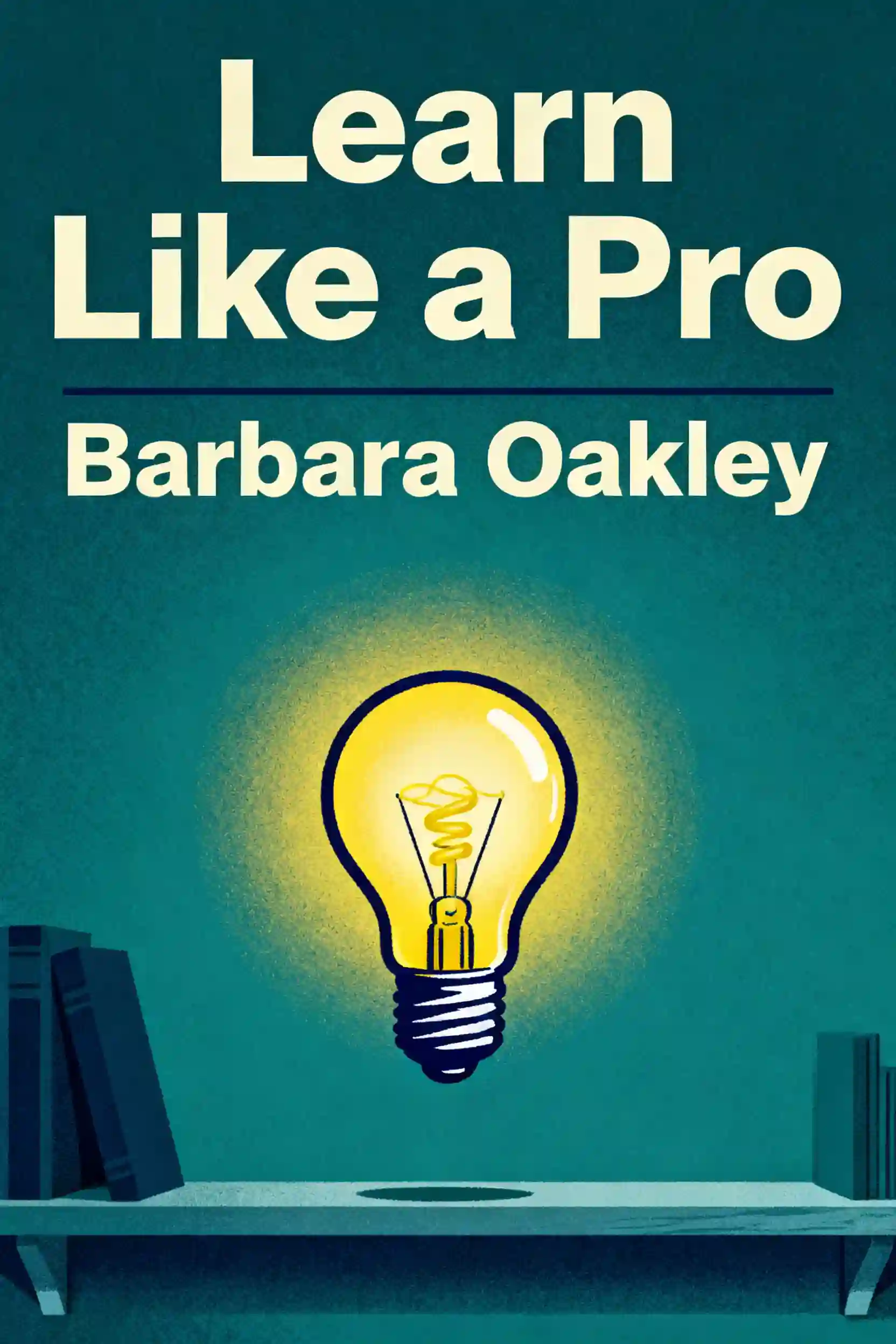
    Learn Like a Pro
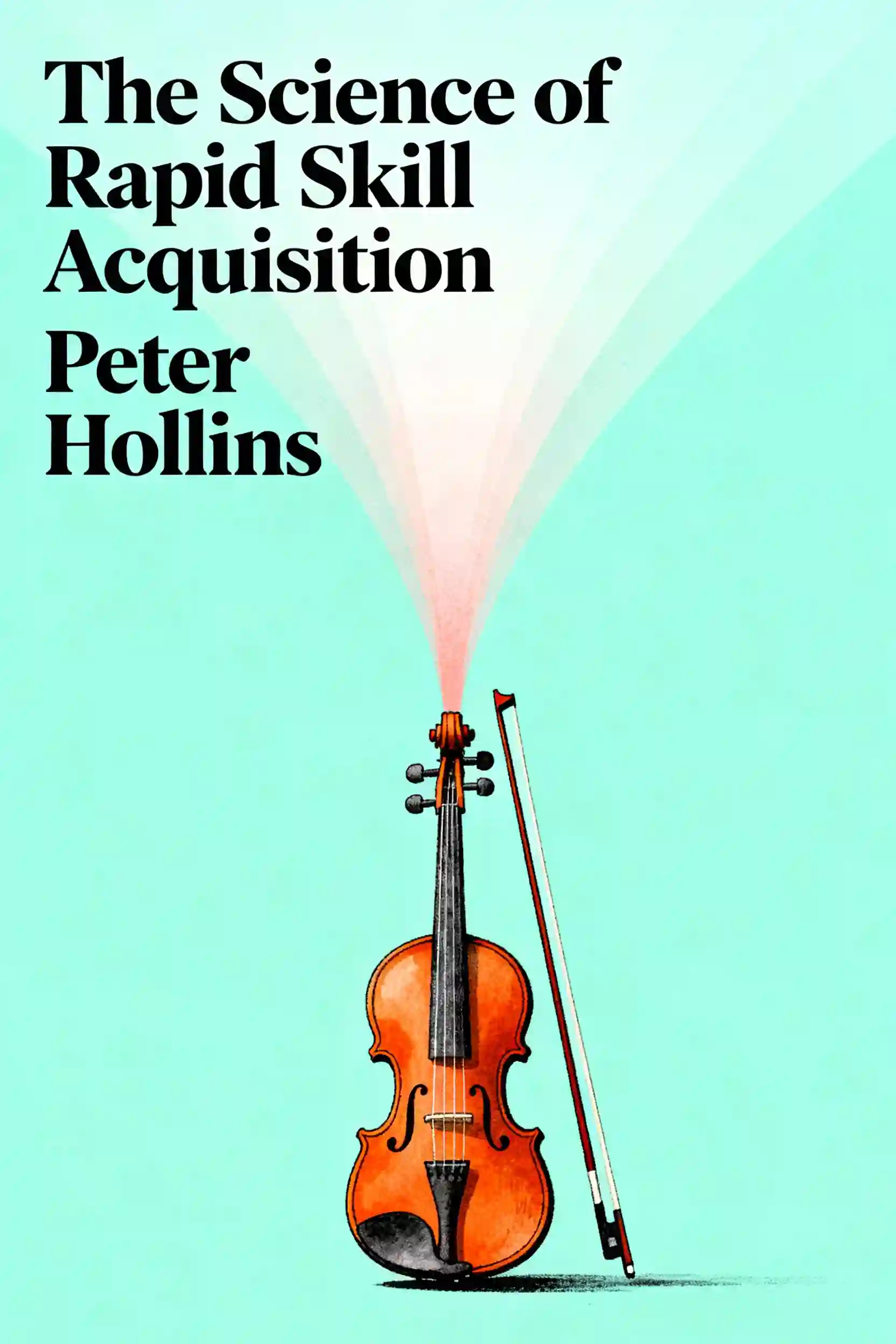
    The Science of Rapid Skill Acquisition
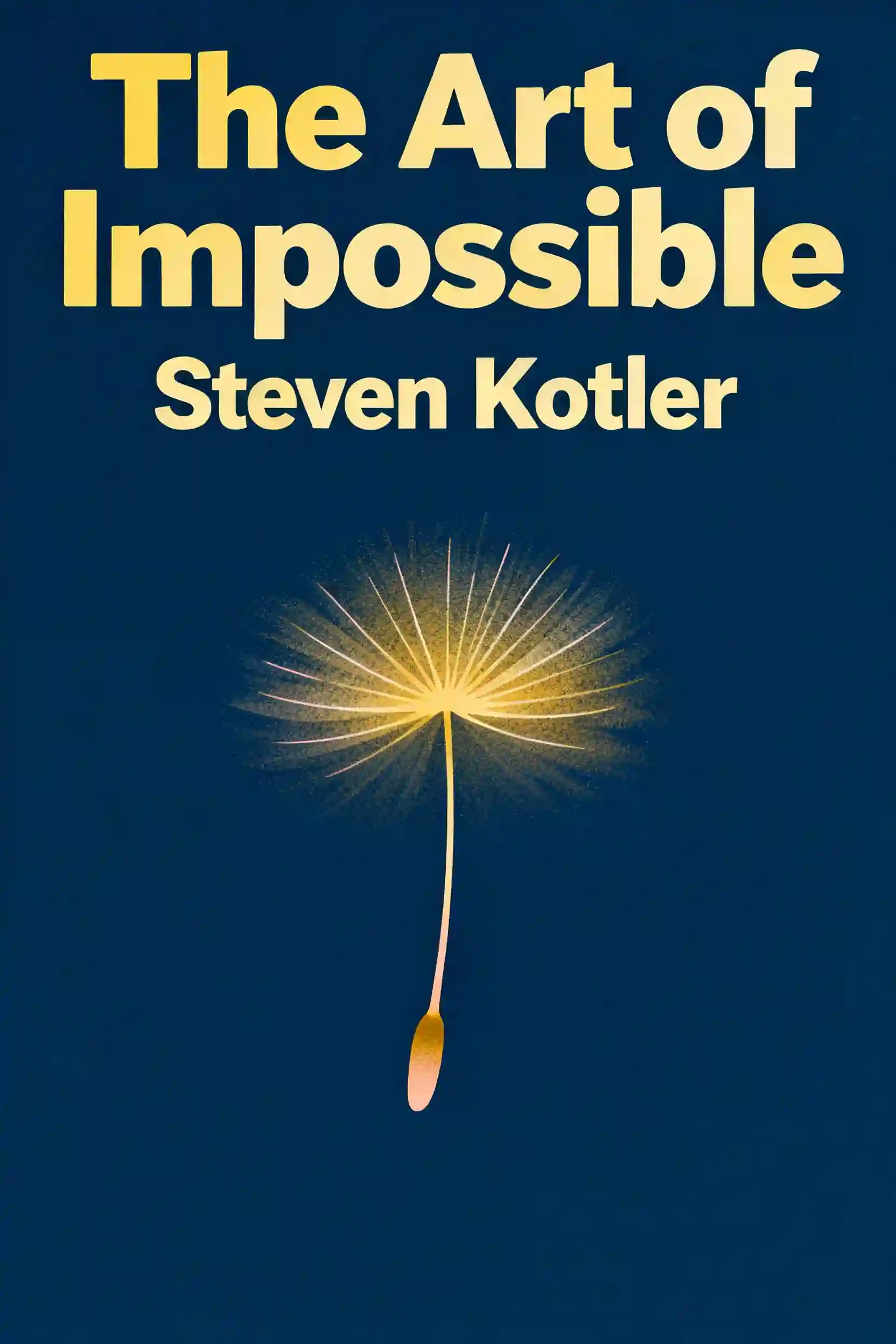
    Art of Impossible
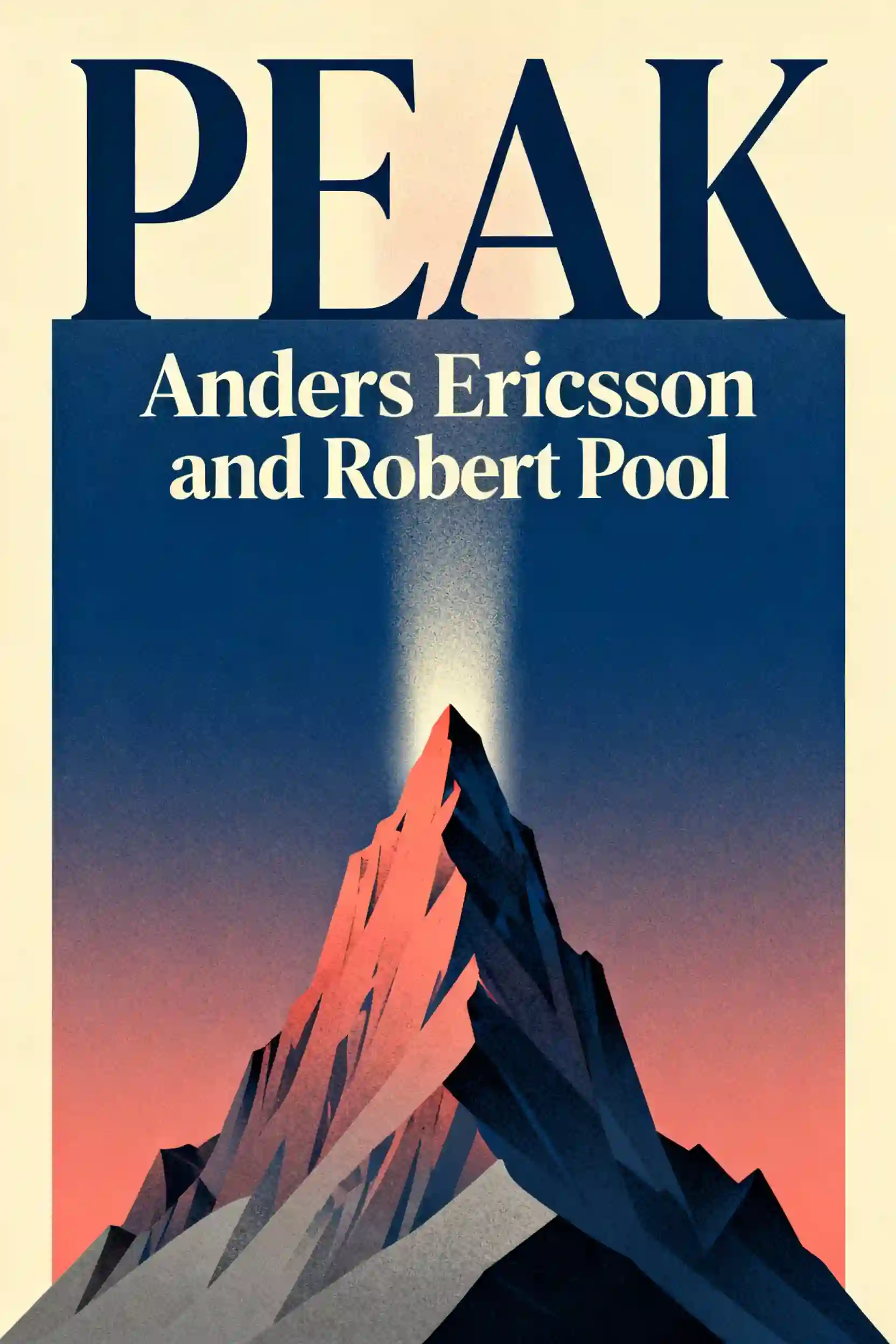
    Peak
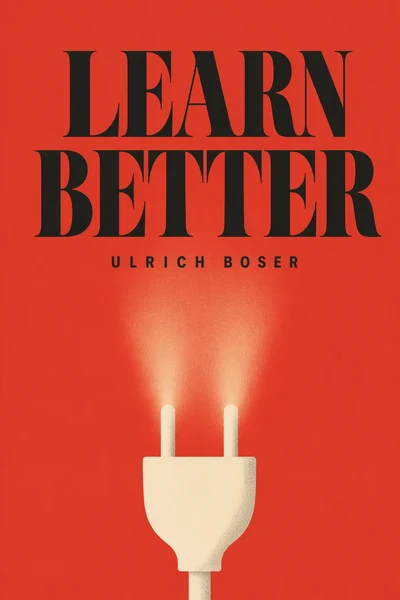
    Learn Better

    컬럼비아 대학교 동문들이 제작 | 샌프란시스코에서 개발

    BeFreed는 호기심 넘치는 글로벌 커뮤니티를 하나로 연결합니다

    4.7

    평균 평점

    앱 평가 7.84천 개 이상

    BeFreed 커뮤니티

    정말이지 아직 앱을 다 써 보지도 않았는데, 며칠 써 본 것만으로도 깊은 인상을 받았어요… BeFreed는 제가 써 본 어떤 학습 앱과도 차원이 달라요. 몰입감이 엄청나고 집중력도 실제로 좋아져서, 스마트폰을 하염없이 스크롤하는 분들께 딱이에요!

    @ladyInfinity

    정확히 23일 전에 BeFreed를 구입했는데, 그날부터 하루도 빠짐없이 쓰고 있어요. 제 일상 업무 흐름과 학습 습관에 완전히 자리 잡았어요.

    @jayallen

    솔직히 이 앱은 제 기대를 전부 뛰어넘었어요. 어떤 주제든 오디오로 만들어 달라고 할 수 있고, 결과물이 놀라워요. 제 전문 분야는 심리치료 쪽이고 여러 학문이 얽혀 있는데도 답변이 아주 정확해요.

    @Raguipa

    제일 고마운 건 스크롤하는 시간이 확 줄었다는 거예요. 검색하는 시간은 줄고 흡수하는 시간은 늘었어요. 오디오북 전권, 팟캐스트, 학습 플랜의 조합이 정말 훌륭해요.

    @colonyofcreatorsNGO

    저는 24년째 PhotoReading 속진 학습 강사로 일하고 있어요… 책과 독서, 배움이 제 전문인데, BeFreed는 정보를 소화하기 쉽게 전달하는 혁신적인 방식을 정말 잘 구현했어요.

    @BeFreed user

    단순한 책 요약 앱이 아니에요. '재미' 스타일을 써 봤는데, 전통적인 방식보다 훨씬 나은 요약이고 아이디어를 이해하기도 쉬워요. 이것만으로도 값어치를 해요.

    @austinakon

    이 앱이 정말 좋아요. 며칠 써 봤는데 듣는 걸 멈출 수가 없어요. 시작하기에 이보다 좋을 수 없어요.

    @jcrules328

    정말 마음에 들어요. 한 달 정도 써 봤는데 숨은 보석을 찾은 기분이에요. BeFreed로 제가 원하는 주제를 직접 만들 수 있어서 좋고, 목소리도 훌륭한 데다 내레이션 선택지가 무궁무진해요.

    @DanielCZ

    정말이지 아직 앱을 다 써 보지도 않았는데, 며칠 써 본 것만으로도 깊은 인상을 받았어요… BeFreed는 제가 써 본 어떤 학습 앱과도 차원이 달라요. 몰입감이 엄청나고 집중력도 실제로 좋아져서, 스마트폰을 하염없이 스크롤하는 분들께 딱이에요!

    @ladyInfinity

    정확히 23일 전에 BeFreed를 구입했는데, 그날부터 하루도 빠짐없이 쓰고 있어요. 제 일상 업무 흐름과 학습 습관에 완전히 자리 잡았어요.

    @jayallen

    솔직히 이 앱은 제 기대를 전부 뛰어넘었어요. 어떤 주제든 오디오로 만들어 달라고 할 수 있고, 결과물이 놀라워요. 제 전문 분야는 심리치료 쪽이고 여러 학문이 얽혀 있는데도 답변이 아주 정확해요.

    @Raguipa

    제일 고마운 건 스크롤하는 시간이 확 줄었다는 거예요. 검색하는 시간은 줄고 흡수하는 시간은 늘었어요. 오디오북 전권, 팟캐스트, 학습 플랜의 조합이 정말 훌륭해요.

    @colonyofcreatorsNGO

    저는 24년째 PhotoReading 속진 학습 강사로 일하고 있어요… 책과 독서, 배움이 제 전문인데, BeFreed는 정보를 소화하기 쉽게 전달하는 혁신적인 방식을 정말 잘 구현했어요.

    @BeFreed user

    단순한 책 요약 앱이 아니에요. '재미' 스타일을 써 봤는데, 전통적인 방식보다 훨씬 나은 요약이고 아이디어를 이해하기도 쉬워요. 이것만으로도 값어치를 해요.

    @austinakon

    이 앱이 정말 좋아요. 며칠 써 봤는데 듣는 걸 멈출 수가 없어요. 시작하기에 이보다 좋을 수 없어요.

    @jcrules328

    정말 마음에 들어요. 한 달 정도 써 봤는데 숨은 보석을 찾은 기분이에요. BeFreed로 제가 원하는 주제를 직접 만들 수 있어서 좋고, 목소리도 훌륭한 데다 내레이션 선택지가 무궁무진해요.

    @DanielCZ

    유용한 정보와 아이디어를 8~15분짜리 팟캐스트 스타일 오디오로 압축해서 들을 수 있다는 게 정말 좋아요. 원래 팟캐스트는 군더더기가 많아서 안 좋아했는데, 여기는 그걸 싹 걷어냈어요.

    @BeFreed user

    박사 과정을 마무리하는 중이라 낯선 자료를 많이 읽어야 해요… BeFreed에서는 프롬프트만 입력하면 앱이 자료를 찾아서 오디오 팟캐스트로 만들어 줘요. BeFreed의 과정이 NotebookLM보다 더 매끄럽게 느껴져요.

    @Brad

    아침을 준비하거나 산책하거나 출퇴근할 때 들을 것을 YouTube에서 자주 찾곤 했는데, BeFreed는 광고도 군더더기도 없이 훨씬 더 딱 맞는 걸 들려줘요!

    @BeFreed user

    이 플랫폼의 가장 큰 장점은 활용도예요. 다루지 못하는 주제가 말 그대로 하나도 없어요. 무엇을 던져도 다 소화해요… 제한이 전혀 없으면서 약속을 실제로 지키는 학습 도구는 정말 드물어요.

    @jayallen

    BeFreed는 환상적이에요. 디자인이 편해서 헤매는 시간은 줄고 배우는 시간은 늘었어요. 오디오북, 팟캐스트, 학습 플랜의 조합은 천재적이에요. 제 하루가 완전히 달라졌어요.

    @BeFreed user

    처음엔 이탈리아어로 팟캐스트를 만드는 방법을 이해하는 데 시간이 좀 걸렸는데, 알고 나니까 — 와! 정말 대단해요! 어떤 주제든 설명해 달라고 하면 정말 똑똑하게 잘 설명해 줘요!

    @matteo77

    BeFreed는 제가 매일 쓰는 오디오북 앱이 됐어요… 제일 마음에 드는 건 텍스트를 넣으면 이동 중에도 들을 수 있는 오디오로 만들어 준다는 점이에요.

    @kotanzu1

    유용한 정보와 아이디어를 8~15분짜리 팟캐스트 스타일 오디오로 압축해서 들을 수 있다는 게 정말 좋아요. 원래 팟캐스트는 군더더기가 많아서 안 좋아했는데, 여기는 그걸 싹 걷어냈어요.

    @BeFreed user

    박사 과정을 마무리하는 중이라 낯선 자료를 많이 읽어야 해요… BeFreed에서는 프롬프트만 입력하면 앱이 자료를 찾아서 오디오 팟캐스트로 만들어 줘요. BeFreed의 과정이 NotebookLM보다 더 매끄럽게 느껴져요.

    @Brad

    아침을 준비하거나 산책하거나 출퇴근할 때 들을 것을 YouTube에서 자주 찾곤 했는데, BeFreed는 광고도 군더더기도 없이 훨씬 더 딱 맞는 걸 들려줘요!

    @BeFreed user

    이 플랫폼의 가장 큰 장점은 활용도예요. 다루지 못하는 주제가 말 그대로 하나도 없어요. 무엇을 던져도 다 소화해요… 제한이 전혀 없으면서 약속을 실제로 지키는 학습 도구는 정말 드물어요.

    @jayallen

    BeFreed는 환상적이에요. 디자인이 편해서 헤매는 시간은 줄고 배우는 시간은 늘었어요. 오디오북, 팟캐스트, 학습 플랜의 조합은 천재적이에요. 제 하루가 완전히 달라졌어요.

    @BeFreed user

    처음엔 이탈리아어로 팟캐스트를 만드는 방법을 이해하는 데 시간이 좀 걸렸는데, 알고 나니까 — 와! 정말 대단해요! 어떤 주제든 설명해 달라고 하면 정말 똑똑하게 잘 설명해 줘요!

    @matteo77

    BeFreed는 제가 매일 쓰는 오디오북 앱이 됐어요… 제일 마음에 드는 건 텍스트를 넣으면 이동 중에도 들을 수 있는 오디오로 만들어 준다는 점이에요.

    @kotanzu1

    웹에서 BeFreed가 어떻게 논의되고 있는지 더 보기
    129.7K19.5K
    55.2K19.2K
    154.2K10827355
    48.1K2.5K
    81.2K6.6K
    82.3K1.8K
    지금 바로 학습 여정을 시작하세요
    BeFreed 앱
    BeFreed

    무엇이든 개인화된 학습

    DiscordLinkedIn
    추천 도서 요약
    Crucial ConversationsThe Perfect MarriageInto the WildNever Split the DifferenceAttachedGood to GreatSay Nothing
    인기 카테고리
    Self HelpCommunication SkillRelationshipMindfulnessPhilosophyInspirationProductivity
    유명인 추천 도서
    Elon MuskCharlie KirkBill GatesSteve JobsAndrew HubermanJoe RoganJordan Peterson
    수상작 컬렉션
    Pulitzer PrizeNational Book AwardGoodreads Choice AwardsNobel Prize in LiteratureNew York TimesCaldecott MedalNebula Award
    추천 주제
    ManagementAmerican HistoryWarTradingStoicismAnxietySex
    연도별 베스트 도서
    2025 Best Non Fiction Books2024 Best Non Fiction Books2023 Best Non Fiction Books
    추천 저자
    Chimamanda Ngozi AdichieGeorge OrwellO. J. SimpsonBarbara O'NeillWinston ChurchillCharlie Kirk
    BeFreed vs 다른 앱
    BeFreed vs. Other Book Summary AppsBeFreed vs. ElevenReaderBeFreed vs. ReadwiseBeFreed vs. Anki
    학습 도구
    Knowledge VisualizerAI Podcast Generator
    정보
    회사 소개arrow
    가격arrow
    FAQarrow
    블로그arrow
    채용arrow
    파트너십arrow
    앰배서더 프로그램arrow
    디렉토리arrow
    BeFreed
    Try now
    © 2026 BeFreed
    이용 약관개인정보 처리방침
    BeFreed

    무엇이든 개인화된 학습

    DiscordLinkedIn
    추천 도서 요약
    Crucial ConversationsThe Perfect MarriageInto the WildNever Split the DifferenceAttachedGood to GreatSay Nothing
    인기 카테고리
    Self HelpCommunication SkillRelationshipMindfulnessPhilosophyInspirationProductivity
    유명인 추천 도서
    Elon MuskCharlie KirkBill GatesSteve JobsAndrew HubermanJoe RoganJordan Peterson
    수상작 컬렉션
    Pulitzer PrizeNational Book AwardGoodreads Choice AwardsNobel Prize in LiteratureNew York TimesCaldecott MedalNebula Award
    추천 주제
    ManagementAmerican HistoryWarTradingStoicismAnxietySex
    연도별 베스트 도서
    2025 Best Non Fiction Books2024 Best Non Fiction Books2023 Best Non Fiction Books
    학습 도구
    Knowledge VisualizerAI Podcast Generator
    추천 저자
    Chimamanda Ngozi AdichieGeorge OrwellO. J. SimpsonBarbara O'NeillWinston ChurchillCharlie Kirk
    BeFreed vs 다른 앱
    BeFreed vs. Other Book Summary AppsBeFreed vs. ElevenReaderBeFreed vs. ReadwiseBeFreed vs. Anki
    정보
    회사 소개arrow
    가격arrow
    FAQarrow
    블로그arrow
    채용arrow
    파트너십arrow
    앰배서더 프로그램arrow
    디렉토리arrow
    BeFreed
    Try now
    © 2026 BeFreed
    이용 약관개인정보 처리방침

    비슷한 콘텐츠

    Becoming Disgustingly Overeducated and Irresistible 책 표지
    How to Be Better at Almost EverythingThe Well-Educated MindThe PolymathThe Concise Mastery
    18 sources
    Becoming Disgustingly Overeducated and Irresistible
    Explore how to transform yourself into a walking encyclopedia who's intellectually alive and irresistible by embracing lifelong learning across every domain of knowledge.
    22 min
    Become Intellectually Unstoppable 책 표지
    The Only Study Guide You'll Ever NeedLearn Like a ProThe Science of Rapid Skill AcquisitionThe Art of Impossible
    18 sources
    Become Intellectually Unstoppable
    Discover how the top 1% of students build a 'second brain' to master material effortlessly. Learn the science-backed systems that transform ordinary studying into extraordinary academic performance.
    13 min
    Psychology and the Art of Being Disgustingly Educated 책 표지
    The psychology bookLittle Book of Psychology50 Psychology Ideas You Really Need To Know30-Second Psychology
    25 sources
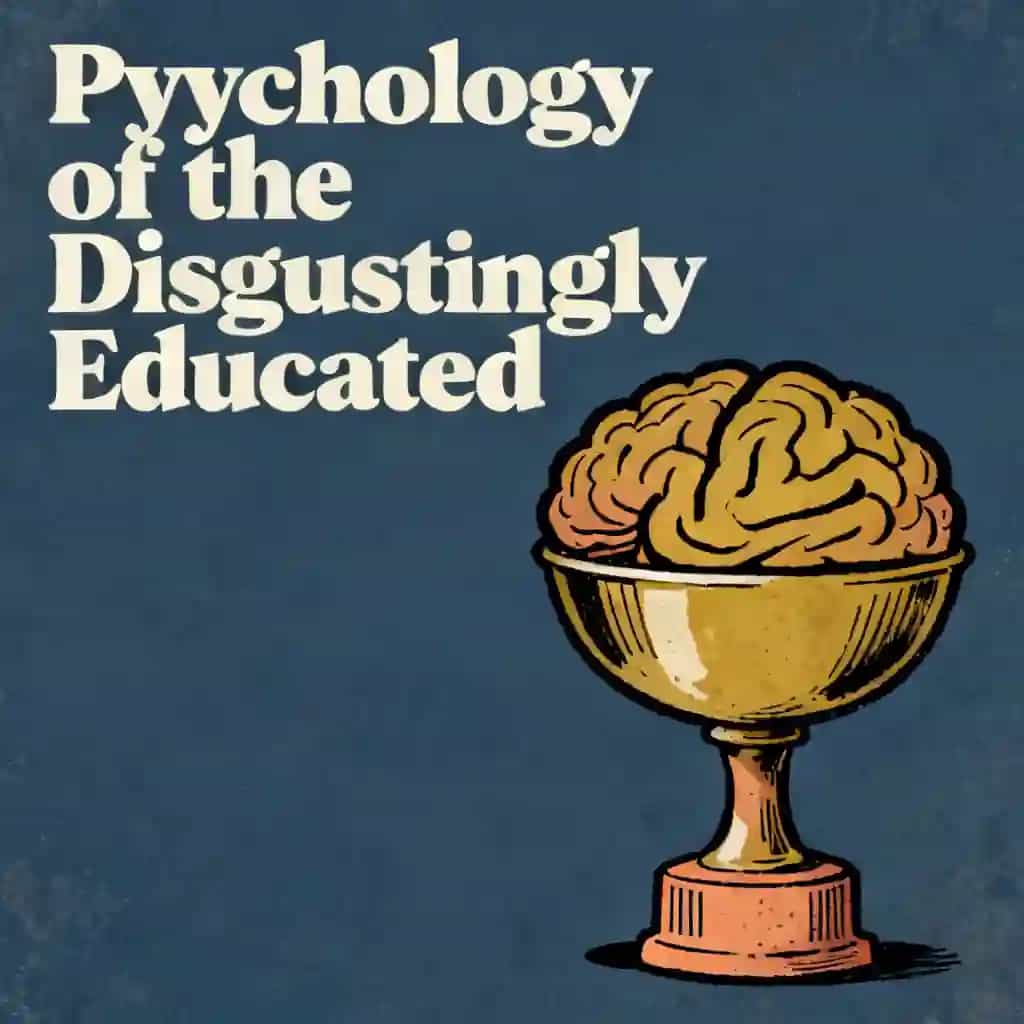
    Psychology and the Art of Being Disgustingly Educated
    Surface-level facts aren't enough to understand the world. Learn how to build a private curriculum to master cognitive science and human behavior.
    16 min
    Make Studying Addictive, Not Agonizing 책 표지
    Learn Like a ProMake It StickThe Only Study Guide You'll Ever NeedLearn Better
    21 sources
    Make Studying Addictive, Not Agonizing
    Discover evidence-based techniques to transform studying from a dreaded chore into an engaging activity by understanding how your brain responds to challenge and implementing strategies that hit the sweet spot of productive learning.
    12 min
    Four Levels of Academic Advantage 책 표지
    The Only Study Guide You'll Ever NeedBounce: Mozart, Federer, Picasso, Beckham, and the Science of SuccessHow to Become a Straight-A StudentThe Science of Rapid Skill Acquisition
    22 sources
    Four Levels of Academic Advantage
    Discover why being ahead of classmates isn't about cramming harder—it's about transforming how you think about learning itself through four strategic levels of academic advantage.
    29 min
    Become a Knowledge Powerhouse 책 표지
    PeakThe Great Mental ModelsLearn BetterThe Little Book of Talent
    15 sources
    Become a Knowledge Powerhouse
    Discover the science-backed strategies for expanding your knowledge base, from finding your learning sweet spot to building effective mental models that help information stick for the long term.
    15 min
    Unlock Better Grades and Lasting Happiness After Graduation 책 표지
    source 1source 2source 38 Effective Strategies to Excel in Your Exams
    6 sources
    Unlock Better Grades and Lasting Happiness After Graduation
    Discover the science-backed connection between academic success and future well-being. Learn brain-based study techniques, memory mastery methods, and happiness strategies that boost exam performance while building lifelong fulfillment skills.
    8 min
    Metacognition: The Art of Thinking About Learning 책 표지
    Metacognition for Students: Think Smarter, Learn Better — LEAI BlogLearning to Better Control My ImpulsivityQuestions to Prompt Metacognitive ProcessingChapter 14: Planning Your Learning | Metacognition | DataField.Dev
    6 sources
    Metacognition: The Art of Thinking About Learning
    Stop spinning your tires with endless study hours. Learn how planning and reflection can accelerate your progress by nearly a full academic year.
    1244 min

    Recommended Learning Plans

    The Architecture of a Cultivated Mind
    학습 계획

    The Architecture of a Cultivated Mind

    This plan is designed for lifelong learners and professionals seeking to deepen their intellectual foundations beyond surface-level information. It provides the essential tools for anyone looking to master critical thinking, classical literacy, and the rigorous discipline of self-directed study.

    1 h 30 m•3 섹션
    Mastering the Science of Learning
    학습 계획

    Mastering the Science of Learning

    This plan is essential for students, professionals, and lifelong learners who want to move beyond rote memorization toward true cognitive mastery. It leverages neuroplasticity and evidence-based strategies to transform how you absorb and apply information in any field.

    2 h 30 m•5 섹션
    Improve school performance
    학습 계획

    Improve school performance

    This learning plan is essential for students who feel overwhelmed by their workload or struggle to translate effort into high grades. It provides a comprehensive roadmap for anyone looking to transition from passive learning to strategic academic mastery through proven systems.

    5 h 3 m•4 섹션
    The Polymath's Guide to Universal Systems
    학습 계획

    The Polymath's Guide to Universal Systems

    In an era of hyper-specialization, the ability to connect disparate fields is a rare and vital competitive advantage. This plan is designed for lifelong learners and strategic thinkers who want to master the underlying systems that shape our world.

    2 h•4 섹션
    From Messy Notes to Test-Day Calm
    학습 계획

    From Messy Notes to Test-Day Calm

    Many students struggle with exam anxiety and inefficient study habits that lead to poor retention. This plan is designed for learners who want to replace frantic cramming with structured note-taking and science-based retrieval methods to ensure peak performance under pressure.

    1 h 30 m•3 섹션
    Rewire Your Mind for Mastery
    학습 계획

    Rewire Your Mind for Mastery

    This plan is designed for lifelong learners and professionals seeking a cognitive edge in a rapidly changing world. By combining neuroscience, metacognition, and social psychology, it provides a comprehensive toolkit for personal and professional evolution.

    1 h 30 m•3 섹션
    The Polymath's Blueprint for Deep Focus
    학습 계획

    The Polymath's Blueprint for Deep Focus

    This plan is designed for lifelong learners and professionals who need to master complex subjects in an era of constant interruption. It provides a strategic framework for anyone looking to bridge multiple disciplines by optimizing their neurological and organizational systems for elite performance.

    1 h 30 m•3 섹션
    The Unshakable High Schooler
    학습 계획

    The Unshakable High Schooler

    In the high-pressure environment of modern high schools, students often struggle with emotional volatility and social anxiety. This plan provides the psychological and rational tools necessary for teenagers to gain emotional mastery and social intelligence, making it essential for any student looking to excel both socially and academically.

    1 h 30 m•3 섹션