Psychology and the Art of Being Disgustingly Educated
Surface-level facts aren't enough to understand the world. Learn how to build a private curriculum to master cognitive science and human behavior.

Psychology and the Art of Being Disgustingly Educated 베스트 인용
Being 'disgustingly educated' is about building a knowledge architecture so dense that you move past surface-level opinions to actually understand the mechanics of the world.
Generated by Yamela
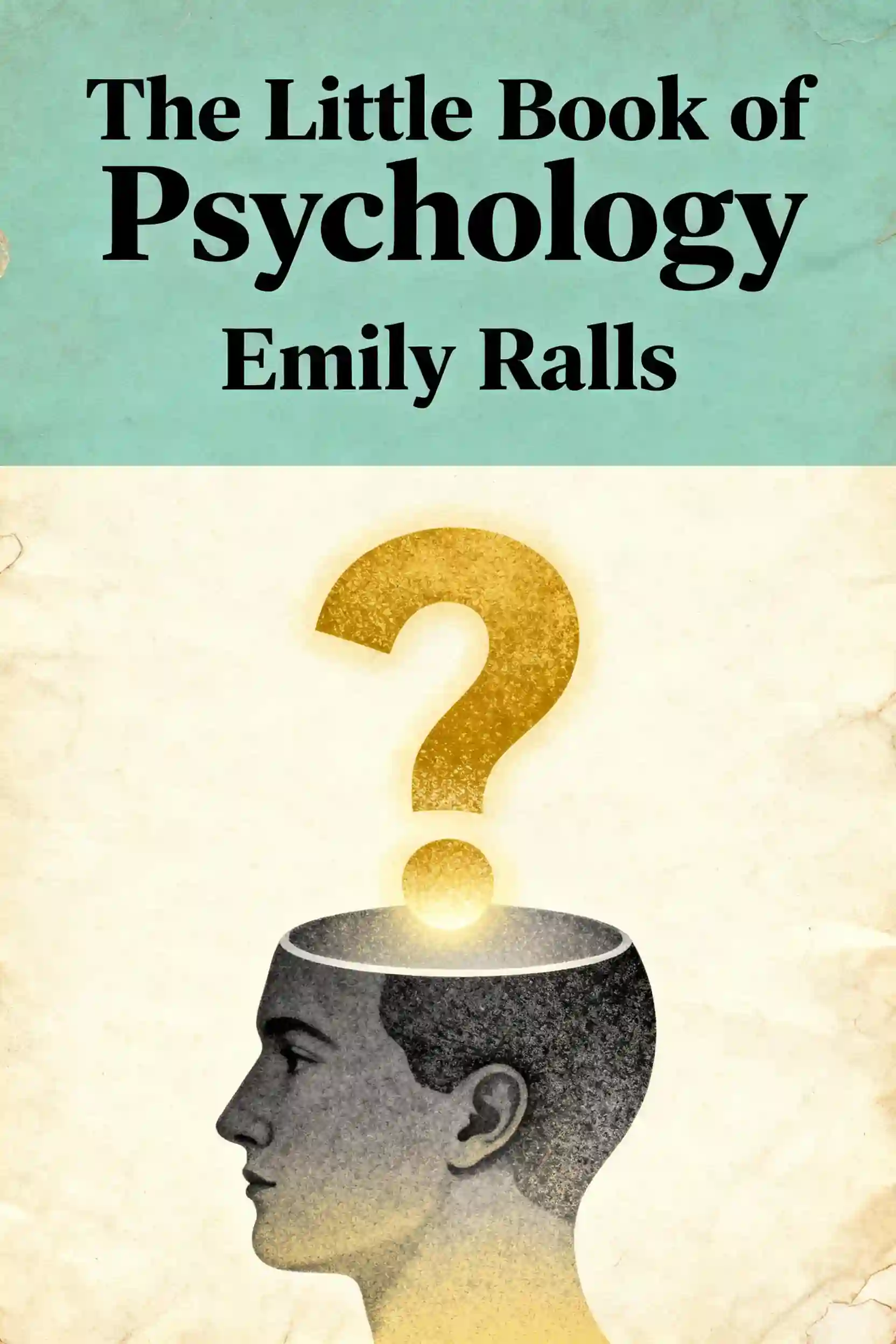
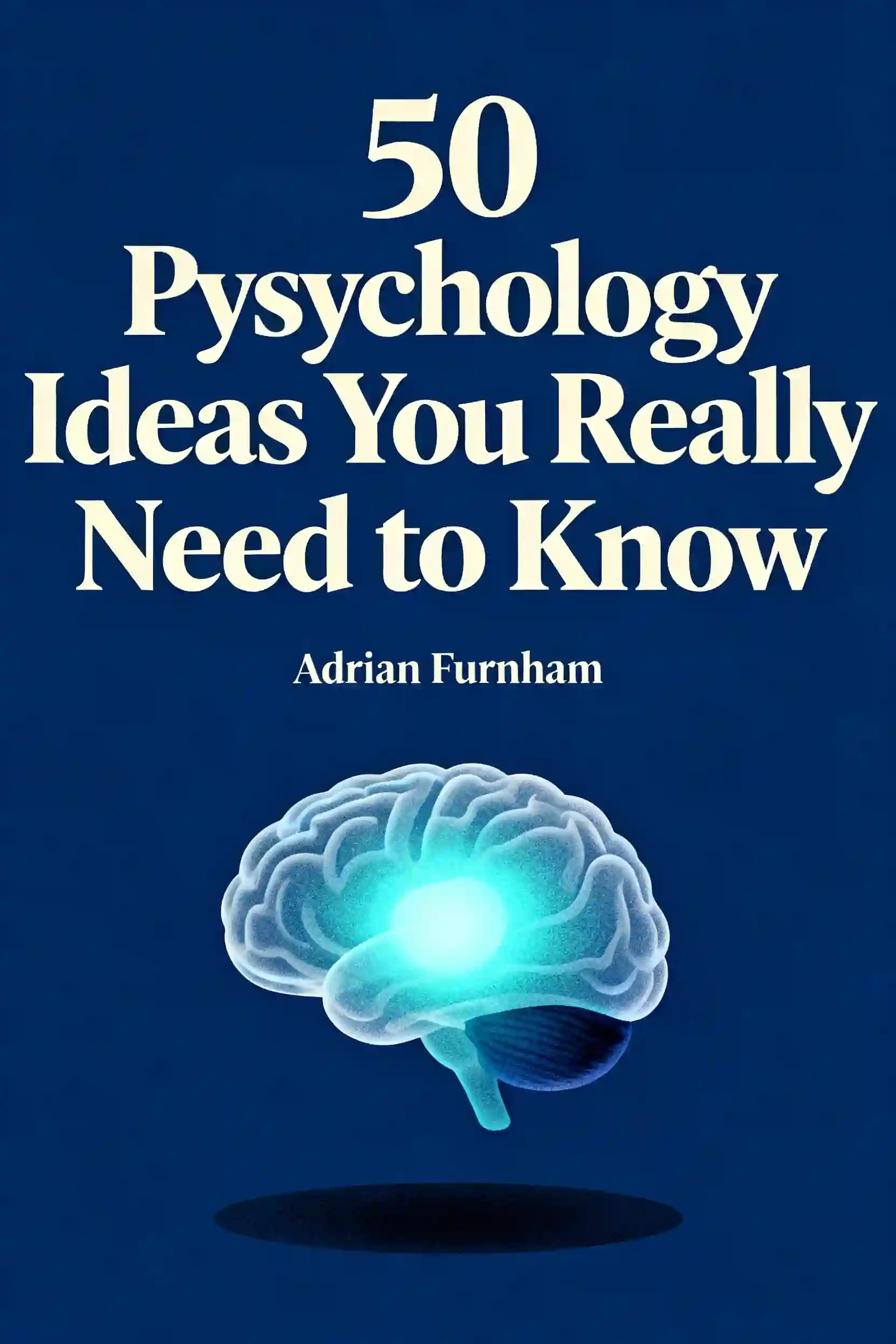
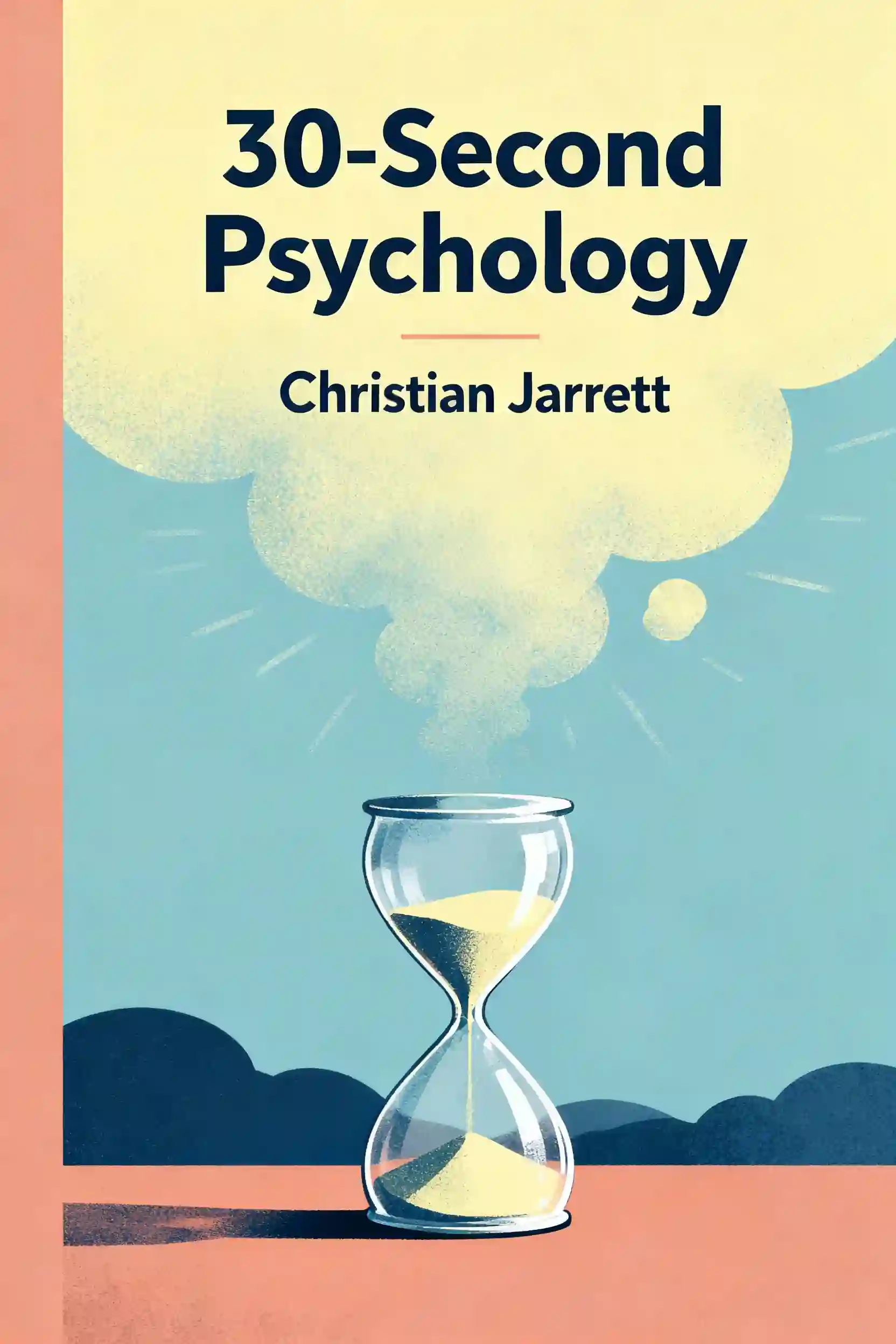
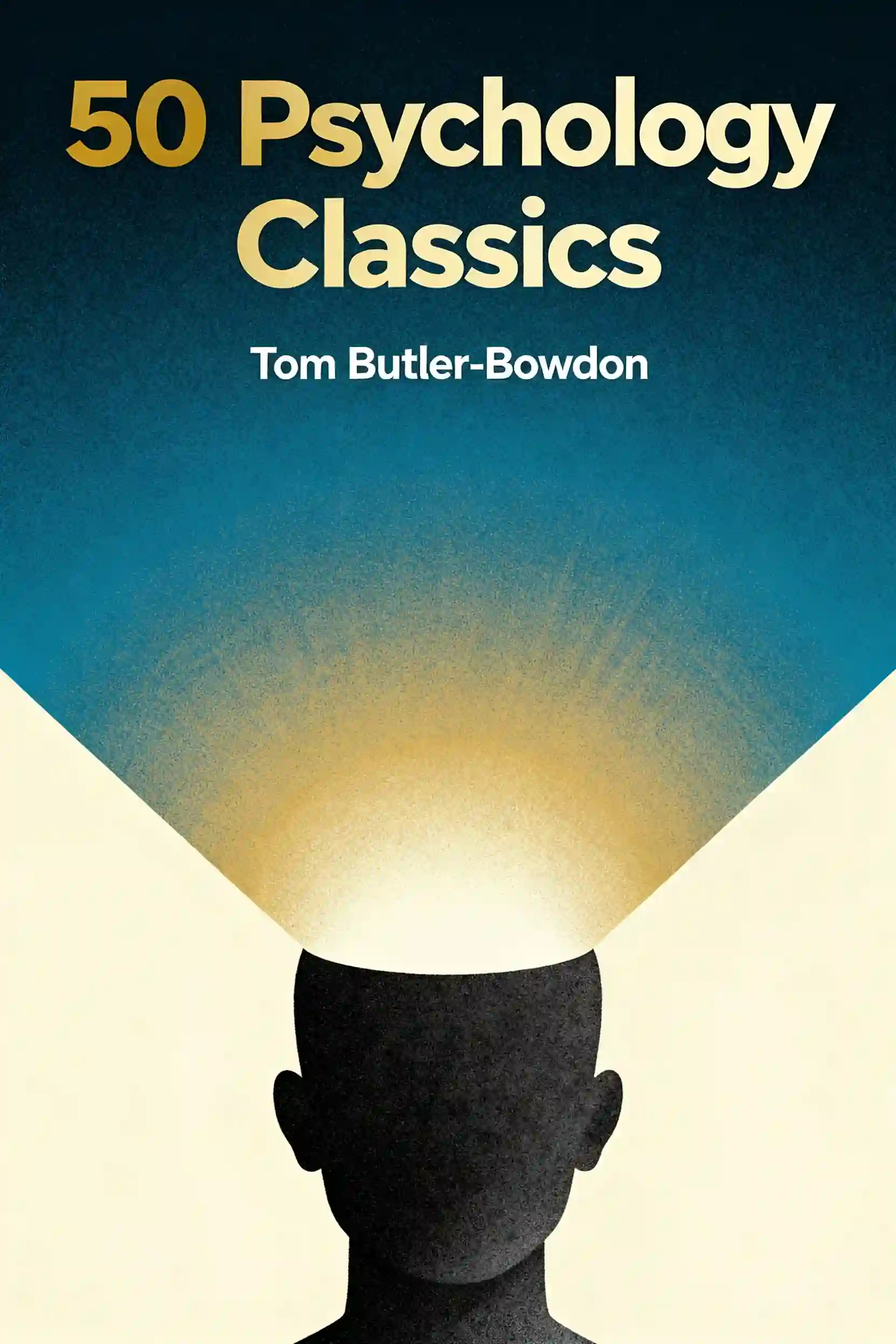
To be disgustingly educated in psychology

자주 묻는 질문
According to the script, the brain is not a passive camera recording the world, but an active "director" that generates top-down predictions about what will happen next. This process, known as predictive processing or active inference, evolved from simple biological loops designed to regulate body temperature and glucose. By anticipating sensory input rather than just reacting to it, the brain saves energy and only pays close attention when there is a "prediction error," such as a missing step when walking down the stairs.
The Cognitive Revolution was a historical shift in the 1950s that moved psychology away from Behaviorism, which only studied observable actions. Led by thinkers like Noam Chomsky and Ulric Neisser, researchers began using the metaphor of a computer to describe the mind as an information-processing system. This shift allowed scientists to study internal mechanics like working memory—the limited-capacity system that holds about seven items at once—and executive control, treating the mind as a legitimate object of scientific study.
Social biases are mental shortcuts that help maintain a positive self-image but often distort reality. The Fundamental Attribution Error occurs when we blame a person's internal personality for their mistakes while blaming external situations for our own. Similarly, Social Identity Theory explains how humans naturally divide the world into "us" versus "them" (ingroups and outgroups), often leading to instant favoritism or prejudice based on arbitrary distinctions.
The script explains that human development is a mix of innate biological stages and social sculpting. While Jean Piaget identified biological stages where children's "software" upgrades to understand complex concepts like conservation, Lev Vygotsky emphasized that learning is a social process occurring in the "Zone of Proximal Development." Additionally, Attachment Theory suggests that early emotional bonds with caregivers create a "secure base" that programs how an individual regulates emotions and handles relationships in adulthood.
You can apply this by labeling your mental processes during moments of stress or failure to remove the emotional sting. Instead of viewing a difficult moment as a "bad day," you can analyze it as a "data set" by asking if the issue is a failure of working memory, an overload of information "chunks," or a simple prediction error. This intellectual approach turns personal frustration into an objective observation of your brain's architecture.
샌프란시스코에서 컬럼비아 대학교 동문들이 만들었습니다
"Instead of endless scrolling, I just hit play on BeFreed. It saves me so much time."


"I never knew where to start with nonfiction—BeFreed’s book lists turned into podcasts gave me a clear path."


"Perfect balance between learning and entertainment. Finished ‘Thinking, Fast and Slow’ on my commute this week."
"Crazy how much I learned while walking the dog. BeFreed = small habits → big gains."
"Reading used to feel like a chore. Now it’s just part of my lifestyle."

"Feels effortless compared to reading. I’ve finished 6 books this month already."
"BeFreed turned my guilty doomscrolling into something that feels productive and inspiring."

"BeFreed turned my commute into learning time. 20-min podcasts are perfect for finishing books I never had time for."
"BeFreed replaced my podcast queue. Imagine Spotify for books — that’s it. 🙌"

"It is great for me to learn something from the book without reading it."
"The themed book list podcasts help me connect ideas across authors—like a guided audio journey."
"Makes me feel smarter every time before going to work"
 Ask ChatGPT
 Ask Claude
샌프란시스코에서 컬럼비아 대학교 동문들이 만들었습니다
"Instead of endless scrolling, I just hit play on BeFreed. It saves me so much time."
"I never knew where to start with nonfiction—BeFreed’s book lists turned into podcasts gave me a clear path."
"Perfect balance between learning and entertainment. Finished ‘Thinking, Fast and Slow’ on my commute this week."
"Crazy how much I learned while walking the dog. BeFreed = small habits → big gains."
"Reading used to feel like a chore. Now it’s just part of my lifestyle."
"Feels effortless compared to reading. I’ve finished 6 books this month already."
"BeFreed turned my guilty doomscrolling into something that feels productive and inspiring."
"BeFreed turned my commute into learning time. 20-min podcasts are perfect for finishing books I never had time for."
"BeFreed replaced my podcast queue. Imagine Spotify for books — that’s it. 🙌"
"It is great for me to learn something from the book without reading it."
"The themed book list podcasts help me connect ideas across authors—like a guided audio journey."
"Makes me feel smarter every time before going to work"
"Instead of endless scrolling, I just hit play on BeFreed. It saves me so much time."
"I never knew where to start with nonfiction—BeFreed’s book lists turned into podcasts gave me a clear path."
"Perfect balance between learning and entertainment. Finished ‘Thinking, Fast and Slow’ on my commute this week."
"Crazy how much I learned while walking the dog. BeFreed = small habits → big gains."
"Reading used to feel like a chore. Now it’s just part of my lifestyle."
"Feels effortless compared to reading. I’ve finished 6 books this month already."
"BeFreed turned my guilty doomscrolling into something that feels productive and inspiring."
"BeFreed turned my commute into learning time. 20-min podcasts are perfect for finishing books I never had time for."
"BeFreed replaced my podcast queue. Imagine Spotify for books — that’s it. 🙌"
"It is great for me to learn something from the book without reading it."
"The themed book list podcasts help me connect ideas across authors—like a guided audio journey."
"Makes me feel smarter every time before going to work"
"Instead of endless scrolling, I just hit play on BeFreed. It saves me so much time."
"I never knew where to start with nonfiction—BeFreed’s book lists turned into podcasts gave me a clear path."
"Perfect balance between learning and entertainment. Finished ‘Thinking, Fast and Slow’ on my commute this week."
"Crazy how much I learned while walking the dog. BeFreed = small habits → big gains."
"Reading used to feel like a chore. Now it’s just part of my lifestyle."
"Feels effortless compared to reading. I’ve finished 6 books this month already."
"BeFreed turned my guilty doomscrolling into something that feels productive and inspiring."
"BeFreed turned my commute into learning time. 20-min podcasts are perfect for finishing books I never had time for."
"BeFreed replaced my podcast queue. Imagine Spotify for books — that’s it. 🙌"
"It is great for me to learn something from the book without reading it."
"The themed book list podcasts help me connect ideas across authors—like a guided audio journey."
"Makes me feel smarter every time before going to work"