1장
The Digital Treadmill: Breaking Free from Email's Grip
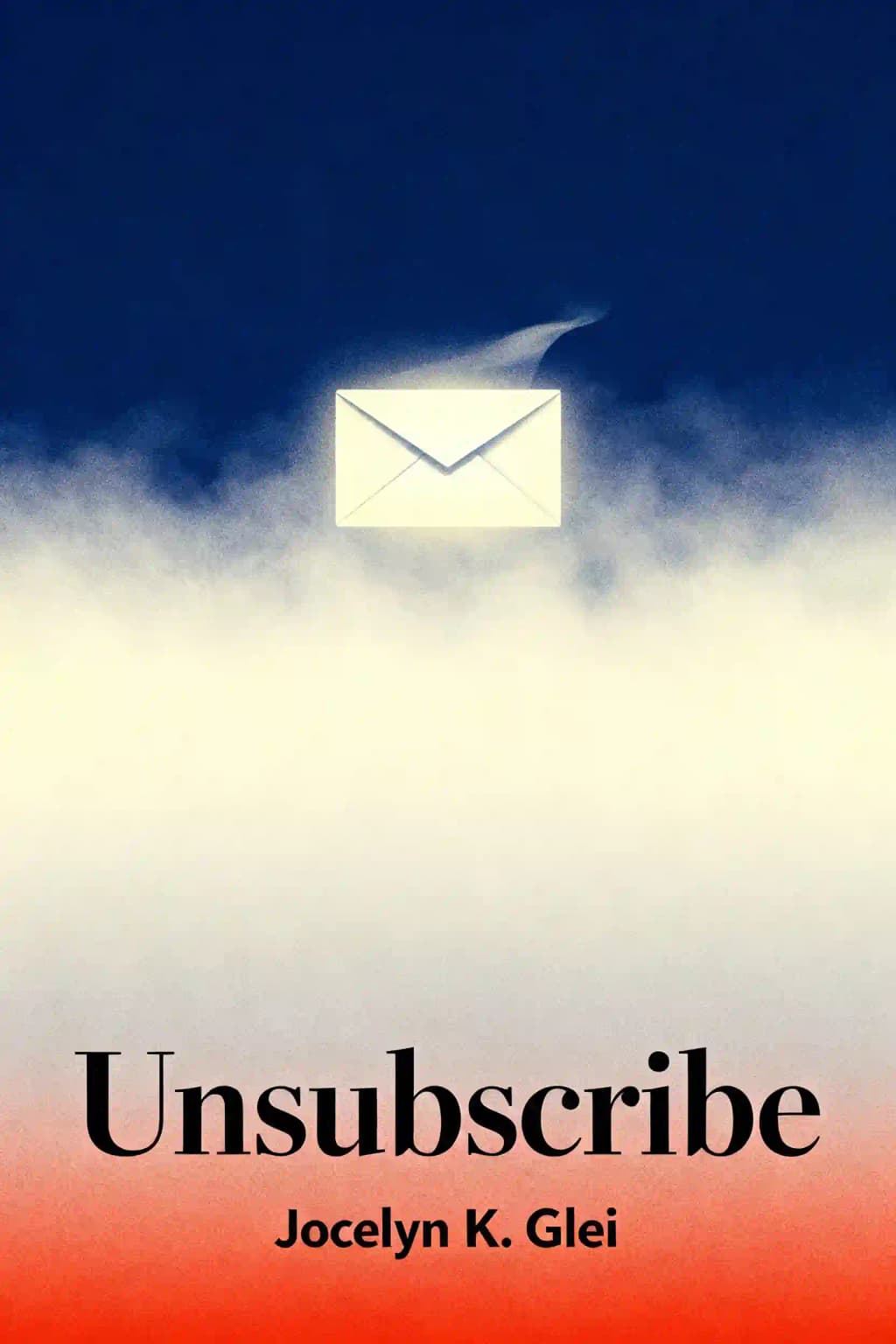
In a world where the average office worker checks email 74 times daily and spends 28% of their workday managing their inbox, Jocelyn K. Glei's "Unsubscribe" arrives as a digital life raft. This instant bestseller has been embraced by tech executives at Google and Apple who recognized its practical wisdom for reclaiming control of our attention. Featured in Tim Ferriss's recommended reading list and praised by productivity experts like Cal Newport, the book diagnoses our dysfunctional relationship with email and offers a prescription for recovery. What if your inbox wasn't a source of stress but simply a tool that served your deeper purposes? What if you could break free from the psychological traps that keep you chained to constant checking? Glei's approach isn't about abandoning email-it's about putting it in its proper place so you can focus on work that truly matters.
2장
The Psychology Behind Our Email Addiction
Our relationship with email is fundamentally irrational. We claim to hate it, yet we check it constantly, interrupting our most important work to see what new messages have arrived. This behavior stems from powerful psychological mechanisms that email exploits with remarkable efficiency.
Email operates like a slot machine for your brain. Most messages are disappointing or stressful, but occasionally you receive something exciting-an opportunity, praise, or a message from an old friend. This variable reward schedule is precisely what made B.F. Skinner's rats press levers compulsively in his famous experiments. The rats responded more vigorously to unpredictable rewards than to consistent ones, and humans are no different. Each time we check email, we're pulling the lever on a psychological slot machine, hoping for a dopamine hit from something good in our inbox.
Meanwhile, email gives us something our most meaningful work often lacks: visible progress. When we reduce our unread count from 232 to 50 messages, our brains register completion and release dopamine as a reward. Creative projects typically lack these clear progress markers-writing a book or designing a product involves weeks or months of work with few tangible milestones. This creates what Glei calls the "progress paradox": technology makes progress highly visible for trivial tasks while obscuring it for meaningful work.
Email also activates our innate sense of social obligation. The "rule of reciprocity"-our tendency to respond in kind to others' actions-evolved to help humans cooperate, but email weaponizes this instinct against us. When someone sends a message, we feel compelled to respond, even when the sender is a stranger who invested minimal effort. While physical mail has natural limitations, email allows unlimited people to contact you at virtually no cost to themselves, creating an imbalance between what you receive and what you can reasonably respond to.
To break free from these psychological traps, we must create countermeasures. Combat random rewards by starting each day with a clear to-do list established the previous afternoon, giving you direction before checking email. Make progress visible in your meaningful work by tracking daily output, breaking projects into weekly milestones, or keeping physical evidence of your progress. And visualize your inbox as a stack of physical mail to gain perspective on reciprocity's limits-you wouldn't expect to answer 200 physical letters daily, so why hold yourself to that standard with email?
3장
Reframing Email Communication for the Digital Age
Email fundamentally changes how we communicate, stripping away the social feedback loop we rely on in face-to-face interactions. Without real-time cues like facial expressions, vocal tone, body language, and immediate reactions, we can't adjust our delivery based on others' responses. This creates what psychologist Daniel Goleman calls a "negativity bias" in electronic communication-if senders feel positive about a message, receivers typically feel neutral; if senders feel neutral, receivers often perceive negativity. Even simple messages like "Let's discuss this" can be interpreted as ominous when lacking contextual cues.
This explains why seemingly innocuous messages sometimes offend recipients-they're not being oversensitive; email inherently downgrades positivity. Those supposedly unprofessional emoticons, exclamation points, and casual phrases serve an important purpose, providing shorthand for social cues that would be automatically conveyed in person. After years of managing remote teams, I've learned that getting things done matters more than adhering to outdated communication principles. A well-placed emoji or exclamation point can prevent misunderstandings and maintain relationship warmth that would naturally occur in face-to-face interactions.
Email also creates friction between different communication cultures, particularly in global organizations. Some people are "askers" who believe it's fine to request anything, understanding rejection is always possible and not taking it personally. Others are "guessers" who only ask when they're reasonably sure the answer will be yes, viewing direct requests as potentially burdensome. When askers email guessers, their straightforward requests can seem presumptuous or even aggressive, triggering resentment and defensive responses. Understanding this dynamic helps you shrug off annoying requests and decline without guilt, recognizing these differences as cultural rather than personal.
To overcome email's negativity bias, we must consciously upgrade our language's positivity and emotional clarity. Being explicit about emotional intent ("I'm excited about this project" or "I appreciate your quick response") and considerate of recipients' feelings leads to better outcomes. Though counterintuitive, showing empathy and encouragement actually makes you more efficient-clients and colleagues respond better to requests when they feel you're on their side. Simple phrases like "No rush on this" or "I know you're busy" can significantly improve response rates and collaboration quality.
When receiving seemingly imposing emails, try stepping into the asker's shoes and consider cultural contexts. Rather than assuming the sender expects agreement and resenting the unwanted obligation, assume they're following their cultural norms and think it's a long shot. This reframing makes it easier to consider opportunities with a relaxed attitude and gracefully decline inquiries that don't align with your priorities. Remember that email martyrdom only increases blood pressure, not productivity. Practical strategies like setting clear boundaries, using templates for common responses, and scheduling specific email check-in times can help maintain both productivity and peace of mind.
4장
Establishing Strategic Control Over Your Inbox
The physics of email is simple: the more you send, the more you receive. Every action sets expectations-respond within minutes consistently, and people will expect that speed always. The style, frequency, and rhythm of your messages directly impact what returns to you. Before diving into email management tactics, you need clarity on your bigger goals and relationships.
You can't escape email without knowing what you'd rather be doing instead. "Meaningful work" typically falls into three categories: mission-based work (your calling), project-based work (completing specific goals), and skills-based work (enhancing your capabilities). Your meaningful work will combine elements from these categories. Keep your list focused-perhaps two projects related to your mission and two skills you're developing that support those projects. Clarifying specific, measurable goals creates purpose in your workday, providing both an alternative to email's addictive pull and a yardstick for prioritizing messages.
Not all emails deserve equal attention. Create a mental hierarchy of contacts with VIPs at the top-people you depend on for love and livelihood like your boss, major clients, and your spouse. Their messages need same-day responses, ideally within hours. This list should include only 3-5 people. Key collaborators form the next tier-colleagues, smaller clients with active projects, and close advisers or family. They typically need responses within 1-3 days.
Email consumes as much or as little time as you allow it to-it's a matter of self-control. Start your day with 60-90 minutes of meaningful work rather than checking email, so you accomplish important tasks when your brainpower peaks. Become a "batcher" not a "reactor" by checking email only 2-3 times daily in scheduled 30-60 minute blocks that you treat like actual meetings. Research shows batchers are more productive and less stressed than those who constantly monitor their inbox.
Never leave email open in the background-it decreases performance even when minimized. Remember that each email check incurs a "switching cost" of about 25 minutes before regaining deep concentration, and willpower declines throughout the day, so schedule accordingly. Finally, communicate your email routine to colleagues, bosses and clients to set clear expectations.
5장
Creating Systems for Email Processing and Follow-Up
Not everything is urgent-this is the fundamental truth for taking control of your inbox. While people sending you messages invariably believe their needs are urgent, they don't understand your actual workload or competing priorities. The key is to prioritize against what you know you must accomplish rather than what others want from you. Without this boundary, you'll spend your days fielding others' requests without completing your own strategic work. Consider implementing time blocks specifically for email processing, such as 30-minute segments at 10am and 3pm, rather than constant reactive checking.
Email system optimization starts with eliminating default settings that sabotage focus. Disable notifications, remove preview panes, and batch process messages instead of handling them one by one. A robust folder structure transforms chaos into order - create folders for "Reply Required" (urgent responses), "Waiting For" (pending items from others), "Reference" (important info to keep), and "Archive" (completed items). This system provides clear action categories rather than an overwhelming single inbox. For maximum efficiency, implement rules to automatically sort incoming messages into appropriate folders.
Choose your communication medium wisely - email excels at documentation and simple requests but fails miserably for sensitive discussions, creative collaboration, or complex planning. Before responding, cross-reference senders against your "people who matter" list - these key relationships deserve priority attention. Practice email triage by handling quick responses first (2-minute rule), sending brief acknowledgments for items requiring more time ("Got this, will review by Thursday"), and closing conversations decisively rather than letting them drag on indefinitely.
Following up is an art that directly impacts your ability to get things done. Rather than viewing follow-ups as pushy, recognize them as demonstrating commitment and accountability. Time your follow-ups strategically - Tuesday through Thursday are optimal, while Monday mornings and Friday afternoons typically yield poor response rates. When following up, include these elements: a clear subject line referencing the original thread, a concise recap of the previous message, any new relevant information or deadline changes, and a specific call to action. Maintain a courteous tone while being direct about what you need.
As your visibility increases, managing unsolicited emails becomes crucial. Develop a systematic approach for evaluating incoming requests: Does this align with your current priorities and goals? Is the sender asking for something specific and actionable, or sending a generic pitch? Have they demonstrated respect for your time by doing basic research? Create template responses for common scenarios (speaking requests, partnership proposals, etc.) to maintain consistency while preserving your time. Remember that saying "no" preserves your ability to say "yes" to truly meaningful opportunities.
Track pending items systematically using tools like a dedicated follow-up folder, calendar reminders, or task management software. Regular review of these tracking systems ensures nothing falls through the cracks. Consider implementing a "three-strikes" rule - after three follow-up attempts without response, either escalate through another channel or close the loop yourself with a final message.
6장
Crafting Messages That Get Results
Writing an email today is like yelling at someone across a noisy traffic intersection while they're rushing to an appointment. Everyone exists in a state of continuous partial attention, shifting between multiple forms of communication - from Slack messages to texts, social media notifications to video calls. Most emails get their first viewing on mobile phones, where recipients quickly skim their inboxes, responding to urgent items and flagging others for later. Studies show the average professional receives over 120 emails daily, making attention an increasingly precious commodity.
Though we typically write emails alone, every message is a conversation requiring politeness, sensitivity, and kindness. Before composing, consider your audience: Are you writing to your boss? An important stranger? An upset customer? A burned-out coworker? Each scenario demands different strategies and tones. Writing to a CEO requires brevity and business focus, while messaging a stressed colleague might need empathy and support. Rather than focusing on what you need, put yourself in their shoes: How busy are they? What information do they need? What would put them at ease? What time zone are they in? What cultural considerations might apply?
Everyone has an internal efficiency guru that evaluates each email within the larger context of competing priorities. This "busy bias" affects how much attention people give any interaction. When everyone is busy, getting attention means respecting their time through clear, concise, actionable communication. Research shows that emails longer than 200 words significantly decrease response rates.
Lead with your ask within the first sentence or two - ideally within the first 50 words. Establish your credibility early by explaining why the recipient should care-share relevant data points, mention awards, or demonstrate your knowledge of their work. For example, "I noticed your recent presentation on AI ethics" or "Your team's project increased sales by 40% last quarter." Make the way forward clear by specifying exactly what you want (a 15-minute call, approval by Friday, feedback on three specific points). Don't just ask questions; propose solutions that make it easy for the recipient to say yes, such as offering multiple meeting times or providing draft language for approvals.
Make your emails scannable using bullets, numbers, and bold text to emphasize key points. Break long paragraphs into shorter ones - aim for 3-4 lines maximum. Include clear deadlines to help recipients prioritize your request-busy people actually appreciate knowing when things need to be done. Instead of vague timeframes like "soon" or "when possible," specify "by Thursday at 3 PM EST" or "within the next 48 hours." Including a deadline anchors your request in space and time, making it more likely to get noticed and completed. Write subject lines like headlines that are clear and provocative to ensure your email gets opened - for example, "Decision needed: Q4 budget proposal (due Friday)" rather than just "Budget."
Consider mobile formatting - use short paragraphs, clear spacing, and minimal attachments. End with a clear call to action, summarizing next steps and timeframes. When appropriate, include a signature with your contact details and role, making it easy for recipients to reach you through their preferred channel.
7장
The Human Touch in Digital Communication
Every email battles two biases: the "busy bias" and the "negativity bias" (where recipients view messages more negatively than intended). Since email typically involves asking people to do things, your phrasing matters tremendously.
Avoid using the imperative voice ("do this") and instead use the conditional ("Could you?"). This subtle shift respects the recipient's agency. Always emphasize benefits-what's in it for them? Frame requests in terms of quality improvement, progress toward completion, or personal gratitude.
Provide context and communicate progress to tap into people's desire for completion. Even if you're not near the end of a project, frame requests as completing milestones. Acknowledge their workload with phrases like "I know you have a hectic schedule" to show empathy and respect for their time.
Make communications personal by explaining why you've chosen them specifically. Don't play it cool-earnestness and enthusiasm work better in email, where negativity bias diminishes your tone. Use exclamation points and positive language to supply missing social cues. Remember that terseness is earned with power and position-it's not advisable for most people. Always express gratitude, as research shows people are more likely to help you and others in the future when you say thank you.
The lowest level of email etiquette is avoiding basic mistakes. Details matter-misspelled names or grammatical errors appear inattentive and unprofessional, making it easy for people to dismiss you. More serious errors like accidentally forwarding messages or writing when angry can truly damage relationships.
Before sending any email, consider whether email is even the appropriate medium. While excellent for scheduling, brief updates, and reaching out to strangers, email is terrible for debating priorities, delivering feedback, discussing complex details, or making multi-person decisions.
Always ask people to "opt-in" before making introductions. This ensures you don't burden someone with unwanted inquiries or inadvertently damage relationships. Type recipient email addresses only after completing your draft to prevent accidental early sends. Never email when you're angry, hungry, or tired as you'll likely regret it. Above all, be as nice as possible-not just for karma, but because kindness ultimately saves time by preventing damage control situations.
8장
Email as a Practice Ground for Digital Focus
Email represents the perfect test case for how we handle technology in our lives. As the saying goes, "Tools make excellent servants, but very poor masters." After 25+ years, email continues challenging us as its accessibility expands from desktops to phones to watches, with the average professional now receiving 120+ emails daily. This constant barrage of messages creates a perpetual state of divided attention, with studies showing that it takes an average of 23 minutes to fully regain focus after an email interruption.
Email isn't unique in this regard-smartphones, texting, and social media have similarly transformed modern life, with the average person now spending 1.72 hours daily on social media and 6+ hours online. Each new technology acts as a "pop quiz" for our priorities, creating a constant state of choice anxiety about where to direct our attention. Research shows that the mere presence of a smartphone reduces cognitive capacity by up to 10%, even when it's turned off, highlighting how deeply these tools affect our mental processes.
The psychological principles that make email addictive apply equally to other technologies. Social media, text messaging, and chat programs all function as random reward systems that stimulate our "rat brains" with unpredictable streams of information. This variable reward schedule, similar to slot machines, creates powerful dopamine loops that keep us checking our devices compulsively. The negativity bias affects all electronic communication, requiring greater empathy and clarity in our digital interactions to overcome misunderstandings. Studies show that recipients interpret neutral emails as negative 50% of the time.
Digital communication has removed the physical limitations that once constrained information flow, creating an unlimited stream of potential inputs that can consume all available time and attention. In the past, physical mail delivery created natural boundaries; now, the average worker checks email 74 times daily. Success now belongs to those who can maintain focus despite these distractions. Meanwhile, as written communication increasingly replaces face-to-face interaction, writing well has become essential for commanding attention in a distracted world. Clear, concise writing has become a crucial professional skill, with poorly written emails costing businesses an estimated $400 billion annually in lost productivity.
Email mastery isn't just about productivity-it's about protecting our capacity for meaningful work. "Distraction is the enemy of creativity," and no technology can "alter the rhythms of creative labor." Research shows that deep work requires 15-30 minutes of sustained focus to achieve flow state, making email management crucial for creative professionals. By learning to manage email effectively, we develop the broader ability to focus the "ultimate technology"-the human mind-on tasks that truly matter. This makes email management the perfect practice ground for the existential challenge of the Internet Age: overcoming distraction and maintaining agency in an increasingly connected world.
9장
Practical Scripts for Professional Communication
The true test of email mastery comes in applying principles to everyday situations. For outreach to people you admire, treat your email as an audition for their attention. Briefly introduce yourself, establish credibility, and show knowledge of their work. If they're at a similar professional level, suggest coffee; if they're much more accomplished, request a brief phone call instead. Always be gracious and acknowledge their valuable time.
When reconnecting with dormant contacts, do your homework about their recent activities and be genuinely human-kind, curious, and generous. Share updates about yourself, ask about their life, and offer something valuable like an interesting article. Avoid only reaching out when you need something, as this appears transactional and can damage relationships.
Cutting through inbox noise requires pitch emails that are clear, compelling, and fluff-free. Effective pitches establish the ask in the first paragraph, demonstrate the sender's credibility, show awareness of the recipient's work, and clarify next steps. Whether pitching an artist to contribute to a charity book or approaching a brand for event sponsorship, focus on emphasizing benefits for the recipient rather than yourself.
Don't delay money discussions-address fees upfront to show respect for the recipient's time. When negotiating with others: mention fees early to set expectations; propose fair rates rather than lowballing; clarify why a fee is low if necessary; and always attach specific numbers rather than using relative terms like "small" or "large." Successful fee negotiations rely on honesty, clarity and fairness rather than aggression or trickery.
When delivering criticism via email, begin with kindness and appreciation before offering constructive feedback. Focus on the work rather than personal qualities, and be specific about what needs improvement rather than simply saying something "sucks." Frame suggestions as questions to preserve the recipient's agency, and use the word "yet" to indicate progress rather than finality.
When dealing with angry customers, maintain a cool head and respond promptly-most people only behave poorly when they think they're shouting into the void. Start by empathizing with their frustration, briefly explain the situation without over-apologizing, and focus primarily on how you'll remedy the problem. Don't engage in arguments or provide excessive explanations that could invite further debate.
The perfect complement to asking is expressing gratitude. A well-crafted thank you email acknowledges someone's help, makes them feel appreciated, and increases the likelihood they'll assist again in the future. Keep thank you emails specific about how they helped you, what impact it had, and express genuine appreciation. Whether thanking someone for feedback that improved your work, acknowledging technical expertise that boosted your business metrics, or recognizing advice that changed your career trajectory-people love knowing their actions made a difference.