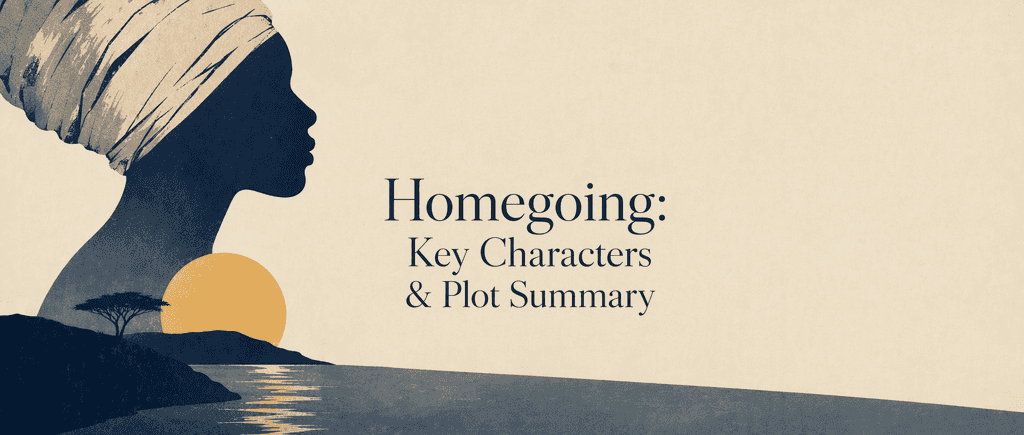
In "Things Fall Apart," Achebe masterfully portrays the tragic collision of Igbo tradition with European colonialism. Translated into 50+ languages and beloved by Nelson Mandela, this groundbreaking novel sparked Nigeria's literary renaissance while challenging Western narratives. What cultural price do we pay for progress?
Chinua Achebe (1930–2013), born Albert Chinụalụmọgụ Achebe, is the groundbreaking Nigerian novelist behind Things Fall Apart, widely hailed as the "father of modern African literature."
This seminal novel, part of his African Trilogy alongside No Longer at Ease and Arrow of God, explores colonialism, Igbo traditions, and cultural identity through prose deeply rooted in oral storytelling.
Achebe’s academic career—including roles as Professor of African Studies at Brown University and Nigeria’s first Director of External Broadcasting—shaped his critique of Western narratives about Africa.
His later works, like Anthills of the Savannah and A Man of the People, cemented his reputation for exposing political corruption and postcolonial struggles. Honored with the 2007 Man Booker International Prize, Achebe’s writing has been translated into over 60 languages, with Things Fall Apart alone selling more than 20 million copies worldwide. Nelson Mandela once credited Achebe’s work with making “the prison walls fall down.”
Things Fall Apart chronicles the life of Okonkwo, a respected Igbo leader in pre-colonial Nigeria, as he navigates personal ambitions, cultural traditions, and the destabilizing arrival of British colonialism. The novel explores themes of power, masculinity, and cultural collision, culminating in the erosion of Igbo society under colonial rule.
This book is essential for readers interested in postcolonial literature, African history, or themes of cultural identity and societal change. Students, historians, and those exploring the impacts of colonialism on indigenous communities will find it particularly impactful.
Key themes include colonialism’s destructive legacy, tradition vs. change, masculinity and power, and fear of failure. Okonkwo’s obsession with strength clashes with colonial impositions, while younger characters embrace new beliefs, highlighting generational divides.
Okonkwo’s terror of resembling his “weak” father drives his ruthless ambition and rigid adherence to tradition. This fear fuels his violent decisions, isolates him from his family, and ultimately leads to his downfall, symbolizing the fragility of toxic masculinity.
Colonialism disrupts Igbo social structures through Christian missionaries and administrative control. While some villagers adopt new customs for empowerment, Okonkwo’s resistance underscores the tragic erasure of indigenous practices and the inevitability of cultural transformation.
The novel contrasts Igbo gender norms—celebrating male warriors and female storytellers—with colonial patriarchal values. Okonkwo’s disdain for “feminine” traits like empathy reflects the societal pressure to conform to rigid masculinity, a theme critiqued throughout the narrative.
Achebe’s unflinching portrayal of pre-colonial African society and colonialism’s moral complexities revolutionized global literature. Its exploration of identity, power dynamics, and cultural erosion remains academically and socially relevant.
The title, borrowed from W.B. Yeats’ poem, foreshadows societal collapse. It reflects the disintegration of Igbo traditions under colonial influence and Okonkwo’s personal unraveling due to his inability to adapt.
Nwoye rejects his father’s rigid ideals, embracing Christianity for its emotional and intellectual freedom. His transformation symbolizes the younger generation’s break from oppressive traditions, highlighting the novel’s generational conflict theme.
Some critics argue the novel oversimplifies colonial impacts or reinforces gender stereotypes. Others praise its nuanced depiction of Igbo culture but note Okonkwo’s extremism risks overshadowing systemic colonial violence.
Power dynamics shift from Okonkwo’s physical dominance to colonial ideological control. The Igbo’s decentralized leadership contrasts with British authoritarianism, illustrating how power imbalances accelerate cultural erasure.
The novel’s examination of cultural resilience, identity crises, and systemic oppression resonates in discussions about globalization, decolonization, and mental health. Its critique of toxic masculinity remains urgently contemporary.
저자의 목소리로 책을 느껴보세요
지식을 흥미롭고 예시가 풍부한 인사이트로 전환
핵심 아이디어를 빠르게 캡처하여 신속하게 학습
재미있고 매력적인 방식으로 책을 즐기세요
He had no patience with unsuccessful men. He had had no father.
Among the Igbo the art of conversation is regarded very highly, and proverbs are the palm-oil with which words are eaten.
When the moon is shining the cripple becomes hungry for a walk.
Age was respected among his people, but achievement was revered. As the elders said, if a child washed his hands he could eat with kings.
The white man is very clever. He came quietly and peaceably with his religion. We were amused at his foolishness and allowed him to stay. Now he has won our brothers, and our clan can no longer act like one.
Things Fall Apart의 핵심 아이디어를 이해하기 쉬운 포인트로 분해하여 혁신적인 팀이 어떻게 창조하고, 협력하고, 성장하는지 이해합니다.
Things Fall Apart을 빠른 기억 단서로 압축하여 솔직함, 팀워크, 창의적 회복력의 핵심 원칙을 강조합니다.

생생한 스토리텔링을 통해 Things Fall Apart을 경험하고, 혁신 교훈을 기억에 남고 적용할 수 있는 순간으로 바꿉니다.
무엇이든 물어보고, 목소리를 선택하고, 진정으로 공감되는 인사이트를 함께 만들어보세요.

샌프란시스코에서 컬럼비아 대학교 동문들이 만들었습니다
"Instead of endless scrolling, I just hit play on BeFreed. It saves me so much time."
"I never knew where to start with nonfiction—BeFreed’s book lists turned into podcasts gave me a clear path."
"Perfect balance between learning and entertainment. Finished ‘Thinking, Fast and Slow’ on my commute this week."
"Crazy how much I learned while walking the dog. BeFreed = small habits → big gains."
"Reading used to feel like a chore. Now it’s just part of my lifestyle."
"Feels effortless compared to reading. I’ve finished 6 books this month already."
"BeFreed turned my guilty doomscrolling into something that feels productive and inspiring."
"BeFreed turned my commute into learning time. 20-min podcasts are perfect for finishing books I never had time for."
"BeFreed replaced my podcast queue. Imagine Spotify for books — that’s it. 🙌"
"It is great for me to learn something from the book without reading it."
"The themed book list podcasts help me connect ideas across authors—like a guided audio journey."
"Makes me feel smarter every time before going to work"
샌프란시스코에서 컬럼비아 대학교 동문들이 만들었습니다

Things Fall Apart 요약을 무료 PDF 또는 EPUB으로 받으세요. 인쇄하거나 오프라인에서 언제든 읽을 수 있습니다.
In the Igbo village of Umuofia, reputation is everything. Okonkwo understands this truth better than anyone. Having risen from poverty to become one of the clan's most respected leaders, his life represents a deliberate rejection of his father's legacy. Unoka, a gentle man who preferred music to hard work, died in debt and shame-the ultimate disgrace in Igbo society. This shadow haunts Okonkwo, driving him to embody opposite qualities: strength, determination, and unyielding resolve. By his forties, Okonkwo has accumulated impressive wealth: three wives, eight children, two barns full of yams (the symbol of masculine success), and important titles in the clan. Yet beneath his impressive exterior lies a man consumed by fear-not of physical danger, but of failure and weakness. This fear manifests as rage, leading him to beat his wives for minor infractions and show little affection to his children. What makes Umuofia remarkable is its flexibility despite its traditions. Men can rise through hard work rather than inheritance. The clan's decisions emerge through collective discussion rather than autocratic rule. Even religious matters involve negotiation between human needs and spiritual requirements. This nuanced society challenges colonial depictions of African cultures as primitive. Instead, we see a sophisticated world with its own internal logic, moral complexities, and mechanisms for managing change-a complete universe before external forces began to tear it apart.