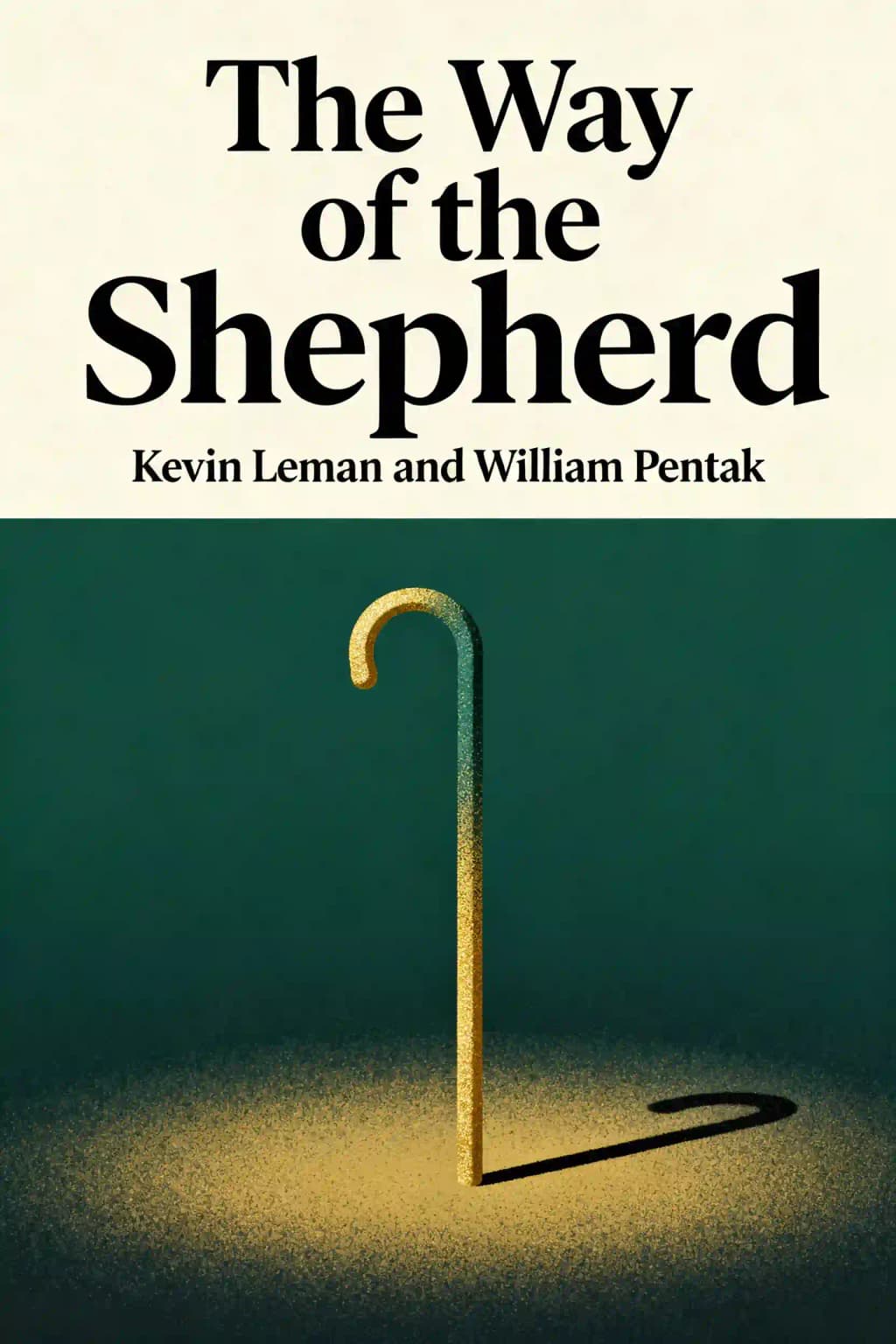
The Way of the Shepherd
7 Ancient Secrets to Managing Productive People
The Way of the Shepherd 개요
"The Way of the Shepherd" transforms ancient shepherding wisdom into powerful leadership principles. This narrative-driven guide has become a cornerstone text for business leaders seeking loyal, high-performing teams. What ancient practice do today's most effective CEOs secretly follow to inspire unbreakable team loyalty?
The Way of the Shepherd의 핵심 주제
- servant leadership
- mentorship and potential
- biblical management principles
- overcoming limiting beliefs
- character development
The Way of the Shepherd의 명언
Sometimes the harshest judgments provide the strongest motivation to prove others wrong.
God leaves His fingerprints throughout creation.
True transformation happens when knowledge of God moves from head to heart.
The question isn't whether these moments appear, but whether we recognize and embrace them.
God exists outside time - no beginning, no end - yet knows us intimately.
The Way of the Shepherd의 등장인물
- Kevin LemanProtagonist and author whose life is transformed
- Mrs. NordstromTeacher who saw potential in Leman's energy
- SandeNurse and Leman's wife who believed in him
- ThomasDisciple who required evidence to believe
저자 소개
The Way of the Shepherd의 저자 소개
Kevin Leman and William Pentak, bestselling authors and leadership experts, co-wrote The Way of the Shepherd: 7 Ancient Secrets to Managing Productive People, blending timeless management principles with relatable storytelling. Leman, a renowned psychologist and author of over 50 books on relationships and leadership, integrates behavioral insights into practical strategies for fostering workplace productivity.
Pentak, a seasoned writer and collaborator, complements this approach with narrative-driven frameworks rooted in ethical leadership. Their book, positioned at the intersection of Christian Life and professional development, reimagines ancient shepherding wisdom for modern corporate challenges.
The duo’s collaborative work emphasizes trust, mentorship, and purpose-driven leadership, reflecting Leman’s academic background in psychology and Pentak’s knack for transformative narratives. Translated into multiple languages, The Way of the Shepherd remains a staple in leadership training programs worldwide, praised for its actionable advice and enduring relevance since its 2004 release.
The Way of the Shepherd 요약 다운로드
The Way of the Shepherd 요약을 무료 PDF 또는 EPUB으로 받으세요. 인쇄하거나 오프라인에서 언제든 읽을 수 있습니다.
이 책에 대한 FAQ
The Way of the Shepherd outlines seven ancient leadership principles rooted in shepherding metaphors, teaching managers to prioritize their team’s well-being, strengths, and growth. Key ideas include knowing your team’s individual needs (Discover the SHAPE of Your Sheep), fostering trust through vulnerability, and guiding with compassionate correction. The book blends storytelling with actionable strategies for building loyal, high-performing teams.
This book is ideal for managers, team leaders, and HR professionals seeking to improve employee engagement and leadership effectiveness. It’s particularly valuable for those in mentorship roles or organizations prioritizing servant leadership models. The principles apply to both corporate and nonprofit settings, offering timeless advice for anyone responsible for guiding others.
Yes, The Way of the Shepherd is praised for its practical, story-driven approach to leadership. It provides actionable frameworks like the SHAPE model (Strengths, Heart, Attitude, Personality, Experience) and emphasizes empathy over authoritarian tactics. Over 20 years since publication, its focus on personalized team management remains relevant for modern workplaces.
The seven principles are:
- Know the Condition of Your Flock
- Discover the SHAPE of Your Sheep
- Help Your Sheep Identify with You
- Make Your Pasture a Safe Place
- The Staff of Direction
- The Rod of Correction
- The Heart of the Shepherd
Each principle ties ancient shepherding practices to modern leadership, emphasizing accountability, adaptability, and emotional intelligence.
The book advises using The Rod of Correction—addressing issues through instruction rather than punishment. Leaders should protect their team from external threats, clarify boundaries, and redirect wayward members with patience. This approach builds trust while maintaining accountability, contrasting with punitive or passive management styles.
This framework helps leaders align roles with employees’ innate traits:
- Strengths: Skills for tasks
- Heart: Passion for work
- Attitude: Positivity
- Personality: Natural strengths
- Experience: Life background
By understanding these factors, managers boost engagement and productivity.
Key strategies include:
- Regularly communicating updates (Keep them well informed)
- Addressing conflicts swiftly
- Rotating responsibilities to avoid burnout
- Recognizing each role’s importance
- Removing toxic influences
This fosters psychological safety, reducing turnover and fostering innovation.
“Your people are your greatest competitive advantage.” This emphasizes prioritizing employee development over short-term tasks. The book argues that mediocre leaders focus on work, while great leaders invest in their team’s growth.
While Atomic Habits focuses on individual behavior change, The Way of the Shepherd targets leadership-driven cultural shifts. Both emphasize small, consistent actions, but Leman’s work adds a relational layer—urging leaders to model values and mentor teams actively.
Some note its metaphor-heavy style may oversimplify complex workplace dynamics. Critics suggest it lacks data-driven support, relying on anecdotal evidence. However, its practicality and ease of application counteract these limitations for most readers.
With rising remote work and AI integration, the book’s emphasis on personalized leadership and emotional intelligence addresses modern challenges like burnout and disconnection. Its principles help managers maintain cohesion in hybrid teams and navigate rapid organizational changes.
Yes, the book’s core narrative follows a CEO who transformed his company using these methods, reducing turnover by 43% and tripling profits. Case studies in healthcare and education also show improved team morale and efficiency when applying the SHAPE model and Staff of Direction.
For deeper dives into servant leadership, pair with:
- Leaders Eat Last by Simon Sinek
- Dare to Lead by Brené Brown
- The One Minute Manager by Ken Blanchard
These expand on empathy-driven management and actionable coaching techniques.