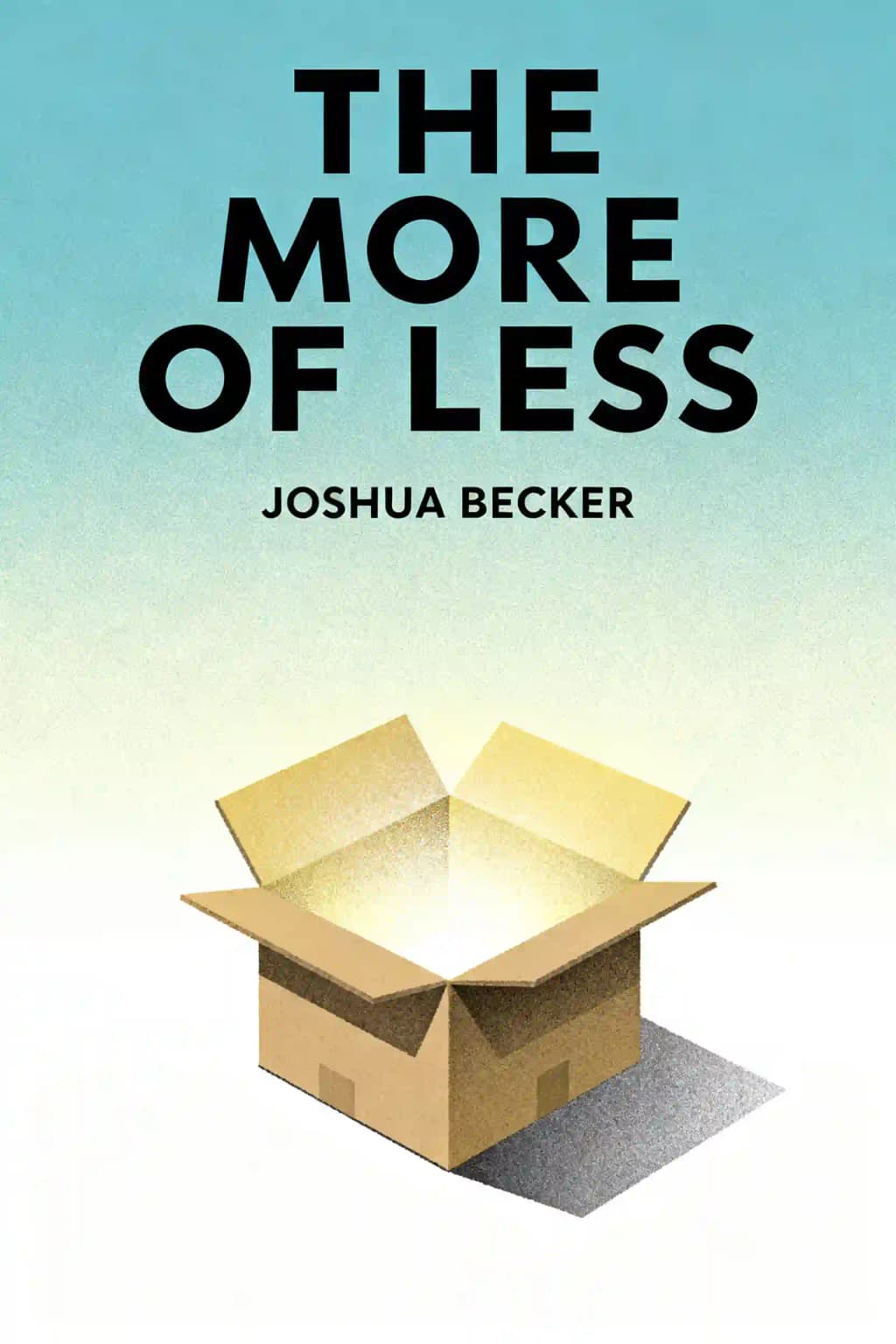
The More of Less
Finding the Life You Want Under Everything You Own
The More of Less 개요
Discover why Joshua Becker's "The More of Less" sparked a minimalism revolution, inspiring thousands to discard 60% of their possessions. Can owning fewer things really create more freedom, money, and happiness? This counterintuitive bestseller proves less truly becomes more.

The More of Less의 핵심 주제
- intentional living
- materialistic detachment
- consumer culture critique
- clutter reduction
- lifestyle simplification
The More of Less의 명언
You don't need more space. You need less stuff.
We buy things we don't need with money we don't have to impress people we don't like.
Minimalism isn't about sterile white rooms or monk-like deprivation-it's about freedom.
Success and excess are not synonymous.
The More of Less의 등장인물
- Joshua BeckerAuthor and founder of the Becoming Minimalist blog
- Troy KoubskyCase study who removed 1,389 items from his home
- Courtney CarverMinimalist advocate quoted on organizing vs. less
- Dave BalthropCase study who downsized to focus on writing
- Sheryl BalthropLawyer who shifted her practice after downsizing
저자 소개
The More of Less의 저자 소개
Joshua Becker, bestselling author of The More of Less: Finding the Life You Want Under Everything You Own, is a leading voice in the minimalist movement and intentional living. A former pastor turned influential writer, Becker’s work focuses on decluttering physical and mental spaces to prioritize purpose-driven lives.
His expertise stems from founding Becoming Minimalist, a blog with over 1 million monthly readers, and Simplify Media, which produces content guiding individuals toward mindful consumption. Becker’s other notable works, including The Minimalist Home and Things That Matter, reinforce his reputation as a practical guide for modern simplicity.
A frequent media commentator, he has appeared on CBS Evening News, The Wall Street Journal, and Huffington Post Live, and contributes to Forbes. Becker’s global speaking engagements and nonprofit leadership with The Hope Effect, which reimagines orphan care, further cement his authority. The More of Less has sold over 1 million copies worldwide and been translated into 14 languages, resonating with readers seeking freedom from excess.
The More of Less 요약 다운로드
The More of Less 요약을 무료 PDF 또는 EPUB으로 받으세요. 인쇄하거나 오프라인에서 언제든 읽을 수 있습니다.
이 책에 대한 FAQ
The More of Less explores minimalist living as a path to greater freedom and fulfillment. Joshua Becker argues that owning fewer possessions reduces stress, saves time, and creates space for meaningful pursuits. The book combines personal anecdotes, practical decluttering strategies, and insights into how minimalism fosters generosity, clarity, and contentment. Key themes include intentional consumption, prioritizing values over materialism, and redefining success beyond accumulation.
This book is ideal for overwhelmed individuals seeking relief from clutter, sustainability advocates, or anyone feeling trapped by consumerism. It’s also valuable for those navigating life transitions (e.g., moving, career changes) or aspiring to redirect resources toward passions like travel, family, or philanthropy. Becker’s non-dogmatic approach appeals to both minimalism newcomers and seasoned practitioners.
Yes—it’s a actionable, non-extreme guide to minimalism that balances philosophy with step-by-step advice. Becker avoids rigid rules, instead offering adaptable strategies for decluttering homes, schedules, and digital lives. Readers praise its focus on adding value (e.g., time, generosity) rather than just removing possessions. The book has been endorsed by The Wall Street Journal and cited in major media for its relatable tone.
Becker’s minimalist framework emphasizes:
- Intentionality: Own only items that align with your values.
- Generosity: Redirect resources to help others.
- Freedom: Less clutter = more time for relationships and goals.
- Progress over perfection: Declutter incrementally, not overnight.
- Personalization: Adapt minimalism to your lifestyle, not societal trends.
Becker recommends starting small (e.g., a single drawer), sorting items into "keep," "donate," or "discard" piles. He advises tackling sentimental items last and focusing on high-impact areas like kitchens and closets. The book also addresses emotional barriers (e.g., guilt over unused gifts) and encourages replacing clutter with experiences or charitable giving.
- “Minimalism is the intentional promotion of what we value most by removing distractions.”
- “The best part of minimalism isn’t a clean house—it’s a full life.”
- “We don’t need more space; we need less stuff.”
These lines underscore the book’s thesis: Minimalism enriches life by eliminating excess, not imposing deprivation.
Becker critiques consumerism’s false promise of happiness, arguing that endless accumulation breeds stress and dissatisfaction. He advocates mindful purchasing (e.g., waiting 24 hours before buying) and reallocating funds to debt repayment or meaningful goals. The book also highlights environmental benefits of reduced consumption.
Yes—Becker shares how his family of four decluttered 60% of their belongings. He suggests involving kids in donating toys, streamlining shared spaces, and prioritizing experiences (e.g., vacations) over physical gifts. The book addresses common challenges like managing sentimental items or respecting differing minimalism levels among family members.
Some readers note the advice overlaps with other minimalism books, while others desire more advanced strategies. Critics argue Becker’s focus on middle-class households overlooks financial constraints affecting low-income individuals. However, most praise its accessible, non-judgmental tone compared to more radical minimalist texts.
While Marie Kondo’s method emphasizes emotional attachment to objects, Becker prioritizes freeing time/resources for purpose-driven goals. The More of Less also addresses digital clutter, schedules, and philanthropy—areas Kondo’s approach doesn’t deeply explore. Both, however, agree that tidying is a means, not an end.
As remote work and sustainability concerns grow, the book’s emphasis on simplicity aligns with trends like capsule wardrobes, tiny homes, and digital detoxes. Its principles also apply to managing AI-driven consumer targeting and information overload, making it a timely resource for mental health and focused living.
Pair with Becker’s The Minimalist Home for room-by-room decluttering tactics, or Digital Minimalism by Cal Newport for tech-life balance. For philosophical depth, Goodbye, Things by Fumio Sasaki offers a stricter minimalist perspective, while Atomic Habits provides parallel strategies for intentional living.