1장
The Life-Changing Magic of Empty Spaces
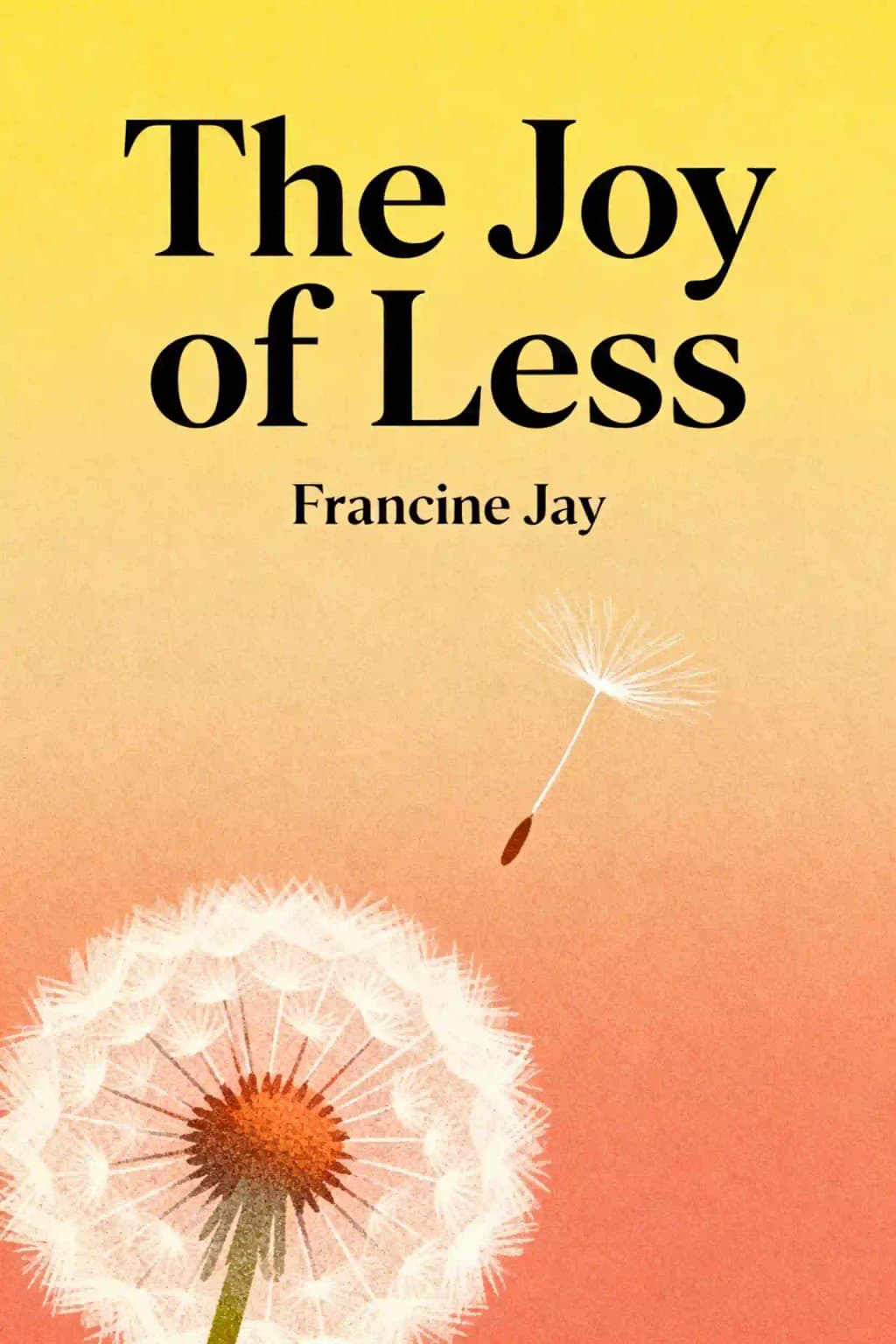
Have you ever walked into a pristine hotel room and felt an immediate sense of calm wash over you? That feeling isn't just about luxury-it's about space. While most organization books focus on clever storage solutions to manage our mountains of possessions, Francine Jay takes a revolutionary approach in "The Joy of Less." Instead of finding better ways to store our stuff, she challenges us to own less of it in the first place. This international bestseller has sparked a minimalist movement embraced by celebrities like Kim Kardashian and Marie Kondo, who cite Jay as an influence. Since its 2010 publication, the book has been translated into 17 languages and continues to transform cluttered homes and stressed lives worldwide. At its core is a simple yet profound idea: our possessions should serve us, not the other way around.
2장
The Stuff-Identity Trap: Breaking Free From Material Definitions
For something to be truly useful, it must actually be used. This might seem obvious, but our homes are filled with potentially useful things that simply sit idle-duplicate items we don't need, complicated gadgets too troublesome to clean, and countless "just in case" items waiting in drawers for scenarios that never materialize. Beyond practical items are those with aesthetic value-things we keep purely because we enjoy looking at them. If these are collecting dust or packed away, they're just colorful clutter.
Then there are emotional items-things that remind us of important people, places, or events. While these can bring joy, we often keep them out of obligation rather than genuine attachment. As you evaluate your possessions, also watch for "other stuff's stuff" (accessories and maintenance items that multiply around primary possessions) and "other people's stuff" (which requires diplomatic handling, especially with family members).
Despite marketers' persistent messaging, there's a fundamental boundary between who we are and what we possess. We often acquire "aspirational stuff"-items purchased to impress others or indulge fantasy versions of ourselves. From luxury cars to designer clothing, these purchases rarely deliver their promised transformation. Products can't make us into something we're not-expensive cameras won't make us photographers, premium cosmetics won't make us models.
Similarly, we cling to relics from our past as evidence of who we were, though these items usually end up boxed away, proving nothing to nobody. By devoting space and energy to these aspirational possessions, we prevent ourselves from living in the present. Our memories, dreams, and ambitions aren't contained in objects but in ourselves-we are what we do, think, and who we love, not what we own.
"I am not my stuff; my stuff is not me." This mantra helps break the psychological bonds between our identity and our possessions. When we stop defining ourselves by our belongings, we can start focusing on experiences and relationships that truly matter.
3장
The Hidden Costs of Ownership: Time, Energy, and Freedom
Consider the life energy expended on a single possession: researching it, finding the best deal, earning money to buy it, transporting it home, learning to use it, cleaning it, maintaining it, repairing it, insuring it, and sometimes making payments even after disposing of it. When something goes wrong, we stress over fixing it, searching manuals or buying tools. If we fail, we take it to repair shops or let it sit in a corner, weighing on our minds.
Even hidden possessions stay in our thoughts. We waste precious time on maintenance, repairs, and cleaning instead of enjoying life. Remember how carefree college days were? That's because we owned so little then. Minimalism doesn't mean living in sparse apartments with milk crates-just imagine having half your current possessions. That's fifty percent less work, worry, maintenance, and debt!
Our possessions can become anchors, tying us down and preventing us from exploring new interests or taking advantage of opportunities. Imagine being offered a once-in-a-lifetime opportunity requiring you to move across the country in three days. Would you be excited or paralyzed by the thought of packing everything? Would your stuff effectively hold you in place?
Each item is like a rope binding us-making movement difficult and exhausting. Clutter creates a gravitational pull, making us feel heavy and lethargic, while sparse spaces energize us. Simply hiding possessions in containers doesn't help; they remain in our minds. Our stuff also enslaves us financially through debt, forcing us into jobs we dislike to pay for things we may no longer want.
Like a traveler with heavy luggage versus one with just a backpack, minimalism makes us nimble, flexible, and free to experience life fully rather than being imprisoned by our possessions.
4장
Developing Non-Attachment: Lessons from Zen Philosophy
The haiku poet Basho wrote: "Since my house burnt down, I now own a better view of the rising moon." While extreme, this demonstrates healthy detachment from possessions. Developing non-attachment makes decluttering easier and softens the blow when things are lost through theft, disasters, or repossession.
We can remember simpler times-college days when everything fit in a few crates, or vacations (from Latin "vacare" meaning "to be empty") when we lived with minimal possessions. Consider camping trips where we function perfectly well with just the basics.
To practice detachment, imagine permanently moving overseas, taking only what's truly essential. Or picture a house fire where you have seconds to decide what to save-likely just family, pets, and perhaps important documents. Finally, consider your legacy: what story will your possessions tell about you after you're gone? Would you rather be remembered as someone who lived lightly with only necessities and a few special items?
These mental exercises help put our stuff in perspective, weakening its power over us. They remind us that our possessions are just things-not extensions of ourselves or repositories of our memories.
William Morris wisely advised: "Have nothing in your houses that you do not know to be useful or believe to be beautiful." To implement this, we must become good gatekeepers. Things enter our homes in only two ways: we buy them, or they're given to us. The responsibility lies with us-we let them in.
As you evaluate your possessions, consider how each item entered your life. Did you seek it out? Did it follow you home from a trip? Did it arrive disguised as a gift? We need to treat our homes as sacred spaces, not storage spaces.
5장
The Power of Space: Creating Room for Life to Happen
Claude Debussy said, "Music is the space between the notes." Similarly, "Life is the space between our things." Too much clutter stifles creativity and creates discord, while space allows us to live harmoniously. We often lament our lack of space, remembering fondly how our homes looked when we first moved in.
The truth is, our space didn't disappear-our priorities changed as we valued stuff over space. Fortunately, space is easy to reclaim: remove an item, and voila-space returns! Physics dictates that our possessions are limited by our available space, but we needn't fill every inch we have.
Empty space in our homes allows us to relax, create, and play freely. A cluttered room leads to a cluttered mind, while space puts what's truly special in the spotlight. By creating space, we shift focus back to what we do rather than what we own.
When we're old, we won't reminisce about our possessions, but about what we did in the spaces between them. The memories we cherish most involve people and experiences, not things.
What if someone offered you the Mona Lisa-with the stipulation you couldn't sell it? The responsibility of maintaining such a treasure would quickly outweigh any pleasure from ownership. We're fortunate to live in a society where we can access countless masterpieces without personally acquiring them.
I learned this lesson after buying an art print as a young adult. The initial joy of acquisition faded when faced with proper framing, display challenges, and the burden of moving it between apartments. After years stored in a closet, I finally sold it, deciding to let museums handle the art while I enjoyed it at leisure.
This principle applies throughout our homes-from cappuccino makers gathering dust to media rooms and home gyms. Instead of recreating the outside world within our homes, we can enjoy movies, fitness centers, and spas in their natural settings without storing and maintaining all that equipment.
6장
Finding Your "Enough": The Minimalist Sweet Spot
Chinese philosopher Lao Tzu wrote, "He who knows he has enough is rich." While most of us have enough to meet our basic needs, we still feel the urge to acquire more. The problem lies in our wants and desires-happiness is wanting what you have.
When we compare ourselves to others, we fall victim to "keeping up with the Joneses," measuring our "enough" not objectively but relatively. This is futile because there's always someone with more, and even billionaires compete over yacht sizes.
Beyond meeting basic needs, additional possessions provide diminishing satisfaction, eventually turning negative at the "satiation point." Instead of consumer one-upmanship, cultivating gratitude leads to minimalism. We must focus on what we have rather than what we lack, and make global comparisons-even the poorest First World families are wealthy by Third World standards.
A powerful exercise: try listing every single object you own. The overwhelming inventory quickly reveals just how much "enough" you already possess.
Gandhi's wisdom "Live simply, so that others may simply live" provides perhaps the greatest incentive for minimalism. With over six billion people sharing finite resources, every "extra" we take means someone else goes without. Our consumer choices ripple throughout the world-from water waste causing others' thirst to gas-guzzling vehicles contributing to oil shortages.
Every purchase exacts both environmental and human tolls. While it's impossible to calculate the impact of everything we buy, we can minimize our footprint by buying local (supporting fair working conditions, reducing transportation energy, and keeping money in our communities), buying used (reducing resource pressure), and buying less (the cornerstone of minimalist living).
7장
The STREAMLINE Method: Your Decluttering Blueprint
Having established a minimalist mindset, we're ready to put our philosophy into practice with the STREAMLINE method-ten techniques to rid our houses of clutter and keep them that way. Each letter represents a step in the decluttering process:
The most challenging part of decluttering is knowing where to begin. Looking at piles of stuff everywhere can feel overwhelming. The key to Starting Over is taking EVERYTHING out of the designated section-whether it's a drawer, closet, or entire room. This complete emptying is crucial because we become accustomed to seeing certain items in certain places, as if they've earned the right to be there. Seeing something out of its usual spot can completely change your perspective.
After emptying your space, sort everything into three categories: Trash, Treasure, and Transfer. Trash is for obvious garbage-expired items, broken things, stained clothing. The Treasure pile contains only items you truly cherish for their beauty or functionality. The Transfer pile holds perfectly good items that are no longer good for you-divide these into Give Away and Sell sections.
As you sort, question every item headed for your Treasure pile. Nothing gets a free pass! Each item must have a good reason for being in your household. Eliminate duplicates and ask yourself: When did I last use this? Will I use it soon? Does it make my life easier, more beautiful, or more pleasurable? Most importantly: what's more valuable-this item or the space it occupies?
A place for everything, and everything in its place-this mantra is essential to minimalist living. When each possession has a designated spot, stray items won't wander and accumulate as clutter. Think of your house in terms of zones-rooms that break down into smaller functional areas. Items should be stored based on where and how often you use them.
8장
Maintaining Clear Surfaces: The Visual Key to Minimalism
Horizontal surfaces are clutter magnets. Look around your home-are your tables, counters, and desk surfaces clear? When surfaces are cluttered, we lose the space to do anything meaningful. The minimalist principle is simple: surfaces are for activity, not storage. They should remain clear when not in use.
Think of your surfaces as "slippery"-nothing should stay on them long. When you leave a room, take with you whatever you placed on any surface. The only exceptions are items whose permanent "place" is that surface (like lamps or a centerpiece), but limit these to three items per surface.
Don't forget the floor-the biggest surface of all! Reserve floors for feet and furniture only. To maintain clear surfaces, develop the habit of scanning rooms before leaving them. If the room is empty, the surfaces should be too. This quick practice goes a long way toward keeping your home clutter-free, more functional, and easier to clean.
Organizing your possessions into modules-sets of related items that perform particular tasks-brings efficiency to your household. Creating effective modules requires three steps: consolidate, cull, and contain. First, consolidate by storing similar items together, making them easier to find and revealing exactly how much you own. Next, cull your collections down to what you actually use. Finally, contain your items in appropriate storage solutions to prevent them from spreading through the house again.
Minimalist living means keeping possessions in check through establishing limits-not to deprive yourself, but to give you more power, control, and space. For example, restrict your book collection to what fits on your bookshelf without overflowing. Apply similar boundaries to craft supplies by limiting materials to one storage bin, motivating you to finish projects before buying new supplies.
9장
One In, One Out: The Sustainable Acquisition Strategy
Despite diligent decluttering, our homes often show little progress because we keep adding new items while removing old ones. Think of your house as a bucket of water-decluttering drills a hole in the bottom, but shopping pours more in the top.
The solution is simple: for every new item entering your home, a similar item must leave. This one-in-one-out rule maintains equilibrium and prevents backsliding. Apply it to like items: a new shirt replaces an old shirt, a new book replaces an old book.
The challenge comes when we buy replacements but can't bear to discard the originals. We rationalize keeping the old item "just in case," and it ends up in storage limbo. To make this system work, commit to removing the old item before using the new one-I've even kept new purchases in my car trunk until identifying their outgoing counterparts.
Minimalist living means owning just enough to meet our needs and nothing more. The definition of "bare necessities" varies widely-what's essential depends on factors like occupation, hobbies, climate, and family situation. There's no master list or magic number for minimalist possessions; what matters is whether it's just enough for you personally.
We should constantly evaluate items, eliminate multiples, and consider creative solutions like choosing multi-functional items (sleeper sofas, smartphone capabilities) and versatile pieces over specialty ones. For sentimental items, "miniaturizing" works well-keeping just a swatch of a wedding dress or a single plate from grandmother's china set.
Minimalism isn't a one-time decluttering spree but a lifestyle change requiring ongoing maintenance. We must remain vigilant gatekeepers, establishing routines for handling incoming items like mail and gifts. Play offense too-get off mailing lists, cancel subscriptions, and make your minimalist intentions known to prevent well-meaning friends from filling your "empty" spaces.
10장
Creating a Sanctuary: The Minimalist Bedroom
The bedroom should be your most uncluttered space-a haven of peace and serenity from hectic life. To transform it, start by envisioning your ideal bedroom as if from a magazine layout, noting every detail from bedding to decor. You'll likely picture a calm, clutter-free oasis.
To begin this transformation, remove everything except the bed and essential wardrobe furniture. Empty the room to its bare bones, placing everything else in an adjacent room. Lying down in this newly cleared space reveals how open, peaceful and relaxing a bedroom should feel-refreshing and rejuvenating rather than stressful.
The bedroom's main function is for sleeping and clothes storage, so each item should relate to rest, relaxation, or wardrobe. Your bed, alarm clock, glasses, tissues, and current reading material have legitimate reasons to be there. But craft supplies, exercise equipment, computer gear, and excessive knickknacks don't belong. "Because there's nowhere else to put them" isn't a valid reason to keep items in your bedroom.
Keep your bed clear and ready for its intended purpose-it's a functional surface, not a decorative or multi-purpose one. Minimize fancy throw pillows and keep bedding simple, like luxury hotels do. Monitor other surfaces like nightstands, vanities, and dressers, preventing them from collecting wayward items. Don't forget the floor-banish book stacks, magazines, and especially clothing that could start a "floordrobe."
Apply limits liberally in the bedroom to maintain serenity. First, limit furniture to only what you truly need-not every piece of a matching set. Restrict seating to the number of room occupants and limit clothes storage to one piece per person. Second, limit visible items-keep no more than three things on nightstands or dressers. Third, cap your linens at a reasonable number-generally two sets of sheets per bed is sufficient, with blankets appropriate to your climate.
11장
The Capsule Wardrobe: Dressing with Less
It's time to tackle closet clutter! If you have plenty of clothes but nothing to wear, paring down saves time, money, space, and stress-while making it easier to look well-dressed. A streamlined wardrobe is one of minimalism's true joys!
Cleaning out your closet can be a blast-one of my favorite decluttering activities! Put on music, pour some wine, and stage your own fashion show. To start over, remove everything from your closet, dressers, and storage spaces. I mean everything! Before continuing, consider your personal style (classic, sporty, bohemian?), favorite colors, preferred fits, and fabric preferences.
With everything out of your closet, try on each piece. Do a 360 turn in the mirror and experiment with different combinations to identify your most flattering and versatile items. Create Trash, Treasure, and Transfer piles, using boxes or bags to keep rejected items out of sight.
The primary reason to keep clothing is because we wear it. According to the Pareto principle, we wear 20% of our wardrobe 80% of the time-meaning we could reduce our closets to one-fifth their size and hardly notice! Our mission is to identify pieces that fit, flatter, and suit our lifestyle. Items that don't fit have no place in your closet-don't torture yourself storing different sizes for different weights. Save only clothes that fit you now.
A minimalist wardrobe is essentially a "capsule wardrobe"-a small set of essential pieces that mix and match into various outfits. Following the Pareto principle, it consists of the 20% of clothes you wear 80% of the time. The secret? Choose a base neutral color (black, brown, navy, etc.) for foundation pieces like pants and skirts, then select a handful of flattering accent colors for tops.
This strategy dramatically reduces your wardrobe and accessories-I chose black and found I needed far fewer shoes and handbags since everything coordinates. Add a secondary neutral that complements your base for variety. Focus on versatility-choose pieces that work across weather conditions and occasions, simple silhouettes over fussy ones, and items that can be dressed up or down.
12장
Paper Taming: Conquering the Home Office Chaos
Decluttering your office transforms it from a chaotic paper mountain into a productive workspace. When your space is clear, your mind is clear-you can work without distraction and be more productive. A sloppy desk makes finding things, doing things, and keeping track of tasks nearly impossible.
The key is breaking the decluttering into manageable pieces-tackle one drawer or file folder at a time, being thorough rather than rushing. Completely empty each space you're working on rather than picking out items to purge. This process gives you the upper hand over clutter and allows you to redesign your workspace for maximum efficiency.
Begin with the easy targets: junk mail, catalogs, and magazines. If it's not important enough to act on now, recycle it-another copy will surely arrive if you change your mind. Purge damaged office supplies: dried-up pens, rusty paperclips, stretched-out rubber bands, and other decrepit items that have slipped below your radar.
Just because something is an "office supply" doesn't give it a free pass to your workspace. Be brutally honest about what you actually use and need-do you really require five different highlighter colors or six envelope sizes? Question everything: that rarely-used voice recorder, the redundant desk clock when your computer shows the time, or that decorative paperweight.
With paperwork, consider whether you need the physical document or just the information it contains-if the latter, scan it or type key details into a digital file. Think twice before printing anything; leave emails in your inbox and bookmark webpages instead. For unavoidable documents, use PDF software to create digital copies of receipts and confirmations.
The single best way to maintain a tidy desk is ensuring everything has a designated home. Corral pens, paperclips, and rubber bands into specific spots and enforce their return. Assign places for every category of paperwork-incoming mail, outgoing mail, bills, receipts-and be militant about it. Develop a filing system where every document has a destination the moment it enters your office, like checking into a hotel.
13장
The Heart of the Home: Minimalist Kitchen Strategies
The kitchen is often considered the most functional room in the house-where we store, prepare, serve, and consume food that sustains us while also serving as a family gathering place. However, too much stuff can diminish its functionality and make it unpleasant to work in. The challenge is to streamline this important space without compromising its essential purpose.
Showroom kitchens attract us not just for their high-end appliances but for their space and lack of clutter. You don't need expensive renovations to achieve this look-decluttering can give your kitchen a dramatic makeover. Remember how wonderful it felt to unpack into empty shelves and cabinets on moving day? Recreate that feeling by emptying every drawer, cabinet, cupboard and shelf completely, one at a time.
When cleaning out your kitchen, you'll find plenty for your Trash pile-expired food, spices past their prime, chipped plates, cracked glasses, and broken appliances you've never bothered to fix. Your Transfer pile should include useful items that aren't useful to YOU-those impulse purchases, wedding gifts, and "miraculous" gadgets from infomercials that you rarely use.
The kitchen is perfect for having conversations with your stuff. Ask each item: What are you and what do you do? (If you can't identify that gadget, it's obviously not essential.) How often do I use you? (Daily or weekly items earn prime cabinet space.) Do you make my life easier or more difficult? (If something's a pain to clean, consider alternatives.)
Kitchen countertops are crucial for food preparation, but when covered with gadgets, dishes, mail or knickknacks, it becomes nearly impossible to cook properly. Your surfaces should hold only items used daily, if that. Consider wall-mounted racks for spices and knives, hanging baskets for produce, and under-cabinet mounted appliances to free up valuable space.
While I can't provide a universal list of minimalist kitchen essentials, most of us can function with far fewer items than cookbooks suggest. My husband and I prepare all our meals with just four pieces of cookware: a large skillet, saucepan, pasta pot, and baking pan. Choose multi-functional items over single-use gadgets like cherry pitters or bagel slicers. Favor versatile, all-purpose dishes over specialty tableware.
14장
Emotional Decluttering: Handling Gifts, Heirlooms, and Mementos
As you declutter, you'll encounter items that are neither useful nor beautiful, yet difficult to discard-particularly gifts, heirlooms, and sentimental items. Often these are things you didn't even choose to bring into your life.
While gifts traditionally symbolize special transactions between people-conveying respect, expressing love, sealing friendships-remember that the gift itself is merely an object representing an emotion or intention that exists regardless of the item. Modern gift-giving is often driven more by aggressive marketing than noble intentions, with advertisements creating obligations and expectations around holidays and special occasions.
Heirlooms present a unique decluttering challenge-objects we often wouldn't have chosen ourselves yet feel obligated to keep. We dust Hummel figurines, find space for paintings of poker-playing dogs, or awkwardly incorporate Victorian furniture into contemporary homes not because they're useful or beautiful, but from guilt and a misplaced sense of preserving family heritage.
Remember: the stuff isn't the person. Your loved one wasn't embodied in their possessions. Instead of keeping items out of obligation, consider better alternatives: pass them to relatives who truly want them, donate valuable pieces to museums, give collections to people who'll appreciate them, sell items and use proceeds meaningfully, or "miniaturize" by keeping just one representative piece.
We accumulate sentimental items throughout life-from childhood mementos our parents saved to our own collections of milestone memorabilia. We resist discarding these items because they feel connected to our memories and experiences. But parting with your football jersey won't erase your athletic achievements, just as selling your Pez dispensers won't diminish the fun you had collecting them. Our memories persist with or without the physical objects.
Wedding keepsakes can quickly become clutter-from dresses to decorations, favors to photo albums. Use limits to manage these items: select one container and keep only what fits inside. Wedding dresses pose a particular challenge, but consider that your daughter likely won't want to wear your decades-old gown. Instead, "miniaturize" by repurposing fabric into meaningful items, sell it to benefit another bride, or donate it to charity.
15장
Beyond Objects: Minimizing Your Schedule and Environmental Impact
Just as we used modules to organize our belongings, we can consolidate similar tasks to manage time more efficiently. Running errands as they occur wastes time and energy compared to planning and completing them in one trip. The same principle applies to all tasks-food preparation, household chores, emails, and work assignments.
Each activity involves setup, cleanup, and mental warm-up time, making random task-switching inefficient. By grouping similar activities, you minimize this overhead and work more efficiently once you're in the groove. This strategy works particularly well for email-rather than constantly checking messages throughout the day and breaking your concentration, designate specific times to handle all correspondence.
The quest for perfection can throw our to-do lists into a tailspin, turning quick tasks into lengthy ordeals. Learning that "good enough" is actually good enough changed my life. As a born perfectionist who gave 110 percent to everything, I discovered that in 99 percent of what we do, perfection is superfluous-unnecessary, unnoticed, and unappreciated.
This realization is liberating; when we stop striving for perfection, we complete tasks faster and with greater ease. This doesn't mean doing sloppy work, but recognizing there's a point of diminishing returns. Once you've reached "good enough"-where your work is respectable-pushing further toward perfection often wastes time that could be spent on other worthy pursuits.
In our culture, busyness is prized-as if jamming more activities into our schedules makes us better people. But minimalist living takes the opposite approach. When we set aside time to just "be," we're not wasting it-we're cherishing it. We're engaging in fulfilling pursuits that relax us physically, strengthen us mentally, and nourish us spiritually.
Something wonderful happens when we become minimalists: our efforts ripple out to effect positive change in the world. Every time we decide against a frivolous purchase, make do with what we have, or borrow instead of buying, we give a gift to the planet. We may have embraced minimalism to save money, time, or space, but our actions have far greater benefits: they save the Earth from environmental harm and protect people from unfair working conditions.
As minsumers, we strive to be butterflies rather than bulls-living lightly and gracefully with minimal baggage. We want to flit through life unencumbered by excess, leaving Earth's resources intact as if we barely touched them. When we act like butterflies, we're satisfied with essentials, consuming minimally and celebrating nature's gifts rather than trampling them.
16장
The Journey to Joy: Finding Yourself Through Less
Everyone has their own reasons for embracing minimalism-whether dealing with clutter, finding shopping unfulfilling, or environmental concerns. Though our consumption-driven society constantly encourages buying through endless advertising, minimalist living offers freedom from this pressure.
You're not alone in this journey; beyond mainstream media, there's a growing community disillusioned with consumerism and seeking simpler lives. With minimalism comes freedom from debt, clutter, and the rat race. Each eliminated excess feels like a weight lifted, giving you time for more fulfilling pursuits.
Most importantly, minimalism allows self-discovery by stripping away brands and status symbols to reveal your true self-redefining yourself by what you do and who you love rather than what you buy. Like emptying an overflowing teacup, purging excess creates infinite capacity for life, love, and joy.
The journey to minimalism isn't about deprivation-it's about liberation. By letting go of the excess, we make room for what truly matters: relationships, experiences, creativity, and personal growth. We discover that the less we own, the more we have. The less time we spend maintaining possessions, the more time we have for living. And perhaps most surprisingly, we find that the joy we sought in acquiring things was actually waiting for us in the spaces between them all along.