1장
Beyond the Scroll: Decoding the Gen Z Frequency
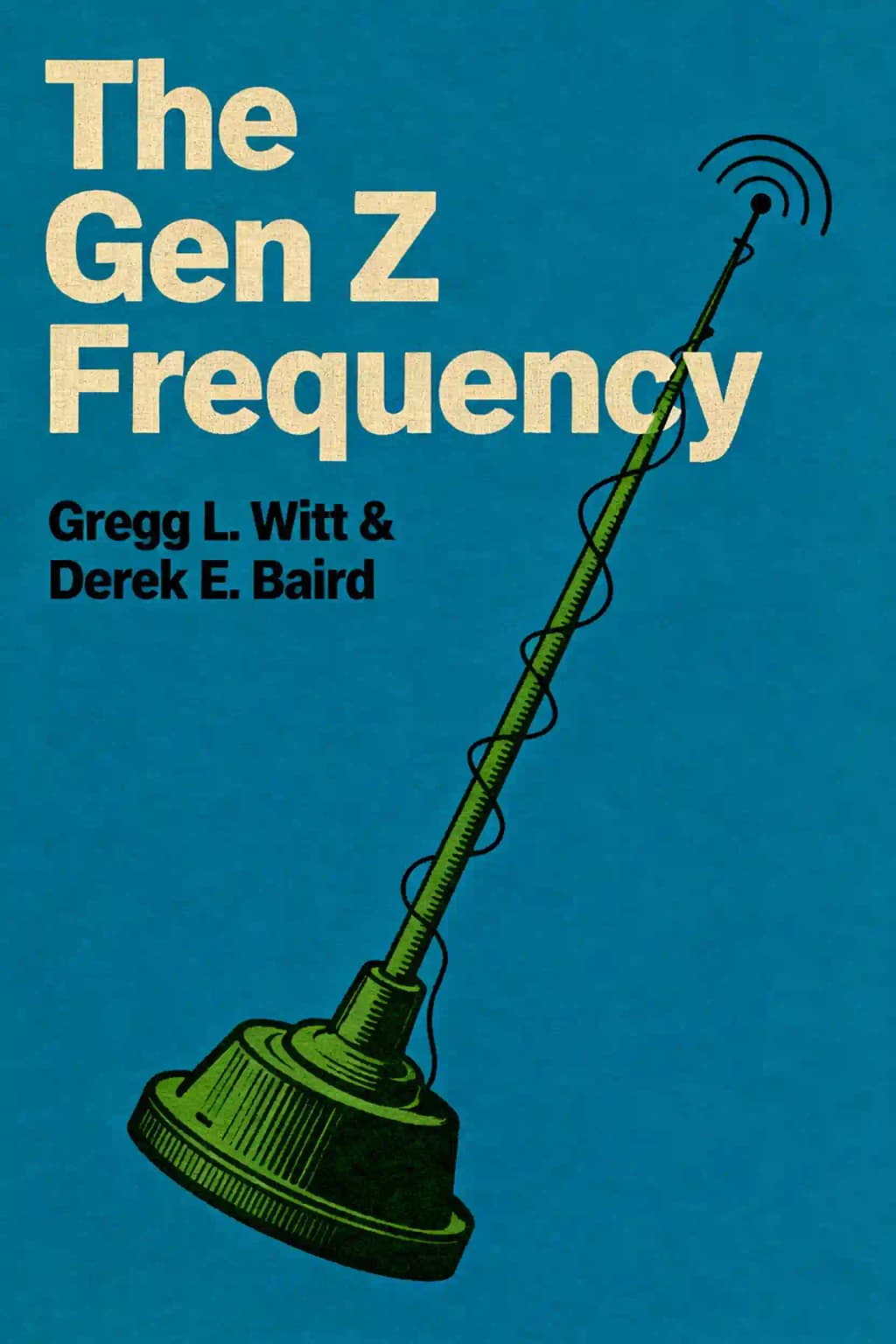
What if I told you that the largest generation on earth communicates on a frequency most brands can't hear? While marketers scramble to capture Gen Z's attention with outdated tactics, this mobile-first, hyper-connected generation is rewriting the rules of engagement. The Gen Z Frequency by youth marketing veterans Gregg L. Witt and Derek E. Baird offers an insider's guide to tuning into this elusive demographic.
This isn't just another marketing book-it's become required reading for brands struggling to connect with young consumers. Praised by industry leaders from Nike to Disney, the book has influenced marketing strategies across sectors. What makes it particularly compelling is its research foundation: the authors conducted extensive qualitative and quantitative studies with over 200 Gen Z participants, complemented by KidSay's Trend-Tracking data from 6,000 young people annually. The result is a masterclass in authentic youth engagement that goes beyond superficial trends to uncover the deeper values driving Gen Z's decisions.
Youth marketing has always been challenging, but connecting with Gen Z presents unique difficulties. Unlike previous generations, Gen Z has unprecedented access to information and technology, making them highly skeptical of traditional marketing approaches. They can instantly fact-check claims, research alternatives, and share opinions globally-all from their smartphones.
The fundamental challenge lies in the inherent conflict between adult and youth perspectives. As researchers have noted, youth culture embodies values that often directly oppose those of the adult world. This creates a natural tension for marketers, who must somehow bridge this gap authentically.
2장
Understanding Gen Z: Demographics, Identity and Global Influence
Gen Z-born approximately between 1996-2011 and comprising about 27% of the global population-is defined by their "unrelenting relationship with information, media consumption and mobile technology." Unlike previous generations, they've never known a world without the internet, smartphones, or social media.
What truly distinguishes this generation is their unique set of characteristics: they're independent, willing to work hard rather than expecting discovery; diverse and expecting brands to reflect this; politically engaged and cause-oriented; pragmatic about careers and finances; skilled at filtering massive amounts of information; protective of their personal brands and privacy; and collaborative across both physical and virtual environments.
Their primary challenge is balancing offline and social media identities, often creating multiple personas that blend aspirations with reality. While technology has shortened childhood in some ways, they're actually delaying traditional adult behaviors like driving or sexual activity. Though using different tools, Gen Z exhibits many of the same fundamental youth behaviors as previous generations-they're just using phones instead of landlines, digital videos instead of VHS, and online hangouts instead of malls.
Gen Z is truly global, with most growth occurring in developing countries. The top countries by Gen Z population include India (373 million, 20% of global Gen Z), China (260 million, 14%), Nigeria (68 million, 4%), and Indonesia (65 million, 3.5%), with the United States ranking fifth (62 million, 3.4%). This demographic shift means brands must adopt a truly global mindset-your next major opportunity might be in Lagos rather than Los Angeles.
For Gen Z, diversity isn't just a buzzword-it's their reality. In the US, this generation is the most multicultural yet: 55% Caucasian, 24% Hispanic, 14% African American, and 4% Asian. Their concept of diversity extends beyond race to embrace LGBTQ+ identities, with gender fluidity and same-sex marriage normalized in their worldview. For marketers, authentic engagement with diverse communities must be earned through listening, learning, and genuine acceptance.
Gen Z defines themselves as more highly individualized than previous generations, creating fluid, evolving identities rather than static personas. This hyper-individualization means young people now celebrate differences with less judgment than previous generations, adapting their personalities to various situations.
With unprecedented exposure to options via the internet, they create identities on a spectrum-complex, evolving constructions rather than static demographic descriptors. A teenage male entrepreneur who enjoys knitting while heading to Coachella isn't having an identity crisis-he's making an identity statement.
While traditional demographic targeting has become less effective with Gen Z, demographics still matter as part of a broader approach. The book argues against both "shotgun marketing" and the extreme view that "demographics are dead." Instead, it advocates for using demographics as a starting filter, then adding more personal, culturally-based segmentation approaches.
3장
The Visual Language and Communication Styles of Gen Z
Gen Z manages social anxiety through visual-centric communication-GIFs, memes, and emojis-that provide shared cultural interpretations and self-expression. These visual elements help them solve problems collectively, learn coping skills, and offer peer support while enabling digital citizenship on difficult topics.
For Gen Z, emojis aren't just cute symbols but storytelling tools that convey emotion, provide context, and serve as emotional barometers in text-only conversations. Brands should use these visual elements sparingly and authentically, as Gen Z quickly detects inauthentic attempts to connect.
The Tony Award-winning musical Dear Evan Hansen provides unique insight into Gen Z's relationship with visual social media. The story of a teen struggling with social anxiety resonated deeply with Gen Z audiences who saw an authentic portrayal of their daily reality. The musical became a cultural phenomenon spreading through the hashtag #YouWillBeFound, with "Fansens" creating self-care memes distributed across Tumblr, YouTube and Instagram to combat cyberbullying, depression, anxiety and suicide. This phenomenon demonstrates how Gen Z self-organizes and remixes themes into digital visual stories, leveraging social media platforms to express feelings and support peers facing similar challenges.
Fandoms-communities built around mutual affinity for books, shows, movies, artists or other pop culture-are integral to Gen Z identity. These self-organized communities, fueled by hashtags and social media, allow members to shape their identities, find belonging, and collaborate creatively. Despite being internet-based, these communities form legitimate social systems with charged social interactions spanning the globe. For brands, the challenge isn't directing these fandoms but finding authentic ways to support and celebrate them by creating visual narratives and content that helps the community thrive.
Consider Nike's journey into skateboarding culture. After initial failures trying to muscle into the market with their corporate approach, Nike created Savier-an independent subsidiary with access to Nike's technology but the freedom to operate like a skateboarding company. Despite developing quality products and building community connections, Savier missed market trends toward low-tech, low-price shoes and closed in 2004.
Nike learned from this experience and launched Nike SB with three principles: bring back the Nike Dunk (a basketball shoe skaters already loved), involve actual skateboarders in design, and commit to a minimum five-year investment. By signing respected skaters like Richard Mulder and collaborating with authentic brands like Supreme, Nike SB gradually integrated into skateboarding culture. Through strategic collaborations with artists, musicians, and skate publications, Nike transformed from outsider to controlling 55% of the North American skate market by 2013.
4장
The Five Foundational Truths of Youth Marketing
Successful youth marketing requires brands to engage in genuine conversation with Gen Z rather than talking at them. Today's brands must listen and exchange ideas to produce what is truly needed and wanted. Five foundational truths build upon each other to create a practical framework for connecting with youth culture: Identity, Trust, Relevance, Possibility, and Experience.
Truth 1: Identity
Brand identity is no longer built with a bullhorn but through every consumer experience. Context matters as much as content-brands must proclaim why they exist and prove it across different media contexts. Successful youth brands go beyond products and packaging to determine what they truly represent to Gen Z. Questions like "Why does my brand exist?" and "What do we really care about?" help establish an identity that Gen Z respects.
Perception challenges identity, as brands must understand both internal and external perceptions, rising above bias to see how products are received by Gen Z. Brands must identify which groups within the diverse Gen Z cohort align best with their values, prioritizing authentic connections over broad but watered-down messaging.
Truth 2: Trust
Trust forms the foundation of consumer relationships and comes down to a simple equation: Transparency + Authenticity = Credibility. By being true to core beliefs without pretense or deceit, brands can build consumer trust in their promises and reliability.
Trust creates chemical reactions in the brain-when people feel trusted, their bodies release oxytocin, which motivates reciprocation and signals safety. This neurochemical response makes people treat trusted parties "like family." Building trust takes time and cannot be developed overnight. Brands must approach marketing thoughtfully, considering Gen Z's needs and desires rather than positioning themselves as authorities.
Truth 3: Relevance
Staying relevant with Gen Z requires brands to maintain a daily pulse on youth culture conversations, feelings and emotional connections. Relevance means bringing unique value-whether through products, services, content or entertainment-at exactly the moment it's useful or applicable. When done right, the brand becomes both friend and resource.
Fenty Beauty by Rihanna exemplifies this by providing cosmetics for all skin tones, addressing an underserved population while embracing diversity that resonates with Gen Z's values.
Truth 4: Possibility
Gen Z exists in a volatile stage of life where they're figuring out their identity and future. Brands can serve as guides, helping them experiment with different identities and discover new possibilities. Effective brands create potential beyond the purchase moment, inspiring consumers to imagine how offerings could impact their lives. Products may be simple, but when associated with the right brand, they convey deeper meaning and help Gen Z express their multifaceted identities.
Truth 5: Experience
Despite their typical impatience, Gen Z will wait hours in line for brands like Supreme because "the line is the new community." They crave sensory-rich experiences that make them feel alive and connected. Successful brands create experiences that invite their audience to become part of the story rather than just being talked to. These experiences build community, encourage interaction, and foster brand loyalty across digital and physical environments.
5장
The Youth Culture Alignment Framework and Segmentation
The Youth Culture Alignment Framework addresses segmentation challenges by combining psychographics with situational context. While demographic and geographic filters provide directional information and behavioral patterns, they don't connect brands to the heart of young consumers. Psychographic and situational filters reveal personal motivations and emotional connections that are essential for cultivating authentic relationships with youth culture.
This framework consists of four stages:
1. Youth Culture Segmentation Needs Analysis to determine targeting scope
2. Brand and Youth Personality Match to identify compatible consumer qualities
3. Youth Subgroup Opportunity Identification to develop and prioritize aligned subgroups
4. Optimal Youth Audience Definition to analyze relationships between alignment and viability for brand opportunities
The process helps brands identify "bull's-eye" consumer segments-specific subgroups of Gen Z that align most naturally with the brand's values and offerings. Rather than chasing an entire generation, successful brands focus on building deep connections with the right spectrum of groups within youth culture.
Connecting effectively with Gen Z requires understanding that their motivations differ entirely from other generations. Assumptions and extrapolations from older consumers' behaviors never reveal the truth about youth. Deeper insights emerge through ongoing dialogue and interactive activities rather than traditional focus groups.
Effective youth research design serves as an investigatory roadmap with consistent checks and balances. As LEGO's Senior Innovation Designer Dan Winger notes, the goal is inspiring kids to tell their own stories by providing frames of reference and letting them create freely. Youth-specific research must capture Gen Z opinions that traditional methods miss.
The youth research process begins with participant recruitment-a crucial yet challenging step. Quality findings depend on quality recruits, whether targeting broad youth populations or specific cultural niches. Common recruitment challenges include finding appropriate sources, screening participants effectively, ensuring honest participation, and navigating parental consent laws like COPPA and GDPR.
After recruitment and baseline research, brands can deploy specialized methodologies to extract deeper insights:
1. Advisory Boards: Private mobile communities where diverse youth participants complete weekly activities and discussion prompts designed to inform, inspire or validate engagement strategies.
2. Mobile Video/Voice Surveys: Capturing responses through smartphones rather than text, revealing the nuances lost in written communication and delivering authentic, real-time feedback.
3. Social Quizzes: Blending research with entertainment through visually appealing 7-10 question surveys that incorporate photos, media files and interactive elements.
4. Influencer Mindsharing: Leveraging youth-relevant influencers as research participants rather than just promotional channels through focus groups, interviews or ethnography projects.
5. Influencer-Audience Collaborations: Creating exclusive experiences where influencers engage target audience segments through "non-researchy" activities.
6장
Co-Creation Strategies and Case Studies with Gen Z
LEGO exemplifies effective co-creation through platforms like LEGO Ideas, where users submit creations that might become official products while earning royalties. This approach has produced innovative products like The Beatles Yellow Submarine and Women of NASA that reach new consumer segments. For younger users, LEGO Life offers a safe social network for sharing creations and engaging with interactive content.
A world-renowned entertainment complex discovered the power of co-creation when they found tweens (ages 9-13) weren't viewing their park as cool. These pre-teens, with one foot in childhood and another in teenage coolness, perceived the park as too childish with its cartoon character focus. Working with a mobile youth community, researchers developed culturally relevant solutions through weekly brand projects and gamified ideation.
By deeply understanding their motivations, they refined the park's social voice to be more relatable, co-created tween engagement strategies for Instagram and YouTube, and built a parent-focused hub on the company's website. The results were impressive: growing their Instagram following from zero to 238,000 in 18 months and generating 24 million YouTube views-proving that knowing how to communicate on your audience's frequency is the heart of youth marketing.
Taylor Swift's approach to community building treats fans as friends rather than consumers. Recognizing her young fans' presence on Tumblr, she actively engages by commenting on fan art, offering advice, and creating genuine connections. She's surprised fans with Christmas gifts, handwritten notes, and personal responses to their problems. This "fans first" approach has created a loyal community that embraces both Taylor as a person and a brand.
Brands that genuinely partner with their online communities tap into passionate enthusiasts who can welcome newcomers, drive sales, increase engagement and extend customer loyalty. Listening to community feedback leads to product innovation and valuable market research. Gen Z particularly responds to brands that give them a seat at the table for sharing ideas and suggestions.
Nike's journey into skateboarding culture also demonstrates effective co-creation. After initial failures trying to muscle into the market with their corporate approach, Nike created Savier-an independent subsidiary with access to Nike's technology but the freedom to operate like a skateboarding company. Despite developing quality products and building community connections, Savier missed market trends toward low-tech, low-price shoes and closed in 2004.
Nike learned from this experience and launched Nike SB with three principles: bring back the Nike Dunk (a basketball shoe skaters already loved), involve actual skateboarders in design, and commit to a minimum five-year investment. By signing respected skaters like Richard Mulder and collaborating with authentic brands like Supreme, Nike SB gradually integrated into skateboarding culture. Through strategic collaborations with artists, musicians, and skate publications, Nike transformed from outsider to controlling 55% of the North American skate market by 2013.
7장
The Youth Culture Engagement Playbook: Content, Influence, and Experience
A comprehensive youth engagement playbook consists of several key components: the playbook foundation (including brand positioning, target audience, research insights, and youth advisory board input), business use cases, objectives, and three core youth engagement strategies.
Strategy 1: Original Content Storytelling
In a world where attention is the greatest prize, content must capture Gen Z's imagination to earn the opportunity to tell a brand's story. Effective content can range from simple memes to episodic video series, but must present key messages through themes, formats and channels relevant to Gen Z.
To reach this audience effectively, brands should align their content with popular topics (animals, comedy, education, fandoms, music, gaming, beauty, sports, celebrities, toys, DIY) and formats (long/short-form video, ephemeral stories, livestreaming, photos/graphics, podcasts, gamification, GIFs, Boomerangs, memes) that resonate with youth culture.
Strategy 2: Influence Partner Collaboration
Influence marketing has evolved beyond traditional sponsorships to become a sophisticated partnership strategy. The most effective influencers inspire action among their audiences by developing both content and spheres of influence. Brands that build authentic partnerships can leverage these longstanding relationships to build trust.
The key is allowing influencers creative license to distribute content in ways that naturally fit their style, whether through live streaming, video, or social media stories. When selecting partners, brands should focus on interaction metrics rather than follower counts, as engagement (comments, shares) represents true value.
Strategy 3: Live Immersive Experiences
In today's increasingly digital world, brands are finding innovative ways to merge physical and virtual experiences rather than letting technology eclipse real-life human interaction. Companies like Nike, Hasbro, Niantic, Estee Lauder and Acura are creating revolutionary experiences that combine digital and physical elements.
As emerging technologies normalize in Gen Z's daily experience, they expect deeper, more enriching communications that engage all five senses. Effective immersive experiences can take many forms, from product drops and pop-up installations to concerts and eSports tournaments, held in various venues from urban spaces to retail stores.
Community management with Gen Z requires understanding that they don't need brands to create online spaces for connection-they can self-organize around shared interests and values. What they seek from brand communities are shared values (especially inclusivity and acceptance), acknowledgment, trust, and association that makes them appear "cool" to peers.
Despite being perpetually connected, Gen Z often feels disconnected from what matters, turning to online communities to find purpose and shared passions. For Gen Z, communities provide spaces to collaborate with others, shape identities, and negotiate brand interactions on their terms.
8장
Building Community and Measuring Success with Gen Z
Community management with Gen Z requires understanding that they don't need brands to create online spaces for connection-they can self-organize around shared interests and values. What they seek from brand communities are shared values (especially inclusivity and acceptance), acknowledgment, trust, and association that makes them appear "cool" to peers.
Despite being perpetually connected, Gen Z often feels disconnected from what matters, turning to online communities to find purpose and shared passions. For Gen Z, communities provide spaces to collaborate with others, shape identities, and negotiate brand interactions on their terms.
Brands that genuinely partner with their online communities tap into passionate enthusiasts who can welcome newcomers, drive sales, increase engagement and extend customer loyalty. Listening to community feedback leads to product innovation and valuable market research. Gen Z particularly responds to brands that give them a seat at the table for sharing ideas and suggestions.
Earned media value (EMV) provides a framework for measuring social and influence campaigns targeting Gen Z. It approximates what similar engagement would cost through paid promotion, helping brands quantify the benefits of organic social media interactions.
The three foundational metrics for measuring social media success with Gen Z are reach (visibility within your target audience), engagement (proactive actions taken by users), and sentiment (emotions behind consumer interactions).
Engagement occurs when users take proactive actions on social media-liking, commenting, sharing, voting, or participating in polls. It's the best indicator of youth culture alignment and content resonance. Key engagement metrics include direct interactions (likes, comments, reviews), social sharing (content redistribution), social velocity (rate of engagement change), and time spent viewing content.
Sentiment analysis measures emotions behind social interactions, providing context to engagement and reflecting the success of content tone and voice. When content resonates positively with Gen Z, they'll want to associate with your brand, making them feel good and look good to friends-the ultimate brand win.
9장
Research Methodologies for Understanding Gen Z
Connecting effectively with Gen Z requires understanding that their motivations differ entirely from other generations. Assumptions and extrapolations from older consumers' behaviors never reveal the truth about youth. Deeper insights emerge through ongoing dialogue and interactive activities rather than traditional focus groups.
Effective youth research design serves as an investigatory roadmap with consistent checks and balances. As LEGO's Senior Innovation Designer Dan Winger notes, the goal is inspiring kids to tell their own stories by providing frames of reference and letting them create freely. Youth-specific research must capture Gen Z opinions that traditional methods miss.
The youth research process begins with participant recruitment-a crucial yet challenging step. Quality findings depend on quality recruits, whether targeting broad youth populations or specific cultural niches. Common recruitment challenges include finding appropriate sources, screening participants effectively, ensuring honest participation, and navigating parental consent laws like COPPA and GDPR.
After recruitment and baseline research, brands can deploy specialized methodologies to extract deeper insights:
1. Advisory Boards: Private mobile communities where diverse youth participants complete weekly activities and discussion prompts designed to inform, inspire or validate engagement strategies.
2. Mobile Video/Voice Surveys: Capturing responses through smartphones rather than text, revealing the nuances lost in written communication and delivering authentic, real-time feedback.
3. Social Quizzes: Blending research with entertainment through visually appealing 7-10 question surveys that incorporate photos, media files and interactive elements.
4. Influencer Mindsharing: Leveraging youth-relevant influencers as research participants rather than just promotional channels through focus groups, interviews or ethnography projects.
5. Influencer-Audience Collaborations: Creating exclusive experiences where influencers engage target audience segments through "non-researchy" activities.
These methodologies help brands uncover the authentic voices and preferences of Gen Z, moving beyond superficial understanding to create meaningful connections based on genuine insights.
10장
The Power of Fandoms and Digital Communities
Fandoms-communities built around mutual affinity for books, shows, movies, artists or other pop culture-are integral to Gen Z identity. These self-organized communities, fueled by hashtags and social media, allow members to shape their identities, find belonging, and collaborate creatively. Despite being internet-based, these communities form legitimate social systems with charged social interactions spanning the globe. For brands, the challenge isn't directing these fandoms but finding authentic ways to support and celebrate them by creating visual narratives and content that helps the community thrive.
The Tony Award-winning musical Dear Evan Hansen provides unique insight into Gen Z's relationship with visual social media. The story of a teen struggling with social anxiety resonated deeply with Gen Z audiences who saw an authentic portrayal of their daily reality. The musical became a cultural phenomenon spreading through the hashtag #YouWillBeFound, with "Fansens" creating self-care memes distributed across Tumblr, YouTube and Instagram to combat cyberbullying, depression, anxiety and suicide. This phenomenon demonstrates how Gen Z self-organizes and remixes themes into digital visual stories, leveraging social media platforms to express feelings and support peers facing similar challenges.
Community management with Gen Z requires understanding that they don't need brands to create online spaces for connection-they can self-organize around shared interests and values. What they seek from brand communities are shared values (especially inclusivity and acceptance), acknowledgment, trust, and association that makes them appear "cool" to peers.
Despite being perpetually connected, Gen Z often feels disconnected from what matters, turning to online communities to find purpose and shared passions. For Gen Z, communities provide spaces to collaborate with others, shape identities, and negotiate brand interactions on their terms.
Taylor Swift's approach to community building treats fans as friends rather than consumers. Recognizing her young fans' presence on Tumblr, she actively engages by commenting on fan art, offering advice, and creating genuine connections. She's surprised fans with Christmas gifts, handwritten notes, and personal responses to their problems. This "fans first" approach has created a loyal community that embraces both Taylor as a person and a brand.
11장
Tuning In to the Gen Z Frequency: Authentic Alignment and Future Opportunities
The Gen Z frequency represents the wavelength on which this individualized generation communicates. Brands must tune in to listen to the unique voices within this generational cacophony rather than treating them as homogeneous. By tuning in to specific Gen Z audiences that best fit their brand, companies can create mutually beneficial consumer-brand relationships.
The key to success with Gen Z isn't trying to be something you're not, but rather finding authentic alignment between your brand's genuine identity and the right segments of this diverse generation. By applying the frameworks presented in The Gen Z Frequency-the Five Foundational Truths, Youth Culture Alignment Framework, and Youth Engagement Strategy Playbook-brands can create meaningful connections that resonate on Gen Z's unique wavelength.
As Gen Z continues to mature and gain purchasing power, brands that have established authentic connections will maintain a competitive advantage. The most successful companies will be those that view Gen Z not merely as consumers but as collaborators, co-creators, and community members who can help shape brand evolution.
The future of marketing to this generation will increasingly involve immersive technologies, purpose-driven initiatives, and personalized experiences that respect their individuality while fostering genuine connection. Brands that master the art of tuning into the Gen Z frequency will discover not just a powerful consumer base but a generation of passionate advocates ready to amplify messages that resonate with their values and aspirations.