1장
Unlocking the Potential: A Journey Through Gifted Education
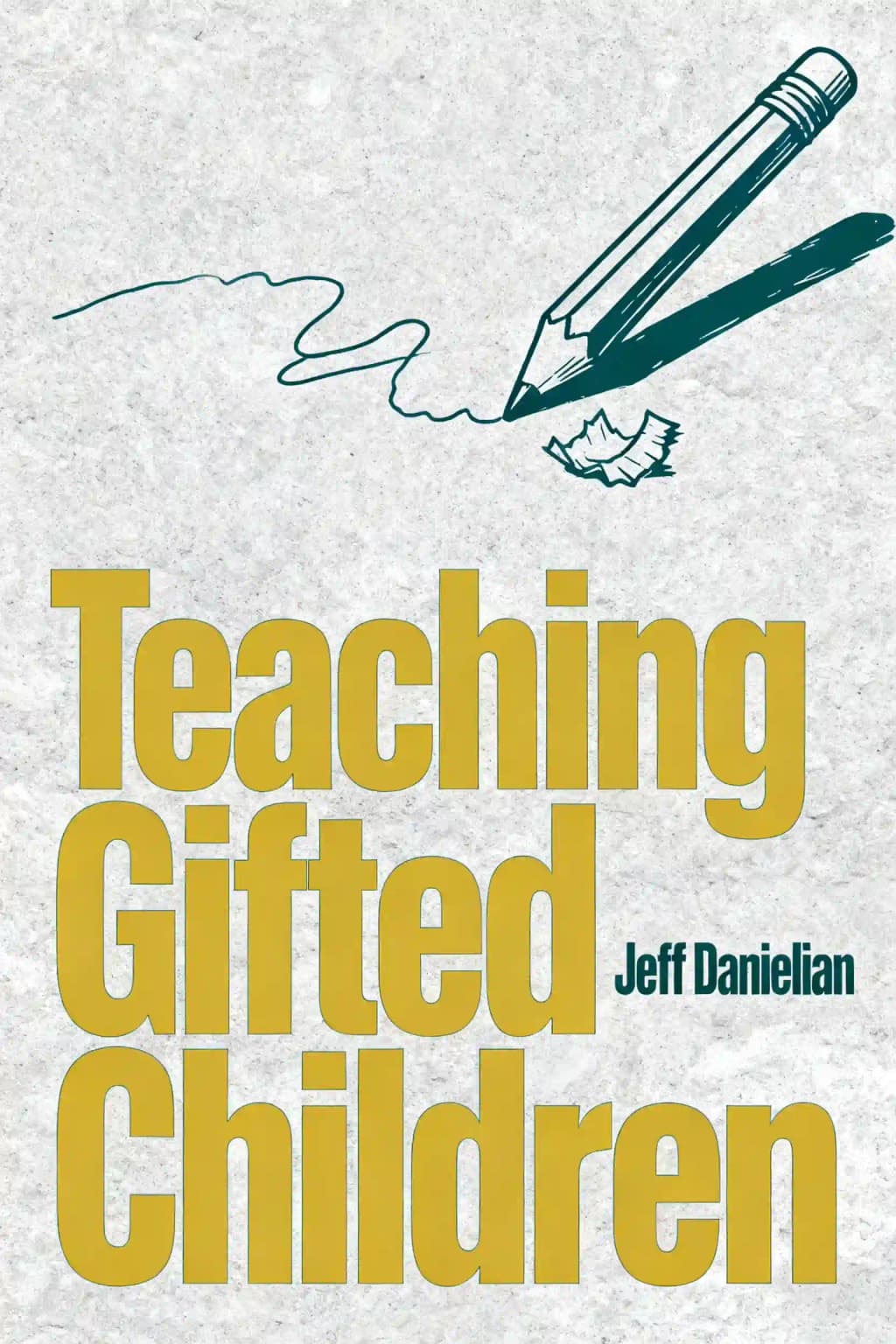
Teaching gifted children is both an art and a science-one that requires specialized knowledge, innovative approaches, and deep understanding of unique student needs. While many educators receive extensive training on supporting struggling learners, far fewer are equipped with strategies for challenging and nurturing students who demonstrate exceptional abilities. This comprehensive guide, edited by Jeff Danielian, C. Matthew Fugate, and Elizabeth Fogarty in partnership with the National Association for Gifted Children, has become a cornerstone resource in gifted education circles. Even Bill Gates reportedly keeps a copy on his bookshelf, citing it as influential in his educational philanthropy work. The book's practical wisdom has transformed classrooms across America, with teachers reporting that its strategies have helped them reconnect with their most talented but often disengaged students.
2장
The Foundation: Understanding Gifted Education's Purpose and Principles
At its core, gifted education exists to address three fundamental needs: supporting students' unique social-emotional challenges, qualifying them for specialized programs, and providing appropriate classroom differentiation. Gifted students frequently experience intense emotions, perfectionism, and isolation that can be misinterpreted as behavioral problems when teachers lack proper training. Their intellectual abilities often mask these struggles, creating what psychologists call the "mask of giftedness"-high achievement that conceals underlying difficulties. For instance, a student who completes all assignments perfectly but struggles with anxiety about making mistakes may appear successful while internally battling significant stress.
The book advocates for a talent development framework that moves beyond traditional identification methods focused solely on IQ scores. This modern approach recognizes domain-specific abilities that follow unique developmental trajectories, requiring tailored opportunities at each stage. Mathematical talent may emerge early and develop linearly, while leadership abilities might surface later and develop through specific experiences. Artistic talent might flourish in bursts, and linguistic gifts could manifest differently across various languages and contexts. Each domain requires its own identification methods and support structures.
Effective gifted education requires both early identification and ongoing assessment throughout a student's educational journey. This doesn't mean labeling children permanently, but rather recognizing that talents emerge at different times and in different contexts. For example, a child might show exceptional spatial reasoning abilities in elementary school through advanced LEGO constructions, later developing into engineering aptitude in middle school, and finally emerging as architectural talent in high school. The goal is to create articulated talent development pathways that provide appropriate challenges while emphasizing psychosocial skills development-the non-cognitive abilities that ultimately determine whether potential transforms into achievement.
What makes this approach revolutionary is its focus on developing talents toward creative contributions to society rather than merely accelerating through standard curriculum. It's not just about doing more work or doing it faster-it's about fundamentally different work that nurtures unique abilities and prepares students to make meaningful contributions in their areas of strength. This might involve connecting young scientists with research mentors, providing aspiring writers with publishing opportunities, or enabling budding entrepreneurs to launch real business ventures. The approach emphasizes authentic learning experiences that mirror real-world applications of talent.
The foundation also recognizes the critical role of environmental catalysts in talent development. These include supportive adults, enriched learning environments, and opportunities for challenge and growth. Research shows that even highly gifted students require specific conditions to thrive - including appropriate peer groups, intellectual stimulation, and emotional support. Without these elements, natural abilities may remain dormant or underdeveloped, highlighting the importance of comprehensive gifted education programs that address both cognitive and affective needs.
3장
Transforming Classroom Spaces for Gifted Learners
Traditional classroom environments often fail to meet gifted students' needs for intellectual stimulation, creative expression, and peer interaction. The book offers innovative approaches to reimagining learning spaces, both physically and conceptually, emphasizing the importance of creating environments that challenge and nurture exceptional learners.
Field trips provide powerful opportunities for gifted students to develop advocacy skills and experience authentic learning. When high school students visit state capitals to advocate for gifted education funding, they gain confidence in their voices while witnessing democratic processes firsthand. These experiences transform abstract civics lessons into meaningful engagement with governance systems. Students learn to research policy issues, prepare compelling presentations, and engage with legislators professionally. As one legislator remarked after hearing a student's personal story about being a "done student" (completing work quickly and having nothing meaningful to do): "I never understood what gifted education was really about until today." Such advocacy experiences often lead to lasting policy changes and help students develop leadership skills that benefit them throughout their lives.
Makerspaces represent another transformative approach to classroom environments. Unlike traditional teacher-directed projects with predetermined outcomes, these creative workshop spaces foster student-directed exploration where final products intentionally differ from one another. Science objectives can be incorporated through problem-based challenges-floating pennies to teach buoyancy or building vehicles with circuits to explore electricity-while deliberately vague language ("create a vehicle" rather than "build a car") prevents limiting student creativity. Advanced projects might include programming Arduino microcontrollers, designing 3D-printed solutions to community problems, or creating interactive art installations. The key insight is that organization matters more than expense; even cardboard boxes can effectively store materials ranging from basic tools to sophisticated electronics. Successful makerspaces often incorporate flexible seating, mobile workstations, and designated areas for both individual and collaborative work.
For adolescent gifted students who often lose services during the critical middle school transition, specialized programs like Enrichment Seminars address their unique social-emotional needs. These courses, taught by gifted-endorsed educators, help students navigate perfectionism, identity formation, and peer relationships while pursuing topics of interest. Activities might include philosophical discussions, creative problem-solving challenges, and independent research projects aligned with students' passions. Research shows this approach helps gifted students form positive identities and connect with like-minded peers, reducing the isolation many experience during adolescence. Programs often incorporate mentorship opportunities, connecting students with professionals in fields of interest. As one participant powerfully noted after learning about common characteristics of giftedness: "I realized there wasn't anything wrong with me" after years of being labeled overly sensitive. These seminars also provide safe spaces for discussing intensities and overexcitabilities common among gifted learners, helping students develop coping strategies and self-advocacy skills.
Regular classroom modifications can include creation of "genius hour" periods where students pursue independent projects, flexible grouping strategies that allow for both acceleration and enrichment, and technology integration that enables personalized learning paths. Documentation shows these adaptations benefit not only gifted learners but often raise engagement and achievement for all students.
4장
Nurturing Creativity in an Age of Standardization
Creativity remains essential to gifted education despite increasing standardization of curriculum. The book presents creativity not as an innate, unchangeable trait but as a process that can be assessed and developed through deliberate practice.
Understanding the creative process helps teachers match students with appropriate activities based on their strengths in different components: preparation (gathering information), problem development (defining parameters), idea generation (creating solutions), and implementation (testing ideas). By observing students or using questionnaires, teachers can identify these strengths and weaknesses, then direct students toward activities that leverage their creative strengths-research projects for those strong in preparation, Odyssey of the Mind for those excelling in idea generation, or Future Problem Solving for those skilled in problem development.
The book addresses the tension between structure and creative freedom, identifying two counterproductive extremes: intellectual uniformity (excessive rigidity) and intellectual anarchy (chaotic freedom). Both ultimately fail-uniformity makes creativity impossible while complete anarchy makes creativity meaningless since "if everything is creative, nothing is." The productive middle ground, intellectual ingenuity, combines structure and divergence in complementary ways. For classrooms leaning toward rigidity, introducing prescribed divergent stimuli can spark creativity; for chaotic environments, adding structure makes creativity accessible and meaningful.
Creative Problem Solving (CPS) provides a structured approach to integrating creativity into curriculum. Second-grade students applying this model to economic problems begin by identifying community needs through "Wouldn't It Be Awful If..." statements, which they transform into positive opportunities. Using tools like 5W+H questions and brainstorming techniques, they develop solutions-such as making and selling Christmas ornaments to benefit charity. This student-centered approach allows deep understanding of economics while developing transferable problem-solving skills.
Even standardized testing, often viewed as creativity's enemy, can become a venue for creative expression. When students at Thomas Jefferson High School for Science and Technology were encouraged to respond to test prompts with creative formats rather than formulaic essays, they produced interviews, plays, stories, and poems that engaged more deeply with complex questions. All students using creative formats on Virginia's End-of-Course Writing Test passed at advanced levels, with some achieving perfect scores. This approach encourages the risk-taking and complex thinking that matter more than the ability to write formulaic essays.
5장
Designing Curriculum That Challenges and Engages
Curriculum design for gifted learners requires moving beyond content coverage to conceptual understanding and higher-order thinking. The book provides frameworks for creating intellectually stimulating learning experiences across disciplines.
Understanding epistemology-how students process knowledge-is crucial when teaching gifted learners who think differently. Perry's developmental theory identifies four stages: Dualism (black-and-white thinking), Multiplicity (accepting multiple unanswered questions), Contextual Relativism (using discipline-specific tools to find "best answers"), and Dialectic (synthesizing contradictory viewpoints). Students with "one-in-a-million" minds capable of dialectic thinking are often overlooked because teachers don't understand their unique epistemology. To engage these global thinkers, curriculum must examine issues from multiple perspectives through problem-based learning, debates, and experimental design.
Essential Questions (EQs) provide the backbone for meaningful curriculum by articulating what truly matters in content. Unlike basic scaffolded questions, EQs are complex, abstract, and connect to universal truths. Effective EQs should be grade-appropriate, broadly written, conceptually focused, distinct, substantial, and logically sequenced. By determining "what is essential" before writing lessons and assessments, educators create more meaningful learning experiences that encourage students to recognize, appreciate, and eventually generate their own essential questions.
Conceptual learning methodologies strengthen curriculum through depth and complexity concepts (rules, big ideas, details, patterns) and universal concepts (change, power, systems). Rather than memorizing isolated facts, students learn to categorize information into meaningful clusters. Teachers implement these approaches by using conceptual vocabulary throughout lessons, creating visual references, and designing assignments that examine topics through conceptual lenses. This transforms traditional assignments like "famous person reports" into rigorous learning experiences that develop students' ability to make authentic connections between different areas of knowledge.
Curriculum compacting addresses the needs of students who become disruptive when forced to practice skills they've already mastered. This strategy condenses standard curriculum by eliminating repetition of previously mastered material, creating time for acceleration or enrichment. Implementation involves assessing what students know, identifying gaps, planning strategies for mastery, and collaborating with students on acceleration or enrichment activities. This serves as a philosophical bridge between means and goals, helping prevent high-achieving students from becoming disengaged dropouts due to lack of challenge.
6장
Developing Disciplinary Expertise Across Subject Areas
Gifted education must move beyond generic enrichment to develop true disciplinary expertise in specific subject areas. The book provides strategies for deepening content knowledge across language arts, mathematics, science, social studies, and the arts.
In language arts, teachers can nurture lifelong readers by reading aloud to children of all ages (using books about two years above their independent reading level), maintaining robust classroom libraries, allowing students to read anything they enjoy, and never discouraging children from reading ahead. For vocabulary development, intentional teaching is especially crucial for students from disadvantaged backgrounds who may know half as many words as peers when entering school. Using Beck's three-tier framework, teachers should focus on Tier 2 words (general academic vocabulary) through robust instruction while also introducing Tier 3 words (domain-specific terminology) for gifted learners who often love complex terminology.
Mathematics education for gifted students must address their unique learning behaviors: quick pattern recognition, efficient work habits, and ability to bypass algorithms for multistep problems. Effective strategies include curriculum compacting, flexible grouping based on readiness levels, and differentiated curriculum experiences that stress mathematical reasoning and discovery of underlying principles. Programs like Mathematics Olympiads provide additional challenges where students can apply logical reasoning skills. Statistical literacy should be introduced earlier than middle school (when Common Core introduces it) to develop critical thinking about the "mathematics of uncertainty" that students constantly encounter in daily life.
Visual and performing arts instruction should infuse thinking skills rather than focusing merely on technique. While students and teachers often emphasize technical skills, professional artists prioritize conceptual aspects like originality and creativity. Using models like Talents Unlimited alongside tiered assignments develops cognitive skills including productive thinking, decision making, planning, forecasting, and communication. This helps students gain autonomy in their creative process while developing transferable thinking skills.
In social studies, inquiry-based learning can transform disconnected facts into dynamic exploration. The NCSS C3 Framework's four dimensions-developing questions, applying disciplinary concepts, evaluating sources, and communicating conclusions-create meaningful learning experiences. Essential components include creating a need to know, establishing driving questions, allowing student voice and choice, incorporating 21st-century skills, encouraging inquiry and innovation, providing feedback for revision, and facilitating presentation of learning. Deliberation gives voice to high-ability students who may otherwise become bored or argumentative, helping them develop critical thinking, consider multiple perspectives, and become civically engaged.
Science education for gifted learners should foster genuine curiosity through problem-based learning and field experiences. Unlike professional scientists who develop novel experiments for unanswered questions, students typically follow prescribed steps with predetermined outcomes. To counter this, teachers should encourage students to ask and investigate their own higher-order questions and incorporate field experiences despite testing pressures. Digital technology can counteract "nature-deficit disorder" while teaching environmental education through global collaboration platforms where students document local ecosystems and compare findings worldwide.
7장
Addressing the Social-Emotional Needs of Gifted Students
Gifted students' unique social-emotional characteristics-high expectations, perfectionism, emotional sensitivity, empathy, intensity, advanced moral development, and complex identity formation-require deliberate support strategies.
Disillusionment often affects gifted children whose intensity, sensitivity, idealism, and concern with fairness lead them to struggle with the world's inconsistencies. A 6-year-old worrying about war or homelessness, or a 12-year-old pondering life's purpose rather than following trends, often becomes marginalized-sitting alone at lunch or being bullied. Teachers can help by recognizing the disillusionment process, listening without dismissing concerns, using bibliotherapy with books featuring similar characters, helping find other idealistic peers, bridging home-school communication, watching for depression signs, and practicing self-care to avoid compassion fatigue.
Contrary to popular belief, gifted children typically demonstrate greater resilience than their peers due to their intelligence, adaptability, problem-solving abilities, and perspective-taking skills. Positive emotions serve as powerful protective factors, with families that express gratitude, hope, love, and humor fostering resilient children. "Stress inoculation"-experiencing manageable challenges within a supportive context-builds resilience, as does developing a sense of agency through journaling and storytelling, helping gifted children take control of their personal narratives.
Perfectionism in gifted students stems from deep emotional roots rather than mere behavioral tendencies. It combines an intense desire for perfection with profound fear of imperfection, manifesting in various forms: the overcommitted high achiever, the hesitant student afraid of trying new things, or the procrastinator paralyzed by fear of imperfection. Unlike healthy strivers for excellence, perfectionistic students experience chronic anxiety about failure. Teachers can help by creating environments of acceptance through empathy (exploring how students experience their world), self-reflection (examining whether teaching practices contribute to perfectionism), and encouragement (affirming students' personal qualities rather than just achievements).
Gifted adolescents experience heightened stress in their complex lives. Teachers can help by facilitating discussions about stress management and guiding students to discover personal "daily pockets of joy"-brief, pleasurable activities that serve as mini-vacations during hectic days. Suggestions include listening to music, reading, walking in nature, journaling, spending time with friends or pets, engaging in physical activities, practicing relaxation techniques, pursuing hobbies, or creating art.
8장
Supporting Special Populations Within Gifted Education
Gifted education must address the needs of diverse populations, including culturally diverse students, those from low-income families, twice-exceptional learners, and LGBTQ students. Each group presents unique challenges and requires specific support strategies to ensure equitable access and success in gifted programs.
For culturally diverse gifted students, ethnic identity significantly impacts self-concept and achievement. Teachers and counselors should collaborate to implement comprehensive support strategies. These include bibliotherapy using culturally diverse literature that reflects students' experiences and backgrounds, service learning projects that harness emotional sensitivity while honoring cultural values, and differentiated instruction responsive to cultural learning differences. Curriculum integration should feature multicultural figures across all subject areas, highlighting contributions from diverse communities. Family mapping activities help build self-understanding and connect students to their heritage, while mentorship programs linking students with successful professionals from similar backgrounds provide crucial role models.
Despite Brown v. Board of Education's mandate to desegregate schools, gifted education remains significantly segregated. The "Equity Index" helps educators calculate equitable representation goals, revealing substantial disparities. African Americans, comprising 19% of students nationally but only 10% in gifted programs, should minimally represent 15.2% in gifted programs. Hispanic students, at 25% of enrollment but 16% in gifted programs, should minimally represent 20%. To address these disparities, schools should implement universal screening processes, use multiple criteria for identification, and provide talent development opportunities starting in early grades. Teachers should seek formal preparation in both gifted and multicultural education, while districts should establish partnerships with community organizations to support underrepresented students.
Twice-exceptional students present unique challenges in identification and programming. These learners meet criteria for giftedness while also having significant cognitive and academic deficits, often going unidentified because their cognitive strengths mask weaknesses. Effective identification requires comprehensive evaluation incorporating multiple data sources, including detailed teacher and parent input, portfolio assessment, and careful cognitive testing that accounts for processing differences. Programming should take an integrated approach considering both giftedness and disabilities simultaneously. Key strategies include personalized learning plans, academic contracts allowing flexible pacing, structured collaborative work opportunities, and differentiated assessment strategies. Teachers should focus on developing strengths while addressing only those weaknesses that directly impede talent development. Additional supports include explicit study skills instruction, organizational coaching, and facilitated peer interactions with other twice-exceptional students. Social-emotional support and self-advocacy skill development are crucial components of comprehensive programming.
LGBTQ gifted students face multiple challenges requiring specific attention and support. These include increased risk of violence, harassment, and discrimination, along with gender-varied interests and behaviors that may not align with traditional expectations. The lack of LGBTQ role models in standard curricula, social isolation, and heightened sensitivities common to gifted learners create additional stress. Schools should implement LGBTQ-inclusive curricula across subject areas, provide safe spaces and support groups, and ensure all school communications use inclusive language. Professional development should help staff understand intersectionality between giftedness and LGBTQ identity. Curriculum integration should highlight LGBTQ historical figures and their contributions, while library collections should include diverse representations of LGBTQ experiences. These efforts benefit all students by providing intellectually stimulating content while fostering understanding and acceptance in the school community.
9장
Collaborative Approaches to Supporting Gifted Education
Effective gifted education requires a sophisticated collaboration among teachers, counselors, administrators, and parents to create comprehensive support systems that address both academic excellence and social-emotional development. This multi-stakeholder approach ensures that gifted students receive consistent, well-rounded support across all aspects of their educational experience.
Professional school counselors serve as valuable allies for gifted educators through multiple essential roles: individual counseling, consultation, information gathering, service coordination, cross-functional collaboration, and accountability tracking. Through solution-focused techniques, counselors help gifted students navigate complex emotional terrain, such as existential questions about identity, impostor syndrome, multipotentiality in career choices, and asynchronous development. Counselors can coordinate specialized small groups focusing on healthy perfectionism, interest exploration, values clarification, and decision-making processes. They implement classroom guidance on stress reduction techniques like mindfulness and cognitive reframing, while creating vital partnerships with universities and community resources to enhance gifted programming through mentorships, internships, and advanced learning opportunities.
Teacher collaboration effectively combats the professional isolation often experienced by gifted education teachers, who may be the only specialist in their building. When teachers partner strategically to share instructional resources, design interdisciplinary units, and provide structured peer evaluation, they create exponentially better results than working in isolation. Effective collaboration requires establishing a shared vision based on compatible teaching philosophies, systematically identifying areas needing improvement, developing detailed implementation strategies, creating robust assessment tools, and engaging in regular reflection supported by specific student and parent feedback. This collaborative framework should include regular meeting times, clear role definitions, and mechanisms for measuring success.
Passion for learning often diminishes in gifted students despite their continued high achievement. Research has found sustained passion in gifted students involved in sports and arts, but notably absent was similar enthusiasm for academic subjects. Students consistently expressed boredom with unchallenging curriculum lacking real-world relevance, and were primarily concerned with maintaining their "smart" identity through high grades rather than being intrinsically motivated by learning itself. Teachers can actively foster academic passion by identifying and incorporating students' individual interests outside school, implementing project-based learning centered on authentic real-world problems, modeling their own intellectual enthusiasm, encouraging calculated intellectual risk-taking, providing specific and frequent feedback on growth, and emphasizing continuous improvement over performance metrics. Specific strategies might include genius hour projects, student-led research initiatives, and partnerships with community experts.
By implementing these collaborative approaches systematically, educators can create comprehensive support systems that address the complex academic, social, and emotional needs of gifted learners. This coordinated effort helps develop students' unique talents while nurturing their passion for learning, ultimately enabling them to make meaningful contributions to society. Success requires ongoing communication between all stakeholders, regular assessment of program effectiveness, and willingness to adapt strategies based on student outcomes and feedback.