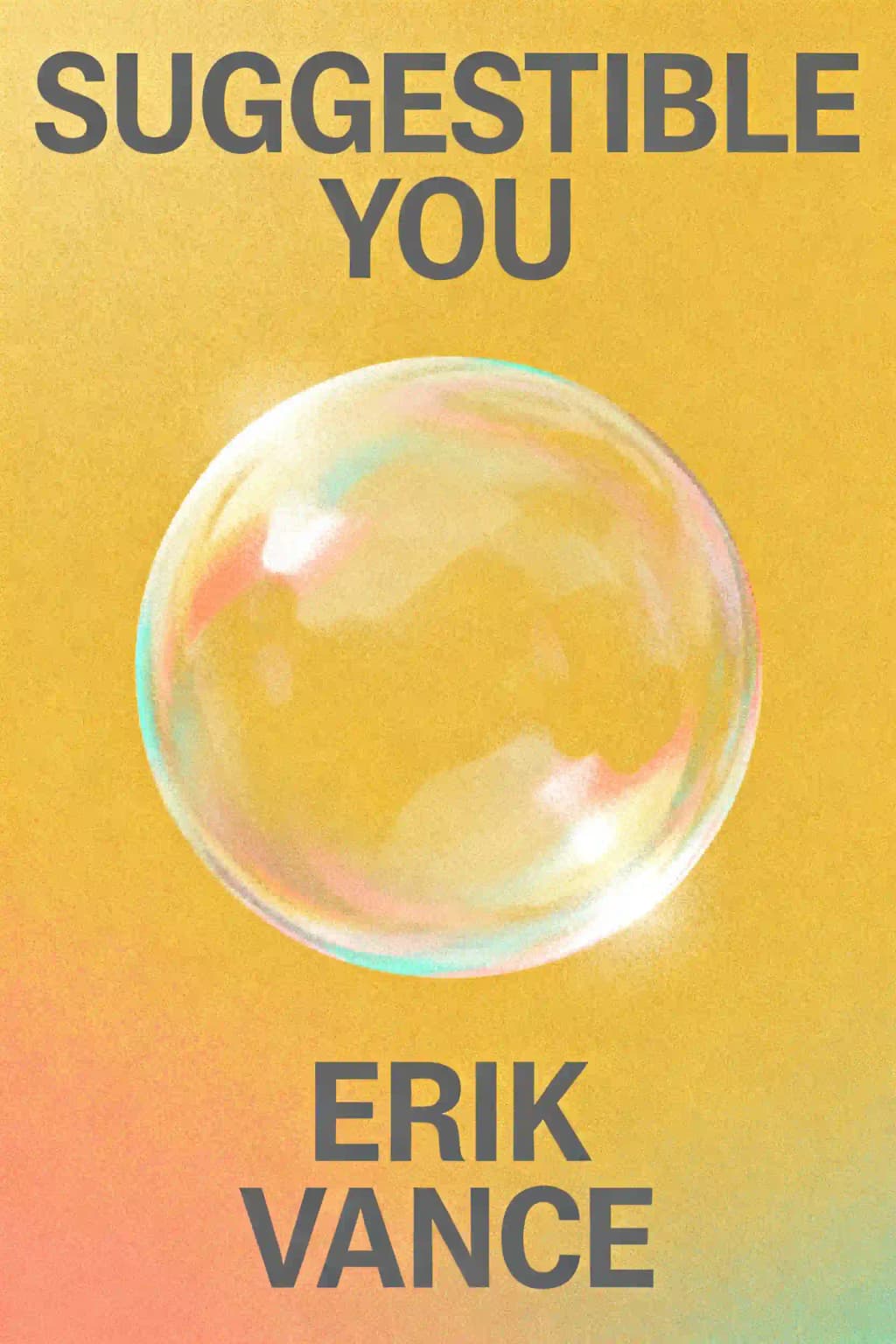
Your brain is medicine's most powerful untapped resource. "Suggestible You" explores how expectations reshape reality - from Harvard labs to Mexican witch doctors. Discover why identical milkshakes affect hunger hormones differently based solely on perceived calories. Could your mind be your strongest healing tool?
Erik Vance, award-winning science journalist and author of Suggestible You: The Curious Science of Your Brain’s Ability to Deceive, Transform, and Heal, specializes in exploring the intersection of neuroscience, psychology, and human behavior. His debut book delves into the placebo effect, hypnosis, and the mind-body connection, themes informed by his biology background from Principia College and UC Santa Cruz’s science writing program.
Vance’s hands-on approach to research—including being hypnotized, electrocuted, and cursed by a witchdoctor—showcases his commitment to unraveling science’s most elusive mysteries.
A contributor to The New York Times, National Geographic, and Scientific American, Vance’s work bridges academic rigor with narrative storytelling. His reporting on environmental issues and human resilience has taken him across Latin America and Asia, earning recognition for blending investigative depth with accessible prose.
Suggestible You, published by National Geographic, reflects his trademark curiosity and has been featured in discussions on PBS NewsHour and TEDx stages. The book underscores Vance’s reputation as a writer who transforms complex science into engaging, human-centered narratives.
Suggestible You explores the science of how beliefs and expectations physically shape health outcomes through placebo effects, hypnosis, and memory manipulation. Erik Vance combines personal experiments (like being hypnotized and cursed) with research to show how mental states influence pain perception, illness recovery, and sensory experiences. The book bridges neuroscience, psychology, and anthropology to reveal our brain’s power to deceive and heal.
This book suits curious readers interested in mind-body connections, psychology enthusiasts, and skeptics of alternative medicine. Healthcare professionals seeking insights into placebo-driven therapies or individuals navigating chronic pain will find actionable perspectives. Vance’s storytelling also appeals to fans of narrative-driven science books like those by Oliver Sacks or Malcolm Gladwell.
Yes, for its engaging blend of firsthand reporting and cutting-edge research on suggestibility. While some critics note a lack of practical advice, the book’s vivid examples—like luxury-labeled milkshakes tasting richer—make complex science accessible. It’s ideal for readers seeking to understand unconscious cognitive influences on health and behavior.
Vance demonstrates how placebos activate the brain’s self-healing mechanisms through expectation. For example, branded painkillers outperform generic ones because packaging primes the brain to anticipate relief. The book argues that placebo responses aren’t “fake” but biologically real, involving dopamine release and neural pathway changes.
The book advocates leveraging suggestion to enhance medical treatments, reduce painkiller dependency, and improve patient outcomes. One study showed homeopathic rituals (like symbolic snow vials) easing anxiety by reframing personal narratives. Vance also highlights how marketers exploit suggestibility through packaging and pricing.
Some reviewers note limited actionable steps to harness suggestibility intentionally. Others argue Vance overemphasizes anecdotal evidence from extremes like witch doctors, though these stories illustrate core principles vividly. The book balances critique by acknowledging placebo ethics and cultural variability in suggestibility.
As a science journalist, Vance’s investigative approach—submitting to hypnosis, electroshocks, and rituals—adds credibility and narrative flair. His biology training enables clear explanations of neural mechanisms, while global reporting (Mexico, China) contextualizes suggestibility across cultures.
A landmark study revealed participants perceiving “luxury-labeled” milkshakes as tastier and more satisfying, despite identical recipes. Vance also details fMRI research showing placebos activating pain-relief brain regions and hypnosis altering sensory processing.
Unlike self-help guides, Vance prioritizes scientific storytelling over prescriptive advice, akin to The Man Who Mistook His Wife for a Hat. It complements Thinking, Fast and Slow by focusing on subconscious belief systems rather than cognitive biases.
Yes—the book cites how reframing trauma narratives (e.g., through guided hypnosis) reduces anxiety and PTSD symptoms. However, Vance cautions against unchecked suggestibility, which can fuel false memories or dependency on unproven therapies.
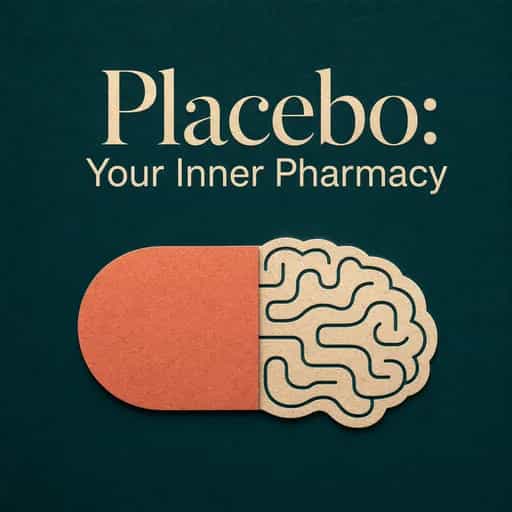
He compares the brain to a “storyteller” that reshapes reality to match expectations, like altering taste perceptions based on branding. Another metaphor frames placebo effects as the mind’s “internal pharmacy” dispensing self-produced relief.
Vance contrasts Western medicine’s skepticism with Mexico’s ritual-driven healers and China’s embrace of acupuncture, showing cultural frameworks amplify or dampen suggestion’s power. Shared beliefs (e.g., in shamans) create collective placebo responses.
저자의 목소리로 책을 느껴보세요
지식을 흥미롭고 예시가 풍부한 인사이트로 전환
핵심 아이디어를 빠르게 캡처하여 신속하게 학습
재미있고 매력적인 방식으로 책을 즐기세요
The theater of medicine triggers unconscious healing responses.
Commercials showing scientific-looking animations of drugs working enhance the placebo effect.
The placebo effect represents a complex interaction.
Dopamine influences everything from reward processing and movement to pain perception.
Suggestible You의 핵심 아이디어를 이해하기 쉬운 포인트로 분해하여 혁신적인 팀이 어떻게 창조하고, 협력하고, 성장하는지 이해합니다.
Suggestible You을 빠른 기억 단서로 압축하여 솔직함, 팀워크, 창의적 회복력의 핵심 원칙을 강조합니다.

생생한 스토리텔링을 통해 Suggestible You을 경험하고, 혁신 교훈을 기억에 남고 적용할 수 있는 순간으로 바꿉니다.
무엇이든 물어보고, 목소리를 선택하고, 진정으로 공감되는 인사이트를 함께 만들어보세요.

샌프란시스코에서 컬럼비아 대학교 동문들이 만들었습니다
"Instead of endless scrolling, I just hit play on BeFreed. It saves me so much time."
"I never knew where to start with nonfiction—BeFreed’s book lists turned into podcasts gave me a clear path."
"Perfect balance between learning and entertainment. Finished ‘Thinking, Fast and Slow’ on my commute this week."
"Crazy how much I learned while walking the dog. BeFreed = small habits → big gains."
"Reading used to feel like a chore. Now it’s just part of my lifestyle."
"Feels effortless compared to reading. I’ve finished 6 books this month already."
"BeFreed turned my guilty doomscrolling into something that feels productive and inspiring."
"BeFreed turned my commute into learning time. 20-min podcasts are perfect for finishing books I never had time for."
"BeFreed replaced my podcast queue. Imagine Spotify for books — that’s it. 🙌"
"It is great for me to learn something from the book without reading it."
"The themed book list podcasts help me connect ideas across authors—like a guided audio journey."
"Makes me feel smarter every time before going to work"
샌프란시스코에서 컬럼비아 대학교 동문들이 만들었습니다

Suggestible You 요약을 무료 PDF 또는 EPUB으로 받으세요. 인쇄하거나 오프라인에서 언제든 읽을 수 있습니다.
A toddler lay dying from Legionnaires' disease in Southern California. His parents, devout Christian Scientists who rejected conventional medicine, watched helplessly as his condition worsened. In desperation, his mother demanded that her faith deliver results. After a practitioner assured her that "God loves your child," she returned to find her son miraculously sitting up, recovered and happy. That child grew up never seeing a doctor until age 18, when a terrifying rock climbing accident shattered his faith but ignited a lifelong fascination: What if the healing he'd witnessed wasn't divine intervention but something equally profound-the brain's extraordinary ability to rewrite physical reality through belief alone?