A Nobel Peace laureate's memoir of how women's courage toppled Liberia's dictator. When Leymah Gbowee united Christian and Muslim women through prayer and sex strikes, she didn't just end a civil war - she sparked a global movement for female-led peacebuilding.
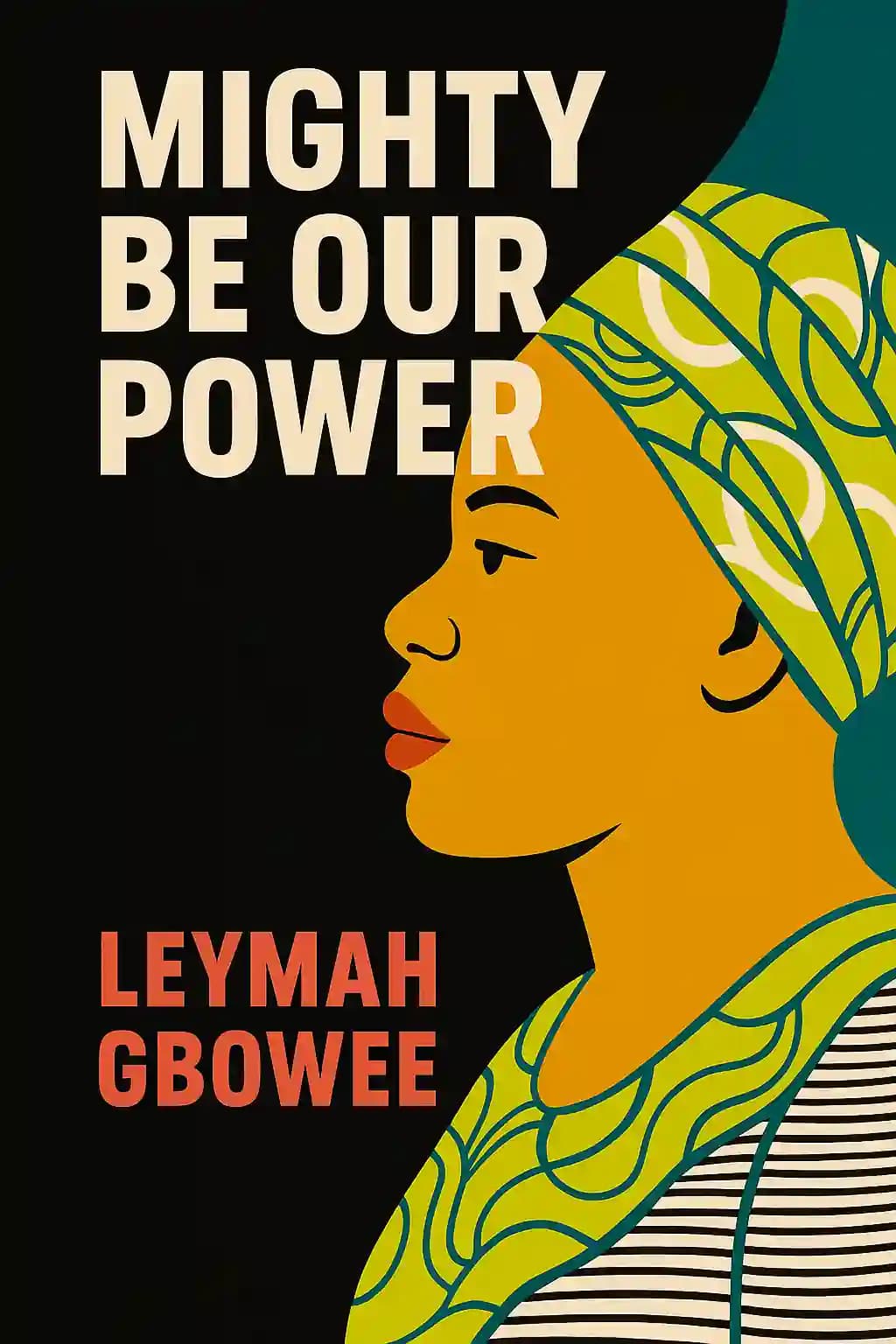
Leymah Roberta Gbowee, Nobel Peace Laureate and Liberian peace activist, authored the memoir Mighty Be Our Powers, a searing account of her leadership in ending Liberia’s civil war through grassroots feminist organizing.
The book blends autobiography with themes of conflict resolution, interfaith collaboration, and women’s empowerment, reflecting Gbowee’s lived experience as a trauma counselor and founder of the Women of Liberia Mass Action for Peace movement. Her work, featured in the award-winning documentary Pray the Devil Back to Hell, demonstrates how nonviolent protest and strategic coalition-building can dismantle systems of violence.
Gbowee holds an MA in conflict transformation from Eastern Mennonite University and founded the Gbowee Peace Foundation Africa to advance education and leadership opportunities for West African women. She has received honorary degrees from Georgetown University, Rhodes University, and others, cementing her global authority on peacebuilding.
Awarded the 2011 Nobel Peace Prize alongside Ellen Johnson Sirleaf, Gbowee’s memoir has become essential reading in gender studies and international relations curricula worldwide, translated into multiple languages to amplify its impact across continents.
Mighty Be Our Powers chronicles Nobel Peace Prize winner Leymah Gbowee’s journey from a war-torn Liberian youth to a leader of a women’s peace movement that ended Liberia’s civil war. Through sisterhood, prayer, and strategic activism—including a sex strike—Gbowee united Christian and Muslim women to demand peace, reshaping national politics and inspiring global change.
This memoir is essential for peace activists, feminists, and readers drawn to stories of resilience. It appeals to those interested in African history, grassroots movements, or the role of women in conflict resolution. Educators and social workers will find insights into trauma healing and community organizing.
Yes—it’s a gripping, firsthand account of how ordinary women achieved extraordinary change. Gbowee’s vivid storytelling, combined with her Nobel-recognized activism, offers timeless lessons on courage and collective action. Critics praise its raw honesty, though some note limited emotional depth in sections.
Gbowee co-founded the Women of Liberia Mass Action for Peace, organizing protests, sit-ins, and prayers across religious lines. Their tactics included blockading peace talks until negotiators prioritized women’s demands and staging a sex strike to pressure male combatants. These efforts forced warlords and President Charles Taylor to engage in peace talks.
The sex strike, though brief, symbolized women’s collective power and drew global media attention. It pressured men to seek peaceful resolutions and highlighted women’s agency in a patriarchal society. Gbowee clarifies it was one tactic among many, not the sole driver of success.
Gbowee survived poverty, domestic abuse, and the trauma of fleeing war as a refugee. She balanced single motherhood with activism, often facing criticism from traditional leaders. Her memoir details struggles with self-doubt and societal expectations.
Gbowee recounts her work rehabilitating child soldiers and war survivors as a social worker. She emphasizes communal healing through shared storytelling and women’s solidarity, framing resilience as a collective—not individual—journey.
The title reflects the transformative power of unity. “Mighty Be Our Powers” echoes the women’s anthem during protests, symbolizing their unshakable belief that collective action could overcome decades of violence.
Gbowee and Sirleaf (Liberia’s first female president) shared the 2011 Nobel Peace Prize. While Gbowee mobilized grassroots protests, Sirleaf implemented policy changes post-war. The book highlights their complementary roles in Liberia’s transition.
Some reviewers note uneven pacing and excessive focus on organizational acronyms. A few critique limited introspection about Gbowee’s personal conflicts, though others argue this mirrors her pragmatic leadership style.
Key takeaways include:
The memoir demonstrates how marginalized groups can leverage collective voice to demand justice. Its themes resonate with global movements like #MeToo and climate activism, underscoring the enduring relevance of grassroots organizing.
저자의 목소리로 책을 느껴보세요
지식을 흥미롭고 예시가 풍부한 인사이트로 전환
핵심 아이디어를 빠르게 캡처하여 신속하게 학습
재미있고 매력적인 방식으로 책을 즐기세요
I am too young to die!
Death, once abstract, became horrifyingly concrete.
The innocent girl she had been just months before had disappeared completely, leaving nothing but bone.
What makes Leymah's story remarkable isn't just that she survived these compounded traumas, but how she eventually transformed her pain into purpose.
Mighty be our powers의 핵심 아이디어를 이해하기 쉬운 포인트로 분해하여 혁신적인 팀이 어떻게 창조하고, 협력하고, 성장하는지 이해합니다.
Mighty be our powers을 빠른 기억 단서로 압축하여 솔직함, 팀워크, 창의적 회복력의 핵심 원칙을 강조합니다.

생생한 스토리텔링을 통해 Mighty be our powers을 경험하고, 혁신 교훈을 기억에 남고 적용할 수 있는 순간으로 바꿉니다.
무엇이든 물어보고, 목소리를 선택하고, 진정으로 공감되는 인사이트를 함께 만들어보세요.

샌프란시스코에서 컬럼비아 대학교 동문들이 만들었습니다
"Instead of endless scrolling, I just hit play on BeFreed. It saves me so much time."
"I never knew where to start with nonfiction—BeFreed’s book lists turned into podcasts gave me a clear path."
"Perfect balance between learning and entertainment. Finished ‘Thinking, Fast and Slow’ on my commute this week."
"Crazy how much I learned while walking the dog. BeFreed = small habits → big gains."
"Reading used to feel like a chore. Now it’s just part of my lifestyle."
"Feels effortless compared to reading. I’ve finished 6 books this month already."
"BeFreed turned my guilty doomscrolling into something that feels productive and inspiring."
"BeFreed turned my commute into learning time. 20-min podcasts are perfect for finishing books I never had time for."
"BeFreed replaced my podcast queue. Imagine Spotify for books — that’s it. 🙌"
"It is great for me to learn something from the book without reading it."
"The themed book list podcasts help me connect ideas across authors—like a guided audio journey."
"Makes me feel smarter every time before going to work"
샌프란시스코에서 컬럼비아 대학교 동문들이 만들었습니다

Mighty be our powers 요약을 무료 PDF 또는 EPUB으로 받으세요. 인쇄하거나 오프라인에서 언제든 읽을 수 있습니다.
In the scorching heat of Monrovia, Liberia, women dressed in white gathered on Tubman Boulevard. Their bodies ached, skin darkened by the sun, but they refused to move. These weren't seasoned activists or politicians-they were mothers, daughters, and sisters who had witnessed unspeakable horrors during fourteen years of civil war. Led by a remarkable woman named Leymah Gbowee, they had reached their breaking point. "We are tired of our children being killed! We are tired of being raped! Women, wake up-you have a voice in the peace process!" Their simple message echoed across a nation where 250,000 people had died and one-third of the population had been displaced: "The women of Liberia want peace now!" What began as a small gathering would grow into a movement so powerful it would force warlords to negotiate, drive a dictator into exile, and help elect Africa's first modern female head of state. This wasn't just a triumph of hope over violence-it was a revolution in who gets to shape a nation's destiny.