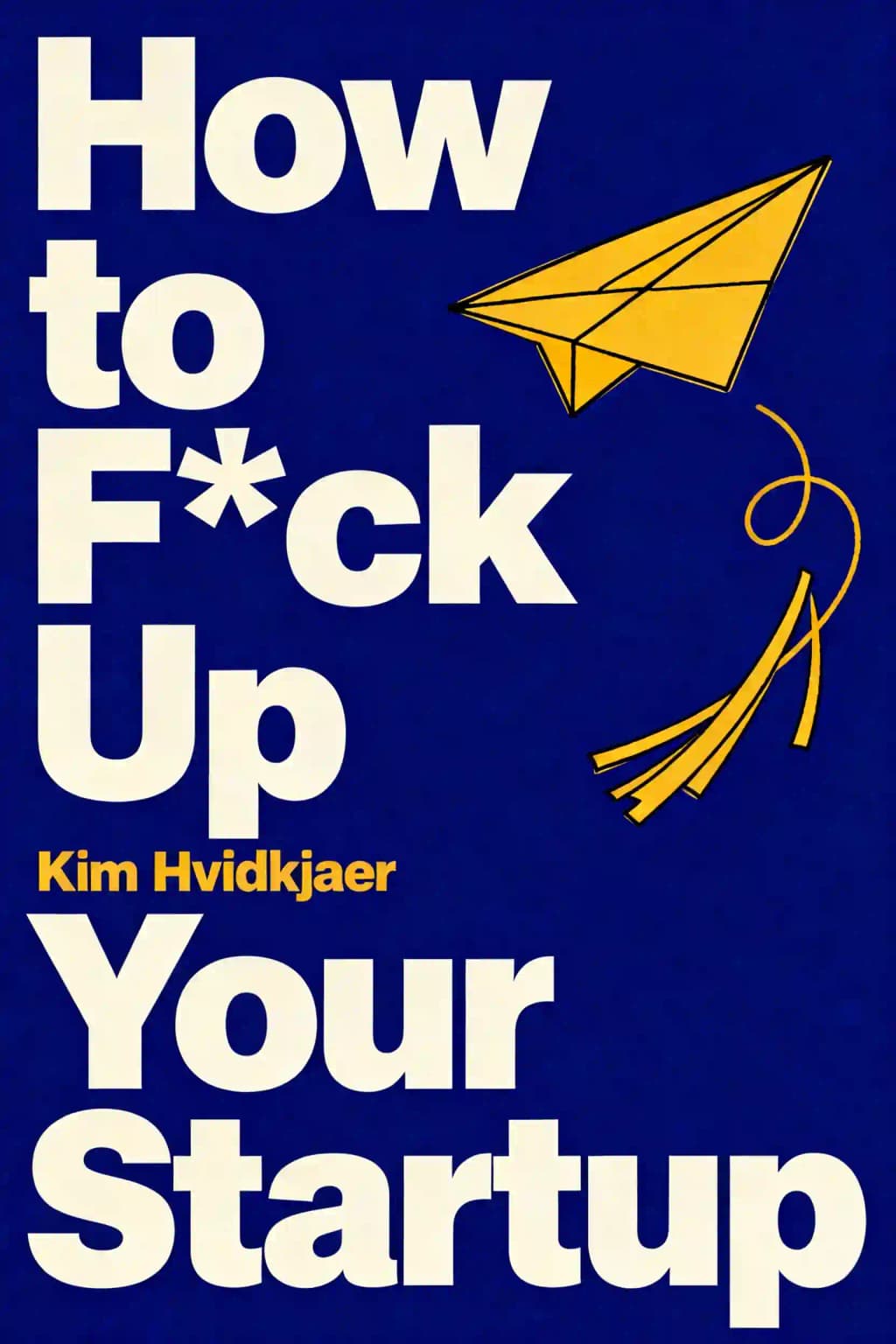
Millionaire at 29, broke at 31. Kim Hvidkjaer's Wall Street Journal bestseller reveals why 90% of startups fail - and how to avoid their fate. Learn from someone who's actually been there, lost everything, and rebuilt smarter.
저자의 목소리로 책을 느껴보세요
지식을 흥미롭고 예시가 풍부한 인사이트로 전환
핵심 아이디어를 빠르게 캡처하여 신속하게 학습
재미있고 매력적인 방식으로 책을 즐기세요
A mansion in Denmark's wealthiest neighborhood. A portfolio worth over $2 million. Features in glossy magazines celebrating you as a rising star. Then, two years later, it's gone - not just the money, but more than most people earn in their entire lives. This wasn't a cautionary tale from the 2008 financial crisis. This was Kim Hvidkjaer's lived reality, and it became the foundation for understanding why 90% of startups collapse. What's remarkable isn't the fall itself - it's what came after. Instead of hiding in shame, Hvidkjaer dissected over 160,000 failed companies across fifteen years, searching for patterns in the wreckage. The result challenges everything we think we know about entrepreneurship. We celebrate founders who "believed in themselves" and "never gave up," but what if those very qualities are destroying promising ventures? What if the mindset that gets you started is the same one that leads you off a cliff? Think about the last time you had a brilliant business idea. Maybe you were in the shower, or stuck in traffic, or lying awake at 3 a.m. You felt that electric surge of possibility. Then what happened? If you're like most people, you filed it away under "someday" and returned to your stable job, your predictable income, your comfortable routine. Here's the uncomfortable truth: the biggest failure isn't losing money or shutting down - it's never starting at all. We create elaborate excuses dressed up as practical concerns. Too young. Too old. Family obligations. Market timing. But age is fiction in entrepreneurship. Mark Pincus launched Zynga at 41. Arianna Huffington built HuffPost at 54. Colonel Sanders was 62 when KFC finally succeeded. The "right time" is a mirage that keeps receding as you approach it. Yet starting requires more than blind optimism. There's a simple litmus test: the Toilet Test. If you think about your idea as often as you use the bathroom, if it makes everything else fade into background noise, if your pulse quickens when you imagine it coming to life - that's your signal. Not market research. Not financial projections. Your body already knows. But here's where it gets tricky. Once you start, impostor syndrome arrives like clockwork. You'll climb what researchers call "Mount Stupid" - that early peak of confidence when you don't yet know what you don't know. Then comes the crash into the "Valley of Despair," where increased wisdom reveals how little you actually understand. Most founders quit here, mistaking growing competence for incompetence. The ones who survive reach the "Slope of Enlightenment," where wisdom and confidence finally align. The antidote isn't waiting until you feel ready - you'll never feel ready. It's strategic self-deception: fake it till you make it. Start calling yourself an entrepreneur, not someone who "just started a company." Strike power poses before important meetings. Keep an accomplishment journal. These aren't empty affirmations; they're rewiring your brain's threat response system. And please, stop plate-spinning. That brilliant secondary idea can wait. Create a "not-to-do list" to capture inspiration without fragmenting your focus. Accomplish more by doing less. It sounds paradoxical until you try it.
How to F*ck Up Your Startup의 핵심 아이디어를 이해하기 쉬운 포인트로 분해하여 혁신적인 팀이 어떻게 창조하고, 협력하고, 성장하는지 이해합니다.
How to F*ck Up Your Startup을 빠른 기억 단서로 압축하여 솔직함, 팀워크, 창의적 회복력의 핵심 원칙을 강조합니다.

생생한 스토리텔링을 통해 How to F*ck Up Your Startup을 경험하고, 혁신 교훈을 기억에 남고 적용할 수 있는 순간으로 바꿉니다.
무엇이든 물어보고, 목소리를 선택하고, 진정으로 공감되는 인사이트를 함께 만들어보세요.

샌프란시스코에서 컬럼비아 대학교 동문들이 만들었습니다
"Instead of endless scrolling, I just hit play on BeFreed. It saves me so much time."
"I never knew where to start with nonfiction—BeFreed’s book lists turned into podcasts gave me a clear path."
"Perfect balance between learning and entertainment. Finished ‘Thinking, Fast and Slow’ on my commute this week."
"Crazy how much I learned while walking the dog. BeFreed = small habits → big gains."
"Reading used to feel like a chore. Now it’s just part of my lifestyle."
"Feels effortless compared to reading. I’ve finished 6 books this month already."
"BeFreed turned my guilty doomscrolling into something that feels productive and inspiring."
"BeFreed turned my commute into learning time. 20-min podcasts are perfect for finishing books I never had time for."
"BeFreed replaced my podcast queue. Imagine Spotify for books — that’s it. 🙌"
"It is great for me to learn something from the book without reading it."
"The themed book list podcasts help me connect ideas across authors—like a guided audio journey."
"Makes me feel smarter every time before going to work"
샌프란시스코에서 컬럼비아 대학교 동문들이 만들었습니다

How to F*ck Up Your Startup 요약을 무료 PDF 또는 EPUB으로 받으세요. 인쇄하거나 오프라인에서 언제든 읽을 수 있습니다.