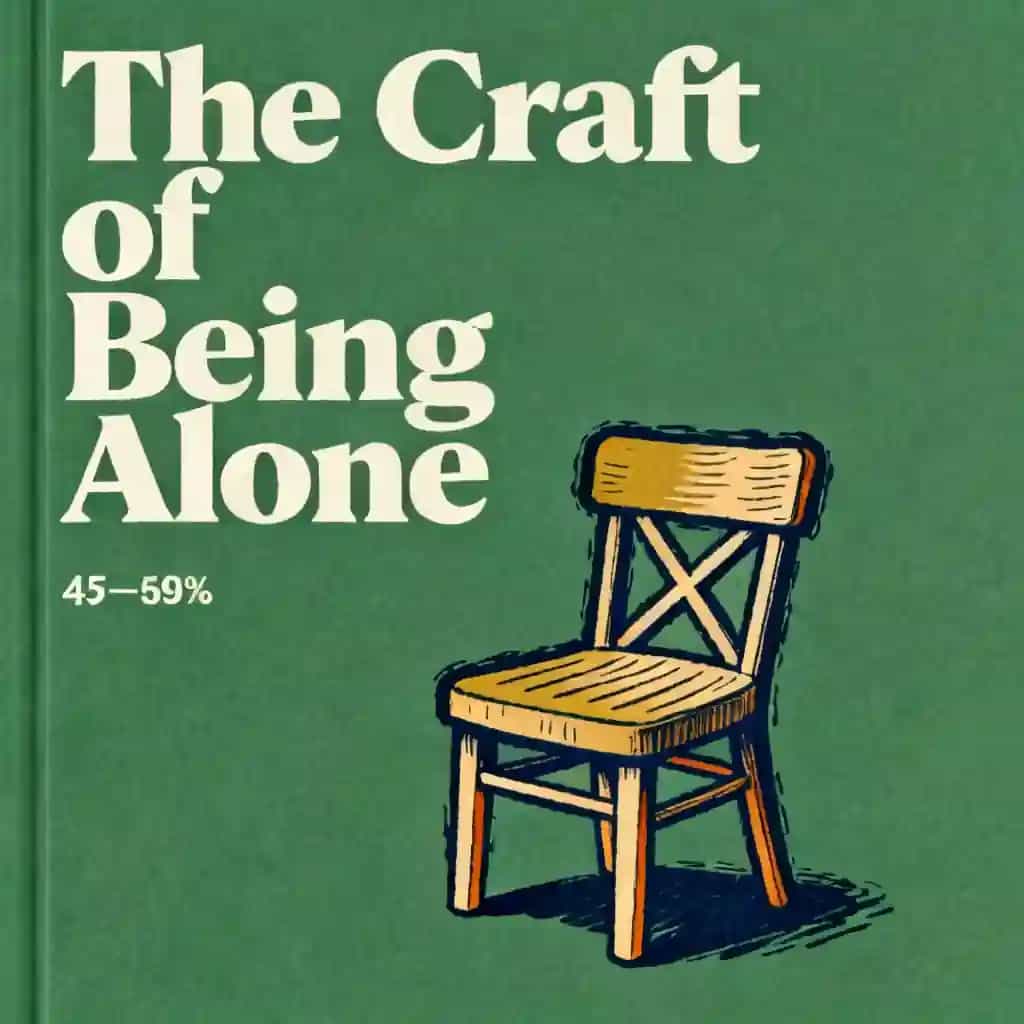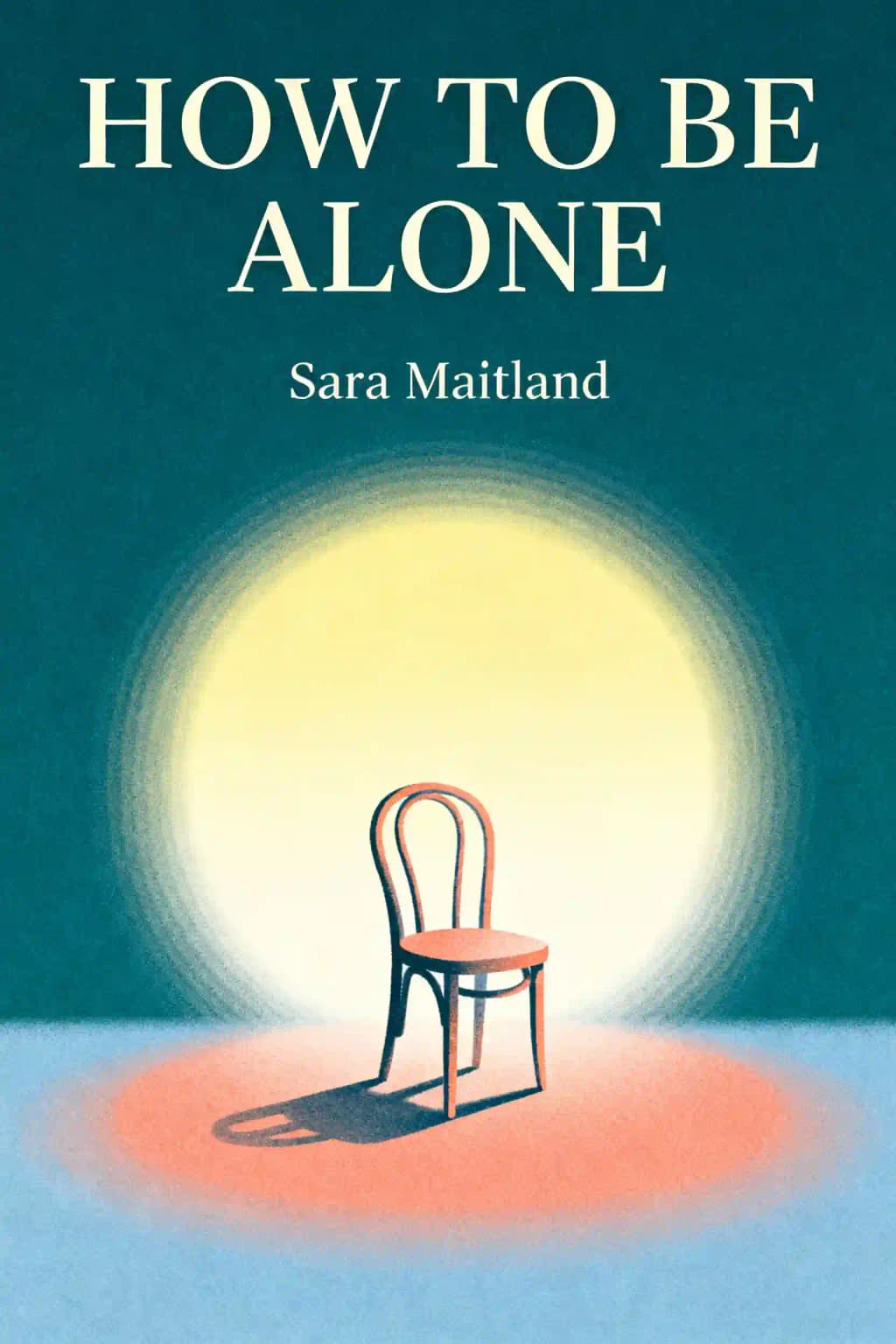
In "How to Be Alone," Sara Maitland boldly challenges our society's fear of solitude. Praised by The New York Times as "intelligent, non-self-helpy, yet immensely helpful," this cultural touchstone reveals why what we fear most might actually unlock our greatest creativity and fulfillment.
저자의 목소리로 책을 느껴보세요
지식을 흥미롭고 예시가 풍부한 인사이트로 전환
핵심 아이디어를 빠르게 캡처하여 신속하게 학습
재미있고 매력적인 방식으로 책을 즐기세요
In a society where "loner" has become shorthand for "psychotic murderer" and loneliness is treated as a public health crisis, Sara Maitland offers a revolutionary perspective. Living in rural Scotland where her nearest neighbor is miles away, she often goes days without seeing another person - and she absolutely loves it. Her experience challenges our deep cultural anxiety about solitude. What if being alone isn't something to fear but something to embrace? What if solitude offers gifts that constant connection cannot provide? This quiet manifesto has become something of a cult classic among creative professionals who recognize that in our hyperconnected age, the ability to be contentedly alone might be our most radical act of self-determination. We've developed a profound cultural phobia of solitude. The accusations against it are numerous: that it's unnatural (humans are pack animals), pathological (psychology insists relationships are necessary for health), and dangerous (physically and psychically risky). The moral arguments are even more absurd: that solitude is self-indulgent, escapist, antisocial, and evades social responsibility. These criticisms reveal important questions we're avoiding about what relationships actually provide, whether creative work offers alternative gratification, and why different lifestyles provoke such anxiety. Throughout history, many people have sought solitude without becoming serial killers - some became great artists or saints. Consider Greta Garbo, who famously retired at thirty-five to live a simpler life with selective social engagement, demonstrating how one can choose solitude without dysfunction.
How to Be Alone의 핵심 아이디어를 이해하기 쉬운 포인트로 분해하여 혁신적인 팀이 어떻게 창조하고, 협력하고, 성장하는지 이해합니다.
How to Be Alone을 빠른 기억 단서로 압축하여 솔직함, 팀워크, 창의적 회복력의 핵심 원칙을 강조합니다.
생생한 스토리텔링을 통해 How to Be Alone을 경험하고, 혁신 교훈을 기억에 남고 적용할 수 있는 순간으로 바꿉니다.
무엇이든 물어보고, 목소리를 선택하고, 진정으로 공감되는 인사이트를 함께 만들어보세요.

샌프란시스코에서 컬럼비아 대학교 동문들이 만들었습니다
"Instead of endless scrolling, I just hit play on BeFreed. It saves me so much time."
"I never knew where to start with nonfiction—BeFreed’s book lists turned into podcasts gave me a clear path."
"Perfect balance between learning and entertainment. Finished ‘Thinking, Fast and Slow’ on my commute this week."
"Crazy how much I learned while walking the dog. BeFreed = small habits → big gains."
"Reading used to feel like a chore. Now it’s just part of my lifestyle."
"Feels effortless compared to reading. I’ve finished 6 books this month already."
"BeFreed turned my guilty doomscrolling into something that feels productive and inspiring."
"BeFreed turned my commute into learning time. 20-min podcasts are perfect for finishing books I never had time for."
"BeFreed replaced my podcast queue. Imagine Spotify for books — that’s it. 🙌"
"It is great for me to learn something from the book without reading it."
"The themed book list podcasts help me connect ideas across authors—like a guided audio journey."
"Makes me feel smarter every time before going to work"
샌프란시스코에서 컬럼비아 대학교 동문들이 만들었습니다

How to Be Alone 요약을 무료 PDF 또는 EPUB으로 받으세요. 인쇄하거나 오프라인에서 언제든 읽을 수 있습니다.