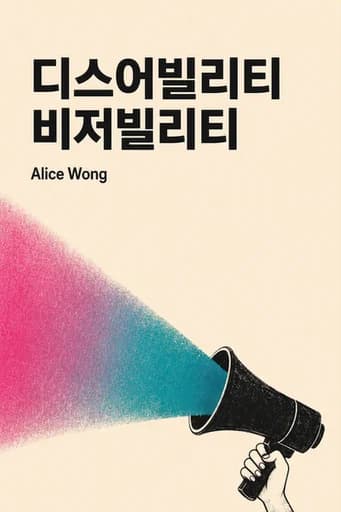
In "Disability Visibility," Alice Wong amplifies 37 powerful disabled voices celebrating the 30th anniversary of the ADA. Featured in TIME and British Vogue, this groundbreaking anthology challenges ableism while exploring intersectionality. What does it mean to simply *be* when society insists on fixing you?
Alice Wong is a disabled activist, writer, and founder of the Disability Visibility Project, renowned for amplifying disability narratives through oral histories and anthologies.
Her groundbreaking work Disability Visibility: First-Person Stories from the Twenty-First Century compiles essays exploring disability justice, identity, and intersectionality, informed by her decades of advocacy and lived experience as a Chinese-American wheelchair user.
A former appointee to the National Council on Disability under President Obama, Wong co-created initiatives like #CripTheVote and Access Is Love while maintaining partnerships with institutions from the San Francisco Museum of Modern Art to Netflix, where she voiced a character based on herself in Human Resources.
Her memoir Year of the Tiger offers further insights into disability activism, earning a Northern California Book Award. Wong’s anthologies have become essential texts in disability studies programs, with Disability Visibility widely praised as a defining collection of contemporary disability culture.
Disability Visibility is a groundbreaking anthology celebrating 30 years of the Americans With Disabilities Act (1990-2020). Edited by activist Alice Wong, it features 37 essays, poems, and interviews from disabled writers, exploring themes like identity, systemic barriers, intersectionality, and joy. Divided into four sections—Being, Becoming, Doing, and Connecting—it amplifies underrepresented voices, challenging stereotypes while advocating for disability justice.
This book is essential for anyone interested in social justice, disability rights, or intersectional activism. Educators, policymakers, and allies will gain critical insights into systemic ableism, while disabled readers will find validation and community. Its accessible format—blending personal narratives with calls to action—makes it ideal for classrooms, book clubs, and lifelong learners.
Yes. Kirkus Reviews calls it “galvanizing” for its diverse perspectives and unflinching honesty. The collection balances raw accounts of discrimination with triumphs in disability culture, offering actionable frameworks for inclusivity. Notable essays include Haben Girma’s guide dog reflections and Harriet McBryde Johnson’s debate on personhood, making it a vital resource for understanding contemporary disability discourse.
Key themes include:
Over half the contributors are disabled people of color, LGBTQ+ individuals, or low-income writers. For example, Leroy F. Moore Jr. discusses police violence against Black disabled communities, while Sandy Ho examines Asian American disability stigma. These narratives reject “single-issue” activism, centering multiply marginalized voices.
Some reviewers note the anthology’s U.S.-centric focus and lack of global perspectives. Others highlight gaps in representing certain disabilities, like rare genetic conditions. However, Wong openly acknowledges these limitations, providing a 15-page resource list for further exploration.
Unlike memoirs like The Diving Bell and the Butterfly, this anthology prioritizes community over individual heroism. It aligns with works by Mia Mingus and Leah Lakshmi Piepzna-Samarasinha but stands out for its genre diversity (e.g., transcripts, fiction) and focus on 21st-century issues like digital activism.
Essays like “The Erasure of Indigenous People in Chronic Illness” and “Disability Solidarity” offer concrete strategies:
Yes. Ariel Henley’s essay critiques facial recognition biases against facial differences, while #HospitalSocks (Cheryl Green) explores Twitter as a tool for community building. Wong’s introduction also highlights the Disability Visibility Project’s podcast, showcasing digital storytelling’s role in modern activism.
With global crises exacerbating disability inequities (climate disasters, AI bias), the book’s lessons on resilience and collective care remain urgent. Its focus on intersectionality also aligns with 2025’s broader social justice movements, making it a timely guide for activists and allies.
The anthology’s 15-page appendix lists:
저자의 목소리로 책을 느껴보세요
지식을 흥미롭고 예시가 풍부한 인사이트로 전환
핵심 아이디어를 빠르게 캡처하여 신속하게 학습
재미있고 매력적인 방식으로 책을 즐기세요
We are not a monolith.
Disability is not a dirty word.
We need stories like these, stories by us and for us.
Nothing about us without us.
Disability Visibility의 핵심 아이디어를 이해하기 쉬운 포인트로 분해하여 혁신적인 팀이 어떻게 창조하고, 협력하고, 성장하는지 이해합니다.
Disability Visibility을 빠른 기억 단서로 압축하여 솔직함, 팀워크, 창의적 회복력의 핵심 원칙을 강조합니다.

생생한 스토리텔링을 통해 Disability Visibility을 경험하고, 혁신 교훈을 기억에 남고 적용할 수 있는 순간으로 바꿉니다.
무엇이든 물어보고, 목소리를 선택하고, 진정으로 공감되는 인사이트를 함께 만들어보세요.

샌프란시스코에서 컬럼비아 대학교 동문들이 만들었습니다
"Instead of endless scrolling, I just hit play on BeFreed. It saves me so much time."
"I never knew where to start with nonfiction—BeFreed’s book lists turned into podcasts gave me a clear path."
"Perfect balance between learning and entertainment. Finished ‘Thinking, Fast and Slow’ on my commute this week."
"Crazy how much I learned while walking the dog. BeFreed = small habits → big gains."
"Reading used to feel like a chore. Now it’s just part of my lifestyle."
"Feels effortless compared to reading. I’ve finished 6 books this month already."
"BeFreed turned my guilty doomscrolling into something that feels productive and inspiring."
"BeFreed turned my commute into learning time. 20-min podcasts are perfect for finishing books I never had time for."
"BeFreed replaced my podcast queue. Imagine Spotify for books — that’s it. 🙌"
"It is great for me to learn something from the book without reading it."
"The themed book list podcasts help me connect ideas across authors—like a guided audio journey."
"Makes me feel smarter every time before going to work"
샌프란시스코에서 컬럼비아 대학교 동문들이 만들었습니다

Disability Visibility 요약을 무료 PDF 또는 EPUB으로 받으세요. 인쇄하거나 오프라인에서 언제든 읽을 수 있습니다.
Have you ever considered that simply showing up in your own body might be a political act? For millions of disabled people worldwide, this isn't a philosophical question-it's daily reality. "Disability Visibility" shatters the tired narratives we've grown accustomed to: the inspiration porn, the tragic victim, the superhuman overcomer. Instead, it offers something far more radical and necessary-authentic voices speaking without apology or explanation. These aren't stories designed to make non-disabled readers feel comfortable or inspired. They're raw, complex, sometimes uncomfortable truths about what it means to navigate a world built without you in mind. As disability rights activist Sandy Ho writes, taking up space as a disabled person is always revolutionary. This anthology proves why.