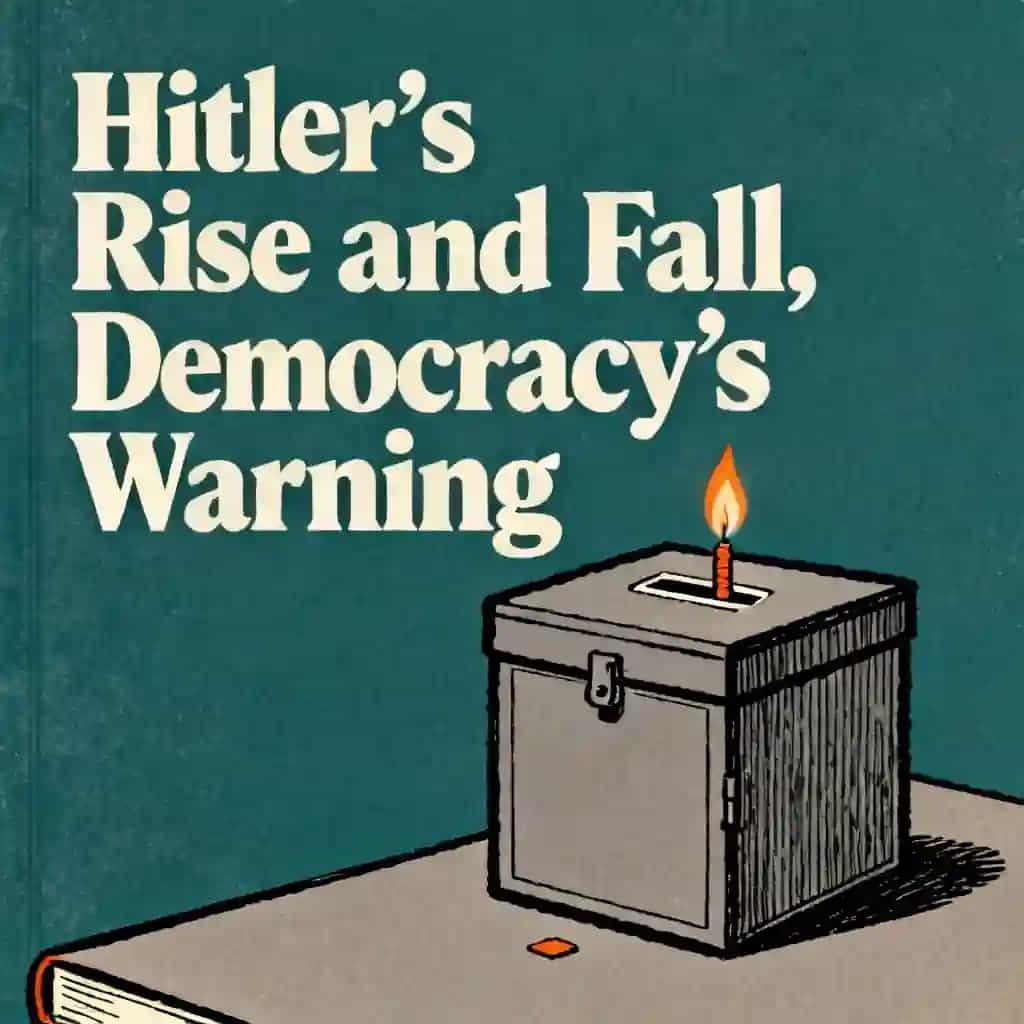
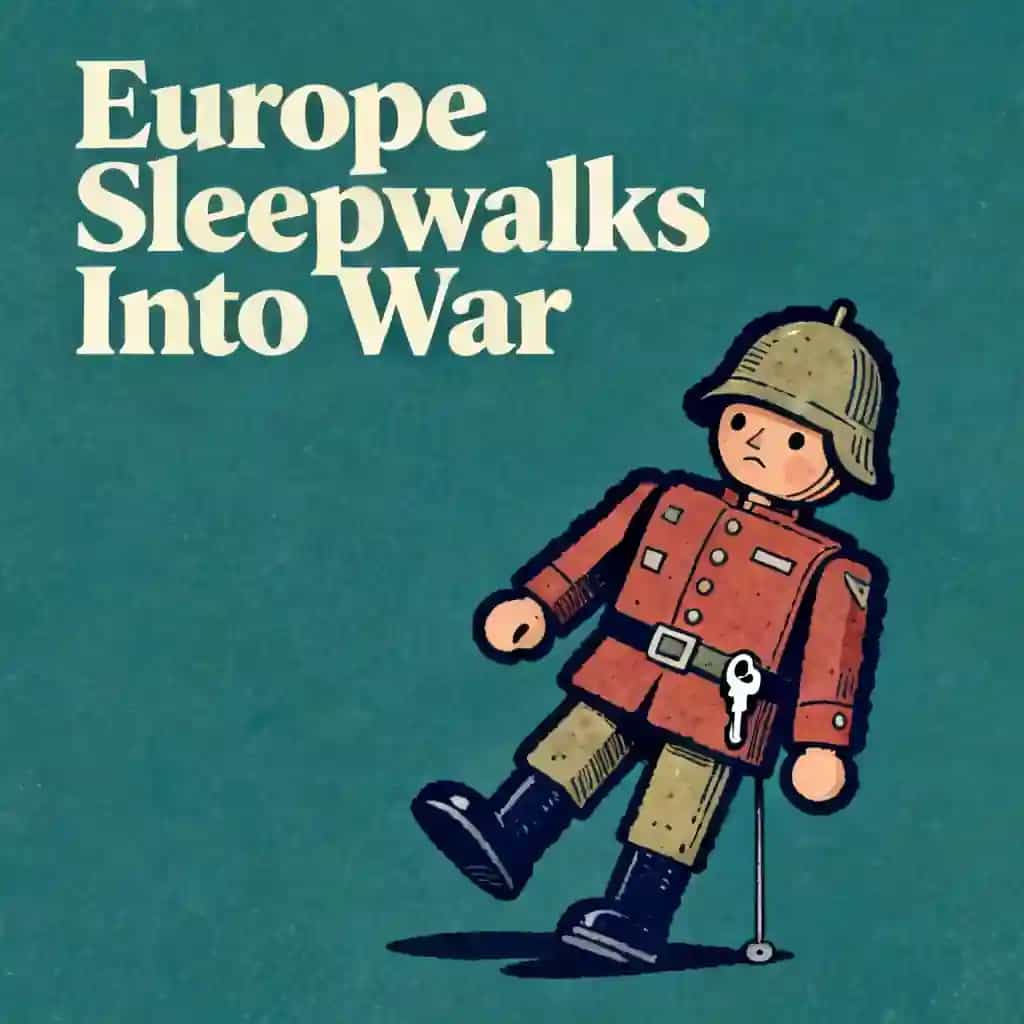
Overview of Watching Darkness Fall
FDR's ambassadors fatally misjudged Hitler's Third Reich as Europe darkened. This gripping account reveals diplomatic blindspots that shaped WWII's outbreak - a stark warning about how even seasoned diplomats can misread history's most dangerous threats until it's too late.
- FDR’s ambassadors underestimated Hitler’s ambitions despite mounting evidence of Nazi aggression.
- William Dodd emerges as the lone diplomat accurately predicting Hitler’s global threat.
- Joseph Kennedy’s pro-appeasement stance blinded US policy to Nazi Germany’s dangers.
- Diplomatic misjudgments in 1930s Europe reveal the high cost of political naivety.
- McKean contrasts FDR’s public isolationism with private concerns about fascist expansion.
- Breckinridge Long’s admiration for Mussolini skewed US perceptions of Italian fascism.
- William Bullitt’s emotional reporting from Paris hampered objective crisis analysis.
- The book exposes how career diplomats filtered intelligence through personal biases.
- Watching Darkness Fall reframes WWII origins through ambassadorial communications archive.
- McKean highlights the peril of prioritizing economic interests over moral imperatives.
- Pre-war diplomatic failures underscore timeless lessons about recognizing authoritarian threats.
- The ambassador-as-eyewitness narrative reveals intelligence breakdowns with modern parallels.
About the Author of Watching Darkness Fall
David McKean, acclaimed graphic novelist and illustrator of Watching Darkness Fall, is renowned for his genre-defying visual storytelling across comics, film, and literature. Born in Taplow, England in 1963, McKean honed his craft at Berkshire College of Art and Design before revolutionizing comic art through seminal works like Neil Gaiman’s Sandman series and Grant Morrison’s Arkham Asylum: A Serious House on Serious Earth—the latter remaining DC Comics’ bestselling graphic novel.
His exploration of psychological depth and historical resonance in projects like Black Dog: The Dreams of Paul Nash and the experimental novel Cages informs Watching Darkness Fall's likely thematic synthesis of atmospheric tension and narrative innovation.
McKean’s multidisciplinary career spans illustrated editions of classics by Ray Bradbury and Stephen King, award-winning films like Mirrormask, and exhibitions at institutions including London’s Victoria and Albert Museum. His graphic novels Celluloid and Raptor showcase his continued evolution in blending surreal imagery with visceral storytelling. Translated into over 15 languages, McKean’s works have inspired theatrical adaptations and multimedia installations worldwide, with Arkham Asylum alone surpassing 260,000 copies in initial print runs.
FAQs About Watching Darkness Fall
What is Watching Darkness Fall by David McKean about?
Watching Darkness Fall examines Franklin D. Roosevelt’s diplomatic strategy in 1930s Europe through the perspectives of four U.S. ambassadors: William Dodd in Germany, Breckenridge Long in Italy, William Bullitt in France, and Joseph P. Kennedy in Britain. The book highlights their conflicting assessments of Hitler’s rise, with Dodd sounding early alarms about Nazi Germany while others downplayed the threat. It reveals FDR’s challenges in balancing isolationist politics with growing global tensions.
Who should read Watching Darkness Fall?
This book is ideal for history enthusiasts interested in WWII’s lead-up, U.S. foreign policy, or FDR’s presidency. Readers familiar with pre-war European politics will appreciate its deep analysis of diplomatic missteps, while those seeking insights into leadership during crises will find value in its portrayal of Roosevelt’s strategic dilemmas.
Is Watching Darkness Fall worth reading?
Yes, for its meticulous research and gripping narrative. David McKean illuminates lesser-known diplomatic failures and personalities, offering a fresh perspective on how U.S. leaders misjudged Hitler. However, beginners to WWII history may find the dense political detail challenging initially.
How does Watching Darkness Fall critique FDR’s ambassadors?
The book contrasts William Dodd’s prescient warnings about Nazi Germany with the appeasement-oriented views of Kennedy, Bullitt, and Long. Bullitt’s romanticized reports from France and Kennedy’s anti-Semitic leanings are criticized for blinding FDR to the urgency of intervention, while Long openly admired Mussolini’s fascist regime.
What historical context does Watching Darkness Fall explore?
It delves into 1930s isolationism, the Great Depression’s impact on U.S. foreign policy, and the rise of fascism in Germany, Italy, and Spain. McKean emphasizes how FDR’s focus on domestic recovery and congressional resistance hindered proactive measures against Hitler.
What are the key criticisms of Watching Darkness Fall?
Some reviewers note its slow start due to intricate political details, which may overwhelm casual readers. Others highlight its narrow focus on diplomatic correspondence over broader societal trends, potentially oversimplifying Europe’s complex pre-war dynamics.
How does Watching Darkness Fall compare to other WWII histories?
Unlike broader WWII accounts, McKean’s book zooms in on diplomatic miscommunications and personal biases within FDR’s inner circle. It complements works like Erik Larson’s In the Garden of Beasts but offers a darker critique of American ambassadorial failures.
What lessons does Watching Darkness Fall offer for modern diplomacy?
The book underscores the dangers of ideological blindness and the importance of accurate intelligence. Dodd’s unheeded warnings serve as a cautionary tale about prioritizing political convenience over moral accountability in international relations.
How does David McKean portray FDR in Watching Darkness Fall?
FDR emerges as a pragmatic leader constrained by isolationism and conflicting advisor input. McKean critiques his delayed response to Nazi aggression but acknowledges his eventual shift toward preparing America for war despite public opposition.
What primary sources does Watching Darkness Fall use?
McKean relies on embassy cables, personal diaries (like Dodd’s), and declassified government documents to reconstruct diplomatic dialogues. These sources reveal stark contrasts between ambassadors’ private doubts and public reassurances.
Why is Watching Darkness Fall relevant today?
Its themes of misinformation, leadership during crises, and balancing national interests with global threats resonate in modern geopolitics. The book serves as a reminder of how misjudging authoritarian regimes can have catastrophic consequences.
Does Watching Darkness Fall address the Holocaust’s origins?
Indirectly, through Dodd’s reports on Nazi persecution of Jews and the indifference of figures like Kennedy. McKean highlights how U.S. inaction allowed systemic antisemitism to escalate unchecked in Germany.
Feel the book through the author's voice
Turn knowledge into engaging, example-rich insights
Capture key ideas in a flash for fast learning
Enjoy the book in a fun and engaging way
Key Themes in Watching Darkness Fall
Quotes from Watching Darkness Fall
Hypnotized by Mussolini might well describe Long's perspective.
Characters in Watching Darkness Fall
Quick Summary Mode - Read or listen to Watching Darkness Fall Summary in 9 Minutes

Break down key ideas from Watching Darkness Fall into bite-sized takeaways to understand how innovative teams create, collaborate, and grow.

Flash Card Mode - Top 10 Insights from Watching Darkness Fall in a Nutshell

Distill Watching Darkness Fall into rapid-fire memory cues that highlight key principles of candor, teamwork, and creative resilience.

Fun Mode - Watching Darkness Fall Lessons Told Through 21-Min Stories

Experience Watching Darkness Fall through vivid storytelling that turns innovation lessons into moments you'll remember and apply.
Personalize Mode - Read or listen to Watching Darkness Fall Summary in 0 Minutes

Ask anything, pick the voice, and co-create insights that truly resonate with you.

From Columbia University alumni built in San Francisco
"Instead of endless scrolling, I just hit play on BeFreed. It saves me so much time."


"I never knew where to start with nonfiction—BeFreed’s book lists turned into podcasts gave me a clear path."


"Perfect balance between learning and entertainment. Finished ‘Thinking, Fast and Slow’ on my commute this week."
"Crazy how much I learned while walking the dog. BeFreed = small habits → big gains."
"Reading used to feel like a chore. Now it’s just part of my lifestyle."

"Feels effortless compared to reading. I’ve finished 6 books this month already."
"BeFreed turned my guilty doomscrolling into something that feels productive and inspiring."

"BeFreed turned my commute into learning time. 20-min podcasts are perfect for finishing books I never had time for."
"BeFreed replaced my podcast queue. Imagine Spotify for books — that’s it. 🙌"

"It is great for me to learn something from the book without reading it."
"The themed book list podcasts help me connect ideas across authors—like a guided audio journey."
"Makes me feel smarter every time before going to work"
From Columbia University alumni built in San Francisco
"Instead of endless scrolling, I just hit play on BeFreed. It saves me so much time."
"I never knew where to start with nonfiction—BeFreed’s book lists turned into podcasts gave me a clear path."
"Perfect balance between learning and entertainment. Finished ‘Thinking, Fast and Slow’ on my commute this week."
"Crazy how much I learned while walking the dog. BeFreed = small habits → big gains."
"Reading used to feel like a chore. Now it’s just part of my lifestyle."
"Feels effortless compared to reading. I’ve finished 6 books this month already."
"BeFreed turned my guilty doomscrolling into something that feels productive and inspiring."
"BeFreed turned my commute into learning time. 20-min podcasts are perfect for finishing books I never had time for."
"BeFreed replaced my podcast queue. Imagine Spotify for books — that’s it. 🙌"
"It is great for me to learn something from the book without reading it."
"The themed book list podcasts help me connect ideas across authors—like a guided audio journey."
"Makes me feel smarter every time before going to work"
"Instead of endless scrolling, I just hit play on BeFreed. It saves me so much time."
"I never knew where to start with nonfiction—BeFreed’s book lists turned into podcasts gave me a clear path."
"Perfect balance between learning and entertainment. Finished ‘Thinking, Fast and Slow’ on my commute this week."
"Crazy how much I learned while walking the dog. BeFreed = small habits → big gains."
"Reading used to feel like a chore. Now it’s just part of my lifestyle."
"Feels effortless compared to reading. I’ve finished 6 books this month already."
"BeFreed turned my guilty doomscrolling into something that feels productive and inspiring."
"BeFreed turned my commute into learning time. 20-min podcasts are perfect for finishing books I never had time for."
"BeFreed replaced my podcast queue. Imagine Spotify for books — that’s it. 🙌"
"It is great for me to learn something from the book without reading it."
"The themed book list podcasts help me connect ideas across authors—like a guided audio journey."
"Makes me feel smarter every time before going to work"
"Instead of endless scrolling, I just hit play on BeFreed. It saves me so much time."
"I never knew where to start with nonfiction—BeFreed’s book lists turned into podcasts gave me a clear path."
"Perfect balance between learning and entertainment. Finished ‘Thinking, Fast and Slow’ on my commute this week."
"Crazy how much I learned while walking the dog. BeFreed = small habits → big gains."
"Reading used to feel like a chore. Now it’s just part of my lifestyle."
"Feels effortless compared to reading. I’ve finished 6 books this month already."
"BeFreed turned my guilty doomscrolling into something that feels productive and inspiring."
"BeFreed turned my commute into learning time. 20-min podcasts are perfect for finishing books I never had time for."
"BeFreed replaced my podcast queue. Imagine Spotify for books — that’s it. 🙌"
"It is great for me to learn something from the book without reading it."
"The themed book list podcasts help me connect ideas across authors—like a guided audio journey."
"Makes me feel smarter every time before going to work"

Get the Watching Darkness Fall summary as a free PDF or EPUB. Print it or read offline anytime.