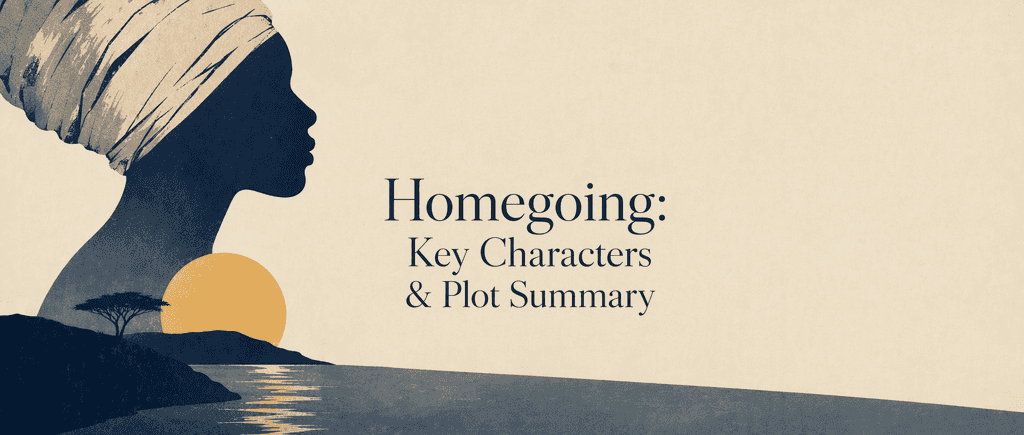
A family's secrets unravel through a Caribbean black cake recipe in Wilkerson's acclaimed 2022 debut. This multi-generational mystery explores identity, cultural heritage, and untold stories that shape us. Like its namesake dessert, it's rich, layered, and impossible to forget.
Charmaine Wilkerson is the New York Times bestselling author of Black Cake, a multigenerational family saga exploring identity, heritage, and cultural legacy through the lens of a Caribbean rum cake.
A Jamaican-American journalist and storyteller, Wilkerson draws on her roots in New York and Jamaica, as well as her decades living in Rome, to craft narratives rich in historical resonance and emotional depth. A Barnard College and Stanford University graduate, her career spans journalism, international development work with the United Nations, and award-winning short fiction.
Her debut novel, Black Cake, became a Read With Jenna Book Club pick and was adapted into a Hulu series by Oprah Winfrey’s Harpo Films, with Wilkerson serving as executive producer. The novel’s exploration of diasporic identity and familial secrets reflects her lifelong fascination with how food and memory preserve history. Her forthcoming novel, Good Dirt (2025), continues her thematic focus on resilience and reinvention.
Wilkerson’s work has been featured in The New York Times, ELLE, and NPR, and translated into 18 languages, cementing her status as a vibrant voice in contemporary literary fiction.
Black Cake follows siblings Benny and Byron as they unravel their mother Eleanor’s hidden past through a posthumous audio recording. The story spans decades and continents, weaving themes of family secrets, Caribbean heritage, and resilience against colonialism and migration. Central to the narrative is the symbolic black cake recipe, representing cultural legacy and intergenerational bonds.
This novel appeals to fans of family sagas, historical fiction, and Caribbean cultural narratives. Readers interested in themes of identity, diaspora, and the impact of secrets on relationships will find it compelling. Its exploration of racial dynamics and multi-generational trauma also resonates with audiences seeking socially conscious literature.
Yes, for its lush prose, evocative Caribbean setting, and layered exploration of identity. While some critics note uneven pacing and convoluted subplots, the novel’s emotional depth and cultural authenticity make it a standout debut. It’s particularly recommended for book clubs due to its discussion-worthy themes.
Key themes include familial secrets, racial and cultural identity, resilience, and the legacy of colonialism. The novel examines how migration shapes personal histories and the tension between tradition and modernity. Eleanor’s hidden past underscores the sacrifices made to protect loved ones across generations.
The black cake symbolizes cultural heritage, serving as a tangible link between generations. Its preparation reflects familial bonds and the preservation of tradition amid displacement. The recipe’s passing down mirrors the transmission of suppressed histories and unspoken truths.
The unnamed Caribbean island setting is vividly rendered through sensory details of food, dialect, and customs. Wilkerson highlights the impact of colonialism on local communities while celebrating resilience and cultural pride. The black cake itself embodies the fusion of African, European, and Indigenous influences in Caribbean cuisine.
Critics highlight pacing issues, an overstuffed plot with coincidences, and superficial treatment of systemic racism. Some find the protagonist’s choices narratively justified but ethically polarizing. However, the novel’s ambition in addressing intersectional struggles is widely acknowledged.
The conclusion ties major threads, resolving mysteries about Eleanor’s past and reconciling sibling tensions. While some readers find revelations rushed, most appreciate the emotional payoff and thematic unity. The black cake’s final role provides a poignant metaphor for healing.
Unlike linear generational tales, Black Cake uses non-chronological storytelling to mirror memory’s fragmentation. Its focus on food as cultural metaphor distinguishes it from works like Ask Again, Yes. The Caribbean perspective offers fresh insights into migration narratives.
Race influences characters’ experiences, from workplace discrimination to police brutality. However, some critics argue these explorations lack depth, focusing on familiar tropes rather than systemic analysis. Byron’s subplot about racial profiling sparks debate about performative allyship.
Yes, common book club topics include:
Discussions often explore the ethics of withholding truth versus protecting loved ones.
It immerses readers in Caribbean traditions while addressing diasporic identity struggles. The black cake ritual exemplifies how food preserves history in displaced communities. Wilkerson’s portrayal of intergenerational resilience resonates with global audiences navigating cultural preservation.
저자의 목소리로 책을 느껴보세요
지식을 흥미롭고 예시가 풍부한 인사이트로 전환
핵심 아이디어를 빠르게 캡처하여 신속하게 학습
재미있고 매력적인 방식으로 책을 즐기세요
everything they thought they knew about their family was built on carefully constructed lies.
Their parents hadn't just moved to America; they had methodically erased their past.
an undertow of grief continued pulling her down, haunting her dreams with empty prams.
diving into the dark waters of the Caribbean Sea, her competitive swimming training becoming her salvation.
At sixteen, Covey finds herself trapped in a nightmare, forced to marry a man old enough to be her father.
Black Cake의 핵심 아이디어를 이해하기 쉬운 포인트로 분해하여 혁신적인 팀이 어떻게 창조하고, 협력하고, 성장하는지 이해합니다.
생생한 스토리텔링을 통해 Black Cake을 경험하고, 혁신 교훈을 기억에 남고 적용할 수 있는 순간으로 바꿉니다.
무엇이든 묻고, 학습 스타일을 선택하고, 나에게 맞는 인사이트를 함께 만들어보세요.

샌프란시스코에서 컬럼비아 대학교 동문들이 만들었습니다
"Instead of endless scrolling, I just hit play on BeFreed. It saves me so much time."
"I never knew where to start with nonfiction—BeFreed’s book lists turned into podcasts gave me a clear path."
"Perfect balance between learning and entertainment. Finished ‘Thinking, Fast and Slow’ on my commute this week."
"Crazy how much I learned while walking the dog. BeFreed = small habits → big gains."
"Reading used to feel like a chore. Now it’s just part of my lifestyle."
"Feels effortless compared to reading. I’ve finished 6 books this month already."
"BeFreed turned my guilty doomscrolling into something that feels productive and inspiring."
"BeFreed turned my commute into learning time. 20-min podcasts are perfect for finishing books I never had time for."
"BeFreed replaced my podcast queue. Imagine Spotify for books — that’s it. 🙌"
"It is great for me to learn something from the book without reading it."
"The themed book list podcasts help me connect ideas across authors—like a guided audio journey."
"Makes me feel smarter every time before going to work"
샌프란시스코에서 컬럼비아 대학교 동문들이 만들었습니다

Black Cake 요약을 무료 PDF 또는 EPUB으로 받으세요. 인쇄하거나 오프라인에서 언제든 읽을 수 있습니다.
A mother dies. In her wake, she leaves two estranged children, a frozen cake, and a cassette tape that will shatter everything they thought they knew. When Byron and Benny Bennett meet in their mother's attorney's office after eight years of bitter silence, they expect paperwork and property division. Instead, they receive Eleanor Bennett's voice from beyond death, confessing that their entire childhood was built on lies. The woman they called Mom was actually Coventina "Covey" Lyncook, a Caribbean girl who faked her own death, assumed a stranger's identity, and spent fifty years searching for the daughter she was forced to give up. Oh, and there's one more thing: they have a sister they never knew existed, and they're supposed to share the black cake with her when the time is right. As Eleanor's recorded confession unfolds, the siblings must confront not only their mother's hidden past but also the fractures in their own relationship and the question of whether family can be rebuilt from recipes and revelations.
Byron and Benny are polar opposites. Byron, the golden child, became a celebrated marine scientist-TED talks, research papers, a meticulously curated image shielding him from messy emotions. Benny chose vibrant artwork and freelance illustration in New York, deliberately distancing herself from the family that rejected her. Eight years ago, during a catastrophic Thanksgiving, she came out. Her father's condemnation and Byron's deafening silence drove her away. Their reunion crackles with discomfort. Byron physically recoils from her hug. When the attorney plays their mother's voice on an old cassette, Eleanor's apology lands like a blow: there's a sister out there, a daughter she gave up decades ago. Their conventional suburban life was carefully constructed theater, performed by two people who had systematically erased their past and created entirely new identities.
Eleanor's recording reveals sixteen-year-old Covey, a competitive swimmer sold to violent gangster Little Man Henry by her gambling-addicted father. When Little Man dies from poisoning at their wedding reception, Covey escapes into Caribbean waters. Using forged documents, she flees to England and befriends Caribbean orphan Eleanor "Elly" Douglas. After Elly dies in a train accident, Covey assumes her identity, erasing Coventina Lyncook forever. Sexual assault by her supervisor results in pregnancy. Nuns pressure her to surrender daughter Mathilda for adoption-a loss haunting her for fifty years through dreams of empty prams. Eleanor later reconnects with island sweetheart Gibbs Grant in London, now reinvented as Bert Bennett. They emigrate to California, raise Byron and Benny, and conceal their true origins and Eleanor's first child. The black cake she bakes each Christmas becomes one of the few authentic remnants of her original identity.
As Byron and Benny absorb their mother's narrative, they begin seeing their own struggles through a new lens. Byron, a Black scientist in a white-dominated field, faces constant racial profiling - regular police stops, strategic car choices. The pressure of being a role model while fighting institutional barriers shaped him into someone who prizes control and perfection, perhaps because chaos feels too much like the life his parents fled. Benny's journey mirrors her mother's reinvention. After facing bullying in college for not fitting categories - "not black enough, not white enough, not straight enough, not gay enough" - she dropped out. When she came out during that disastrous Thanksgiving in 2010, her father's rejection and Byron's silence drove her into eight years of exile, including an abusive relationship with Steve. Only now does she understand how her parents' rigid expectations stemmed from fear - having sacrificed everything for stability, they couldn't comprehend why she'd reject opportunities they'd worked so hard to provide. Eleanor's message acknowledges these failures: "We may have made you feel you had to choose between being yourselves and having our support, which was never our intention." When Benny confesses Steve's abuse, Byron apologizes for his own failure to support her. This vulnerability marks a turning point, transforming them from adversaries into allies.
The most startling revelation is Mathilda, the daughter Eleanor searched for fifty years. Shortly before death, Eleanor found her in an online cooking video. Raised as Mabel Martin but known professionally as "Marble," she built a successful career as a food expert specializing in indigenous culinary traditions. Like Eleanor, Marble demonstrated remarkable adaptability-from Oxford art history scholar to acclaimed food writer to beloved television personality. When Mr. Mitch contacts Marble about Eleanor's death, she travels from London carrying a lifetime of questions. Byron maintains protective distance while Benny immediately attempts connection. Despite physical differences, they share unmistakable family traits-their mother's lopsided smile, a particular head tilt when thinking. In Eleanor's kitchen, they discover carefully preserved fruits for black cake with handwritten labels dating back years. After a private meeting with Mr. Mitch, Marble abruptly returns to the UK without explanation, leaving Byron and Benny confused and hurt. Though they debate eating their mother's black cake without her, they ultimately decide to wait, preserving it as both symbol of hope and testament to Eleanor's legacy of patience.
Black cake serves as a metaphor for cultural identity throughout the novel. This traditional Caribbean dessert - rum-soaked fruit cake with roots in British plum pudding transformed by Caribbean ingredients - represents the complex legacy the Bennetts inherited. For Eleanor, making it was an authentic connection to her origins. The recipe contained no precise measurements, just ingredients and occasional verbs like "cream, rub, mix," requiring learning through observation and instinct. After discovering her mother's true identity, Benny realizes black cake embodies mixed cultural heritage - Chinese, Caribbean, British influences baked into something unique. This understanding inspires her concept cafe showcasing diaspora foods and mixed traditions. When Marble returns, the siblings fulfill Eleanor's wish by sharing the cake together. Inside, they discover treasures: a photograph of teenage Covey with Gibbs and Etta; wedding rings inscribed "C and G"; three cockle shells; and a note directing them to an ebony box containing gold medallions and a tortoiseshell comb connecting to a centuries-old shipwreck and Caribbean enslavement history. These artifacts represent another inheritance layer - a material legacy connecting them to centuries of Caribbean history, including slavery's trauma and survivors' resilience. In the novel's final scene, a year after Eleanor's death, the extended family gathers to scatter her ashes three miles off the California coast. After releasing the ashes into water, they crumble what remains of their mother's last black cake and let it fall as well - a fitting tribute to a woman whose life was defined by both sea and the traditions she carried across oceans.
"Black Cake" celebrates how we survive the unsurvivable and remake ourselves without losing what matters most. Eleanor's journey from Covey reveals that reinvention isn't deception-it's courage. This capacity passes to her children, who honor their complex heritage while defining themselves on their own terms. Byron balances scientific precision with emotional vulnerability. Benny weaves her queer identity with Caribbean heritage into art. Marble integrates her biological family without abandoning her adoptive parents, demonstrating how love expands rather than divides. The black cake symbolizes this resilience-a traditional recipe adapted across generations, ingredients transformed through time into something that nourishes and sustains. Eleanor gave her children both her true story and her black cake, providing ingredients to understand their past and freedom to create their futures. Identity flows continuously between past and present, between who we were born to be and who we choose to become. We all reinvent ourselves, choosing which parts of our inheritance to preserve, transform, and share. The question isn't whether we'll carry secrets or face impossible choices-it's whether we'll have the courage to leave behind something true that helps those who come after us understand that survival itself is an act of love.