Two Awesome Hours: Science-Based Strategies to Harness Your Best Time and Get Your Most Important Work Done by Josh Davis Summary

Overview of Two Awesome Hours
Forget the myth of all-day productivity. "Two Awesome Hours" reveals science-backed strategies for peak performance in short bursts. Davis's neuropsychology-driven approach has transformed how professionals manage energy, not just time. What if your most important work required less time but better timing?
- Recognize decision points to consciously choose high-impact tasks over autopilot routines.
- Schedule two-hour focus blocks aligned with your peak mental energy cycles.
- Leverage physical movement and strategic snacking to fuel cognitive performance.
- Design workspaces with controlled noise levels to enhance concentration or creativity.
- Transform interruptions into productivity catalysts through intentional task-switching strategies.
- Practice strategic disengagement to recharge mental energy between focused work sessions.
- Prioritize task significance over urgency using biological decision-making frameworks.
- Embrace purposeful mind-wandering breaks to stimulate innovative problem-solving pathways.
- Implement "strategic incompetence" by saying no to non-essential energy drains.
- Josh Davis prioritizes task selection over time management for neurobiological effectiveness.
- Pair challenging cognitive work with protein-rich snacks to stabilize mental fuel.
- Master morning ritual design to prime biological systems for peak productivity windows.
About the Author of Two Awesome Hours
Joshua Davis, bestselling author of Two Awesome Hours, is a celebrated writer and film producer renowned for chronicling human resilience and innovation. A co-founder of Epic Magazine, Davis specializes in transformative true stories that blend science, technology, and personal triumph.
His New York Times bestselling book Spare Parts—adapted into a Lionsgate film starring George Lopez and Jamie Lee Curtis—showcases his ability to translate complex themes into compelling narratives.
Davis’s work as a contributing editor at Wired and journalist for The New Yorker and GQ has earned accolades, including a Peabody Award for his HBO documentary Charlottesville: Race and Terror. His writing often explores underdog achievements, informed by his firsthand reporting in conflict zones like Iraq and Libya.
Spare Parts has been translated into multiple languages and remains a staple in STEM education programs nationwide.
FAQs About Two Awesome Hours
What is Two Awesome Hours by Josh Davis about?
Two Awesome Hours outlines science-based strategies to maximize daily productivity by focusing on two hours of peak mental performance. It emphasizes leveraging biological rhythms, strategic breaks, and environmental adjustments to enhance focus. Key concepts include managing mental energy, taming distractions, and prioritizing tasks aligned with cognitive peaks.
Who should read Two Awesome Hours?
Professionals, students, or anyone struggling with time management will benefit. The book is ideal for those seeking actionable neuroscience-backed methods to optimize productivity without burnout. It’s particularly useful for multitaskers or individuals juggling high-pressure workloads.
Is Two Awesome Hours worth reading?
Yes—it offers practical, research-driven techniques to transform productivity habits. Unlike generic time-management guides, it focuses on quality over quantity, helping readers achieve more in less time. Reviews highlight its relatable examples and immediate applicability.
What are the main takeaways from Two Awesome Hours?
- Mental energy management: Schedule critical tasks during natural cognitive peaks.
- Strategic breaks: Use movement, nutrition, and mindfulness to recharge.
- Distraction control: Design environments to minimize interruptions.
- Decision points: Plan transitions between tasks to avoid autopilot mode.
How does Two Awesome Hours suggest managing distractions?
The book recommends identifying “attention saboteurs” like cluttered workspaces or digital notifications. Solutions include using white noise, setting clear priorities, and batching low-focus tasks. Physical activity and brief mindfulness exercises are also advised to reset focus.
What role does exercise play in the Two Awesome Hours method?
Short bursts of physical activity (e.g., a 10-minute walk) boost blood flow to the brain, enhancing clarity and creativity. Davis ties exercise timing to productivity lulls, suggesting it as a reset tool before high-focus tasks.
How does Two Awesome Hours compare to Atomic Habits or Deep Work?
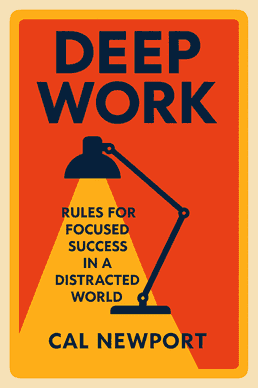
While Atomic Habits focuses on habit formation and Deep Work on prolonged concentration, Two Awesome Hours prioritizes biological alignment for short, intense productivity windows. It complements these books by adding a neuroscience layer to time optimization.
What criticism has Two Awesome Hours received?
Some reviewers note the strategies require significant upfront planning, which may challenge those with rigid schedules. Others suggest the “two-hour” framework oversimplifies complex productivity challenges.
How does Josh Davis’s background influence Two Awesome Hours?
As a neuroscientist and director at the NeuroLeadership Institute, Davis grounds his advice in peer-reviewed research. His expertise ensures methods are scientifically validated, differentiating the book from anecdotal productivity guides.
Can Two Awesome Hours help with work-from-home productivity?
Yes—it addresses common remote-work issues like distractions and erratic schedules. Tips include creating “zones” for specific tasks and using timed breaks to maintain mental acuity, making it relevant for hybrid or remote professionals.
What are the best quotes from Two Awesome Hours?
- “Productivity isn’t about doing more—it’s about doing what matters most with the energy you have.”
- “Your brain is not a machine; it’s a biological system that thrives on intentional care.”
These emphasize aligning work with natural cognitive rhythms.
How does Two Awesome Hours define “decision points”?
Decision points are moments between tasks where you consciously choose what to do next. Davis argues leveraging these pauses prevents autopilot mode, enabling more strategic task prioritization and reducing mental fatigue.
Feel the book through the author's voice
Turn knowledge into engaging, example-rich insights
Capture key ideas in a flash for fast learning
Enjoy the book in a fun and engaging way
Key Themes in Two Awesome Hours
Quotes from Two Awesome Hours
We've been sold a dangerous myth: that productivity means constant output.
Hurrying through a decision point might save five minutes but starting the wrong task could cost an hour.
Self-control tends to wear out with use.
Every task takes a mental toll, with some depleting our minds significantly.
Characters in Two Awesome Hours
Quick Summary Mode - Read or listen to Two Awesome Hours Summary in 10 Minutes

Break down key ideas from Two Awesome Hours into bite-sized takeaways to understand how innovative teams create, collaborate, and grow.

Flash Card Mode - Top 8 Insights from Two Awesome Hours in a Nutshell

Distill Two Awesome Hours into rapid-fire memory cues that highlight key principles of candor, teamwork, and creative resilience.

Fun Mode - Two Awesome Hours Lessons Told Through 22-Min Stories

Experience Two Awesome Hours through vivid storytelling that turns innovation lessons into moments you'll remember and apply.
Personalize Mode - Read or listen to Two Awesome Hours Summary in 0 Minutes

Ask anything, pick the voice, and co-create insights that truly resonate with you.

From Columbia University alumni built in San Francisco
"Instead of endless scrolling, I just hit play on BeFreed. It saves me so much time."


"I never knew where to start with nonfiction—BeFreed’s book lists turned into podcasts gave me a clear path."


"Perfect balance between learning and entertainment. Finished ‘Thinking, Fast and Slow’ on my commute this week."
"Crazy how much I learned while walking the dog. BeFreed = small habits → big gains."
"Reading used to feel like a chore. Now it’s just part of my lifestyle."

"Feels effortless compared to reading. I’ve finished 6 books this month already."
"BeFreed turned my guilty doomscrolling into something that feels productive and inspiring."

"BeFreed turned my commute into learning time. 20-min podcasts are perfect for finishing books I never had time for."
"BeFreed replaced my podcast queue. Imagine Spotify for books — that’s it. 🙌"

"It is great for me to learn something from the book without reading it."
"The themed book list podcasts help me connect ideas across authors—like a guided audio journey."
"Makes me feel smarter every time before going to work"
From Columbia University alumni built in San Francisco
"Instead of endless scrolling, I just hit play on BeFreed. It saves me so much time."
"I never knew where to start with nonfiction—BeFreed’s book lists turned into podcasts gave me a clear path."
"Perfect balance between learning and entertainment. Finished ‘Thinking, Fast and Slow’ on my commute this week."
"Crazy how much I learned while walking the dog. BeFreed = small habits → big gains."
"Reading used to feel like a chore. Now it’s just part of my lifestyle."
"Feels effortless compared to reading. I’ve finished 6 books this month already."
"BeFreed turned my guilty doomscrolling into something that feels productive and inspiring."
"BeFreed turned my commute into learning time. 20-min podcasts are perfect for finishing books I never had time for."
"BeFreed replaced my podcast queue. Imagine Spotify for books — that’s it. 🙌"
"It is great for me to learn something from the book without reading it."
"The themed book list podcasts help me connect ideas across authors—like a guided audio journey."
"Makes me feel smarter every time before going to work"
"Instead of endless scrolling, I just hit play on BeFreed. It saves me so much time."
"I never knew where to start with nonfiction—BeFreed’s book lists turned into podcasts gave me a clear path."
"Perfect balance between learning and entertainment. Finished ‘Thinking, Fast and Slow’ on my commute this week."
"Crazy how much I learned while walking the dog. BeFreed = small habits → big gains."
"Reading used to feel like a chore. Now it’s just part of my lifestyle."
"Feels effortless compared to reading. I’ve finished 6 books this month already."
"BeFreed turned my guilty doomscrolling into something that feels productive and inspiring."
"BeFreed turned my commute into learning time. 20-min podcasts are perfect for finishing books I never had time for."
"BeFreed replaced my podcast queue. Imagine Spotify for books — that’s it. 🙌"
"It is great for me to learn something from the book without reading it."
"The themed book list podcasts help me connect ideas across authors—like a guided audio journey."
"Makes me feel smarter every time before going to work"
"Instead of endless scrolling, I just hit play on BeFreed. It saves me so much time."
"I never knew where to start with nonfiction—BeFreed’s book lists turned into podcasts gave me a clear path."
"Perfect balance between learning and entertainment. Finished ‘Thinking, Fast and Slow’ on my commute this week."
"Crazy how much I learned while walking the dog. BeFreed = small habits → big gains."
"Reading used to feel like a chore. Now it’s just part of my lifestyle."
"Feels effortless compared to reading. I’ve finished 6 books this month already."
"BeFreed turned my guilty doomscrolling into something that feels productive and inspiring."
"BeFreed turned my commute into learning time. 20-min podcasts are perfect for finishing books I never had time for."
"BeFreed replaced my podcast queue. Imagine Spotify for books — that’s it. 🙌"
"It is great for me to learn something from the book without reading it."
"The themed book list podcasts help me connect ideas across authors—like a guided audio journey."
"Makes me feel smarter every time before going to work"

Get the Two Awesome Hours summary as a free PDF or EPUB. Print it or read offline anytime.