Do Bigger Things: A Practical Guide to Powerful Innovation in a Changing World

Overview of Do Bigger Things
"Do Bigger Things" reveals ecosystem innovation strategies that transform entire industries. Endorsed by bestselling author Barry O'Reilly, it showcases how companies like Solar Sister revolutionized markets. What if the key to solving impossible problems isn't better solutions - but bigger thinking?
- Ecosystem innovation requires orchestrating networks, not just optimizing single organizations
- Become an innovation choreographer by designing adaptable systems for chaotic markets
- Strategic adaptability beats rigid planning in fast-changing climate-driven economies
- “Running into burning buildings” means proactively seeking crisis-driven transformation opportunities
- Combine technical solutions with human behavior change for lasting impact
- Innovation success hinges on mapping hidden connections across industries and stakeholders
- Build “future muscles” through continuous small experiments before major disruptions hit
- Replace linear problem-solving with dynamic pattern recognition in complex systems
- Sustainable innovation balances profit motives with planetary boundaries and social equity
- Transform organizational culture by rewarding calculated risk-taking over risk avoidance
- Climate challenges demand collaborative innovation coalitions rather than solo heroics
- Measure innovation success through resilience metrics, not just short-term financial returns
About the Author of Do Bigger Things
Dan McClure and Jennifer Wilde, innovation strategists and co-authors of Do Bigger Things: A Practical Guide to Powerful Innovation in a Changing World, bring decades of hands-on experience in transforming organizations and tackling global challenges.
McClure, a veteran innovation designer with over 40 years of experience, has shaped agile enterprise strategies for Fortune 100 companies, humanitarian crises, and climate initiatives.
Wilde, an accomplished global innovator, built international innovation labs and directed multimillion-dollar programs across volatile industries.
Their book merges actionable frameworks with real-world case studies, offering ecosystem innovation tools to solve complex problems like industry disruption and systemic change.
The authors maintain thought leadership through InnovationEcosystem.com, where they share resources for ambitious innovators. Published by Fast Company Press—known for amplifying business leaders’ impact—Do Bigger Things distills their proven methodologies for corporate teams, entrepreneurs, and activists seeking to drive scalable solutions in rapidly evolving environments.
FAQs About Do Bigger Things
What is Do Bigger Things by Dan McClure about?
Do Bigger Things is a practical guide to ecosystem innovation, offering strategies for reinventing systems in fast-changing markets. Co-authored by innovation expert Dan McClure, it combines decades of experience helping businesses and activists tackle challenges like obsolescence and climate change. The book emphasizes collaboration, adaptive frameworks, and actionable steps to drive impactful change in complex environments.
Who should read Do Bigger Things?
This book is ideal for entrepreneurs, corporate leaders, and change-makers navigating disruptive industries or systemic challenges. It’s particularly relevant for professionals in sustainability, tech, or organizational development seeking tools to innovate at scale. McClure’s insights also appeal to activists addressing societal issues like climate resilience.
Is Do Bigger Things worth reading?
Yes—the book balances theoretical concepts with real-world applications, making it valuable for both strategists and practitioners. Its focus on actionable frameworks, such as identifying “burning buildings” (urgent opportunities) and building adaptive teams, provides a fresh perspective on innovation beyond traditional startup methodologies.
What are the key concepts in Do Bigger Things?
Key ideas include:
- Ecosystem innovation: Reinventing interconnected systems rather than isolated products.
- Choreographing change: Leading teams through uncertainty with adaptable plans.
- Practical optimism: Leveraging crises as catalysts for transformative solutions. McClure illustrates these with case studies from energy deregulation and climate activism.
How does Do Bigger Things approach innovation differently?
Unlike innovation guides focused on incremental improvements, McClure advocates for systemic reinvention. The book teaches readers to identify high-stakes opportunities (“burning buildings”) and collaborate across networks to create scalable impact, blending strategic vision with hands-on execution.
What frameworks does Dan McClure provide in Do Bigger Things?
The book introduces tools like:
- Opportunity mapping: Prioritizing problems with the highest transformative potential.
- Innovation choreography: Coordinating multidisciplinary teams in volatile markets.
- Resilience loops: Designing solutions that adapt to evolving challenges.
How can Do Bigger Things help corporate innovation teams?
It offers strategies for overcoming bureaucratic inertia by fostering cross-functional collaboration and aligning innovation with long-term market shifts. Examples include redesigning business models during industry disruptions, akin to McClure’s work in energy sector deregulation.
What real-world examples are featured in Do Bigger Things?
Case studies span McClure’s 40-year career, such as:
- Developing computer programs to streamline utility operations during regulatory chaos.
- Supporting climate activists in designing scalable resilience strategies. These examples highlight translating theory into measurable outcomes.
How does Do Bigger Things compare to The Lean Startup or Blue Ocean Strategy?
While similar books focus on solo entrepreneurship or niche markets, Do Bigger Things emphasizes collaborative, systemic change. It’s less about avoiding competition and more about reshaping entire ecosystems, making it suited for complex challenges like sustainability or industry-wide disruption.
Why is Do Bigger Things relevant in 2025?
As industries face AI-driven disruption, climate emergencies, and global supply chain shifts, McClure’s frameworks provide a roadmap for thriving in uncertainty. The book’s emphasis on adaptive innovation aligns with today’s need for agile, mission-driven solutions.
What are the main takeaways from Do Bigger Things?
- Embrace chaos: Turbulence creates opportunities for reinvention.
- Collaborate widely: Break silos to solve systemic problems.
- Design for adaptability: Build solutions that evolve with emerging challenges. These principles equip readers to lead transformational change.
Has Do Bigger Things received any criticism?
Some readers may find its focus on large-scale innovation less applicable to small businesses. However, its practical examples and emphasis on incremental progress within complex systems address this concern, offering scalability for organizations of all sizes.
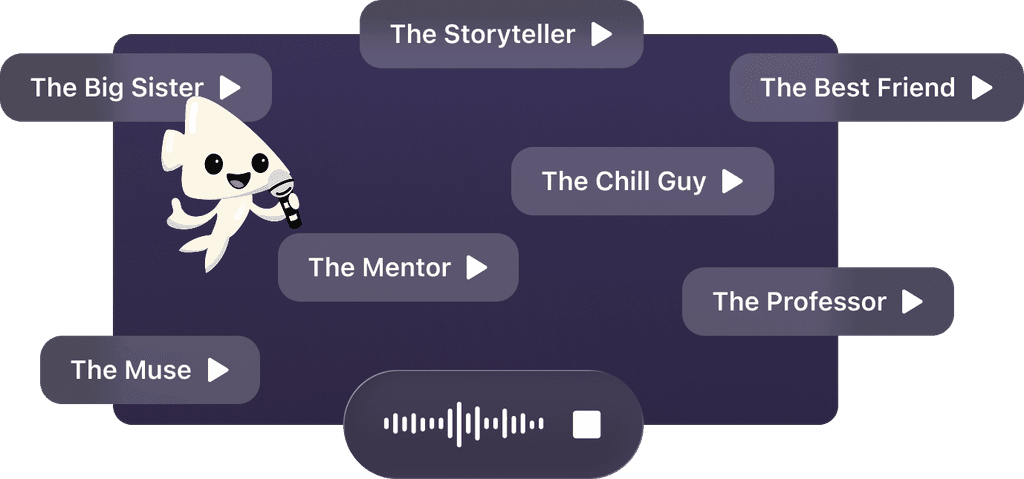
Feel the book through the author's voice
Turn knowledge into engaging, example-rich insights
Capture key ideas in a flash for fast learning
Enjoy the book in a fun and engaging way
Characters in Do Bigger Things
- Dan McClureCo-author and expert on ecosystem innovation
- Jennifer WildeCo-author and expert on ecosystem innovation
Key Themes in Do Bigger Things
- ecosystem innovation
- complex systems thinking
- collaborative problem solving
- systemic transformation
- leveraging diverse resources
Quotes from Do Bigger Things
Traditional innovation approaches are failing us in today's complex world.
Ecosystem innovation lets you throw out old rules and play an entirely new game.
No single innovation approach works for every challenge.
Explore Your Way of Learning
 Quick Summary Mode
Read or listen to Do Bigger Things Summary in 10 Minutes
Break down key ideas from Do Bigger Things into bite-sized takeaways to understand how innovative teams create, collaborate, and grow.

 Fun Mode
Do Bigger Things Lessons Told Through 23-Min Stories
Experience Do Bigger Things through vivid storytelling that turns innovation lessons into moments you'll remember and apply.
 Personalize Mode
Experience Do Bigger Things in your own learning style
Ask anything, choose your learning style, and co-create insights that truly resonate with you.
From Columbia University alumni built in San Francisco
"Instead of endless scrolling, I just hit play on BeFreed. It saves me so much time."


"I never knew where to start with nonfiction—BeFreed’s book lists turned into podcasts gave me a clear path."


"Perfect balance between learning and entertainment. Finished ‘Thinking, Fast and Slow’ on my commute this week."
"Crazy how much I learned while walking the dog. BeFreed = small habits → big gains."
"Reading used to feel like a chore. Now it’s just part of my lifestyle."

"Feels effortless compared to reading. I’ve finished 6 books this month already."
"BeFreed turned my guilty doomscrolling into something that feels productive and inspiring."

"BeFreed turned my commute into learning time. 20-min podcasts are perfect for finishing books I never had time for."
"BeFreed replaced my podcast queue. Imagine Spotify for books — that’s it. 🙌"

"It is great for me to learn something from the book without reading it."
"The themed book list podcasts help me connect ideas across authors—like a guided audio journey."
"Makes me feel smarter every time before going to work"
From Columbia University alumni built in San Francisco
"Instead of endless scrolling, I just hit play on BeFreed. It saves me so much time."
"I never knew where to start with nonfiction—BeFreed’s book lists turned into podcasts gave me a clear path."
"Perfect balance between learning and entertainment. Finished ‘Thinking, Fast and Slow’ on my commute this week."
"Crazy how much I learned while walking the dog. BeFreed = small habits → big gains."
"Reading used to feel like a chore. Now it’s just part of my lifestyle."
"Feels effortless compared to reading. I’ve finished 6 books this month already."
"BeFreed turned my guilty doomscrolling into something that feels productive and inspiring."
"BeFreed turned my commute into learning time. 20-min podcasts are perfect for finishing books I never had time for."
"BeFreed replaced my podcast queue. Imagine Spotify for books — that’s it. 🙌"
"It is great for me to learn something from the book without reading it."
"The themed book list podcasts help me connect ideas across authors—like a guided audio journey."
"Makes me feel smarter every time before going to work"
"Instead of endless scrolling, I just hit play on BeFreed. It saves me so much time."
"I never knew where to start with nonfiction—BeFreed’s book lists turned into podcasts gave me a clear path."
"Perfect balance between learning and entertainment. Finished ‘Thinking, Fast and Slow’ on my commute this week."
"Crazy how much I learned while walking the dog. BeFreed = small habits → big gains."
"Reading used to feel like a chore. Now it’s just part of my lifestyle."
"Feels effortless compared to reading. I’ve finished 6 books this month already."
"BeFreed turned my guilty doomscrolling into something that feels productive and inspiring."
"BeFreed turned my commute into learning time. 20-min podcasts are perfect for finishing books I never had time for."
"BeFreed replaced my podcast queue. Imagine Spotify for books — that’s it. 🙌"
"It is great for me to learn something from the book without reading it."
"The themed book list podcasts help me connect ideas across authors—like a guided audio journey."
"Makes me feel smarter every time before going to work"
"Instead of endless scrolling, I just hit play on BeFreed. It saves me so much time."
"I never knew where to start with nonfiction—BeFreed’s book lists turned into podcasts gave me a clear path."
"Perfect balance between learning and entertainment. Finished ‘Thinking, Fast and Slow’ on my commute this week."
"Crazy how much I learned while walking the dog. BeFreed = small habits → big gains."
"Reading used to feel like a chore. Now it’s just part of my lifestyle."
"Feels effortless compared to reading. I’ve finished 6 books this month already."
"BeFreed turned my guilty doomscrolling into something that feels productive and inspiring."
"BeFreed turned my commute into learning time. 20-min podcasts are perfect for finishing books I never had time for."
"BeFreed replaced my podcast queue. Imagine Spotify for books — that’s it. 🙌"
"It is great for me to learn something from the book without reading it."
"The themed book list podcasts help me connect ideas across authors—like a guided audio journey."
"Makes me feel smarter every time before going to work"

Download Summary of Do Bigger Things
Get the Do Bigger Things summary as a free PDF or EPUB. Print it or read offline anytime.