Rage Bait Meaning: What It Is, Why It Works, and How to Stop Falling for It in 2026
Learn what rage bait means, the psychology behind why it works, and practical tips to recognize and avoid falling for it online.
By BeFreed TeamLast updated: Aug 23, 2026
Rage bait is internet content deliberately crafted to provoke anger, frustration, or outrage in order to generate high levels of engagement. By intentionally pushing emotional buttons, creators trick users into commenting, sharing, and arguing. This surge in activity signals social media algorithms to push the post to a wider audience. The tactic has become so prevalent and defining of modern internet culture that Oxford named "rage bait" its 2024 Word of the Year. Understanding the rage bait meaning is the first step to protecting your attention, managing your reactions, and preserving your mental well-being online.
If you want to build the critical thinking skills needed to spot these manipulative tactics, BeFreed offers AI-powered book summaries and podcasts that distill the best insights on psychology and media literacy directly to you.
Key Takeaways
- Rage bait is content designed to make you angry so you will engage with it.
- Algorithms reward high engagement, making outrage a profitable strategy for creators.
- Anger triggers dopamine in the brain, creating an addictive loop of outrage.
- Recognizing cognitive biases is essential for stopping automatic emotional reactions.
- You can protect your mental health by pausing before commenting and curating your feed.
What Does Rage Bait Mean?
Rage bait means digital content designed specifically to trigger anger and provoke an immediate, emotional reaction from its audience. Creators use this tactic because social media algorithms do not distinguish between positive and negative engagement. A furious comment counts just as much as a joyful one.
When a post makes people angry, they are more likely to stop scrolling, read the comments, and type out a response. Research from a Stanford Report notes that falsehoods containing moral-emotional words spread more rapidly because human attention naturally privileges threat and outrage. The creator benefits from the boosted visibility, while the user is left feeling frustrated.
Rage Bait vs. Clickbait: What Is the Difference?
Clickbait and rage bait share the goal of getting your attention, but they use different methods. Clickbait relies on a curiosity gap. It uses exaggerated headlines to tease information, forcing you to click a link to find out what happens next.
Rage bait relies entirely on negative emotion. It does not necessarily need you to click away to another website. The goal is to keep you on the platform, arguing in the comment section and sharing the post with others to express your disbelief.
Why Does Rage Bait Work? The Psychology Behind It
Rage bait works because it hijacks human biology, forcing our brains to prioritize perceived threats and rewarding us for moral outrage. We are biologically wired to pay attention to things that upset us.
Your Brain's Threat Response
When you see something infuriating online, your brain's amygdala activates. This is the area responsible for processing threats and triggering the fight-or-flight response. Rational thought takes a back seat to immediate emotional reaction.
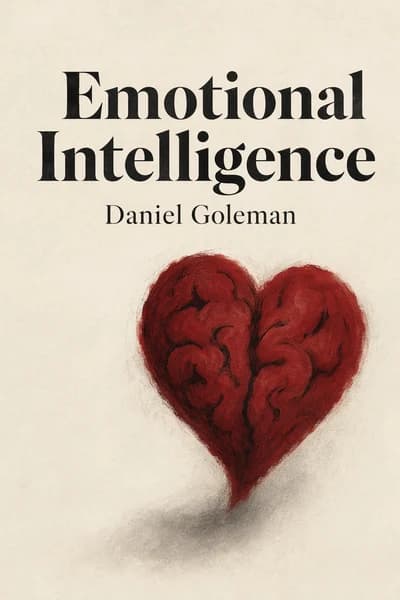
Building self-awareness can help shift brain activity from these automatic amygdala reactions to the neocortex, which controls rational thought. Developing this emotional regulation is crucial, as high emotional intelligence often outweighs standard IQ in determining life success, a concept detailed in Emotional Intelligence by Daniel Goleman.
The Dopamine Loop of Outrage
Getting angry online does not just cause stress; it can actually be addictive. Neuroscience research shows that outrage-inducing content triggers dopaminergic reward signals in the nucleus accumbens.
These signals are equivalent to the feelings of direct social validation. When you leave a harsh comment and others "like" it, your brain rewards you. This creates a cycle where you subconsciously seek out more infuriating content to get another hit of dopamine.
Cognitive Biases That Make You Vulnerable
Our brains rely on mental shortcuts to process the massive amounts of information we see daily. These shortcuts make us highly susceptible to manipulation.
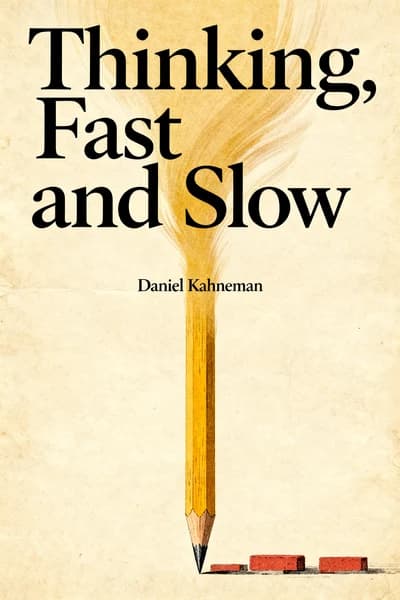
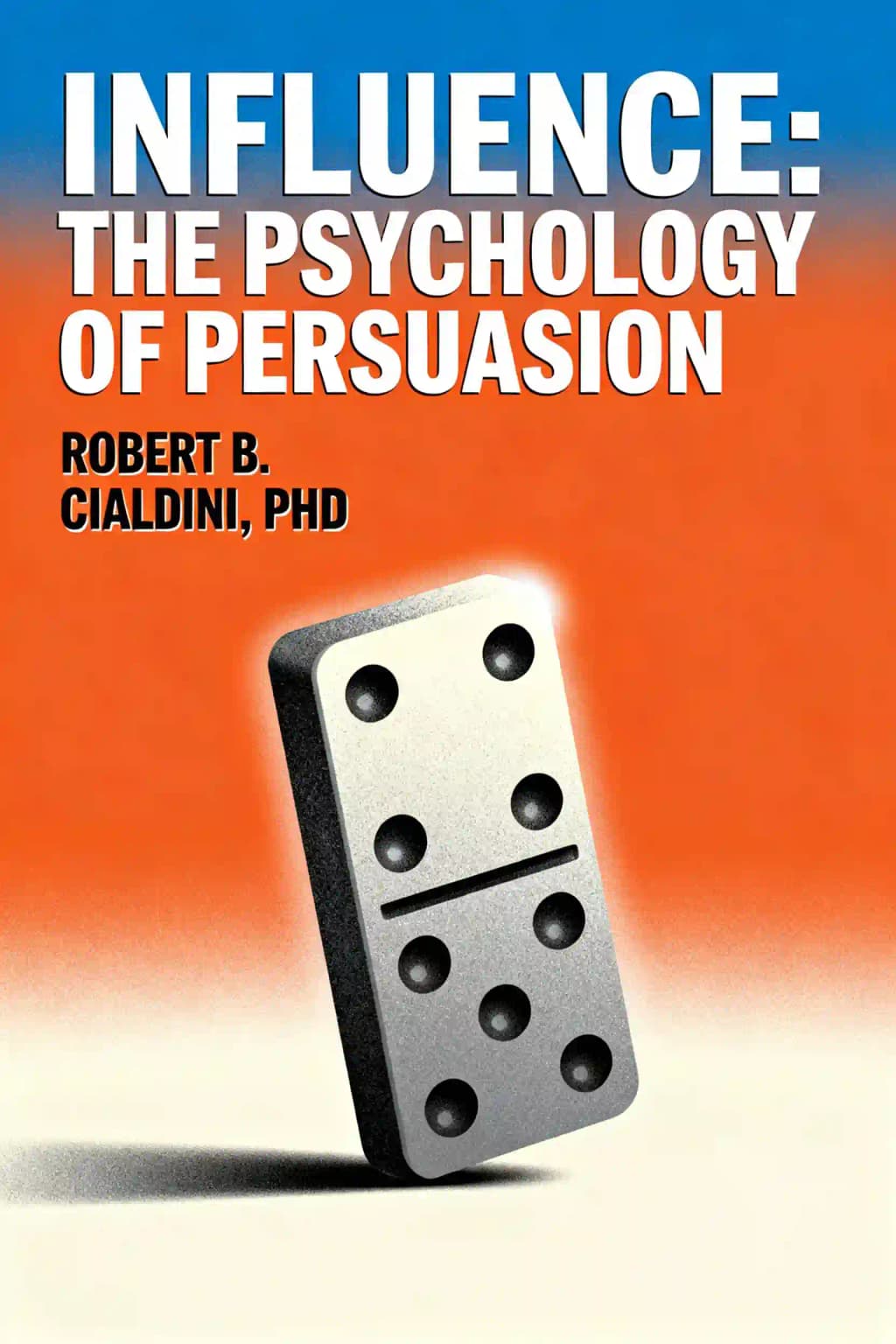
Rage bait targets our "System 1" thinking, which is fast, automatic, and emotional. To fight it, we must activate our "System 2" thinking, which is slower and more analytical. This framework is famously explained in Thinking, Fast and Slow by Daniel Kahneman. Creators also use established psychological triggers to force a reaction, manipulating our sense of identity and authority as explored in Influence by Robert B. Cialdini.
What Are Common Examples of Rage Bait?
Common examples of rage bait include extreme hot takes, reversed victim narratives, and deliberately incorrect statements designed to force corrections. Knowing these formats makes them easier to spot.
The Hot Take
The hot take involves a creator stating a highly controversial or offensive opinion as an absolute fact. They might attack a beloved movie, insult a specific profession, or make a sweeping generalization about a group of people. The lack of nuance is intentional. It is designed to make you jump into the comments to prove them wrong.
The Victim Flip
This tactic involves a creator behaving poorly or unethically, but framing the story so they appear to be the victim. The sheer audacity of the claim causes moral outrage. Users rush to point out the creator's hypocrisy, inadvertently giving the post massive engagement.
Deliberately Wrong Content
Not all rage bait is political or social. Much of it is just aggressively incorrect. A creator might post a video making a recipe in a disgustingly unhygienic way, or confidently state a blatantly false historical "fact." The urge to correct someone who is wrong on the internet is incredibly strong, and creators weaponize this impulse for views.
How Does Rage Bait Affect Your Mental Health?
Rage bait negatively affects your mental health by keeping your nervous system in a constant state of stress, anger, and anxiety. Consuming a steady diet of outrage distorts your view of the world, making it seem more hostile and divided than it actually is.
Over time, this chronic exposure leads to digital burnout. It is particularly dangerous for teens and young adults, whose emotional regulation skills are still developing. Constant engagement with inflammatory content can disrupt sleep, lower baseline mood, and increase feelings of helplessness.
How to Recognize Rage Bait Before You React
The best defense against emotional manipulation is early detection. You can spot rage bait by paying attention to a few distinct warning signs.
First, look at the language. If a post uses extreme words, all-caps, or heavy moral judgments, it is likely trying to bypass your logic. Second, check the context. Does the scenario seem absurdly staged or too perfectly designed to make a specific group angry? Finally, notice your own physical reaction. If you feel your heart rate spike within seconds of reading a headline, you are likely looking at bait.
5 Practical Tips to Stop Engaging with Rage Bait
Breaking the cycle of online outrage requires intentional effort. Here are five practical steps to protect your attention.
- Pause before you type: Give yourself ten seconds before responding to anything that makes you angry. This brief window is often enough to let your rational brain catch up.
- Do not "hate share": Sharing a terrible post with the caption "I can't believe this" still helps the creator. Take a screenshot if you must share it privately, but do not share the original link.
- Use the block button: Train your algorithm by aggressively blocking accounts that post inflammatory content.
- Set digital boundaries: Reduce your overall exposure to algorithmically driven feeds. Adopting the principles found in Digital Minimalism by Cal Newport can help you reclaim your time and attention.
- Study media tactics: The better you understand how media is constructed, the less power it has over you. Building these skills is the core focus of Media Literacy by W. James Potter.
How BeFreed Can Help You Build Media Literacy
Navigating the modern internet requires sharp critical thinking and a deep understanding of human psychology. BeFreed is designed to help you build those exact skills without requiring hours of reading.
Through AI-powered book summaries and engaging podcasts, BeFreed delivers the core insights from top non-fiction books directly to your device. By learning the principles of cognitive biases, emotional intelligence, and digital habits, you can immunize yourself against cheap online manipulation and spend your time on content that actually enriches your life.
Conclusion
Rage bait is a calculated business model that profits off your frustration. By understanding the rage bait meaning and the psychology behind why it works, you can step out of the outrage loop. Recognizing the signs, pausing before you react, and actively curating your digital environment will protect your mental health and keep you in control of your own attention.
FAQs
더 알아보기

학습 계획
Psychological Defense and Digital Rhetoric
In an increasingly polarized digital landscape, understanding the intersection of psychology and persuasion is essential for professional and personal resilience. This plan is ideal for communicators, community managers, and anyone looking to navigate online hostility with confidence and tactical precision.
1 h 30 m•3 섹션

학습 계획
Use psychology to attract and win over crush
Understanding the mechanics of attraction is essential for anyone looking to navigate the complexities of modern dating with clarity and purpose. This plan is designed for individuals seeking to replace guesswork with psychological insights to build authentic, lasting romantic connections.
5 h 48 m•4 섹션

학습 계획
Anger management
Uncontrolled anger can damage health and relationships, yet traditional advice often fails to address its root causes. This plan is ideal for anyone seeking to transition from reactive outbursts to mindful, constructive communication and emotional stability.
3 h 49 m•4 섹션

학습 계획
Beyond the Rival Fallacy
This learning plan is designed for individuals seeking to escape the cycle of social comparison and external pressure. It provides a psychological framework for anyone looking to build emotional independence and find fulfillment beyond competitive metrics.
1 h 30 m•3 섹션

학습 계획
Break the self-help dopamine trap
In an era of constant digital stimulation, many find themselves trapped in a loop of superficial self-improvement without real change. This plan is essential for anyone feeling overwhelmed by screen time or 'productivity porn' who wants to reclaim their focus and mental clarity.
4 h 32 m•4 섹션

학습 계획
Break the Algorithmic Loop
In an era of persuasive design, our attention is often hijacked by sophisticated algorithms. This plan is essential for professionals and students who feel drained by digital distractions and want to regain cognitive control using proven behavioral science.
30 m•3 섹션

학습 계획
Learn dark physcology tricks
This plan is essential for professionals and individuals seeking to safeguard themselves against predatory behavior while mastering advanced persuasion. It benefits anyone looking to improve their social intelligence and recognize manipulation in high-stakes environments.
5 h 38 m•4 섹션

학습 계획
Dark psychology and persuasion awareness
In an era of information overload and sophisticated social engineering, understanding the mechanics of influence is a vital survival skill. This plan is designed for professionals and individuals seeking to safeguard their mental autonomy and master the nuances of ethical persuasion.
4 h 58 m•4 섹션