책
Attention Span
Gloria Mark
Discover how technology impacts attention and learn strategies to regain focus, balance, and productivity in the digital age.
Your attention span is shrinking by design. Learn why focus is declining and discover evidence-based strategies to reclaim deep concentration in 2026.
Your focus is shrinking because modern technology platforms are engineered to hijack your cognitive resources and keep you scrolling. According to Microsoft Research, the average human attention span has dropped to 7.2 seconds in 2026, down from 12 seconds in 2000. This sharp decline is driven by notification overload, the rapid rise of short-form video content, and a digital economy that profits from constant interruption. Getting your focus back requires conscious behavioral shifts. You can reclaim your attention by establishing strict digital boundaries, practicing single-tasking, and implementing structured routines that prioritize uninterrupted thought. Rebuilding your attention span is entirely possible with the right evidence-based strategies.
If you want to learn these focus strategies but struggle to finish long books, BeFreed can help. Our AI-powered book summaries and podcasts let you absorb key insights from top productivity books in minutes instead of hours.
Your attention span is shrinking because digital platforms are explicitly designed to interrupt your focus and condition you for rapid context switching.
We live in an environment where human attention is the primary product. Technology companies optimize their platforms to hold your gaze for as long as possible. A staggering 92% of users receive over 200 daily notifications, creating an environment where sustained concentration becomes incredibly difficult.
The content we consume is also changing. With TikTok and Reels usage up 40% since 2024, our media diets are dominated by hyper-stimulating, bite-sized entertainment. This constant barrage of information leaves little room for quiet, uninterrupted thought.
This constant exposure to rapid-fire content actively conditions our brains. We are being trained to expect immediate gratification in 15-second bursts. When you try to sit down and read a long report or focus on a complex project, your brain craves the quick dopamine hits it usually gets from your smartphone.
Many people feel unable to read long texts or struggle with phone addiction because their baseline for stimulation has been artificially raised. Your brain simply adapts to the environment it spends the most time in.
The real cost of distraction is a massive loss in daily productivity and a heavy toll on your cognitive well-being.
Every time your phone buzzes, you lose much more than just a few seconds of time. Research from Gloria Mark and the University of California, Irvine, reveals a significant focus recovery tax: it takes 25 to 26 minutes to return to a state of deep focus after an interruption.
For workers experiencing three or more interruptions per hour, the situation is even worse. They need up to 38 minutes to fully recover their concentration. When you multiply this across the workforce, the financial impact is staggering. United States workplace distraction costs are estimated at $1.2 trillion annually.
Constant distraction does not just hurt your output; it drains your mental energy. The American Psychological Association notes that multitasking reduces productivity by up to 40%. When you constantly switch between tasks, you exhaust your cognitive resources.
This mental fatigue stifles creativity. Creative problem-solving requires long stretches of uninterrupted thought to connect disparate ideas. When your attention is constantly fractured, you lose the ability to do your best, most innovative work.
Scientific research reveals that our focus is constantly fractured by both external interruptions and our own conditioned habits.
In her book Attention Span, researcher Gloria Mark highlights just how fragmented our digital lives have become. Her research shows that the average screen attention span is a mere 47 seconds before a person shifts their focus to something else. We are rarely spending even a full minute on a single digital task before clicking away, checking a new tab, or looking at our phones.
Discover how technology impacts attention and learn strategies to regain focus, balance, and productivity in the digital age.
The problem goes beyond individual willpower. In Stolen Focus, Johann Hari explains that our attention hasn't just collapsed; it has been stolen by systemic forces. From the design of social media algorithms to the modern demands of the workplace, the environment we navigate daily is hostile to deep concentration. Recognizing these external factors is the first step toward taking your focus back.

You can rebuild your focus by implementing structured routines, eliminating multitasking, and training your mind to resist distractions.
To counter the constant pull of distraction, you need to intentionally schedule your concentration. In Deep Work, Cal Newport advocates for blocking out specific periods of time dedicated solely to cognitively demanding tasks.
Create a ritual around these blocks. Close your email, put your phone in another room, and commit to working on a single important task for 60 to 90 minutes. By making deep work a scheduled habit rather than an afterthought, you protect your most valuable cognitive hours.
Since multitasking reduces productivity by up to 40%, the most effective way to get more done is to do one thing at a time. Single-tasking allows you to bypass the 25-minute recovery tax associated with task-switching.
When you sit down to write an email, only write the email. When you are in a meeting, just be in the meeting. It sounds simple, but in a world of 200+ daily notifications, single-tasking is a highly effective competitive advantage.
Awareness is not enough; you need practical habits to manage your devices. Start by turning off all non-essential notifications. If 92% of users are bombarded by alerts, you can immediately step out of that majority by silencing your phone.
Establish physical boundaries with your technology. Leave your phone in a drawer while you work, and keep it out of the bedroom at night. Making it slightly more difficult to access your device breaks the unconscious habit of reaching for it every time you feel bored.
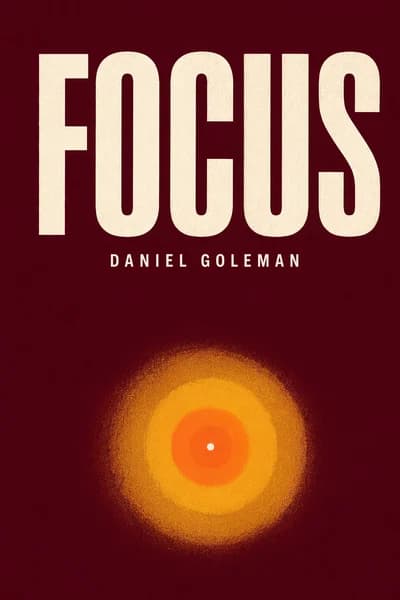
Attention is like a muscle that can be strengthened over time. In Focus, Daniel Goleman explores how mindfulness practices can improve our cognitive control.
Simple practices, like focusing on your breath for five minutes a day, train your brain to notice when your attention has wandered and gently bring it back. This directly combats the 15-second burst conditioning of modern media, helping you sustain attention for longer periods.
Understanding how to fix your attention span is one thing, but finding the focus to read the books that teach these strategies is another challenge entirely. If you are currently struggling with a 47-second screen attention span, sitting down with a 300-page book on productivity can feel impossible.
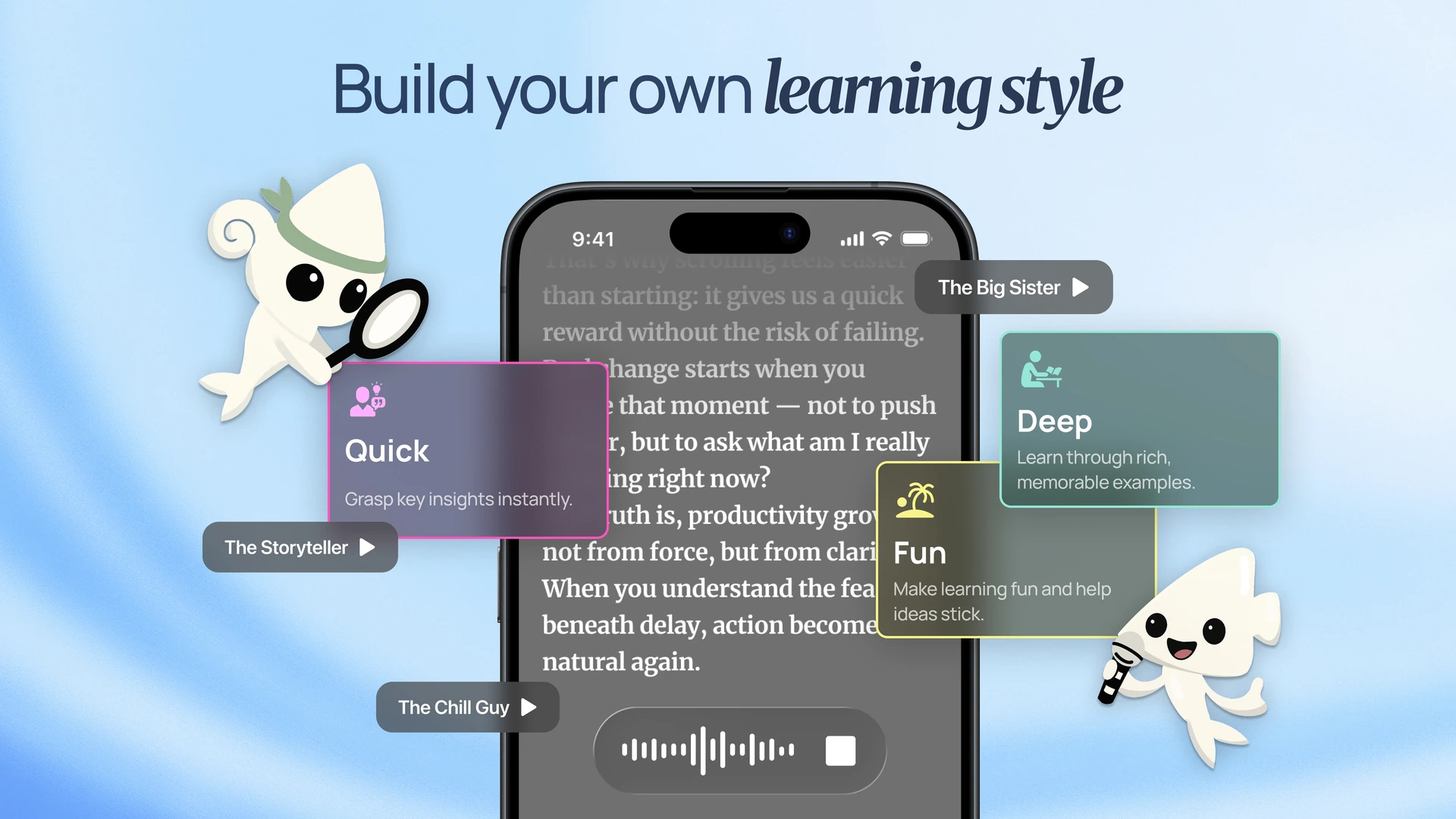
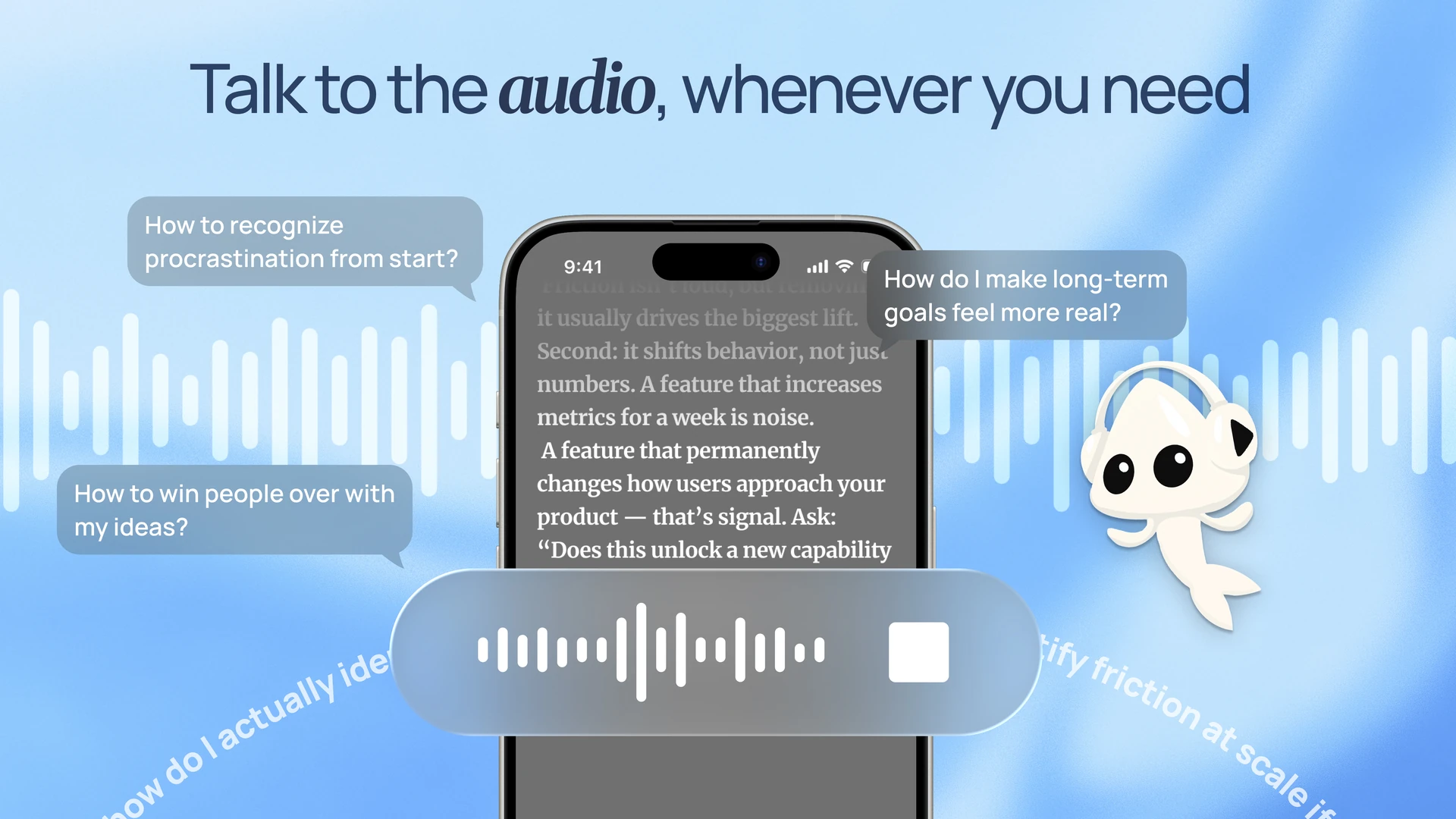
This is where BeFreed steps in. BeFreed provides AI-powered book summaries and audio podcasts that distill the core insights from the world's best books on attention, psychology, and productivity. You can absorb the exact frameworks from experts like Cal Newport and Gloria Mark in just a few minutes. It is the perfect tool for busy people who want to reclaim their focus and build better habits, without triggering the exhaustion of information overload.
The decline of the average attention span to 7.2 seconds is a symptom of our modern digital environment, but it does not have to be your permanent reality. The 25-minute recovery tax and the $1.2 trillion in lost productivity prove that distraction is costly. However, by understanding the science behind your shrinking focus, you can take practical steps to reverse the trend.
By implementing deep work rituals, practicing single-tasking, and setting firm digital boundaries, you can retrain your brain for sustained concentration. Your attention is your most valuable resource — protect it, train it, and use it to do your best work.
Improve focus and attention
In an era of constant digital distraction, the ability to control your attention is a competitive advantage. This plan is ideal for professionals and students looking to master deep work, leverage neuroscience, and build sustainable peak performance habits.

Focus Lab: Reclaiming Your Attention
In an era of constant digital distraction, the ability to protect your focus is a competitive advantage. This plan is designed for professionals and creatives who need to move beyond busywork to achieve high-impact, elite-level results through disciplined attention.

The Architecture of Deep Focus
In an era of constant digital fragmentation, understanding the biological and neurological foundations of concentration is essential for high-level performance. This plan is designed for professionals and students who need to reclaim their cognitive autonomy and master the science of deep focus.

Become more focused and more social
In an age of constant distraction and digital isolation, the ability to concentrate deeply while maintaining strong interpersonal bonds is a rare competitive advantage. This plan is designed for professionals and individuals looking to sharpen their mental edge while elevating their social influence and presence.

Reclaim Your Attention and Productivity
In an era of constant digital noise, maintaining focus is a critical skill for professional and personal success. This plan is designed for anyone feeling overwhelmed by screen time or seeking to strengthen their cognitive control against algorithmic distractions.

High-IQ Habits for Deep Focus
In an era of constant distraction, cognitive energy is a finite resource that requires strategic management. This plan is designed for professionals and students who want to leverage decision logic and externalized systems to achieve elite levels of concentration.
Boost focus, cut excess, and gain freedom.
In an era of constant digital noise, the ability to protect your attention and simplify your lifestyle is a competitive advantage. This plan is designed for ambitious professionals and creators who want to escape burnout and build a life centered on deep work and personal autonomy.

Master Focus and Science-Based Habits
This learning plan is essential for professionals and students seeking to reclaim their attention in the digital age. It combines neuroscience with practical systems, making it ideal for high-performers looking to build lasting habits and superior cognitive resilience.