Handling Triggers Before You Say Something You Regret
If your emotions feel like an explosion, it’s not a character flaw. Learn how to use the STOP protocol to retrain your reactions and save your relationships.

Handling Triggers Before You Say Something You Regretのベスト引用
The goal isn't necessarily to 'stop being emotional,' but to interrupt that neurological cascade before it completes. We have to learn how to manually pump the brakes when the automatic ones fail.
Generated by Sarah
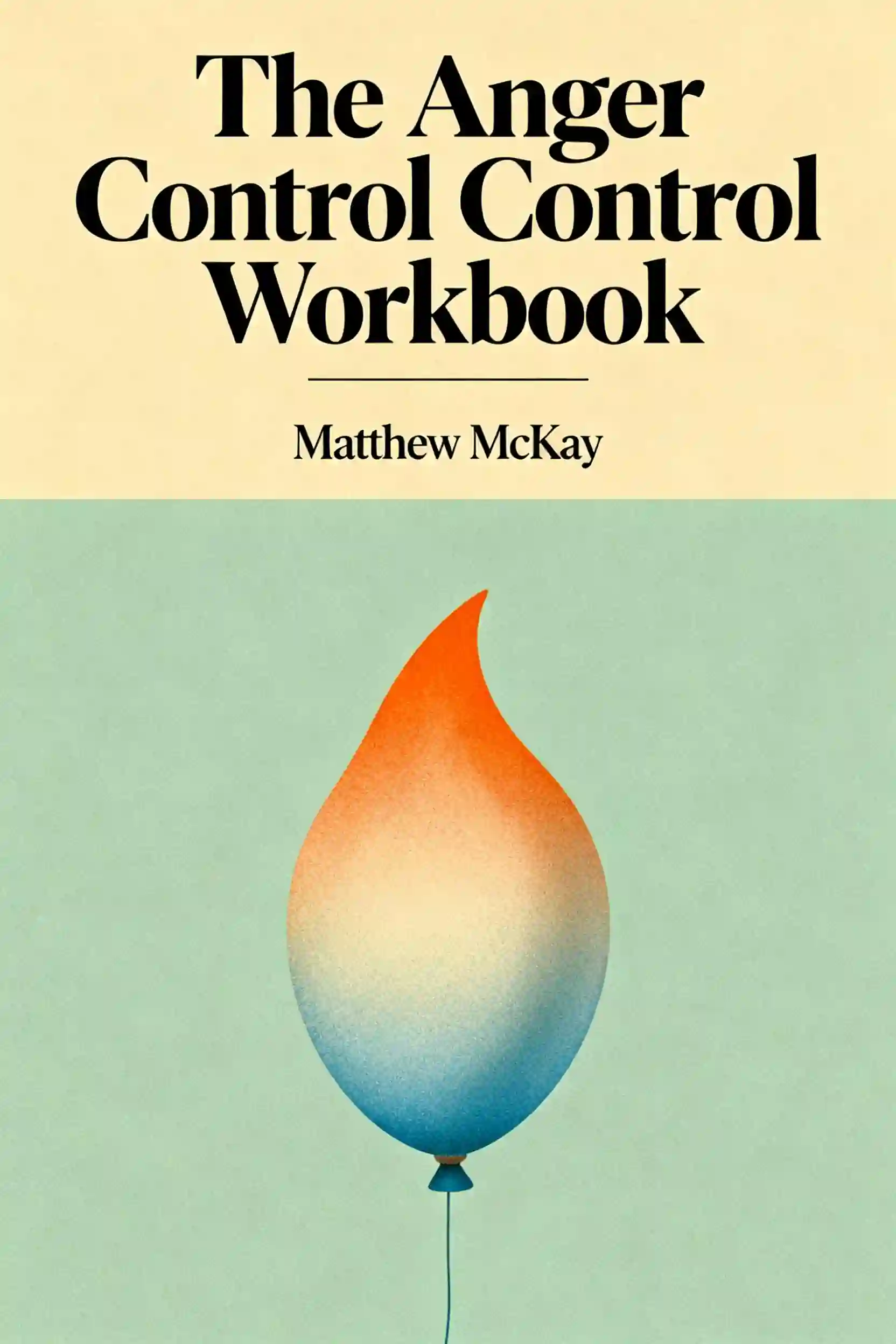
How can I handle myself so I dont explode when triggered. How do I handle my emotions as it is damaging my relationships. I also dramatic when I'm emotional and will nearly everytime say something I regret. And it's destroying me

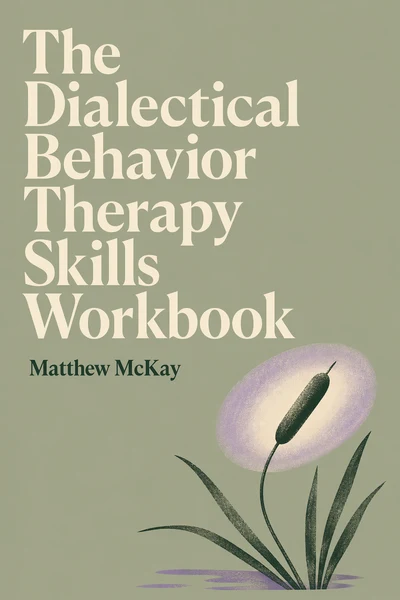
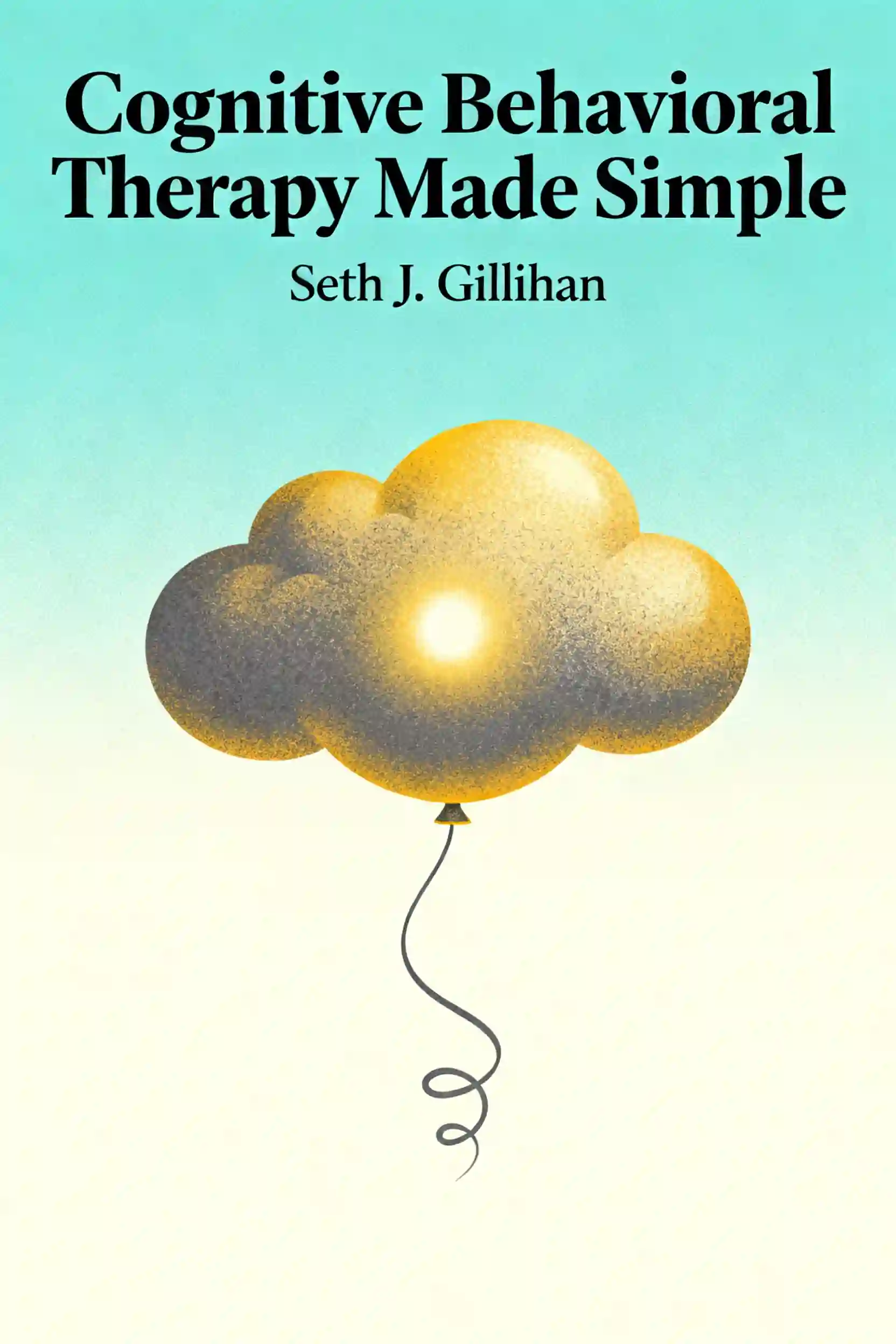
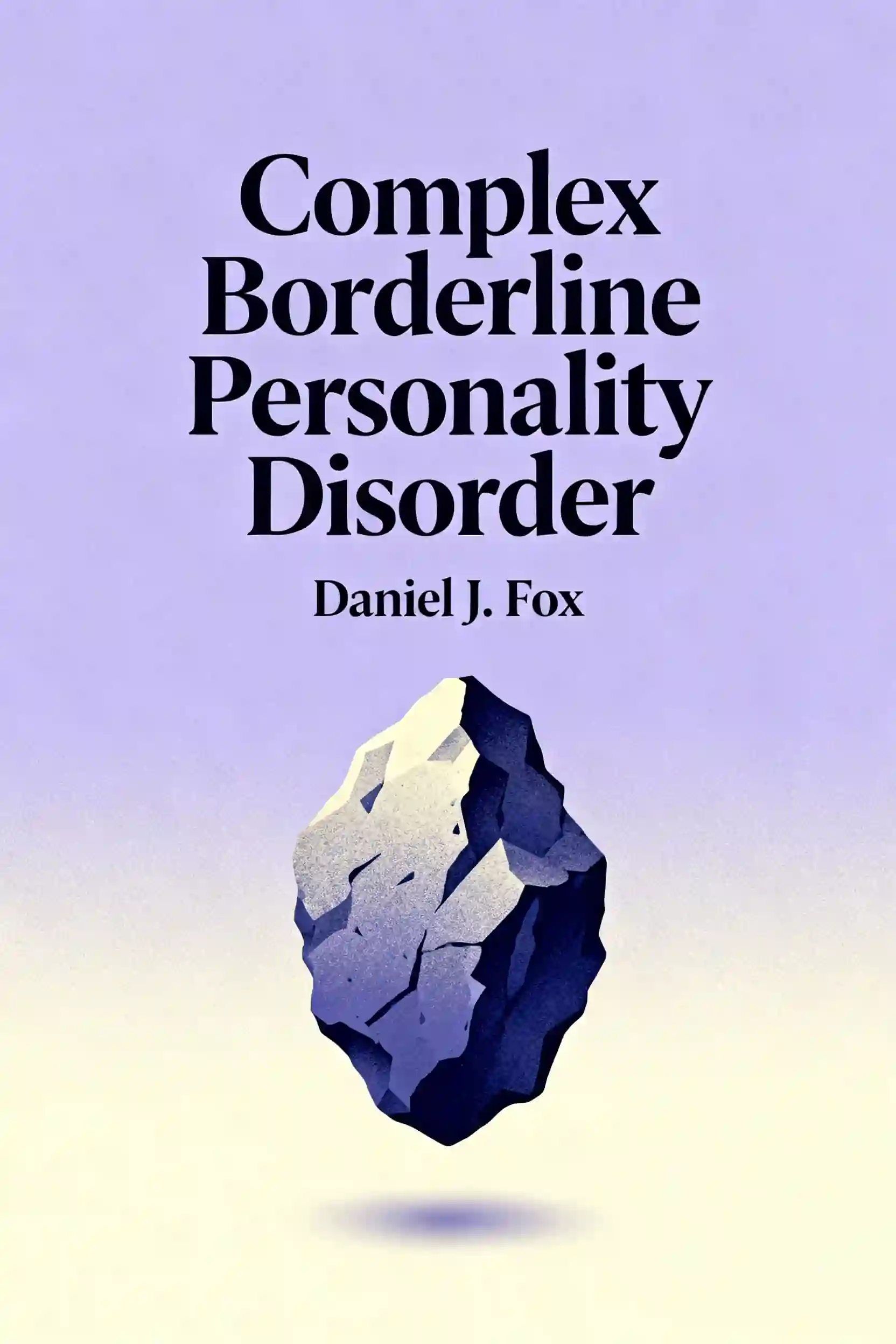
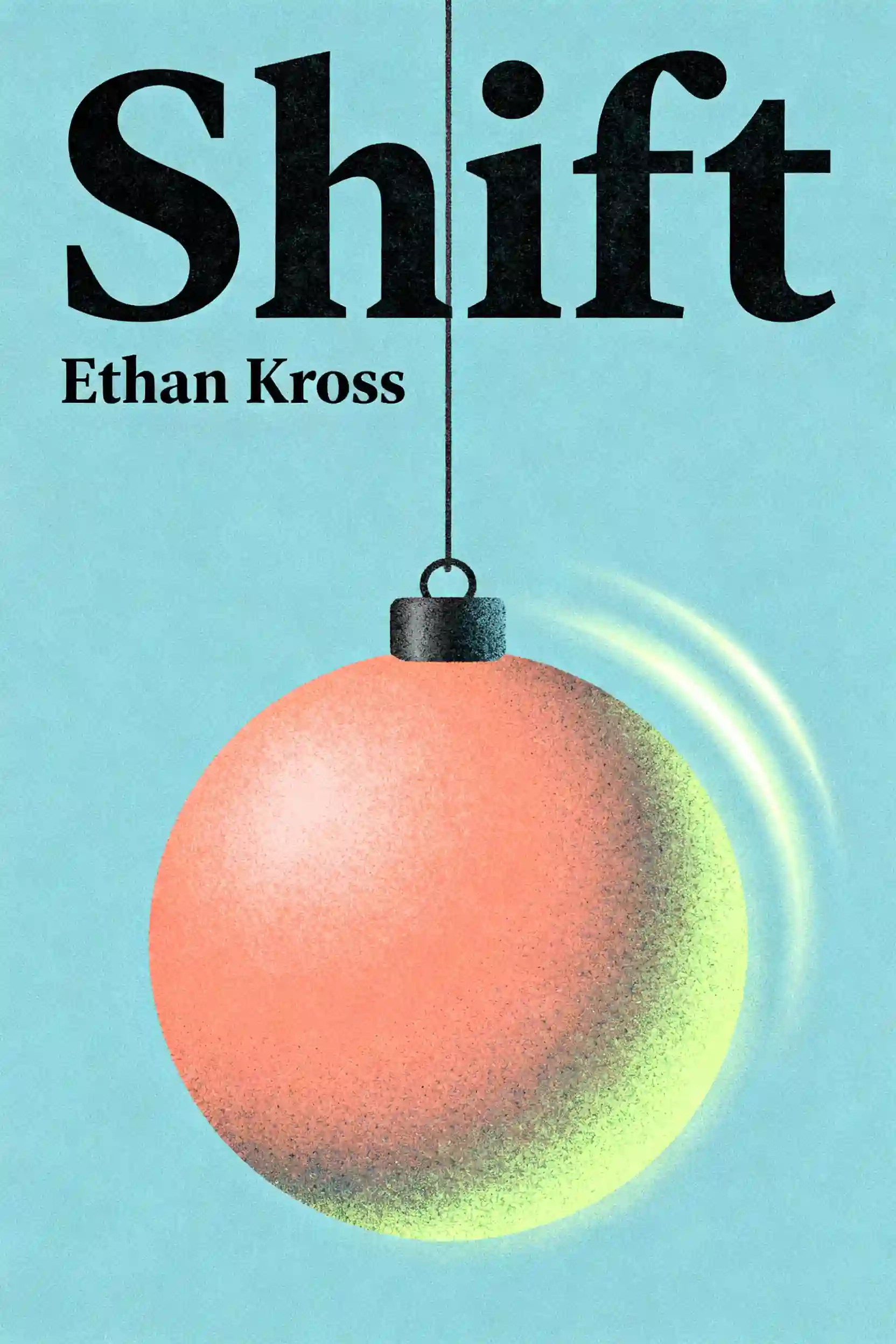
よくある質問
This happens because of a biological "mismatch" in your brain's threat-detection system. When you are triggered, your amygdala—the brain's emotional alarm center—fires in about twelve milliseconds, which is faster than a blink. By the time six seconds have passed, the surge of stress hormones can cause your prefrontal cortex, the part of the brain responsible for logic and consequences, to drop in connectivity by forty percent. Essentially, your rational mind goes offline, leaving your ancient survival instincts in control of your actions.
The ninety-second wave refers to the natural chemical lifespan of an emotion. Research by neuroanatomists suggests that when an emotion is triggered, the actual surge of hormones and neurotransmitters moving through your bloodstream only lasts about a minute and a half. We often stay angry for much longer because we "re-trigger" the cycle by ruminating on the story of what happened. If you can manage to "ride the wave" for just ninety seconds without acting on your impulses, the physical intensity of the emotion will naturally begin to dissipate.
One of the most effective ways to intervene biologically is through "TIPP" skills, specifically changing your body temperature. Splashing cold water on your face or wrists activates the "dive reflex," which forces your heart rate to drop and shifts your nervous system from a "fight" response to a "rest" state. This acts as a manual hard reset for your brain, providing a necessary window of time for your logical prefrontal cortex to come back online so you can choose a more mindful response.
The STOP protocol is a sequenced neurological intervention designed to create a gap between a trigger and a reaction. First, you Stop and physically freeze your body to interrupt the motor impulse to lash out. Second, you Take a breath, exhaling for twice as long as you inhale to calm the vagus nerve. Third, you Observe by labeling your internal sensations, such as a tight chest or hot hands, which recruits your logical brain. Finally, you Proceed mindfully by asking yourself if your next action aligns with your long-term goals for the relationship.
Your biological vulnerability directly impacts your "emotional brakes" through a framework called PLEASE. For example, sleep deprivation can make your amygdala sixty percent more reactive while weakening its connection to your logical brain. Similarly, unstable blood sugar from poor eating habits or untreated physical illness can lower your "trigger threshold." By maintaining your physical health—getting enough sleep, eating balanced meals, and exercising—you expand your "window of tolerance," allowing you to handle more stress before hitting an explosion point.
"Instead of endless scrolling, I just hit play on BeFreed. It saves me so much time."


"I never knew where to start with nonfiction—BeFreed’s book lists turned into podcasts gave me a clear path."


"Perfect balance between learning and entertainment. Finished ‘Thinking, Fast and Slow’ on my commute this week."
"Crazy how much I learned while walking the dog. BeFreed = small habits → big gains."
"Reading used to feel like a chore. Now it’s just part of my lifestyle."

"Feels effortless compared to reading. I’ve finished 6 books this month already."
"BeFreed turned my guilty doomscrolling into something that feels productive and inspiring."

"BeFreed turned my commute into learning time. 20-min podcasts are perfect for finishing books I never had time for."
"BeFreed replaced my podcast queue. Imagine Spotify for books — that’s it. 🙌"

"It is great for me to learn something from the book without reading it."
"The themed book list podcasts help me connect ideas across authors—like a guided audio journey."
"Makes me feel smarter every time before going to work"
"Instead of endless scrolling, I just hit play on BeFreed. It saves me so much time."
"I never knew where to start with nonfiction—BeFreed’s book lists turned into podcasts gave me a clear path."
"Perfect balance between learning and entertainment. Finished ‘Thinking, Fast and Slow’ on my commute this week."
"Crazy how much I learned while walking the dog. BeFreed = small habits → big gains."
"Reading used to feel like a chore. Now it’s just part of my lifestyle."
"Feels effortless compared to reading. I’ve finished 6 books this month already."
"BeFreed turned my guilty doomscrolling into something that feels productive and inspiring."
"BeFreed turned my commute into learning time. 20-min podcasts are perfect for finishing books I never had time for."
"BeFreed replaced my podcast queue. Imagine Spotify for books — that’s it. 🙌"
"It is great for me to learn something from the book without reading it."
"The themed book list podcasts help me connect ideas across authors—like a guided audio journey."
"Makes me feel smarter every time before going to work"
"Instead of endless scrolling, I just hit play on BeFreed. It saves me so much time."
"I never knew where to start with nonfiction—BeFreed’s book lists turned into podcasts gave me a clear path."
"Perfect balance between learning and entertainment. Finished ‘Thinking, Fast and Slow’ on my commute this week."
"Crazy how much I learned while walking the dog. BeFreed = small habits → big gains."
"Reading used to feel like a chore. Now it’s just part of my lifestyle."
"Feels effortless compared to reading. I’ve finished 6 books this month already."
"BeFreed turned my guilty doomscrolling into something that feels productive and inspiring."
"BeFreed turned my commute into learning time. 20-min podcasts are perfect for finishing books I never had time for."
"BeFreed replaced my podcast queue. Imagine Spotify for books — that’s it. 🙌"
"It is great for me to learn something from the book without reading it."
"The themed book list podcasts help me connect ideas across authors—like a guided audio journey."
"Makes me feel smarter every time before going to work"
"Instead of endless scrolling, I just hit play on BeFreed. It saves me so much time."
"I never knew where to start with nonfiction—BeFreed’s book lists turned into podcasts gave me a clear path."
"Perfect balance between learning and entertainment. Finished ‘Thinking, Fast and Slow’ on my commute this week."
"Crazy how much I learned while walking the dog. BeFreed = small habits → big gains."
"Reading used to feel like a chore. Now it’s just part of my lifestyle."
"Feels effortless compared to reading. I’ve finished 6 books this month already."
"BeFreed turned my guilty doomscrolling into something that feels productive and inspiring."
"BeFreed turned my commute into learning time. 20-min podcasts are perfect for finishing books I never had time for."
"BeFreed replaced my podcast queue. Imagine Spotify for books — that’s it. 🙌"
"It is great for me to learn something from the book without reading it."
"The themed book list podcasts help me connect ideas across authors—like a guided audio journey."
"Makes me feel smarter every time before going to work"