BeFreed
    Categories>Education>Arabic Prefixes and Suffixes: The Lego Method

    Arabic Prefixes and Suffixes: The Lego Method

    31分
    |
    |
    2026年4月6日
    • Education
    • Communication
    • Self-Growth

    Stop memorizing every Arabic word as a new puzzle. Learn how root patterns and prefixes unlock the language so you can build sentences with ease.

    Arabic Prefixes and Suffixes: The Lego Method
    0:00 / 0:00
    聴き方を選ぶ

    1つのエピソード。いろいろな聴き方。

    Arabic Prefixes and Suffixes: The Lego Methodの同じアイデアを、あなたに合う声・深さ・ペースで。いつでも切り替えられます。

    文字起こしとチャプター

    チャプター 1

    Unlocking Arabic with the Lego Method

    Lena: You know, Miles, I was looking at some Arabic text the other day and it felt like trying to solve a high-level puzzle. It’s amazing how a single word can seem to carry an entire sentence's worth of meaning.

    Miles: It really is! The coolest part is that Arabic works almost like a Lego set. Instead of memorizing thousands of individual words, you’re really just looking at a core root—usually three letters—and then snapping on prefixes and suffixes to change the tense, the person, or even the gender.

    Lena: Right, it’s that "Lego-brick" nature of the language. I’ve heard people often make the mistake of trying to learn every variation as a brand-new word, which sounds like a total nightmare.

    Miles: Exactly, and that’s the biggest pitfall to avoid. Once you master the patterns of what's added to the beginning or the end, the whole language starts to unlock. So, let’s dive into how these root words actually transform.

    チャプター 2

    Building on the Core with the Three-Letter Matrix

    Miles: So, to really get our heads around this, we have to talk about the triliteral root—that three-letter core I mentioned. Think of it as the DNA of an Arabic word. In the Quranic Arabic Corpus, for example, the lexical organization is entirely centered on this root. It’s a base, or a radical, that contains the absolute essence of a concept.

    Lena: That’s such a powerful way to put it—the DNA of the word. So, if I see three specific letters in a certain order, I can basically guess the "vibe" of the word, even if I’ve never seen that exact version before?

    Miles: Spot on. Take the root k-t-b. At its heart, it’s all about the act of writing. Now, this is where the "Lego" part gets fun. You don't just add prefixes and suffixes; you also slot vowels into the root itself using these specific morphological templates called awzan.

    Lena: Templates? Like a mold you pour the consonants into?

    Miles: Exactly! It’s like a mathematical precision that allows a single semantic core to expand into so many different nuances. If you take k-t-b and put it into a certain pattern, you get kitab, which is the noun for "book." Put it in another, you get katib, the "writer."

    Lena: And if you add a prefix, like the letter m at the beginning?

    Miles: Then you get maktab, which creates a "place" for that action—so, an "office" or a "desk." It’s incredible because you’re seeing the same three letters—k, t, and b—but the patterns and prefixes are telling you exactly what role that "writing" is playing. Is it the thing written? That’s maktub, a letter. Is it the place? Maktab.

    Lena: I love that. It makes the language feel so much more organized than I realized. It’s not just a random string of sounds; it’s a system. But I’ve noticed some roots seem to do way more heavy lifting than others. Is that just my imagination?

    Miles: Not at all! There’s actually a huge range in what we call "morphological elasticity." Some roots are super productive, while others stay pretty limited. For instance, the root k-w-n, which relates to "being," occurs nearly 1,400 times in the Quran, but it only really shows up in three derived forms.

    Lena: Only three? That’s surprising for something so common.

    Miles: Right? But then you look at a root like q-w-m, which is about "standing" or "establishing," and it explodes into twenty-two different derived forms! It’s used to describe everything from the literal act of standing up to the metaphysical concept of the Resurrection, qiyamat.

    Lena: Twenty-two! So, for a learner, mastering those high-productivity roots is like finding a cheat code for a massive chunk of the vocabulary.

    Miles: It really is. When you understand how these prolific roots shift across different templates, you start to see the thematic backbone of the whole language. You’re not just translating; you’re seeing how ideas like "truth," "security," and "knowledge" are physically built from these tiny blocks.

    Lena: It’s like the language itself is telling a story through its structure. But before we get too deep into the philosophy, I want to get practical. If I’m looking at a verb, how do I know who is doing the action? Because I know Arabic doesn’t always use separate pronouns like "I" or "he" the way English does.

    Miles: That’s a great transition. That’s where the verb prefixes and suffixes come in to do the heavy lifting. They’re like built-in identity tags.

    このエピソードで学びを深める

    このエピソードのアイデアを、BeFreedのガイド付き学習体験でさらに深めましょう。

    チャプター 3

    The Identity Tags of the Present Tense

    Lena: Okay, so if the root tells me the "what," the prefixes tell me the "who" and the "when"?

    Miles: Exactly. Let’s look at what grammarians call imperfect verbs—which basically cover the present and future. These rely heavily on prefixes to tell you who is performing the action. If you see an alif with a glottal stop—the 'a sound—at the very beginning, that’s your "I" tag.

    Lena: So, if the root is k-t-b for writing, and I hear 'aktubu?

    Miles: That’s "I write." Now, if you swap that prefix for a n, like naktubu?

    Lena: "We write"?

    Miles: You got it! N is the marker for "we." Then you have y for "he"—yaktubu—and t for "you" or "she"—taktubu. It’s a very consistent system once you see it. These prefixes are like little flags at the start of the word signaling the subject.

    Lena: It’s so much more efficient than English. We have to say "I write," "we write," "he writes"—two separate words every time. In Arabic, it’s all fused together.

    Miles: Efficient is the perfect word for it. And it gets even more interesting when you want to talk about the future. You don't need a whole new verb phrase; you just snap on one more tiny prefix before the subject marker. The letter s—pronounced sa.

    Lena: Wait, so if 'aktubu is "I write," then "I will write" is just...?

    Miles: Sa'aktubu. You just put that s right at the front.

    Lena: That is amazingly simple. One letter changes the entire timeline.

    Miles: It really does. And the rule is that the s—the future marker—always takes the very first position if there are other prefixes involved. It’s like the "lead" Lego brick. But there’s a nuance here for listeners to keep in mind. While these prefixes are great for identifying the subject and the time, they don't change the core meaning of the root. They just add layers of context.

    Lena: Like adding a hat or a coat to a person—they’re still the same person, they’re just dressed for a different occasion.

    Miles: Exactly. Now, one thing that trips people up is pronunciation, especially with the definite article al-. You know, "the."

    Lena: Oh, I’ve heard about this! Sometimes you hear the "L" sound clearly, and sometimes it just... disappears into the next letter. What’s going on there?

    Miles: That’s the famous Sun and Moon letter rule. It’s purely phonetic—it’s about making the language flow more smoothly. There are fourteen "Moon letters" where you pronounce the L clearly, like in al-qamar, "the moon."

    Lena: And the others?

    Miles: The fourteen "Sun letters." When al- meets one of those, the L sound is absorbed, or assimilated, into the next consonant, doubling it. So, instead of saying al-shams for "the sun," you say ash-shams.

    Lena: Ash-shams. It does feel more natural to say it that way. It’s less of a jump for your tongue.

    Miles: Precisely. It’s all about ease of articulation. Native speakers do it automatically, and once you start noticing the pattern—how the L merges with letters like s, t, n, and r—you’ll start sounding much more natural. It’s one of those small details that separates a hesitant beginner from a confident speaker.

    Lena: So, we’ve got these prefixes for "who," "when," and "the." But what about when we look at the other end of the word? I’ve seen words that get really long because of the stuff tacked onto the back.

    Miles: Ah, the suffixes. That’s where the "past" lives, and where we find things like ownership and objects. That’s a whole different side of the Lego set.

    チャプター 4

    Navigating the Past and the Power of Ownership

    Lena: So, if prefixes are the kings of the present and future, suffixes own the past?

    Miles: Precisely. In Arabic, when you want to talk about something that already happened, you don't look at the beginning of the word—you look at the end. The subject markers for past tense verbs are all suffixes.

    Lena: Okay, so give me an example with our favorite root, k-t-b.

    Miles: Sure. To say "I wrote," you take the root and add a tu sound at the end: katabtu.

    Lena: Katabtu. And "we wrote"?

    Miles: You add na: katabna. It’s a complete shift in where you’re looking for the information. If the "identity tag" is at the front, you’re usually in the present or future. If it’s at the back, you’re in the past.

    Lena: That’s a really helpful mental framework. Front for now/later, back for then. But suffixes do more than just verb subjects, right? I remember seeing things like "my book" or "his house" being handled at the end of the word too.

    Miles: You’re hitting on one of the most efficient parts of Arabic—possessive suffixes. Instead of having separate possessive adjectives like "my," "your," or "her," Arabic just glues a pronoun right onto the end of the noun.

    Lena: So, if kitab is book...

    Miles: Then kitabi is "my book." The i sound at the end is the "my" tag.

    Lena: And "his book"?

    Miles: Kitabuhu. That hu suffix means "his."

    Lena: It’s so streamlined! It’s like the language is constantly trying to save space.

    Miles: It really is. It turns a whole English phrase into a single, compact word. But here’s a pro tip: these same suffixes can also be direct objects when they’re attached to verbs.

    Lena: Wait, so you can have the subject, the action, AND the object all in one word?

    Miles: Absolutely. Take the verb ra'a, which means "to see." If you want to say "I saw him," you start with ra'aytu—that’s "I saw"—and then you just snap on the "him" suffix, hu. You get ra'aytuhu.

    Lena: Ra'aytuhu. "I-saw-him." All in one go. That is incredible. I can see why people say Arabic is so precise. You have to be very careful with those little endings, though, because one wrong letter changes who did what to whom.

    Miles: Exactly. And that’s where things like the ta marbuta come into play. You know that little "closed T" at the end of many feminine words?

    Lena: Yeah, it looks like a circle with two dots on top.

    Miles: Right. Usually, it’s silent or just a soft "h" sound. But when you add a possessive suffix to a feminine noun, that hidden "T" suddenly wakes up and is pronounced clearly. So, sayyara is "car," but "my car" is sayyarati. The t sound comes back to life to hold the suffix.

    Lena: It’s like a structural support beam that only appears when you’re building an extension on the word.

    Miles: That’s a perfect analogy! Now, there’s one more set of suffixes we have to talk about, and these are often the "final boss" for learners: case endings.

    Lena: Oh, I’ve heard about these. The u, a, and i sounds at the very, very end. Are they really that important?

    Miles: In formal Arabic and the Quran, they are everything. They’re called I'rab, and they tell you the grammatical role of a noun. A u sound, or dammah, usually means the noun is the subject. An a sound, or fathah, means it’s the object. And an i sound, or kasrah, usually means it’s coming after a preposition or it’s in a possessive relationship.

    Lena: So, even if I move the words around in the sentence, those vowels act like GPS coordinates telling me where each word fits?

    Miles: Precisely. Arabic word order can be very fluid because the I'rab endings provide the clarity. You can say "The man saw the boy" in several different orders, but as long as "man" has the u and "boy" has the a, the meaning stays the same. Without those endings, you’d be lost—especially in classical texts where the structure can get complex.

    Lena: It’s like the language has its own built-in logic system. But I can imagine it’s easy to mix them up. What’s the most common mistake people make with these?

    Miles: The biggest one is probably mixing up the tanween—the "n" sound you hear on indefinite nouns like kitabun—with the single vowels you use on definite nouns like al-kitabu. You can never have both the "the" prefix and the "n" suffix at the same time. They’re like oil and water.

    Lena: "The a book" doesn't make sense in English, so I guess "Al-kitabun" doesn't make sense in Arabic!

    Miles: Exactly! You've got to choose one: specificity or the general "n" sound.

    このエピソードで学びを深める

    このエピソードのアイデアを、BeFreedのガイド付き学習体験でさらに深めましょう。

    チャプター 5

    The Dance of the Ten Verb Patterns

    Lena: Okay, so we’ve talked about prefixes for "who" and "when," and suffixes for "past" and "ownership." But I’ve heard there’s another layer to this—these "Ten Verb Forms." It sounds like something out of a martial arts movie.

    Miles: Ha! It kind of is like a set of specialized moves. Remember how we said you can slot a root into different templates? Grammarians have categorized the most common templates into ten major forms, often labeled Form I through Form X.

    Lena: Ten different ways to change a single root? That seems like a lot to keep track of.

    Miles: It sounds daunting, but it’s actually the most logical part of the language. Each form adds a specific "flavor" or nuance to the base meaning of the root. Form I is just the base—the simplest version. But Form II? That usually adds intensity or makes the verb causative.

    Lena: Causative... as in, making someone else do the action?

    Miles: Exactly. Take the root for "knowledge," 'alima. In Form I, it’s 'alima, "he knew." But if you put it into the Form II pattern—which involves doubling the middle consonant—it becomes 'allama. "He made someone know," or in other words...

    Lena: "He taught"!

    Miles: Spot on! You see how the structure itself creates the new meaning? You didn't have to learn a whole new word for "teach"; you just applied the Form II "intensity/causative" mold to the "knowledge" root.

    Lena: That’s brilliant. So what about the other forms?

    Miles: Well, Form III usually implies interaction between two people. If Form I is "he wrote," Form III is kataba, "he corresponded with someone." It’s a mutual thing. Form IV is another way to show causation—often a very direct "making something happen."

    Lena: And they just keep going?

    Miles: They do! Form V is often the reflexive version of Form II. If Form II 'allama is "he taught," Form V ta'allama is "he taught himself," or simply, "he learned."

    Lena: It’s like a family tree of meanings. All coming from that one three-letter root.

    Miles: It really is. Form VII and VIII often deal with passive or reflexive actions. Form X is one of my favorites—it usually means "seeking" or "requesting" the root. So, if the root is about forgiveness, Form X would be "seeking forgiveness."

    Lena: So, if I’m reading and I see a verb in a Form X pattern, even if I don’t know the root perfectly, I can guess that the person is "seeking" something?

    Miles: Exactly. It gives you this incredible linguistic intuition. You start to sense the direction of the meaning before you even reach for a dictionary. For a learner, this is a total game-changer. Instead of memorizing 10,000 words, you learn the patterns and a few hundred roots, and suddenly you can decode thousands of variations.

    Lena: It’s about learning the system rather than just the content. But I have to ask—does this system ever break? Are there "irregular" Lego bricks that don't fit the mold?

    Miles: Oh, definitely. Those are the "weak" verbs. They have certain letters—like w or y—that like to change or disappear entirely depending on the pattern. It’s like a Lego brick that occasionally turns into a different shape just to keep you on your toes.

    Lena: I knew there had to be a catch!

    Miles: It’s not so much a catch as it is a different set of rules to learn. We call them "hollow" or "weak" verbs. They follow their own logic, but once you recognize them, they become their own kind of predictable pattern. But for most of the language, the regular sound verbs—the ones with solid consonants—are remarkably consistent.

    Lena: It’s a lot to take in, but the fact that it’s a system makes it feel manageable. It’s like once you learn the rules of the game, you can actually start playing.

    Miles: That’s the perfect mindset. And speaking of playing, one of the best ways to see this in action is looking at how these roots bridge the gap between simple everyday things and really deep, heavy concepts.

    チャプター 6

    The Semantic Bridge from the Mundane to the Divine

    Lena: You mentioned earlier how some roots are incredibly productive, like q-w-m—the one that means "standing." I’d love to dig into how that one root covers so much ground.

    Miles: It’s a fantastic example. The core idea is "standing" or "rising." In its simplest form, qama, it just means "he stood up." But because of this prefix and suffix system, it expands into almost every area of life.

    Lena: Like what?

    Miles: Well, think about a "people" or a "nation." In Arabic, that’s qawm. It’s literally a group that is "established" or "standing together." Then you have aqama, which is a Form IV verb. It’s used almost exclusively for "establishing" something, like prayer.

    Lena: So, "standing" becomes "establishing"?

    Miles: Exactly. And then it goes even deeper. The word for "Resurrection" is qiyamat—the ultimate "standing" before the Creator. And one of the names of God is Al-Qayyum, the "Self-Subsisting" or "Ever-Sustaining" one.

    Lena: Wow. So from a simple physical act like standing up, you get the word for a nation, the word for ritual prayer, the word for the end of the world, and a name for the Divine. All from q-w-m.

    Miles: It’s beautiful, isn't it? It’s what we call "semantic versatility." Another great one is the root a-m-n. At its most basic level, it’s about "safety" or "security."

    Lena: A-m-n... that sounds like amin, as in "amen"?

    Miles: Exactly! It’s the same root. And get this: the word for "faith" or "belief" in Arabic is iman. Linguistically, the language is telling you that to have faith is to be in a state of security. To believe is to feel safe.

    Lena: That is such a profound connection. It’s not just a random word choice; it’s baked into the very structure of the language.

    Miles: Right. And then you have mu'min, which is the prefix m plus the root. That’s the "believer"—literally, "one who is secure" or "one who grants security." Even the word for a "trust" or a "responsibility" you’re given is amanat. It all comes back to that core idea of being safe and trustworthy.

    Lena: It makes me think that when you’re learning these prefixes and suffixes, you’re not just learning grammar; you’re learning a whole worldview. You’re seeing how these concepts are linked together in the minds of the people who developed the language.

    Miles: You’ve hit the nail on the head. That’s why we say Arabic is so precise and nuanced. A single root like s-d-q, which is about "truth," branches out into sidq (truthfulness), sadiq (a friend—someone who is true to you), and sadaqah (charity).

    Lena: Charity comes from the root for truth?

    Miles: Yes! The idea is that giving charity is the outward "verification" of your inner truth or faith. It’s the physical proof that you’re telling the truth about what you believe.

    Lena: I’m starting to see why people get so obsessed with Arabic morphology. It’s like a secret code where everything is connected. But for someone who’s just starting out, this can feel like a lot of information. How do people actually study this without getting overwhelmed?

    Miles: That’s where the "Practical Playbook" comes in. It’s about strategy, not just brute-force memorization.

    このエピソードで学びを深める

    このエピソードのアイデアを、BeFreedのガイド付き学習体験でさらに深めましょう。

    チャプター 7

    The Strategy of Grouping and Word Families

    Lena: Okay, Miles, let’s get tactical. If I’m a listener and I want to start using this "Lego method" today, what’s the first move?

    Miles: The most important thing is to stop looking at words in isolation. Instead, start building "word families." Whenever you learn a new word, don't just learn its meaning—find its three-letter root and see what else is in that family.

    Lena: Like a family tree exercise?

    Miles: Exactly. If you learn kitab for book, take a second to look at kataba (he wrote) and maktab (office). See how they all share those three consonants? By grouping them, you’re training your brain to recognize the pattern, which makes the next "writing" word you encounter ten times easier to guess.

    Lena: That makes so much sense. It’s like learning one root gives you a "buy one, get five free" deal on vocabulary.

    Miles: Precisely. Another key move is to group your prefixes and suffixes by their "job" rather than just a long list. Have one mental bucket for "Who is doing it?" (the present tense prefixes like 'a, na, ya, ta) and another bucket for "Whose is it?" (the possessive suffixes like i, ka, hu).

    Lena: Right, categorize by function. That way, when you see a prefix, your brain immediately knows which "drawer" to open to find the meaning.

    Miles: Exactly. And don't worry about the complex case endings—the I'rab—too much at the very beginning. In casual conversation, people often drop those final vowels anyway. Focus on the big "identity tags" first—the ones that tell you the tense and the person.

    Lena: That’s a relief. So, focus on the "heavy lifting" blocks first, and then refine the details as you get more comfortable.

    Miles: Right. And practice reading aloud! This is huge. Arabic has a very specific rhythm because of these patterns. When you say them out loud, you start to "feel" the difference between a Form II verb and a Form V verb. You hear the doubling of the consonant, you hear the extra ta prefix. Your ears start to recognize the templates before your eyes even do.

    Lena: It’s like music. You start to recognize the melody of the grammar.

    Miles: That’s a great way to put it. Also, be on the lookout for the al- prefix and how it interacts with Sun and Moon letters. It’s a great "low-hanging fruit" for improving your pronunciation instantly. Just remember: al-shams is a no-no, ash-shams is the way to go.

    Lena: Ash-shams. I’ll remember that. What about those "weak" verbs you mentioned? Should I just avoid them for now?

    Miles: Don't avoid them, but give yourself some grace. Recognize that when you see a root that seems to be missing a letter or has a shifting vowel, you’re probably dealing with a weak verb. Just knowing that they exist—and that they’re not just "random" errors—takes away a lot of the frustration.

    Lena: It’s about managing expectations. "Oh, there’s that shifting waw again, I see you!"

    Miles: Exactly! "I see what you’re doing there!" And finally, use tools that emphasize this root-based approach. There are some great resources out there, like the Quranic Arabic Corpus or modern dictionaries that allow you to search by root rather than just by the full word. It changes the way you think about the language.

    Lena: It sounds like once you change your perspective—from seeing Arabic as a list of words to seeing it as a system of roots and patterns—it actually becomes... fun?

    Miles: It really does. It turns language learning into a puzzle-solving adventure. You’re constantly looking for the hidden core and seeing how it’s been "dressed up" for that specific sentence.

    チャプター 8

    Real-World Patterns in Daily Life and Literature

    Lena: You know, it’s one thing to talk about these patterns in a textbook, but I imagine they’re everywhere in the real world. If I were walking through a city in the Middle East, where would I see these suffixes and prefixes at work?

    Miles: Oh, they are literally all around you! Think about street signs or labels. You’ll see the i suffix for "my" or the na suffix for "our" everywhere. On a mailbox, you might see baytuna—"our house." At a library, you’ll see kutubi—"my books"—on personal labels.

    Lena: So they’re not just grammatical rules; they’re the way people actually navigate their world and their relationships.

    Miles: Absolutely. And in modern media, like news broadcasts, you’ll hear the full, formal I'rab endings. News anchors are like the gold standard for perfect prefix and suffix usage. They articulate every u, a, and i to ensure there’s zero ambiguity in what they’re reporting.

    Lena: It’s like they’re using the full power of the "Lego set" to be as precise as possible.

    Miles: Exactly. But then, if you look at classical literature, like One Thousand and One Nights, you see these patterns being used for poetic effect. There’s this famous line about "when night came"—falamma ja'a al-laylu.

    Lena: Ja'a... that’s a verb, right?

    Miles: Yes, it’s a "hollow" verb meaning "to come." And even in that simple phrase, you see the system. The fa at the very beginning is a prefix that means "so" or "then." It shows a logical progression or a sequence of events.

    Lena: So, even the word "then" is just a prefix snapped onto the front of the verb?

    Miles: Yep! Arabic is incredibly efficient that way. Fa-lamma—"So when." It’s all connected. And in that same story, the porter says qad ji'tu ma'akunna—"I have come with you all." That kunna at the end of ma'a is a suffix for "you" in the feminine plural.

    Lena: So he’s addressing a group of women specifically, and the suffix tells us that without him having to say "you women"?

    Miles: Exactly. The gender and number are baked right into the ending. It’s that precision again. You know exactly who he’s talking to just by that one suffix.

    Lena: It’s amazing how much social information is packed into these tiny additions. It’s not just "you"; it’s "you, a group of women." It makes English feel a bit vague by comparison!

    Miles: It really does! We just have "you" for everyone—one person, ten people, men, women, it’s all the same. Arabic demands that you be specific about those relationships. And that’s why mastering these endings is so important for building real connections with people. You’re showing that you understand the nuances of who they are and how you’re relating to them.

    Lena: It’s a sign of respect, in a way. You’re taking the time to use the correct "identity tag."

    Miles: That’s a beautiful way to think about it. And as you get more advanced, you start to see these patterns in the way words for "truth" (sidq) lead to "friend" (sadiq). A friend is literally someone who is "true" to you. The language is building its own moral and social philosophy right into the vocabulary.

    Lena: It makes me want to go back and look at every Arabic word I’ve ever learned and see what else is hiding in its family tree.

    Miles: That’s the "Aha!" moment right there. Once you start looking, you can’t stop seeing it.

    このエピソードで学びを深める

    このエピソードのアイデアを、BeFreedのガイド付き学習体験でさらに深めましょう。

    チャプター 9

    The Evolutionary Journey of the Arabic Root

    Lena: We’ve covered so much ground, Miles—from the triliteral root DNA to the specialized "martial arts" moves of the ten verb forms. It really feels like we’ve unpacked the secret architecture of the language.

    Miles: It’s a lot to process, but I hope it makes the "puzzle" of Arabic feel a lot more approachable. The key takeaway is that Arabic isn't a chaotic collection of random words; it’s one of the most organized and systematic languages in existence.

    Lena: That’s the part that really stuck with me. The idea that you don't have to be a genius to learn it; you just have to understand the rules of the system. It’s like learning to play a game or build with Legos. Once you know how the pieces fit, you can start creating your own meanings.

    Miles: Exactly. And for everyone listening, I hope this gives you a sense of empowerment. When you look at a page of Arabic script now, I hope you don’t just see "squiggles." I hope you start looking for those three-letter roots. I hope you start spotting the al- prefix and the tu suffix.

    Lena: Right! Look for the identity tags. Look for the tense markers. And remember that those three letters are the heart of everything.

    Miles: Building on that, remember the strategy: group your words into families, categorize your prefixes and suffixes by their job, and don't get bogged down in the tiny details like case endings right away. Focus on the big blocks that move the story forward.

    Lena: And don't be afraid of those "weak" verbs! They’re just part of the dance.

    Miles: Exactly. They’re just the "irregular" bricks that make the final structure even more interesting. Arabic is a language that rewards curiosity. Every time you dig into a root, you find these fascinating connections between things like "safety" and "faith," or "standing" and "resurrection."

    Lena: It’s a lifelong journey of discovery. You’re not just learning to speak; you’re learning to see the world through a completely different lens—one that’s focused on the deep, structural connections between ideas.

    Miles: I couldn't have said it better. It’s an intellectually rigorous path, for sure, but it’s also incredibly rewarding. Every little prefix or suffix you master is a new tool in your belt for understanding one of the world’s most beautiful and influential languages.

    Lena: So, for our listeners, maybe the next move is just to pick one root—maybe k-t-b for writing or s-l-m for peace—and see how many "Lego" variations you can find in the wild.

    Miles: That’s a perfect challenge. Start small, build your first "family," and watch as the language starts to open up for you.

    チャプター 10

    A Final Reflection on the Linguistic Puzzle

    Lena: As we wrap things up today, I’m reflecting on how we started this conversation—talking about Arabic as a high-level puzzle. But now, it feels less like a mystery and more like a beautifully designed machine.

    Miles: It’s a shift from "How does this work?" to "Look at how perfectly this fits together." That’s the beauty of morphology. It’s the science of word-building, and Arabic is its masterpiece.

    Lena: You know, it reminds me of something I read in one of our sources—the idea that the geographic isolation of the Arabian Peninsula actually helped preserve these unique features. It’s like the language was allowed to develop its own internal logic in a vacuum, making it this incredibly pure, systematic thing.

    Miles: That’s a fascinating historical point. It’s why those "Lego" rules are still so consistent today, thousands of years later. Whether you’re reading a poem from the seventh century or a news report from 2026, the core system of prefixes and suffixes is exactly the same.

    Lena: That continuity is mind-blowing. It means that once you learn the system, you have the keys to over a millennium of human thought and culture.

    Miles: Exactly. It’s a bridge across time and across a massive part of the world. So, as you go out and continue your Arabic journey, I hope you keep that "Lego" mindset. Don't let the complexity overwhelm you. Just look for the blocks.

    Lena: One root at a time. One prefix at a time.

    Miles: You've got this. The structure is there to support you, not to trip you up.

    Lena: Well, Miles, this has been a total eye-opener for me. I feel like I’m looking at Arabic in a whole new light.

    Miles: Same here. It’s always a pleasure to dive deep into the "how" and "why" behind such a fascinating language.

    Lena: To everyone listening, thank you so much for joining us on this deep dive. We hope it’s given you some real, practical tools to help you on your own path to mastering Arabic.

    Miles: Take a moment to reflect on that one "word family" you want to explore first. Which root is going to be your starting point?

    Lena: Think about it, and then go find those pieces. Happy building!

    Miles: Thanks for listening, everyone. It’s been a blast.

    ★★★★★

    Arabic Prefixes and Suffixes: The Lego Methodを最後まで学びました

    “23日間、毎日使い続けています。今では日課の一部です。”

    jayallen

    Arabic Prefixes and Suffixes: The Lego Methodのベスト引用

    “

    Arabic works almost like a Lego set. Instead of memorizing thousands of individual words, you’re really just looking at a core root—usually three letters—and then snapping on prefixes and suffixes to change the meaning.

    ”
    G

    Generated by Gerardo Valdez

    質問を入力

    The world of prefixes and suffixes in the Arabic language

    ホストの声
    Lenaplay
    Milesplay
    知識ソース
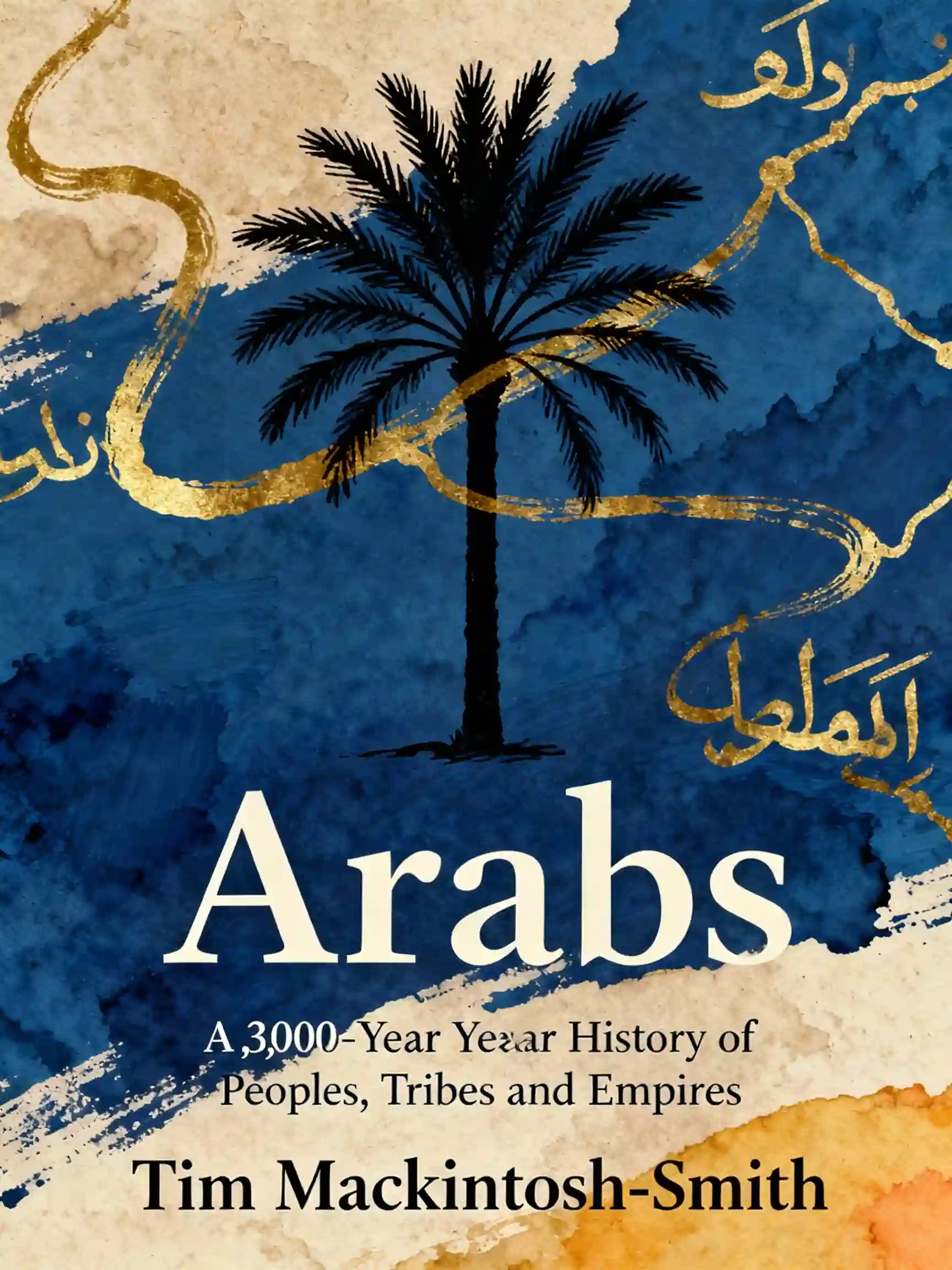
    Arabs
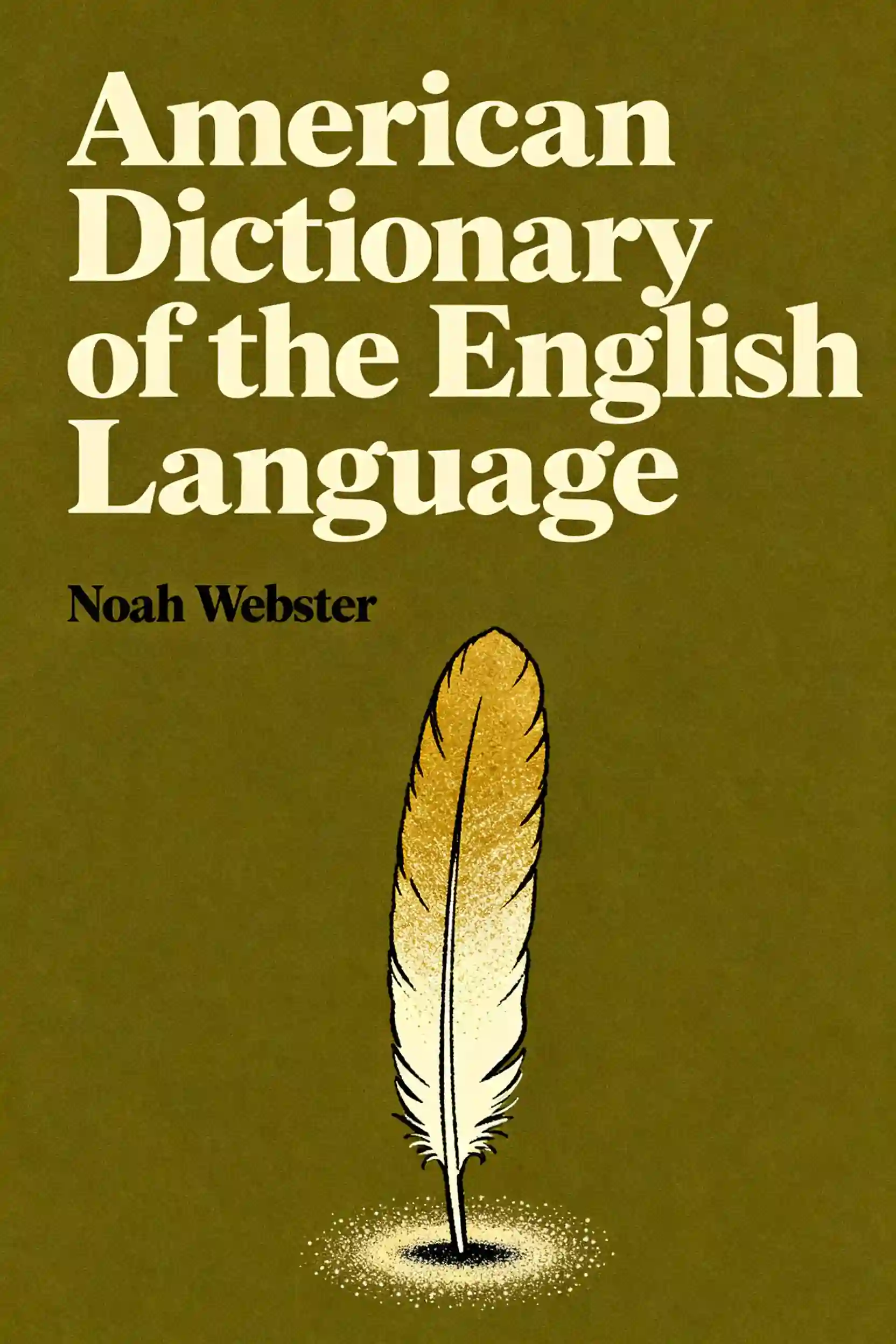
    Noah Webster's first edition of an American dictionary of the English language
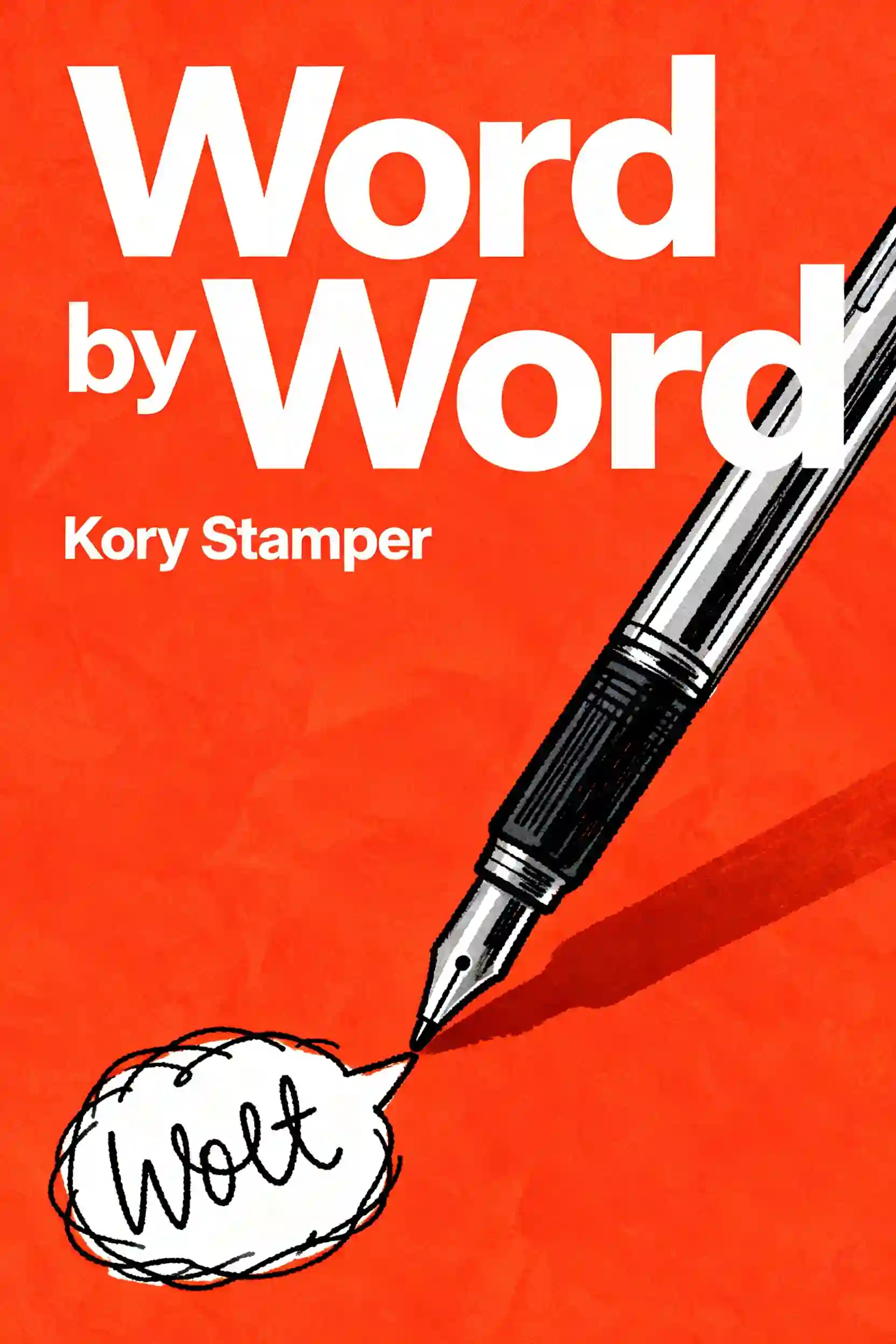
    Word by Word
    Says Who?
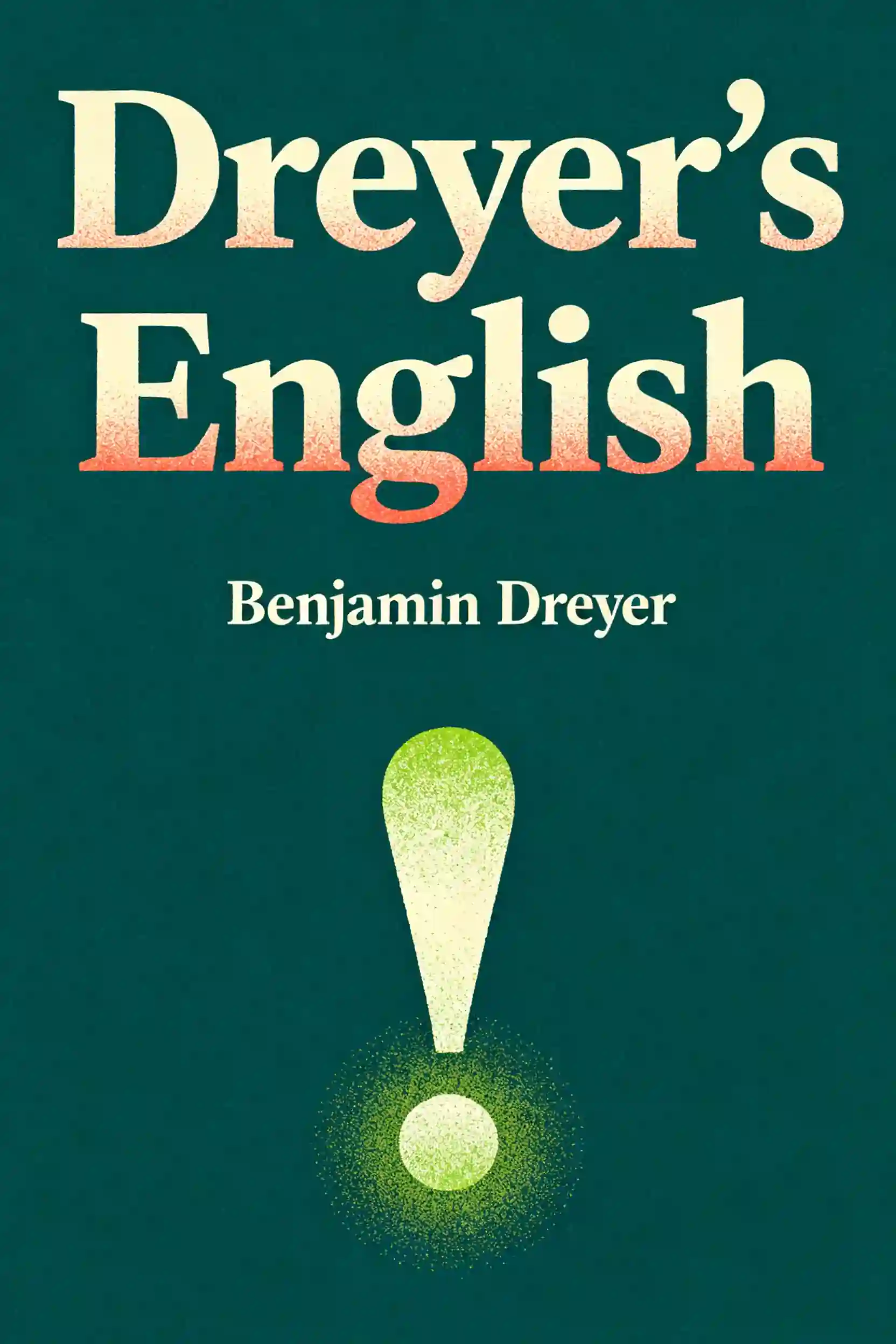
    Dreyer's English
    Fluent in 3 Months

    よくある質問

    The Lego Method refers to the systematic way Arabic words are constructed using a core three-letter root, known as a triliteral root. Instead of memorizing thousands of individual words, learners can think of the language as a set of building blocks where specific prefixes, suffixes, and vowel patterns (templates) are "snapped" onto the root to change the word's meaning, tense, gender, or grammatical role.

    Every root contains the "DNA" or essence of a concept, such as the root k-t-b for writing. By applying different morphological templates called awzan, the root can transform into various related nouns and verbs. For example, the same root can become kitab (book), katib (writer), maktab (office), or maktub (letter). Some highly productive roots can even expand into dozens of different forms, covering everything from simple physical actions to complex metaphysical concepts.

    In Arabic, the position of an "identity tag" tells the listener when an action occurs. Prefixes are primarily used for the "imperfect" tense, which covers the present and future; for instance, adding an n to the start of a verb means "we." Suffixes are used to indicate the past tense, such as adding tu to the end of a root to mean "I did." Additionally, suffixes can be used on nouns to show ownership, like adding i to the end of a word to mean "my."

    The Sun and Moon letter rule is a phonetic system that dictates how the definite article al- (meaning "the") is pronounced. With the fourteen Moon letters, the "L" sound is pronounced clearly. However, with the fourteen Sun letters, the "L" sound is assimilated or absorbed into the following consonant, causing that letter to double. This rule exists to make the language flow more naturally and is a key detail for sounding like a native speaker.

    The Ten Verb Forms are a series of standardized templates (Form I through Form X) that add specific nuances or "flavors" to a root's base meaning. For example, Form II often adds intensity or makes a verb causative (e.g., changing "to know" into "to teach"), while Form X often implies "seeking" or "requesting" the action of the root. Mastering these patterns allows learners to decode the meaning of thousands of variations without needing to look up every individual word in a dictionary.

    コロンビア大学卒業生が開発 | サンフランシスコ発

    BeFreedは好奇心旺盛な仲間が集うグローバルコミュニティ

    4.7

    平均評価

    7,840件以上のアプリ評価

    BeFreedコミュニティ

    正直、まだアプリを使いこなせていませんが、この数日使っただけで本当に感動しました… BeFreed は、今まで使ったどの学習アプリともレベルが違います。夢中になれるうえに集中力も実際に上がるので、スマホをだらだら見てしまう人にぴったりです!

    @ladyInfinity

    ちょうど 23 日前に BeFreed を購入して、それから毎日欠かさず使っています。仕事の流れと学習習慣に完全に溶け込みました。

    @jayallen

    正直なところ、このアプリは期待をすべて超えてきました。どんなテーマでも音声を生成してもらえて、その結果には驚かされます。私の専門は心理療法で、多分野にまたがる領域ですが、それでも回答はとても正確です。

    @Raguipa

    何よりありがたいのは、スマホをだらだら見る時間が減ったことです。探す時間が減って、吸収する時間が増えました。オーディオブック、ポッドキャスト、学習プランの組み合わせが素晴らしいです。

    @colonyofcreatorsNGO

    私は 24 年間、PhotoReading 加速学習のインストラクターをしています… 本と読書と学びが私の専門ですが、BeFreed は情報を消化しやすい形で届ける革新的なアプローチを見事に実現しています。

    @BeFreed user

    ただの本の要約アプリではありません。「ファン」スタイルを使ってみたら、従来のやり方よりずっと良い要約で、アイデアもつかみやすいです。これだけでも十分元が取れます。

    @austinakon

    このアプリが大好きです。数日使っただけで、聞くのが止まらなくなりました。始め方として最高です。

    @jcrules328

    本当に気に入っています。約 1 か月試していますが、まさに掘り出し物だと感じます。BeFreed で自分だけのテーマを作れるのが便利で、声も素晴らしく、ナレーションの選択肢は無限です。

    @DanielCZ

    正直、まだアプリを使いこなせていませんが、この数日使っただけで本当に感動しました… BeFreed は、今まで使ったどの学習アプリともレベルが違います。夢中になれるうえに集中力も実際に上がるので、スマホをだらだら見てしまう人にぴったりです!

    @ladyInfinity

    ちょうど 23 日前に BeFreed を購入して、それから毎日欠かさず使っています。仕事の流れと学習習慣に完全に溶け込みました。

    @jayallen

    正直なところ、このアプリは期待をすべて超えてきました。どんなテーマでも音声を生成してもらえて、その結果には驚かされます。私の専門は心理療法で、多分野にまたがる領域ですが、それでも回答はとても正確です。

    @Raguipa

    何よりありがたいのは、スマホをだらだら見る時間が減ったことです。探す時間が減って、吸収する時間が増えました。オーディオブック、ポッドキャスト、学習プランの組み合わせが素晴らしいです。

    @colonyofcreatorsNGO

    私は 24 年間、PhotoReading 加速学習のインストラクターをしています… 本と読書と学びが私の専門ですが、BeFreed は情報を消化しやすい形で届ける革新的なアプローチを見事に実現しています。

    @BeFreed user

    ただの本の要約アプリではありません。「ファン」スタイルを使ってみたら、従来のやり方よりずっと良い要約で、アイデアもつかみやすいです。これだけでも十分元が取れます。

    @austinakon

    このアプリが大好きです。数日使っただけで、聞くのが止まらなくなりました。始め方として最高です。

    @jcrules328

    本当に気に入っています。約 1 か月試していますが、まさに掘り出し物だと感じます。BeFreed で自分だけのテーマを作れるのが便利で、声も素晴らしく、ナレーションの選択肢は無限です。

    @DanielCZ

    役立つ情報やアイデアを 8〜15 分のポッドキャスト風音声にぎゅっとまとめて聞けるのが最高です。ポッドキャストは余計な話が多くて苦手でしたが、これは無駄を全部そぎ落としてくれます。

    @BeFreed user

    博士課程の仕上げの段階で、なじみのない資料を大量に読む必要があります… BeFreed ならプロンプトを入力するだけで、アプリが資料を探して音声ポッドキャストを作ってくれます。BeFreed のほうが NotebookLM よりも流れがスムーズだと感じます。

    @Brad

    朝食を作りながら、散歩しながら、通勤しながら聞くものを YouTube でよく探していましたが、BeFreed は広告も余計な話もなしで、もっと的を絞った聞き方をさせてくれます!

    @BeFreed user

    このプラットフォームの一番の魅力は、その万能さです。扱えないテーマは文字どおりひとつもありません。何を投げても応えてくれます… 制限がまったくないのに約束をきちんと果たしてくれる学習ツールには、なかなか出会えません。

    @jayallen

    BeFreed は素晴らしいです。使いやすいデザインのおかげで、操作に迷う時間が減り、学ぶ時間が増えました。オーディオブック、ポッドキャスト、学習プランの組み合わせは天才的で、毎日の習慣がすっかり変わりました。

    @BeFreed user

    最初はイタリア語でポッドキャストを作る方法を理解するのに少し時間がかかりましたが、わかった瞬間、最高でした!どんなテーマでも説明してもらえて、しかもとても賢く、うまく話してくれます!

    @matteo77

    BeFreed は毎日使うオーディオブックアプリになりました… 一番気に入っているのは、自分のテキストを入れると、外出先でも聞ける音声にしてくれるところです。

    @kotanzu1

    役立つ情報やアイデアを 8〜15 分のポッドキャスト風音声にぎゅっとまとめて聞けるのが最高です。ポッドキャストは余計な話が多くて苦手でしたが、これは無駄を全部そぎ落としてくれます。

    @BeFreed user

    博士課程の仕上げの段階で、なじみのない資料を大量に読む必要があります… BeFreed ならプロンプトを入力するだけで、アプリが資料を探して音声ポッドキャストを作ってくれます。BeFreed のほうが NotebookLM よりも流れがスムーズだと感じます。

    @Brad

    朝食を作りながら、散歩しながら、通勤しながら聞くものを YouTube でよく探していましたが、BeFreed は広告も余計な話もなしで、もっと的を絞った聞き方をさせてくれます!

    @BeFreed user

    このプラットフォームの一番の魅力は、その万能さです。扱えないテーマは文字どおりひとつもありません。何を投げても応えてくれます… 制限がまったくないのに約束をきちんと果たしてくれる学習ツールには、なかなか出会えません。

    @jayallen

    BeFreed は素晴らしいです。使いやすいデザインのおかげで、操作に迷う時間が減り、学ぶ時間が増えました。オーディオブック、ポッドキャスト、学習プランの組み合わせは天才的で、毎日の習慣がすっかり変わりました。

    @BeFreed user

    最初はイタリア語でポッドキャストを作る方法を理解するのに少し時間がかかりましたが、わかった瞬間、最高でした!どんなテーマでも説明してもらえて、しかもとても賢く、うまく話してくれます!

    @matteo77

    BeFreed は毎日使うオーディオブックアプリになりました… 一番気に入っているのは、自分のテキストを入れると、外出先でも聞ける音声にしてくれるところです。

    @kotanzu1

    BeFreedがウェブ上でどのように話題になっているかをもっと見る
    129.7K19.5K
    55.2K19.2K
    154.2K10827355
    48.1K2.5K
    81.2K6.6K
    82.3K1.8K
    今すぐ学習の旅を始めよう
    BeFreedアプリ
    BeFreed

    なんでも、あなた向けに学ぶ

    DiscordLinkedIn
    注目の書籍要約
    Crucial ConversationsThe Perfect MarriageInto the WildNever Split the DifferenceAttachedGood to GreatSay Nothing
    人気のカテゴリ
    Self HelpCommunication SkillRelationshipMindfulnessPhilosophyInspirationProductivity
    著名人の読書リスト
    Elon MuskCharlie KirkBill GatesSteve JobsAndrew HubermanJoe RoganJordan Peterson
    受賞作品コレクション
    Pulitzer PrizeNational Book AwardGoodreads Choice AwardsNobel Prize in LiteratureNew York TimesCaldecott MedalNebula Award
    注目のトピック
    ManagementAmerican HistoryWarTradingStoicismAnxietySex
    年別ベストブック
    2025 Best Non Fiction Books2024 Best Non Fiction Books2023 Best Non Fiction Books
    注目の著者
    Chimamanda Ngozi AdichieGeorge OrwellO. J. SimpsonBarbara O'NeillWinston ChurchillCharlie Kirk
    BeFreed vs 他のアプリ
    BeFreed vs. Other Book Summary AppsBeFreed vs. ElevenReaderBeFreed vs. ReadwiseBeFreed vs. Anki
    学習ツール
    Knowledge VisualizerAI Podcast Generator
    情報
    会社概要arrow
    料金arrow
    よくある質問arrow
    ブログarrow
    採用情報arrow
    パートナーシップarrow
    アンバサダープログラムarrow
    ディレクトリarrow
    BeFreed
    Try now
    © 2026 BeFreed
    利用規約プライバシーポリシー
    BeFreed

    なんでも、あなた向けに学ぶ

    DiscordLinkedIn
    注目の書籍要約
    Crucial ConversationsThe Perfect MarriageInto the WildNever Split the DifferenceAttachedGood to GreatSay Nothing
    人気のカテゴリ
    Self HelpCommunication SkillRelationshipMindfulnessPhilosophyInspirationProductivity
    著名人の読書リスト
    Elon MuskCharlie KirkBill GatesSteve JobsAndrew HubermanJoe RoganJordan Peterson
    受賞作品コレクション
    Pulitzer PrizeNational Book AwardGoodreads Choice AwardsNobel Prize in LiteratureNew York TimesCaldecott MedalNebula Award
    注目のトピック
    ManagementAmerican HistoryWarTradingStoicismAnxietySex
    年別ベストブック
    2025 Best Non Fiction Books2024 Best Non Fiction Books2023 Best Non Fiction Books
    学習ツール
    Knowledge VisualizerAI Podcast Generator
    注目の著者
    Chimamanda Ngozi AdichieGeorge OrwellO. J. SimpsonBarbara O'NeillWinston ChurchillCharlie Kirk
    BeFreed vs 他のアプリ
    BeFreed vs. Other Book Summary AppsBeFreed vs. ElevenReaderBeFreed vs. ReadwiseBeFreed vs. Anki
    情報
    会社概要arrow
    料金arrow
    よくある質問arrow
    ブログarrow
    採用情報arrow
    パートナーシップarrow
    アンバサダープログラムarrow
    ディレクトリarrow
    BeFreed
    Try now
    © 2026 BeFreed
    利用規約プライバシーポリシー

    関連コンテンツ

    Arabic patterns and the root system explained の書籍表紙
    ShapeThe KoranThe road to realityDestiny Disrupted
    20 sources
    Arabic patterns and the root system explained
    Learning Arabic feels like cracking a code. Discover how the root-and-pattern system works like a master key to help you predict word meanings.
    35 min
    Arabic verbs are easier than they look の書籍表紙
    ArabsFluent in 3 MonthsHow Language WorksSays Who?
    22 sources
    Arabic verbs are easier than they look
    Feeling overwhelmed by Arabic vocabulary? Learn how a simple three-letter root system and ten patterns unlock thousands of words with logical ease.
    33 min
    Arabic grammar for speaking is easier than you think の書籍表紙
    Metaphors We Live ByArabsFluent in 3 MonthsThrough the Language Glass
    21 sources
    Arabic grammar for speaking is easier than you think
    Struggling to turn memorized Arabic words into real conversation? Learn how to use flexible sentence structures to stop stalling and start speaking.
    33 min
    Speak Arabic With Confidence の書籍表紙
    Arabs: A 3,000-Year History of Peoples, Tribes and EmpiresFluent In 3 MonthsSays Who?The Mother Tongue
    22 sources
    Speak Arabic With Confidence
    Discover practical techniques to overcome the speaking roadblock in Arabic, from daily micro-immersion practices to navigating dialects, all designed for busy English speakers ready to move beyond basics.
    33 min
    Beyond the Classroom: Mastering Levantine Arabic の書籍表紙
    Arabs: A 3,000-Year History of Peoples, Tribes and EmpiresFluent In 3 MonthsSex and the CitadelSays Who?
    21 sources
    Beyond the Classroom: Mastering Levantine Arabic
    Ditch the formal textbooks and learn to speak like a local. This guide explores the grammar, phonetics, and cultural nuances of Shami Arabic to help you connect authentically across the Levant.
    32 min
    Arabic Sentences You Actually Need for Fluency の書籍表紙
    How to Talk to AnyoneArabsFluent in 3 MonthsSex and Lies
    22 sources
    Arabic Sentences You Actually Need for Fluency
    Stop memorizing complex vocabulary and start with the 100 most used sentences. Learn the core phrases that cover 80% of everyday Arabic conversation.
    26 min
    Arabic Sun and Moon Letters: Why the 'L' Vanishes の書籍表紙
    ArabsThe KoranSex and the citadelSays Who?
    20 sources
    Arabic Sun and Moon Letters: Why the 'L' Vanishes
    Struggling with the 'al-' prefix in Arabic? Learn the simple logic behind Sun and Moon letters so you can stop mispronouncing words and speak fluently.
    30 min
    Arabic Nouns: Why an Ism Is Different Than You Think の書籍表紙
    ArabsThe KoranNoah Webster's first edition of an American dictionary of the English languageSays Who?
    20 sources
    Arabic Nouns: Why an Ism Is Different Than You Think
    Feeling overwhelmed by the Quran? Learn how the triliteral root system and four noun properties help you master 75% of the text with just 500 words.
    35 min

    Recommended Learning Plans

    Learn Levantine Arabic.
    学習プラン

    Learn Levantine Arabic.

    This learning plan is essential for anyone seeking to navigate daily life in the Levant or connect deeply with Arabic-speaking communities. It is ideal for travelers, expats, and language enthusiasts who want to move beyond textbooks and achieve practical, culturally-aware conversational fluency.

    4 h 28 m•3 セクション
    Arabic for Family Connection
    学習プラン

    Arabic for Family Connection

    This plan is designed for heritage learners who understand Arabic but struggle to speak it fluently with their relatives. It provides the linguistic and cultural tools necessary to strengthen ancestral bonds and participate fully in family life.

    1 h 36 m•4 セクション
    Bridge MSA to Lebanese Arabic
    学習プラン

    Bridge MSA to Lebanese Arabic

    This learning plan is essential for students who have a foundation in Modern Standard Arabic but struggle to communicate in casual settings. It is designed for travelers, professionals, and heritage learners who want to transform their formal knowledge into the vibrant, practical Lebanese dialect.

    1 h 12 m•3 セクション
    Learn English-Arabic translation
    学習プラン

    Learn English-Arabic translation

    This plan is essential for bilingual individuals looking to professionalize their translation skills by bridging linguistic gaps and cultural nuances. It benefits aspiring translators and language enthusiasts seeking a structured path from foundational theory to career-ready expertise.

    6 h 6 m•4 セクション
    Learn Najdi Arabic through YouTube mining
    学習プラン

    Learn Najdi Arabic through YouTube mining

    This plan is essential for learners who want to move beyond formal textbooks and master the authentic Najdi dialect used in daily Saudi life. It is ideal for expats, travelers, or professionals seeking fluency through immersive digital content and cultural context.

    6 h 19 m•4 セクション
    Gamified Spanish Verb Tense Learning Tools
    学習プラン

    Gamified Spanish Verb Tense Learning Tools

    This plan bridges the gap between linguistic mastery and digital engagement, making it essential for educators and developers. It is ideal for those looking to transform dry grammar drills into immersive, high-impact educational games.

    4 h 9 m•4 セクション
    Master the Digital Reflex
    学習プラン

    Master the Digital Reflex

    This plan is essential for digital marketers and linguists looking to decode the chaotic energy of online slang. It bridges the gap between traditional literacy and the visceral, expressive language of modern internet subcultures.

    1 h•3 セクション
    Learn Basic Spanish Grammar Step-by-Step
    学習プラン

    Learn Basic Spanish Grammar Step-by-Step

    This structured plan is essential for beginners who want to move beyond simple memorization to functional fluency. It is ideal for travelers, students, or professionals seeking a logical progression from basic sounds to advanced grammatical structures.

    3 h 48 m•4 セクション