BeFreed
    Categories>Education>Speak Arabic With Confidence

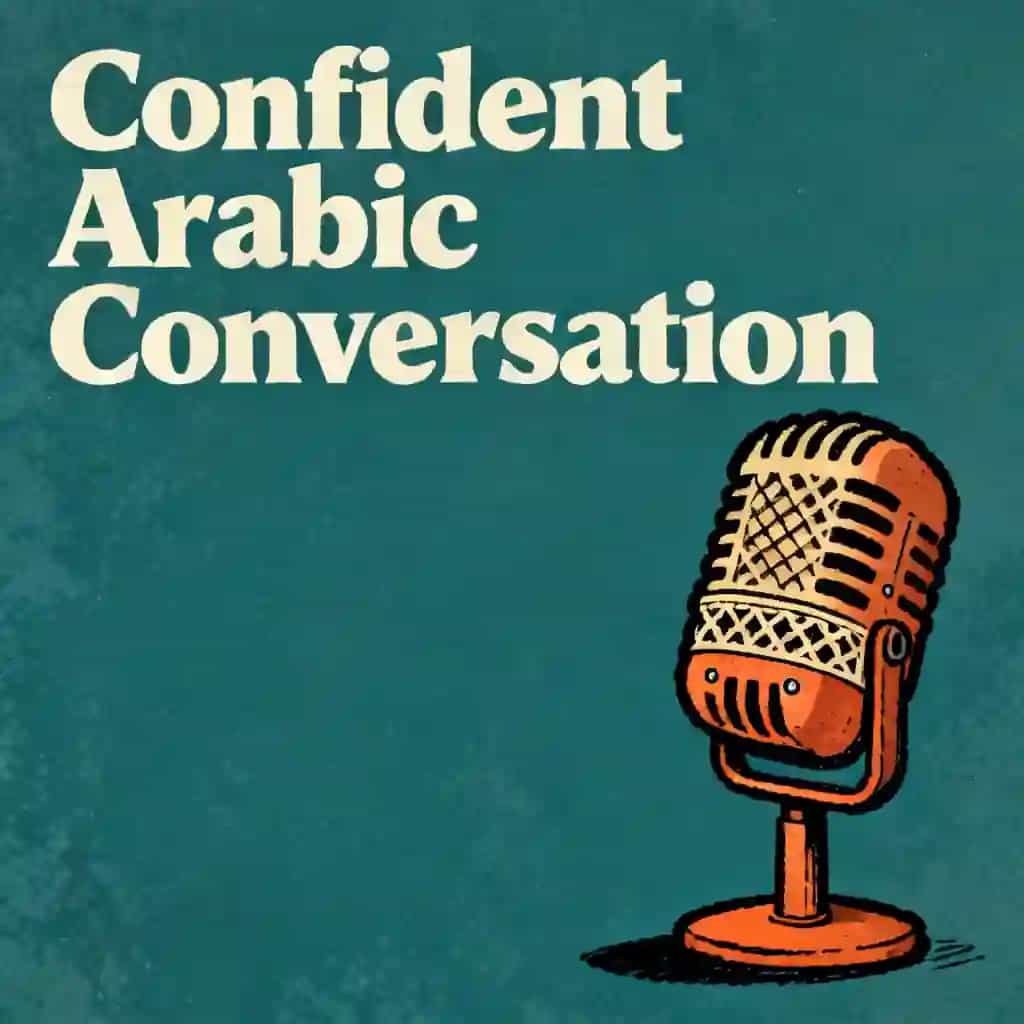
    Speak Arabic With Confidence

    33分
    |
    |
    2026年2月6日
    • Education
    • Communication
    • Self-Growth

    Discover practical techniques to overcome the speaking roadblock in Arabic, from daily micro-immersion practices to navigating dialects, all designed for busy English speakers ready to move beyond basics.

    Speak Arabic With Confidence
    0:00 / 0:00
    聴き方を選ぶ

    1つのエピソード。いろいろな聴き方。

    Speak Arabic With Confidenceの同じアイデアを、あなたに合う声・深さ・ペースで。いつでも切り替えられます。

    文字起こしとチャプター

    チャプター 1

    The Arabic Speaking Roadblock

    Lena: Hey Miles! I've been trying to learn Arabic for a few months now, and while I can read some basic phrases, I still freeze up completely when someone actually speaks to me in Arabic. It's so frustrating!

    Miles: I hear you, Lena. That's actually one of the most common challenges for Arabic learners. There's this huge gap between understanding the language in theory and actually using it in conversation.

    Lena: Exactly! And I've noticed there are so many dialects too. Sometimes I wonder if I'm even learning the right version of Arabic for what I need.

    Miles: That's a great point. You know, over 420 million people speak Arabic worldwide, but what many learners don't realize is that Modern Standard Arabic—the formal version taught in most courses—isn't actually what people use in everyday conversations.

    Lena: Wait, really? So what should I be focusing on then?

    Miles: It depends on your goals. If you're learning for practical conversation, focusing on a specific dialect like Egyptian or Gulf Arabic might be more useful than perfecting your Modern Standard Arabic. But here's something interesting—studies show that immersion and regular speaking practice, even just 15 minutes daily, accelerates fluency far more than hours of grammar study.

    Lena: That's actually reassuring! I've been spending way too much time on grammar rules and not enough time actually speaking. So what's the first step for someone like me who wants to get better at speaking Arabic?

    Miles: Let's start with something practical you can do today. Instead of trying to master everything at once, let's break down how to build your speaking confidence with a technique called "micro-immersion" that works especially well for busy adults.

    チャプター 2

    Start Small, Speak Daily

    Miles: So here's what I mean by micro-immersion. Instead of waiting until you feel "ready" to speak Arabic, you start incorporating tiny speaking moments into your daily routine. Think of it like building muscle—you don't wait until you can bench press 200 pounds to start working out.

    Lena: That makes sense, but what does that actually look like in practice?

    Miles: Great question! Let's say you're making coffee in the morning. Instead of thinking in English, you narrate what you're doing in Arabic. "Ana ashrab qahwa"—I'm drinking coffee. "Al-qahwa sakhina"—the coffee is hot. Even if your pronunciation isn't perfect, you're training your brain to think in Arabic.

    Lena: Oh, that's brilliant! So it's like having conversations with myself?

    Miles: Exactly! And here's why this works so well—when you talk to yourself, there's zero pressure. No one's judging your grammar or accent. You're just getting your mouth used to forming Arabic sounds and your brain used to retrieving Arabic words quickly.

    Lena: I love that there's no pressure aspect. But what if I don't know the Arabic word for something I'm trying to say?

    Miles: Perfect opportunity for growth! When you hit a word you don't know, that's your brain telling you exactly what vocabulary you need to learn next. Write it down, look it up, and use it in your next self-conversation. This targeted learning is way more effective than memorizing random vocabulary lists.

    Lena: That's so much more practical than what I've been doing. I've been trying to memorize hundreds of words from textbooks without any context.

    Miles: Right, and that's actually one of the biggest mistakes Arabic learners make. They focus on breadth instead of depth. But here's something fascinating—research shows that learning words in context, especially through speaking practice, increases retention by up to 70%.

    Lena: Wow, that's a huge difference! So should I be reading out loud too?

    Miles: Absolutely! Reading aloud is like strength training for your Arabic muscles. Start with simple texts—even children's books work great. The goal isn't to understand every word perfectly; it's to get comfortable with the rhythm and flow of Arabic speech.

    Lena: I never thought about rhythm being important. How does that work?

    Miles: Arabic has this beautiful musical quality to it. Each dialect has its own rhythm and intonation patterns. When you read aloud regularly, you start internalizing these patterns. It's like learning to dance—your body learns the moves before your mind fully understands them.

    Lena: That's such a great analogy! So I should focus on mimicking the sounds even if I don't understand everything?

    Miles: Exactly! There's actually a technique called shadowing that's incredibly powerful for this. You play an Arabic audio clip and repeat everything you hear, word for word, trying to match the speaker's pace and intonation as closely as possible.

    Lena: Doesn't that feel awkward at first?

    Miles: Oh, definitely! But here's the thing—awkward is where learning happens. Your brain is literally rewiring itself to process a completely different language system. The awkwardness means you're pushing your comfort zone, which is exactly where growth occurs.

    このエピソードで学びを深める

    このエピソードのアイデアを、BeFreedのガイド付き学習体験でさらに深めましょう。

    チャプター 3

    The Pronunciation Foundation

    Lena: Speaking of awkward, I really struggle with some Arabic sounds that just don't exist in English. How do I tackle those?

    Miles: This is where most learners either make huge progress or get stuck forever. The key is understanding that Arabic has sounds your mouth literally isn't trained to make yet. It's like asking someone who's never played violin to perform a complex piece—the muscle memory just isn't there.

    Lena: So how do I build that muscle memory?

    Miles: Start with the most challenging sounds first—the ones that feel completely foreign. Sounds like 'ayn, ghayn, qaf, and the emphatic consonants. Spend just five minutes a day practicing these sounds in isolation before trying to use them in words.

    Lena: Just the sounds by themselves?

    Miles: Exactly! Think of it like vocal warm-ups for singers. You're training your tongue, throat, and lips to move in new ways. Once you can produce the sound reliably in isolation, then you start incorporating it into simple words.

    Lena: That sounds much more manageable than trying to perfect my pronunciation in full sentences.

    Miles: Right! And here's something most teachers don't tell you—native speakers will understand you even if your pronunciation isn't perfect, as long as you're hitting the key distinguishing sounds. It's about communication, not perfection.

    Lena: That takes some pressure off! But how do I know which sounds are the most important to get right?

    Miles: Great question! Focus on the sounds that change meaning when you get them wrong. For example, the difference between 'qalb' meaning heart and 'kalb' meaning dog—that Q sound matters! But minor variations in vowel length? Native speakers will still understand you.

    Lena: Oh wow, so there are sounds that are more critical than others?

    Miles: Absolutely. Think of it like this—if you're driving and you miss a turn, you can still reach your destination. But if you're going the wrong direction entirely, you'll never get there. Some pronunciation errors are like missing a turn; others are like going the wrong direction.

    Lena: I love that analogy! So how do I figure out which category different sounds fall into?

    Miles: Pay attention to how native speakers react when you speak. If they look confused or ask you to repeat something, that's usually a critical sound issue. If they understand you immediately, even if they might correct your pronunciation gently, you're in the "missed turn" category.

    Lena: That's really practical feedback to watch for. What about when I'm practicing alone though?

    Miles: Record yourself! This might feel uncomfortable at first, but it's incredibly valuable. Read a paragraph in Arabic, record it, then compare it to a native speaker reading the same text. You'll quickly identify which sounds need the most work.

    Lena: I never thought of recording myself. That's actually a great way to track progress too.

    Miles: Exactly! And here's a pro tip—don't try to fix everything at once. Pick one sound that's giving you trouble and focus on that for a week. Once you've got it down, move to the next one. This focused approach is way more effective than trying to perfect everything simultaneously.

    チャプター 4

    Breaking Through the Grammar Wall

    Lena: Okay, so pronunciation makes sense now, but I'm still really intimidated by Arabic grammar. The root system, the case endings, the verb conjugations—it all feels so complex compared to English.

    Miles: I totally get that! Arabic grammar can feel overwhelming because it works so differently from English. But here's the thing—you don't need to master all of Arabic grammar before you can start having conversations. That's like saying you need to understand the physics of combustion before you can drive a car.

    Lena: That's a relief! But where do I start? What's the minimum grammar I need to actually communicate?

    Miles: Focus on what I call "survival grammar" first. Master present tense verbs, basic sentence structure, and common connecting words. With just these tools, you can express most everyday ideas.

    Lena: Can you give me a concrete example of what that looks like?

    Miles: Sure! Let's say you want to say "I'm going to the store to buy bread." In Arabic, that's "Ana raayih ila al-dukkan li-ashtari khubz." You're using present tense, a preposition, and a purpose clause. That's actually quite sophisticated communication with relatively simple grammar.

    Lena: Oh, that's not as scary as I thought! But what about all those verb forms and root patterns I keep hearing about?

    Miles: Here's the beautiful thing about Arabic roots—they're actually your secret weapon once you understand them. Instead of memorizing thousands of unrelated words, you learn patterns that unlock entire families of related words.

    Lena: How does that work exactly?

    Miles: Take the root K-T-B, which relates to writing. From this single root, you get "kataba" (he wrote), "kitab" (book), "maktab" (office), "katib" (writer), and "maktaba" (library). Learn one root, understand dozens of words.

    Lena: That's actually genius! So it's like having a master key that opens multiple doors?

    Miles: Perfect analogy! And this is why Arabic vocabulary can actually become easier than English vocabulary once you understand the system. English has words from Latin, Germanic, French, and other sources with no clear patterns. Arabic builds everything logically from roots.

    Lena: This is changing how I think about Arabic completely. But what about those case endings that everyone says are so difficult?

    Miles: Here's a secret—in most spoken dialects, case endings are simplified or dropped entirely. So while they're important for formal Arabic and reading comprehension, they shouldn't stop you from starting conversations.

    Lena: Wait, so I don't need to worry about case endings when I'm just trying to chat with someone?

    Miles: Exactly! Focus on communication first, formal accuracy second. A native speaker would much rather have a flowing conversation with minor grammatical errors than a technically perfect but stilted exchange.

    Lena: That completely changes my approach! I've been so worried about making mistakes that I wasn't even trying to speak.

    Miles: And that's the biggest mistake of all! Language learning happens through use, not through study. You learn to speak by speaking, even imperfectly. Every mistake is data that helps your brain calibrate the system.

    このエピソードで学びを深める

    このエピソードのアイデアを、BeFreedのガイド付き学習体験でさらに深めましょう。

    チャプター 5

    The Dialect Decision

    Lena: You mentioned earlier that there are different dialects. I'm really confused about this—should I learn Modern Standard Arabic first, or jump straight into a dialect?

    Miles: This is probably the most important strategic decision you'll make as an Arabic learner, and it depends entirely on your goals. Think of it like choosing between learning classical music or jazz—both are valuable, but they serve different purposes.

    Lena: Can you break down the difference for me?

    Miles: Modern Standard Arabic is like the formal, written version of the language. It's what you see in newspapers, hear on news broadcasts, and use in academic or professional settings. But here's the key—nobody speaks MSA in casual conversation.

    Lena: So what do people actually speak day-to-day?

    Miles: Regional dialects! Egyptian Arabic, Levantine Arabic, Gulf Arabic, Moroccan Arabic—each region has its own conversational language. These dialects can be quite different from each other and from MSA.

    Lena: That sounds complicated! How do I choose which one to focus on?

    Miles: Ask yourself why you're learning Arabic. If you want to work in journalism or international relations, MSA might be your priority. If you're planning to live in Dubai, Gulf Arabic makes more sense. If you love Egyptian movies, start with Egyptian Arabic.

    Lena: I'm actually hoping to travel throughout the Middle East eventually. Does that change the recommendation?

    Miles: Interesting! For travel, Egyptian Arabic is often recommended because Egypt's film and music industry means it's widely understood across the Arab world. But here's a practical approach—start with MSA for a foundation, then add a dialect based on where you're most likely to visit first.

    Lena: How much overlap is there between MSA and the dialects?

    Miles: There's significant overlap in core vocabulary and basic grammar structures, but pronunciation, common phrases, and some vocabulary can be quite different. It's like the relationship between formal written English and casual spoken slang—related but distinct.

    Lena: So learning MSA first wouldn't be wasted effort if I later want to learn a dialect?

    Miles: Not at all! MSA gives you a strong grammatical foundation and formal vocabulary that transfers to dialects. Plus, it opens up Arabic literature, news, and academic content. Many successful learners use MSA as their base and then adapt to specific dialects as needed.

    Lena: That sounds like a reasonable approach. But how do I avoid getting confused between the two?

    Miles: Great question! The key is being conscious about which variety you're using in different contexts. When you're reading news or formal texts, you're in MSA mode. When you're watching casual YouTube videos or chatting with friends, you're in dialect mode.

    Lena: It's like code-switching?

    Miles: Exactly! Native speakers do this naturally—they use different varieties of Arabic for different situations. As a learner, you just need to be more deliberate about it until it becomes automatic.

    Lena: This makes the whole dialect situation feel much more manageable. I was worried I'd have to choose one and stick with it forever.

    Miles: Not at all! Language learning is flexible. You can adjust your focus as your goals change. The important thing is starting with a clear strategy rather than trying to learn everything simultaneously.

    チャプター 6

    Immersion Without Travel

    Lena: I'd love to immerse myself in Arabic, but I can't travel to an Arabic-speaking country right now. How can I create that immersion experience at home?

    Miles: This is where technology becomes your best friend! You can create a surprisingly authentic Arabic environment without leaving your house. The key is surrounding yourself with the language throughout your day, not just during study time.

    Lena: What does that actually look like in practice?

    Miles: Start by changing your phone's language settings to Arabic for apps you use frequently. Even if you don't understand everything at first, you'll quickly learn common interface vocabulary, and it forces you to think in Arabic for basic tasks.

    Lena: That sounds intense! Won't I get frustrated not understanding things?

    Miles: Maybe initially, but your brain adapts faster than you'd expect. Within a week, you'll navigate most functions automatically. It's like moving to a new city—confusing at first, but you quickly learn the important routes.

    Lena: I like that analogy! What about media consumption?

    Miles: This is huge! Switch your entertainment to Arabic content. Start with shows or movies in genres you already love—if you're into cooking shows, find Arabic cooking channels. If you love comedy, find Arabic comedians. Your existing interests become bridges into the language.

    Lena: Should I use subtitles?

    Miles: Start with Arabic subtitles if available—this helps connect spoken and written Arabic. English subtitles can be a crutch that prevents you from actually processing the Arabic audio. The goal is training your ear, not just following the story.

    Lena: That makes sense. What about music and podcasts?

    Miles: Perfect for passive immersion! Arabic music helps you internalize rhythm and pronunciation patterns, while podcasts expose you to natural conversational Arabic. Even if you only catch a few words at first, you're training your brain to recognize Arabic sound patterns.

    Lena: How do I find content that's appropriate for my level?

    Miles: Start with content designed for language learners, then gradually transition to native content. YouTube channels like "Learn Arabic with Maha" or "ArabicPod101" bridge that gap nicely. For native content, children's shows aren't childish—they use clear pronunciation and simpler vocabulary.

    Lena: I never thought about children's content! That's actually brilliant.

    Miles: Exactly! And here's another immersion technique—change your internal monologue to Arabic. When you're walking, thinking about your day, or making plans, try doing it in Arabic instead of English.

    Lena: How do I handle it when I don't know the Arabic words for what I'm thinking about?

    Miles: That's valuable feedback! Make note of those gaps and look up the words later. Your daily thoughts reveal exactly what vocabulary you need most. It's personalized learning based on your actual life.

    Lena: This approach feels so much more natural than textbook exercises.

    Miles: That's because it is! You're learning Arabic the way children learn their first language—through constant exposure and practical use. The difference is you have the advantage of already understanding how language works.

    このエピソードで学びを深める

    このエピソードのアイデアを、BeFreedのガイド付き学習体験でさらに深めましょう。

    チャプター 7

    Building Conversation Confidence

    Lena: Okay, I'm getting excited about all these immersion ideas, but I still feel nervous about actually talking to people. How do I build up the confidence to have real conversations?

    Miles: This is where most learners get stuck, so you're definitely not alone! The key is building up gradually instead of jumping straight into complex conversations. Think of it like learning to swim—you start in shallow water, not the deep end.

    Lena: What's the shallow end equivalent for Arabic conversation?

    Miles: Start with highly predictable interactions. Practice ordering coffee, asking for directions, or introducing yourself. These situations have limited vocabulary and follow predictable patterns, so you can prepare ahead of time.

    Lena: That sounds manageable. But how do I practice these without bothering native speakers?

    Miles: Great question! Use language exchange apps like HelloTalk or Tandem, but here's the key—be upfront about your level and ask for specific types of practice. Most native speakers are happy to help with basic conversations, especially if you're helping them with English in return.

    Lena: What if I freeze up or forget words during the conversation?

    Miles: This happens to everyone! Have backup strategies ready. Learn phrases like "Kayf aqul..." (How do I say...) or "Ma fahamt" (I didn't understand). These phrases keep the conversation flowing while you work through difficulties.

    Lena: Oh, that's smart! So I should prepare for the moments when I don't know something?

    Miles: Absolutely! In fact, some of the most useful phrases in any language are the ones that help you navigate not knowing something. "Can you repeat that?" "What does that mean?" "How do you pronounce this?"—these are conversation savers.

    Lena: What about when I make mistakes? I get so embarrassed that I want to stop talking entirely.

    Miles: Here's a mindset shift that changed everything for me—mistakes aren't failures, they're data. Every error tells you exactly what your brain needs to work on. Native speakers make mistakes too; they just correct themselves and keep going.

    Lena: That's a really helpful way to think about it. But how do I get over that initial fear of sounding foolish?

    Miles: Start with low-stakes conversations. Practice with patient language exchange partners who are also learning, not native speakers who might judge your level. Build confidence in a supportive environment before moving to more challenging interactions.

    Lena: Are there specific topics that are easier to discuss when you're beginning?

    Miles: Definitely! Stick to concrete topics you can describe simply—your family, hobbies, daily routine, favorite foods. Avoid abstract concepts, politics, or complex emotions until your vocabulary and confidence grow.

    Lena: What about body language and cultural cues? I worry about offending someone accidentally.

    Miles: That's thoughtful of you! Basic politeness translates across cultures—smile, make appropriate eye contact, and show genuine interest in the other person. Most people appreciate the effort you're making to communicate in their language.

    Lena: Should I worry about formal versus informal speech?

    Miles: When in doubt, err on the side of formality, especially with older people or in professional settings. But don't let this paralyze you—most Arabic speakers will gently guide you toward the appropriate level of formality if needed.

    Lena: This is making conversation feel much less intimidating. It's really about preparation and having the right mindset.

    Miles: Exactly! Confidence comes from competence, and competence comes from practice. Every conversation, even the awkward ones, makes the next one easier.

    チャプター 8

    Daily Practice That Actually Sticks

    Lena: I'm convinced about the importance of daily practice, but I struggle with consistency. I'll do great for a few days, then life gets busy and I skip a week. How do I make Arabic practice a habit that actually sticks?

    Miles: This is the make-or-break factor for language learning! The secret isn't finding more time—it's making Arabic practice so small and automatic that it happens even on your busiest days.

    Lena: What do you mean by small and automatic?

    Miles: Instead of thinking "I need to study Arabic for an hour today," think "I need to do one small Arabic thing." Maybe it's listening to one Arabic song during your commute, or reading one Arabic social media post, or saying your grocery list out loud in Arabic.

    Lena: That does sound much more doable. But will such small amounts actually make a difference?

    Miles: Absolutely! Consistency beats intensity every time. Fifteen minutes daily for a year gives you over 90 hours of practice. That's more effective than cramming for three hours once a week because your brain processes and retains information better with regular exposure.

    Lena: How do I choose which small activities to focus on?

    Miles: Attach Arabic practice to habits you already have. If you drink coffee every morning, make that your Arabic listening time. If you check social media before bed, follow some Arabic accounts. You're not adding new time commitments; you're Arabic-ifying existing routines.

    Lena: That's brilliant! So I'm piggybacking on habits that are already established?

    Miles: Exactly! Behavioral scientists call this habit stacking. Your existing habit becomes the trigger for your Arabic practice. The key is making the Arabic component so easy that it feels effortless.

    Lena: What if I miss a day? I tend to get discouraged and give up entirely.

    Miles: This is crucial—never miss twice in a row. One missed day is normal life; two missed days starts a pattern. If you miss your morning Arabic routine, do something small in the evening. If you miss Monday, make sure you're back on Tuesday.

    Lena: That takes the pressure off perfectionism. What about tracking progress? How do I know if these small daily practices are actually working?

    Miles: Keep a simple log—not of study time, but of Arabic moments. "Understood a song lyric today." "Successfully ordered in Arabic." "Read an entire social media post without translating." These micro-victories add up and provide motivation.

    Lena: I like focusing on understanding rather than just time spent. Are there specific daily activities that give the biggest return on investment?

    Miles: Speaking practice, even to yourself, gives huge returns because it engages multiple language systems simultaneously. Reading aloud is particularly powerful—you're processing written Arabic, practicing pronunciation, and training your ear all at once.

    Lena: How long should each daily session be to be effective but not overwhelming?

    Miles: Start with ten minutes. Seriously, just ten minutes of focused Arabic practice daily will create noticeable progress within a month. Once that feels automatic, you can gradually increase, but many learners find that 15-20 minutes daily is their sweet spot.

    Lena: What about weekends or days off? Should I maintain the same routine?

    Miles: Flexibility is key to long-term success. Maybe weekdays are listening practice during commutes, but weekends are watching Arabic YouTube videos or having longer conversation practice. The format can change; the consistency shouldn't.

    Lena: This approach feels so much more sustainable than what I was trying before. It's about building Arabic into my life, not adding it on top of everything else.

    Miles: You've got it! The goal is making Arabic feel natural and inevitable, not like a chore you have to force yourself to do. When Arabic becomes part of your daily rhythm, fluency becomes inevitable too.

    このエピソードで学びを深める

    このエピソードのアイデアを、BeFreedのガイド付き学習体験でさらに深めましょう。

    チャプター 9

    Your Arabic Speaking Action Plan

    Lena: Alright Miles, I'm feeling really motivated about all these strategies we've discussed. But I'm also feeling a bit overwhelmed with all the options. Can you help me create a concrete action plan for someone in my situation?

    Miles: Absolutely! Let's build you a practical roadmap that takes everything we've covered and turns it into specific steps you can start implementing today. The key is starting simple and building momentum rather than trying to do everything at once.

    Lena: Perfect! Where should I begin?

    Miles: Week one is all about establishing your foundation. Choose your Arabic focus—are you going MSA, Egyptian dialect, or another regional variety? Make this decision based on your specific goals, not what seems "easiest" or what someone else recommends.

    Lena: I think I want to start with MSA since I'm interested in news and travel throughout the region. What's next?

    Miles: Great choice! Now set up your daily micro-practice. Pick one existing habit and attach a 10-minute Arabic activity to it. Maybe it's listening to Arabic news during your morning coffee, or practicing pronunciation while you walk the dog.

    Lena: I like the idea of connecting it to my morning routine. What should weeks two and three look like?

    Miles: Week two, add speaking practice. Start talking to yourself in Arabic for five minutes daily—describe what you're doing, your plans for the day, anything. Week three, introduce reading aloud. Find simple Arabic texts and read them out loud, focusing on rhythm and pronunciation rather than perfect comprehension.

    Lena: This feels manageable because I'm only adding one new element each week. What about month two?

    Miles: Month two is when you start connecting with other people. Join a language exchange app and aim for one 15-minute conversation weekly. Don't worry about being perfect—focus on communicating basic ideas and asking questions when you don't understand.

    Lena: How do I track my progress so I stay motivated?

    Miles: Keep a simple Arabic journal—just a few sentences daily about what you practiced and any breakthroughs, no matter how small. "Understood three words in a news clip today" or "Successfully asked for directions in Arabic" are exactly the kind of wins to celebrate.

    Lena: What about when I hit plateaus or feel like I'm not improving?

    Miles: Plateaus are normal and actually indicate your brain is consolidating learning! When you feel stuck, change up your practice format. If you've been focusing on listening, emphasize speaking for a week. If you've been doing formal study, try more casual media consumption.

    Lena: Should I set specific goals or just focus on consistent practice?

    Miles: Both! Set process goals rather than outcome goals. Instead of "I want to be fluent in six months," try "I will practice Arabic 20 minutes daily for the next month." Process goals are under your control and build the habits that create fluency.

    Lena: What's the most important thing to remember when I'm starting this journey?

    Miles: Progress isn't linear, and that's completely normal. Some days Arabic will feel impossible; other days you'll surprise yourself with how much you understand. Trust the process, stay consistent, and remember that every Arabic learner—even native speakers—started exactly where you are now.

    Lena: This gives me such a clear path forward. I feel like I can actually do this now!

    Miles: You absolutely can! The difference between successful Arabic learners and those who give up isn't talent or perfect pronunciation—it's showing up consistently and being patient with the process. Your future Arabic-speaking self will thank you for starting today.

    Lena: Before we wrap up, any final advice for our listeners who might be in the same boat as me?

    Miles: Start today, even if it's just for five minutes. Download an Arabic app, find one Arabic song you like, or simply practice saying "marhaba" out loud. The hardest part of any journey is taking the first step, but once you start, momentum builds naturally.

    チャプター 10

    The Journey Ahead

    Lena: Miles, as we wrap up today's conversation, I'm thinking about our listeners who might be feeling that mix of excitement and intimidation about starting their Arabic journey. What would you want them to know?

    Miles: You know, Lena, I think the most important thing is that Arabic fluency isn't some mysterious talent that only certain people possess. It's a skill that develops through consistent practice, just like playing an instrument or learning to cook. Every single person who speaks Arabic fluently today was once exactly where you are—staring at those unfamiliar letters, struggling with new sounds, feeling overwhelmed by the complexity.

    Lena: That's such an important perspective. I think we often forget that even native speakers had to learn all of this at some point.

    Miles: Exactly! And here's something beautiful about learning Arabic as an adult—you have advantages that children don't have. You understand how language works, you can make connections between concepts, and you can be strategic about your learning in ways that five-year-olds simply can't.

    Lena: Speaking of being strategic, what's the one piece of advice you'd give someone who's been hesitating to start learning Arabic?

    Miles: Stop waiting for the perfect moment or the perfect method. There's no ideal time to start, and there's no single "best" way to learn Arabic that works for everyone. The best approach is the one you'll actually stick with consistently. Whether that's apps, classes, conversation partners, or immersion through media—what matters is starting and staying consistent.

    Lena: I love that. And for people who have started but feel stuck or discouraged?

    Miles: Remember that language learning happens in waves, not straight lines. You'll have breakthrough moments followed by plateaus, days when Arabic feels natural followed by days when you feel like you've forgotten everything. This is completely normal! The key is trusting the process and not letting temporary setbacks derail your long-term progress.

    Lena: That's so reassuring. I think many of us expect linear progress and get discouraged when that's not how it actually works.

    Miles: Absolutely. And here's something that might surprise people—some of your biggest learning happens during those frustrating plateaus when it feels like nothing is improving. Your brain is actually consolidating and organizing all the input you've been giving it. Then suddenly, everything clicks into place.

    Lena: It's like building strength at the gym—you don't see changes day by day, but over weeks and months, the transformation is undeniable.

    Miles: Perfect analogy! And just like physical fitness, language learning is a lifelong journey rather than a destination. Even native speakers continue learning new vocabulary, expressions, and ways of using their language throughout their lives.

    Lena: That takes the pressure off trying to reach some mythical state of "perfect fluency."

    Miles: Exactly! Fluency isn't about perfection—it's about effective communication. When you can express your thoughts, understand others, and navigate daily situations in Arabic, you're fluent, even if you still make mistakes or encounter unfamiliar words.

    Lena: For our listeners who are ready to take action, what's the very first step they should take after listening to this episode?

    Miles: Choose one small, specific action and do it today. Not tomorrow, not next week—today. Maybe it's downloading an Arabic app, finding one Arabic song on Spotify, or simply writing the Arabic alphabet. The action itself matters less than breaking the inertia and proving to yourself that you can start.

    Lena: I love that emphasis on taking immediate action. It's so easy to get stuck in the planning phase forever.

    Miles: Right! And here's the beautiful thing about Arabic—it opens doors to an incredibly rich world of culture, literature, history, and human connection. Every step you take in learning Arabic isn't just about acquiring a skill; it's about joining a global community of Arabic speakers and learners.

    Lena: That's such a beautiful way to think about it. You're not just learning vocabulary and grammar—you're building bridges to other people and cultures.

    Miles: Exactly! And to everyone listening who's on this journey or thinking about starting—be patient with yourself, celebrate small wins, and remember that every Arabic learner before you has faced the same challenges you're facing. You're not alone in this process.

    Lena: Miles, this has been such an inspiring and practical conversation. I feel like I have a completely new perspective on learning Arabic, and I'm sure our listeners do too.

    Miles: Thanks, Lena! It's been great exploring these strategies with you. Remember, the path to Arabic fluency is made up of thousands of small steps, and the most important one is always the next one.

    Lena: To everyone who's been listening today, thank you for joining us on this Arabic learning journey. We'd love to hear about your experiences, challenges, and successes as you put these strategies into practice. Your stories and questions help us create content that's truly useful for learners at every stage.

    Miles: Absolutely! Whether you're just starting out or you've been learning Arabic for years, your perspective adds value to our community of learners. Keep practicing, stay curious, and remember—every conversation in Arabic, no matter how simple, is a victory worth celebrating.

    Lena: Until next time, keep speaking, keep learning, and keep growing. Ma'a salama!

    Miles: Ma'a salama, everyone. Happy learning!

    ★★★★★

    Speak Arabic With Confidenceを最後まで学びました

    “23日間、毎日使い続けています。今では日課の一部です。”

    jayallen

    Speak Arabic With Confidenceのベスト引用

    “

    Language learning happens through use, not through study. You learn to speak by speaking, even imperfectly, because every mistake is data that helps your brain calibrate the system.

    ”
    H

    Generated by Hass

    質問を入力

    Im trying to get better at speaking arabic.english is my primary language and i have a basic speaking proficiency.

    ホストの声
    Lenaplay
    Milesplay
    知識ソース
    Arabs
    Fluent in 3 Months
    Says Who?
    The Mother Tongue
    Mother tongue
    How to Talk to Anyone

    コロンビア大学卒業生が開発 | サンフランシスコ発

    BeFreedは好奇心旺盛な仲間が集うグローバルコミュニティ

    4.7

    平均評価

    7,840件以上のアプリ評価

    BeFreedコミュニティ

    正直、まだアプリを使いこなせていませんが、この数日使っただけで本当に感動しました… BeFreed は、今まで使ったどの学習アプリともレベルが違います。夢中になれるうえに集中力も実際に上がるので、スマホをだらだら見てしまう人にぴったりです!

    @ladyInfinity

    ちょうど 23 日前に BeFreed を購入して、それから毎日欠かさず使っています。仕事の流れと学習習慣に完全に溶け込みました。

    @jayallen

    正直なところ、このアプリは期待をすべて超えてきました。どんなテーマでも音声を生成してもらえて、その結果には驚かされます。私の専門は心理療法で、多分野にまたがる領域ですが、それでも回答はとても正確です。

    @Raguipa

    何よりありがたいのは、スマホをだらだら見る時間が減ったことです。探す時間が減って、吸収する時間が増えました。オーディオブック、ポッドキャスト、学習プランの組み合わせが素晴らしいです。

    @colonyofcreatorsNGO

    私は 24 年間、PhotoReading 加速学習のインストラクターをしています… 本と読書と学びが私の専門ですが、BeFreed は情報を消化しやすい形で届ける革新的なアプローチを見事に実現しています。

    @BeFreed user

    ただの本の要約アプリではありません。「ファン」スタイルを使ってみたら、従来のやり方よりずっと良い要約で、アイデアもつかみやすいです。これだけでも十分元が取れます。

    @austinakon

    このアプリが大好きです。数日使っただけで、聞くのが止まらなくなりました。始め方として最高です。

    @jcrules328

    本当に気に入っています。約 1 か月試していますが、まさに掘り出し物だと感じます。BeFreed で自分だけのテーマを作れるのが便利で、声も素晴らしく、ナレーションの選択肢は無限です。

    @DanielCZ

    正直、まだアプリを使いこなせていませんが、この数日使っただけで本当に感動しました… BeFreed は、今まで使ったどの学習アプリともレベルが違います。夢中になれるうえに集中力も実際に上がるので、スマホをだらだら見てしまう人にぴったりです!

    @ladyInfinity

    ちょうど 23 日前に BeFreed を購入して、それから毎日欠かさず使っています。仕事の流れと学習習慣に完全に溶け込みました。

    @jayallen

    正直なところ、このアプリは期待をすべて超えてきました。どんなテーマでも音声を生成してもらえて、その結果には驚かされます。私の専門は心理療法で、多分野にまたがる領域ですが、それでも回答はとても正確です。

    @Raguipa

    何よりありがたいのは、スマホをだらだら見る時間が減ったことです。探す時間が減って、吸収する時間が増えました。オーディオブック、ポッドキャスト、学習プランの組み合わせが素晴らしいです。

    @colonyofcreatorsNGO

    私は 24 年間、PhotoReading 加速学習のインストラクターをしています… 本と読書と学びが私の専門ですが、BeFreed は情報を消化しやすい形で届ける革新的なアプローチを見事に実現しています。

    @BeFreed user

    ただの本の要約アプリではありません。「ファン」スタイルを使ってみたら、従来のやり方よりずっと良い要約で、アイデアもつかみやすいです。これだけでも十分元が取れます。

    @austinakon

    このアプリが大好きです。数日使っただけで、聞くのが止まらなくなりました。始め方として最高です。

    @jcrules328

    本当に気に入っています。約 1 か月試していますが、まさに掘り出し物だと感じます。BeFreed で自分だけのテーマを作れるのが便利で、声も素晴らしく、ナレーションの選択肢は無限です。

    @DanielCZ

    役立つ情報やアイデアを 8〜15 分のポッドキャスト風音声にぎゅっとまとめて聞けるのが最高です。ポッドキャストは余計な話が多くて苦手でしたが、これは無駄を全部そぎ落としてくれます。

    @BeFreed user

    博士課程の仕上げの段階で、なじみのない資料を大量に読む必要があります… BeFreed ならプロンプトを入力するだけで、アプリが資料を探して音声ポッドキャストを作ってくれます。BeFreed のほうが NotebookLM よりも流れがスムーズだと感じます。

    @Brad

    朝食を作りながら、散歩しながら、通勤しながら聞くものを YouTube でよく探していましたが、BeFreed は広告も余計な話もなしで、もっと的を絞った聞き方をさせてくれます!

    @BeFreed user

    このプラットフォームの一番の魅力は、その万能さです。扱えないテーマは文字どおりひとつもありません。何を投げても応えてくれます… 制限がまったくないのに約束をきちんと果たしてくれる学習ツールには、なかなか出会えません。

    @jayallen

    BeFreed は素晴らしいです。使いやすいデザインのおかげで、操作に迷う時間が減り、学ぶ時間が増えました。オーディオブック、ポッドキャスト、学習プランの組み合わせは天才的で、毎日の習慣がすっかり変わりました。

    @BeFreed user

    最初はイタリア語でポッドキャストを作る方法を理解するのに少し時間がかかりましたが、わかった瞬間、最高でした!どんなテーマでも説明してもらえて、しかもとても賢く、うまく話してくれます!

    @matteo77

    BeFreed は毎日使うオーディオブックアプリになりました… 一番気に入っているのは、自分のテキストを入れると、外出先でも聞ける音声にしてくれるところです。

    @kotanzu1

    役立つ情報やアイデアを 8〜15 分のポッドキャスト風音声にぎゅっとまとめて聞けるのが最高です。ポッドキャストは余計な話が多くて苦手でしたが、これは無駄を全部そぎ落としてくれます。

    @BeFreed user

    博士課程の仕上げの段階で、なじみのない資料を大量に読む必要があります… BeFreed ならプロンプトを入力するだけで、アプリが資料を探して音声ポッドキャストを作ってくれます。BeFreed のほうが NotebookLM よりも流れがスムーズだと感じます。

    @Brad

    朝食を作りながら、散歩しながら、通勤しながら聞くものを YouTube でよく探していましたが、BeFreed は広告も余計な話もなしで、もっと的を絞った聞き方をさせてくれます!

    @BeFreed user

    このプラットフォームの一番の魅力は、その万能さです。扱えないテーマは文字どおりひとつもありません。何を投げても応えてくれます… 制限がまったくないのに約束をきちんと果たしてくれる学習ツールには、なかなか出会えません。

    @jayallen

    BeFreed は素晴らしいです。使いやすいデザインのおかげで、操作に迷う時間が減り、学ぶ時間が増えました。オーディオブック、ポッドキャスト、学習プランの組み合わせは天才的で、毎日の習慣がすっかり変わりました。

    @BeFreed user

    最初はイタリア語でポッドキャストを作る方法を理解するのに少し時間がかかりましたが、わかった瞬間、最高でした!どんなテーマでも説明してもらえて、しかもとても賢く、うまく話してくれます!

    @matteo77

    BeFreed は毎日使うオーディオブックアプリになりました… 一番気に入っているのは、自分のテキストを入れると、外出先でも聞ける音声にしてくれるところです。

    @kotanzu1

    BeFreedがウェブ上でどのように話題になっているかをもっと見る
    129.7K19.5K
    55.2K19.2K
    154.2K10827355
    48.1K2.5K
    81.2K6.6K
    82.3K1.8K
    今すぐ学習の旅を始めよう
    BeFreedアプリ
    BeFreed

    なんでも、あなた向けに学ぶ

    DiscordLinkedIn
    注目の書籍要約
    Crucial ConversationsThe Perfect MarriageInto the WildNever Split the DifferenceAttachedGood to GreatSay Nothing
    人気のカテゴリ
    Self HelpCommunication SkillRelationshipMindfulnessPhilosophyInspirationProductivity
    著名人の読書リスト
    Elon MuskCharlie KirkBill GatesSteve JobsAndrew HubermanJoe RoganJordan Peterson
    受賞作品コレクション
    Pulitzer PrizeNational Book AwardGoodreads Choice AwardsNobel Prize in LiteratureNew York TimesCaldecott MedalNebula Award
    注目のトピック
    ManagementAmerican HistoryWarTradingStoicismAnxietySex
    年別ベストブック
    2025 Best Non Fiction Books2024 Best Non Fiction Books2023 Best Non Fiction Books
    注目の著者
    Chimamanda Ngozi AdichieGeorge OrwellO. J. SimpsonBarbara O'NeillWinston ChurchillCharlie Kirk
    BeFreed vs 他のアプリ
    BeFreed vs. Other Book Summary AppsBeFreed vs. ElevenReaderBeFreed vs. ReadwiseBeFreed vs. Anki
    学習ツール
    Knowledge VisualizerAI Podcast Generator
    情報
    会社概要arrow
    料金arrow
    よくある質問arrow
    ブログarrow
    採用情報arrow
    パートナーシップarrow
    アンバサダープログラムarrow
    ディレクトリarrow
    BeFreed
    Try now
    © 2026 BeFreed
    利用規約プライバシーポリシー
    BeFreed

    なんでも、あなた向けに学ぶ

    DiscordLinkedIn
    注目の書籍要約
    Crucial ConversationsThe Perfect MarriageInto the WildNever Split the DifferenceAttachedGood to GreatSay Nothing
    人気のカテゴリ
    Self HelpCommunication SkillRelationshipMindfulnessPhilosophyInspirationProductivity
    著名人の読書リスト
    Elon MuskCharlie KirkBill GatesSteve JobsAndrew HubermanJoe RoganJordan Peterson
    受賞作品コレクション
    Pulitzer PrizeNational Book AwardGoodreads Choice AwardsNobel Prize in LiteratureNew York TimesCaldecott MedalNebula Award
    注目のトピック
    ManagementAmerican HistoryWarTradingStoicismAnxietySex
    年別ベストブック
    2025 Best Non Fiction Books2024 Best Non Fiction Books2023 Best Non Fiction Books
    学習ツール
    Knowledge VisualizerAI Podcast Generator
    注目の著者
    Chimamanda Ngozi AdichieGeorge OrwellO. J. SimpsonBarbara O'NeillWinston ChurchillCharlie Kirk
    BeFreed vs 他のアプリ
    BeFreed vs. Other Book Summary AppsBeFreed vs. ElevenReaderBeFreed vs. ReadwiseBeFreed vs. Anki
    情報
    会社概要arrow
    料金arrow
    よくある質問arrow
    ブログarrow
    採用情報arrow
    パートナーシップarrow
    アンバサダープログラムarrow
    ディレクトリarrow
    BeFreed
    Try now
    © 2026 BeFreed
    利用規約プライバシーポリシー

    関連コンテンツ

    Speak Arabic with Confidence の書籍表紙
    Fluent In 3 MonthsArabs: A 3,000-Year History of Peoples, Tribes and EmpiresFluent ForeverThe Language Instinct
    21 sources
    Speak Arabic with Confidence
    Discover seven proven strategies to transform your Arabic speaking skills through consistent 15-30 minute daily practice rather than cramming, following natural language acquisition stages from listening to expression.
    39 min
    Arabic grammar for speaking is easier than you think の書籍表紙
    Metaphors We Live ByArabsFluent in 3 MonthsThrough the Language Glass
    21 sources
    Arabic grammar for speaking is easier than you think
    Struggling to turn memorized Arabic words into real conversation? Learn how to use flexible sentence structures to stop stalling and start speaking.
    33 min
    Beyond the Classroom: Mastering Levantine Arabic の書籍表紙
    Arabs: A 3,000-Year History of Peoples, Tribes and EmpiresFluent In 3 MonthsSex and the CitadelSays Who?
    21 sources
    Beyond the Classroom: Mastering Levantine Arabic
    Ditch the formal textbooks and learn to speak like a local. This guide explores the grammar, phonetics, and cultural nuances of Shami Arabic to help you connect authentically across the Levant.
    32 min
    Speak with Power and Precision の書籍表紙
    How to Speak Like the Top 1%: The Science of Elite CommunicationFreeing the Natural VoiceThe Sense of StyleMagic Words
    26 sources
    Speak with Power and Precision
    Discover practical techniques to expand your vocabulary and communicate more articulately, helping you express complex thoughts with clarity and confidence in everyday conversations.
    49 min
    Overcome Speaking Anxiety: Real Techniques That Work の書籍表紙
    source 1Speaking Up Without Freaking Out: 50 Techniques for Confident, Calm, and Competent Presenting (3rd edition)Management of stuttering using cognitive behavior therapy and ...source 4
    6 sources
    Overcome Speaking Anxiety: Real Techniques That Work
    Practical strategies to transform speaking fears into confidence. Learn breathing techniques, grounding methods, and mindset shifts that help you connect authentically rather than perform perfectly.
    23 min
    Speak With Confidence: Overcome Anxiety & Stuttering の書籍表紙
    source 1How to stop stuttering when public speakingsource 3Proven Techniques to Improve Speech Fluency | SpeechEasy
    6 sources
    Speak With Confidence: Overcome Anxiety & Stuttering
    Practical techniques to transform your speaking skills, from breathing exercises and structural frameworks to reframing mistakes. Real strategies used by Joe Biden, Emily Blunt, and others to overcome speech challenges.
    19 min
    Speak Confidently on Complex Topics の書籍表紙
    Overcoming Social Anxiety and Shyness Self-help CourseThe Anxiety and Phobia WorkbookHow to Be YourselfWhen Panic Attacks
    28 sources
    Speak Confidently on Complex Topics
    Discover practical techniques to overcome social anxiety and speak with authority on finance, politics, and environmental issues, transforming from anxious to confident in professional and social settings.
    26 min
    Do You Speak Arabic? Your First Essential Phrase の書籍表紙
    Fluent In 3 MonthsHow to Talk to AnyoneArabs: A 3,000-Year History of Peoples, Tribes and EmpiresTalk
    23 sources
    Do You Speak Arabic? Your First Essential Phrase
    Learn the most useful Arabic phrase for travelers and beginners - how to ask 'Do you speak Arabic?' with proper pronunciation, cultural context, and practical responses.
    11 min

    Recommended Learning Plans

    Learn Levantine Arabic.
    学習プラン

    Learn Levantine Arabic.

    This learning plan is essential for anyone seeking to navigate daily life in the Levant or connect deeply with Arabic-speaking communities. It is ideal for travelers, expats, and language enthusiasts who want to move beyond textbooks and achieve practical, culturally-aware conversational fluency.

    4 h 28 m•3 セクション
    Learn English-Arabic translation
    学習プラン

    Learn English-Arabic translation

    This plan is essential for bilingual individuals looking to professionalize their translation skills by bridging linguistic gaps and cultural nuances. It benefits aspiring translators and language enthusiasts seeking a structured path from foundational theory to career-ready expertise.

    6 h 6 m•4 セクション
    Arabic for Family Connection
    学習プラン

    Arabic for Family Connection

    This plan is designed for heritage learners who understand Arabic but struggle to speak it fluently with their relatives. It provides the linguistic and cultural tools necessary to strengthen ancestral bonds and participate fully in family life.

    1 h 36 m•4 セクション
    Overcome Speaking Anxiety & Speak Confidently
    学習プラン

    Overcome Speaking Anxiety & Speak Confidently

    This plan is designed for professionals and aspiring leaders who feel held back by the fear of public speaking. It provides a comprehensive roadmap from managing anxiety to mastering the advanced nonverbal and structural skills needed to influence any audience.

    5 h 20 m•4 セクション
    Bridge MSA to Lebanese Arabic
    学習プラン

    Bridge MSA to Lebanese Arabic

    This learning plan is essential for students who have a foundation in Modern Standard Arabic but struggle to communicate in casual settings. It is designed for travelers, professionals, and heritage learners who want to transform their formal knowledge into the vibrant, practical Lebanese dialect.

    1 h 12 m•3 セクション
    Become fluent in speaking French.
    学習プラン

    Become fluent in speaking French.

    This plan is designed for learners who want to move beyond rote memorization to achieve true conversational confidence. It is ideal for travelers, professionals, or expats who need to master both the linguistic mechanics and the cultural nuances of the French language.

    3 h 29 m•3 セクション
    Speak with Ease and Presence
    学習プラン

    Speak with Ease and Presence

    This plan is designed for professionals and individuals who feel anxious or stuck during social and high-stakes interactions. It provides actionable strategies to move past self-monitoring and build genuine connection through presence and structured communication techniques.

    2 h•4 セクション
    Boost my English speaking
    学習プラン

    Boost my English speaking

    This learning plan is designed for English learners who understand the language but struggle to speak it confidently and naturally in real-world situations. It's ideal for professionals, students, and anyone who wants to bridge the gap between knowing English and actually using it fluently in conversations, presentations, and daily interactions.

    4 h 27 m•4 セクション