第1章
From Casual Followers to Raving Superfans: The Ultimate Business Loyalty Blueprint
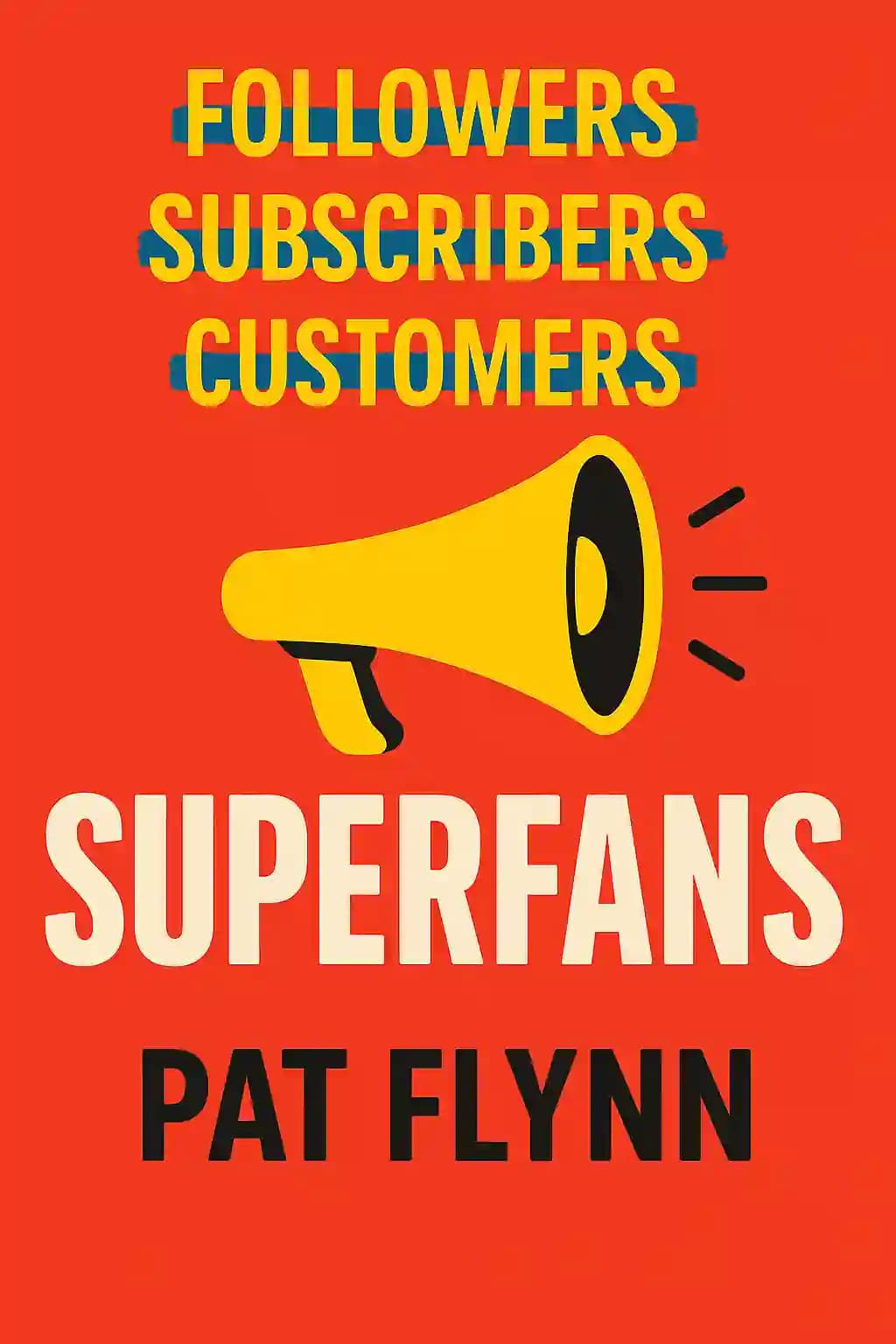
When Taylor Swift takes the stage, she's not just performing for an audience-she's connecting with her devoted "Swifties." These aren't casual listeners; they're superfans who purchase every album, attend multiple tour dates, and defend her fiercely online. While Swift's global fame might seem unattainable for the average business owner, Pat Flynn's "Superfans" reveals that creating this level of loyalty isn't reserved for celebrities. This book has become required reading in marketing programs at universities like Stanford and NYU, with entrepreneurs like Tim Ferriss and Gary Vaynerchuk citing it as essential for sustainable business growth. What makes "Superfans" particularly powerful is Flynn's counterintuitive approach: rather than chasing endless growth metrics, he advocates cultivating deeper relationships with existing customers. Through his Pyramid of Fandom framework, Flynn demonstrates how transforming casual observers into passionate advocates creates a business that thrives regardless of algorithm changes, economic downturns, or industry disruptions.
第2章
The Pyramid of Fandom: Your Business Growth Blueprint
The traditional business funnel focuses on acquiring customers and maximizing immediate revenue, often treating customers as mere transactions. Flynn proposes something different: the Pyramid of Fandom. This framework visualizes the journey from casual visitor to devoted superfan through four distinct stages: casual audience, active audience, connected community, and superfans. Each level represents a deeper relationship and increased engagement with your brand.
At the base sit casual visitors-people who stumble upon your content through searches, social media, or word-of-mouth recommendations. They're curious but not committed, perhaps reading a blog post or watching a video without following up. The first challenge is converting them to active audience members who subscribe to your content and regularly engage. This might mean joining an email list, following social media accounts, or becoming repeat visitors to your website. These active audience members begin to recognize your brand voice and value proposition.
The next transformation is crucial: turning these individual followers into a connected community that interacts not just with you but with each other. This could manifest as Facebook groups, Reddit communities, or local meetups where members share experiences, ask questions, and support one another. Flynn emphasizes that this stage is where real magic happens - when your audience begins creating value for each other, reducing your role from content creator to community facilitator.
At the pyramid's peak are superfans-people so passionate about your brand they promote it without being asked. These individuals don't just consume your content; they live and breathe your brand message. They create fan art, write testimonials, defend your brand in public forums, and actively recruit new community members. They often become unofficial brand ambassadors, doing marketing work that money simply cannot buy.
When April (Flynn's wife) showed him her collection of Backstreet Boys memorabilia-from concert programs to action figures-he realized she wasn't just a fan but a lifetime supporter who had spent thousands of dollars over decades. This revelation illustrated how superfans invest not just money but emotional energy into brands they love. Every business owner can cultivate this level of loyalty by creating meaningful experiences at each stage of the pyramid, whether through personalized interactions, exclusive content, or community events.
The beauty of this model is its sustainability and compound effect. Unlike traditional marketing that constantly demands new customer acquisition, superfans reduce marketing costs through organic advocacy, provide invaluable feedback for product development, and create genuine word-of-mouth growth. They become your most powerful marketing force, acting as voluntary salespeople, customer service representatives, and brand advocates-all because you've focused on creating genuine connections rather than transactions. This approach may take longer than aggressive marketing tactics, but it builds a more resilient and profitable business in the long run.
第3章
Speaking Their Language: The Power of Customer Vocabulary
When fifteen-year-old April heard the Backstreet Boys sing "Quit Playing Games (With My Heart)," the lyrics perfectly captured her feelings after a breakup. This wasn't just a catchy tune-it was as if they were speaking directly to her emotional state, creating an instant connection that launched her journey into superfandom.
This illustrates a crucial principle: to convert casual visitors into active followers, you must speak their language. As marketing legend Jay Abraham noted, "If you can define the problem better than your target customer, they will automatically assume you have the solution." When your content uses the exact words and phrases your audience uses to describe their challenges, they feel understood at a profound level.
Discovering this language requires deliberate effort. Flynn recommends three approaches: First, find existing online conversations in Facebook groups, forums, or review sections using search phrases like "need help" or "biggest challenge." Second, directly ask your audience about their struggles through surveys or email questions, then follow up individually with respondents. Third, have real conversations-even just ten people monthly-to stay connected to their needs and vocabulary.
Even with an email list of 200,000 subscribers, Flynn still schedules video calls with randomly selected subscribers monthly. These conversations reveal not just words but emotions that are often lost in written communication. For beginners without an established audience, these interactions can happen at conventions, meetups, or in online groups where your potential customers gather.
The effort pays dividends when your marketing materials, product descriptions, and content mirror exactly how your audience thinks and speaks about their problems. This linguistic alignment creates an immediate sense of being understood-the first step toward building a loyal following.
第4章
Breaking the Ice: Revealing the Human Behind the Brand
At my first conference in 2010, I was an introverted blogger terrified of face-to-face networking. After several forgettable introductions, I met Harris, who broke the ice by mentioning he'd left his wife and kids at home. This personal detail sparked genuine connection when I shared that my wife and one-year-old were in the hotel room. We bonded over parenting challenges, and despite forgetting the keynote content, we've remained friends for years.
This illustrates a fundamental truth about audience building: people connect with people, not brands. When you inject personality and share relatable aspects of yourself, followers don't just engage with your content-they connect with you. This "association of appreciation" happens when you break the ice by revealing the human behind the professional facade.
Breaking the ice is surprisingly simple: share things about yourself that you'd naturally share with friends. Your favorite books, meals you're enjoying, or sports teams you support-these personal touches help people see the person behind the brand. You can inject personality into your content too, transforming a standard "10 Things About Personal Development" into "10 Things Harry Potter Can Teach You About Personal Development."
Companies successfully implement this approach in various ways. Video hosting platform Wistia features their office dog prominently, while fitness entrepreneur Chalene Johnson creates deep connections through vulnerability about her marriage struggles. Despite friends advising against it, I began each podcast with a fun fact about myself. Now, with over fifty million downloads, these personal touches create instant connections with listeners who approach me at conferences like old friends.
My love for Back to the Future has become particularly powerful for audience connection. I've incorporated this passion into presentations, arriving on stage in a DeLorean at my 2015 New Media Expo keynote. This personal touch has created such strong associations that fans now connect me with the franchise-sending themed gifts and thinking of me whenever they encounter BTTF references. It's remarkable what happens when you allow yourself to be human in your business communications.
第5章
Creating Quick Wins: The Gateway to Deeper Engagement
Before my entrepreneurial days, I obsessively tracked personal finances from my architecture job. While following established finance blogs, I discovered Ramit Sethi's edgier "I Will Teach You to Be Rich." Despite initial skepticism about the bold title, I tried his ten-minute cable bill negotiation script during lunch. It worked immediately, saving me 20% monthly! That small victory hooked me-I devoured his entire archive and eventually purchased his premium courses.
This illustrates the power of quick wins in building audience loyalty. As Charles Duhigg explains in "The Power of Habit," small victories fuel transformative changes by convincing people that bigger achievements are possible. James Clear similarly advocates in "Atomic Habits" for tiny steps that build momentum toward larger goals.
Rather than promising life transformation, focus first on changing someone's day through immediate, achievable successes. Gaming companies like Blizzard brilliantly implement this in World of Warcraft, where players experience rewarding level-ups within minutes of starting. Photographer Walid Azami built a massive Instagram following by sharing daily "nuggets" of immediately applicable photography advice. Codecademy makes learning programming approachable through 30-minute interactive projects that give beginners immediate satisfaction.
In my business, I've implemented quick wins through challenges like my "100 Email" subscriber challenge, which gives people an achievable 72-hour goal rather than an intimidating target like 100,000 subscribers. My welcome emails include actionable advice like my Amazon table-of-contents research technique that content creators can implement in minutes. Creating resource-rich "getting started" pages provides another opportunity to deliver multiple quick wins in one location.
These small victories act like energy shots for your audience, motivating them to continue their journey with you and take the next steps toward becoming loyal fans. The key is identifying low-effort, high-reward actions that demonstrate immediate value and build confidence for bigger commitments.
第6章
Driving the DeLorean: Showing Two Possible Futures
In summer 2012, Kentucky teacher Shane Sams was mowing his lawn when he discovered my podcast. Though his wife Jocelyn was initially skeptical about "normal people" succeeding online, Shane persisted. Their story became a powerful testament to the transformative potential of taking action. While time machines don't exist yet, the concept serves as a compelling metaphor for moving people up the Pyramid of Fandom by clearly illustrating two potential futures: what happens if they DO take action with you, and what happens if they DON'T.
For the DON'T scenario, identify and amplify the specific problems your audience faces, painting a detailed picture of negative consequences without crossing into manipulation. This might include financial struggles, time poverty, stress-related health issues, or missed opportunities with family. For example, a business coach might highlight how staying in an unfulfilling job could lead to decades of regret, stagnant income, and diminished self-worth. The key is to be honest about these consequences while maintaining empathy.
For the DO scenario, share transformation stories-either your own or testimonials from clients who've succeeded. Shane and Jocelyn Sams became perfect examples, building their Flipped Lifestyle business from scratch to eventually helping thousands escape traditional employment. Their monthly income grew from $3,000 to over $45,000, but more importantly, they gained control over their time and future. Their story resonates more than celebrity testimonials because they're relatable "regular folks" who prove transformation is possible for anyone willing to take action.
To implement this strategy effectively, collect at least five detailed transformation stories from your audience. Structure these interviews around three key elements: the before (specific challenges, frustrations, and limitations they faced), the after (concrete results achieved, including metrics and emotional impacts), and the what if (consequences they would have faced without taking action). Then weave these stories naturally into your content through blog posts, podcast episodes, or social media, always focusing on their transformation rather than yourself.
The power of this approach lies in its emotional impact and psychological foundation. When potential customers see others like themselves achieving desired outcomes, they experience both hope and possibility. This creates what psychologists call "social proof" combined with "attainable aspiration." Simultaneously, the contrast with the "don't" scenario creates productive tension that motivates action. For instance, one of Shane and Jocelyn's students, a middle school teacher, used their methods to generate $12,000 monthly from online courses while maintaining her teaching position-showing others the concrete possibility of building a side income without immediately quitting their job.
This isn't about manipulation but about honestly showing what's possible with the right guidance and commitment. Include specific numbers, timeframes, and obstacles overcome to make these stories more credible and actionable. Remember to highlight both the external changes (income, lifestyle, freedom) and internal transformations (confidence, peace of mind, sense of purpose) that your successful clients experience.
第7章
Returning Every Handshake: The Critical First Response
In business, you only get one chance at a first impression. When someone reaches out to your brand for the first time, failing to respond is like leaving a handshake unreturned-a potentially fatal mistake that loses future superfans. This initial interaction sets the foundation for all future engagement and can mean the difference between creating a lifelong advocate or losing a potential customer forever.
Early in my business, I personally responded to every email, comment, and message, often spending several hours each day ensuring no communication went unanswered. As my audience grew from hundreds to thousands, this became increasingly challenging, eventually leading to thousands of unanswered emails until I hired my assistant Jess to help create a systematic response protocol. Even now, with a much larger following, I still try to reply to blog comments and engage personally when possible, particularly with thoughtful or detailed responses that deserve special attention.
The advantage of a small audience is the ability to provide personalized attention, something that becomes a powerful differentiator in today's automated world. I recommend not just responding to initial contact but taking it further-visit their website, comment on their content, or send personalized video messages. For instance, when someone leaves a detailed comment on my blog, I might record a quick 30-second video response using Loom, which never fails to delight and surprise them. For larger brands, leverage your systems and resources to maintain this personal touch through carefully crafted email templates, dedicated community managers, or automated systems that still feel personal.
To improve your responsiveness, first conduct a thorough audit of your communication channels to find messages you haven't addressed. Check spam folders that might catch legitimate messages, review old blog comments that went unnoticed, and scan social media platforms for missed direct messages or mentions. Next, develop a robust system to ensure no handshakes go unmet. This might include:
• Scheduling dedicated blocks of time each week to check all communication channels
• Creating response templates for common questions while maintaining a personal touch
• Setting up notification systems to alert you of new messages
• Establishing service level agreements for response times
• Hiring virtual assistants or community managers if needed
This principle extends beyond mere politeness-it's about honoring the courage it takes for someone to reach out. Every initial contact represents a potential superfan whose journey with your brand begins with that first interaction. Whether it's a simple blog comment, an email inquiry, or a social media mention, these moments are opportunities to demonstrate your brand's values and commitment to building genuine relationships. The way you handle these first touches can transform casual observers into devoted advocates who not only support your work but actively promote it to others.
Remember, in an increasingly digital world, personal attention becomes a rare and valuable commodity. Being the brand that consistently returns every handshake, that genuinely cares about people even before they become customers, makes you stand out remarkably from competitors who treat communication as an afterthought.
第8章
Building a Connected Community: From Followers to Family
Converting an active audience into a connected community represents a crucial shift in your business growth. While an active audience follows your content, a connected community engages both with you and with each other. The group forms its own identity, and members connect without needing introductions. This transformation happens when you implement strategies that foster belonging and participation.
Steve Spangler, a scientist and educator, transformed his YouTube engagement with one simple change. Instead of explaining his science experiments, he ended videos by asking viewers to explain how they thought the experiments worked. Comments skyrocketed from 6-10 per video to 850 engaging responses, sparking debates and hypotheses among viewers. This engagement ultimately earned him recognition as one of YouTube's "100 Original Content Providers."
Co-creation similarly transforms casual fans into connected communities. LEGO IDEAS exemplifies this brilliantly-when designs receive 10,000 community votes, they become eligible for production, with creators earning royalties. This approach saved LEGO from bankruptcy, transforming an $800 million debt into a $7.6 billion valuation by 2018. Even without LEGO's resources, entrepreneurs like Amy Porterfield engage audiences by involving them in small decisions like font choices, generating massive engagement.
Challenges provide another powerful community-building tool. Jadah Sellner and Jen Hansard built Simple Green Smoothies from a small ebook into a powerhouse with 400,000 Instagram followers through their 30-day green smoothie challenges. These challenges provide weekly emails with recipes and shopping lists, but their true power comes from real-time community support and shared experiences with definite start and end dates.
Opening your "factory doors" with behind-the-scenes content creates additional community bonds. When audiences see how products are made, they develop deeper appreciation for your brand's commitment to quality. My transparency through income reports on my Smart Passive Income Blog since 2008 created shareable content that dramatically increased audience engagement and even earned recognition from Forbes.
These strategies transform your business from a content provider into a community hub where people find not just solutions but belonging and connection.
第9章
From Community to Superfans: Creating Unforgettable Moments
Building on community connections, the final stage involves personalized actions that transform engaged community members into lifetime superfans. These higher-level strategies move beyond "one to many" approaches to create individualized experiences that make dedicated fans feel special and valued.
During my college years at UC Berkeley, I waited tables at Macaroni Grill and discovered the power of personalized service with regular customers. Take Albert-a businessman who always ordered water with three lemons. By remembering his name, anticipating his needs, and calling his regular dish "the usual," I created a personal connection that transformed his standard 15% tips into $20-25 gratuities, sometimes even $100. The lesson isn't about the lemons themselves but remembering what matters to individuals.
Personalized video messages provide another powerful tool for creating superfan moments. When Nathan Barry of ConvertKit introduced me to Bonjoro, a tool for sending personalized video messages to new customers, I immediately implemented it in my business. The response was overwhelming-80 percent replied expressing how impressed they were. The beauty of video messages is their novelty factor. Just as email was exciting in the 1990s, personalized videos stand out in today's digital landscape.
Turning fans into team members creates some of the strongest superfans imaginable. Staci Ardison exemplifies this journey perfectly. She joined Nerd Fitness in 2010 seeking guidance for her own health, became one of their first success stories in 2011, then joined their coaching team and eventually rose to become the lead women's coach. When recruiting community members to your team, watch for those who naturally emerge as leaders and reach out to them specifically.
VIP experiences represent the pinnacle of superfan creation. When you give your people special access to anything-whether backstage passes or insider information-it creates both delight for existing superfans and aspiration for others. Effective platinum experiences include intimate meals with you, early access to events, photo opportunities, and exclusive merchandise. The key is ensuring the baseline experience remains excellent while offering superfans something extra special.
These personalized approaches transform transactional relationships into emotional bonds that withstand market changes, competitor offers, and even occasional mistakes. When people feel genuinely seen and valued, their loyalty becomes virtually unshakable.
第10章
Navigating the Challenges: The Responsibility of Influence
With the great power of having superfans comes great responsibility. As your influence grows, you'll face challenges that can undermine your hard work if not handled properly.
The first challenge involves avoiding the six dangerous traps of building superfans. When you have influence, you must be thoughtful about your messages and willing to own your mistakes publicly. Fame and money can corrupt your values, as illustrated through Antonio Brown's fall from grace with Pittsburgh Steelers fans. Poor planning can create unintended consequences, like overwhelming your audience with too many sales emails. As your audience grows, you'll need to shift from one-to-one to one-to-many conversations, highlighting specific questions to share with everyone. Finally, burnout threatens when entrepreneurs say yes to everything-get adequate sleep, delegate responsibilities, and stay focused on what truly matters.
Safety concerns also emerge as your profile rises. Even popular YouTubers like James Charles and DanTDM have experienced fans showing up uninvited at their homes. While most fans respect boundaries, it only takes a small percentage to create uncomfortable situations. Be careful not to accidentally reveal identifying information like license plates, home numbers, or addresses on packages. Use common sense, enjoy the recognition when appropriate, but stay grounded and remember that it's not about being a celebrity-it's about helping people.
Despite these challenges, building superfans creates the most sustainable business model possible. My superfans have provided some of the most positively head-shaking and smile-inducing experiences of my life, from fans buying multiple copies of my books sight unseen to defending me against online trolls. You don't need millions of followers-just a dedicated group of raving fans who feel connected to your mission. When you make this mindset shift from chasing numbers to creating meaningful connections, you'll attract the right people who will become your most loyal advocates.
Remember, it's not about changing the entire world but changing someone's world through meaningful experiences that make people feel special. Your future superfans are waiting-you just need to give them something worth rallying behind.