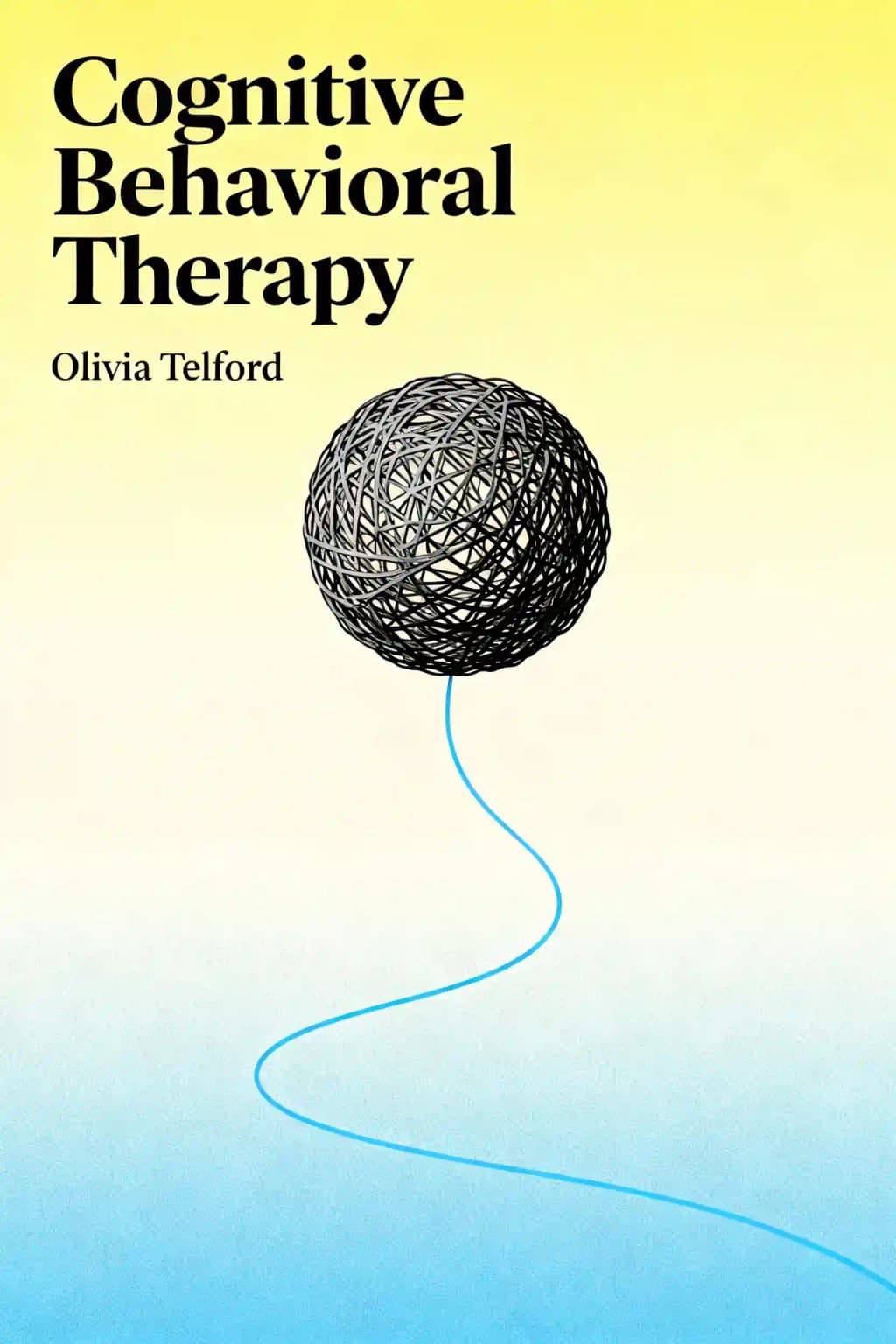
Transform your mind with Telford's practical guide to Cognitive Behavioral Therapy - where complex psychology becomes accessible tools for conquering anxiety and depression. Praised by mental health professionals for blending CBT with mindfulness, this book offers what medication alone can't: the power to rewire your own brain.
著者の声を通じて本を感じる
知識を魅力的で例が豊富な洞察に変換
キーアイデアを瞬時にキャプチャして素早く学習
楽しく魅力的な方法で本を楽しむ
Have you ever noticed how two people can experience the same event yet walk away with completely different emotional responses? That's because our minds are constantly weaving narratives about our experiences-and these stories, not the events themselves, determine how we feel. Cognitive Behavioral Therapy (CBT) harnesses this insight to transform mental health, offering a structured approach to identifying destructive thought patterns and replacing them with healthier alternatives. Unlike vague self-help advice that simply encourages positive thinking, CBT provides concrete, evidence-based techniques that can begin working within hours of application. The approach rests on a powerful premise: depression, anxiety, and stress stem primarily from our core beliefs and thinking errors rather than external circumstances. Our brains evolved to make sense of the world through stories-a remarkable ability that helps us navigate life but sometimes leads us astray. Imagine seeing a friend who doesn't respond when you call out. The facts remain unchanged, but your interpretation creates entirely different emotional responses. You might think they simply didn't hear you (neutral), that something has upset them (concern), or that they're deliberately avoiding you (hurt). Your reaction stems not from what happened but from the story you tell yourself about it. This storytelling tendency makes our minds both our greatest allies and worst enemies. Developed in the 1950s and 1960s by pioneers Albert Ellis and Aaron Beck, CBT has evolved into a family of related approaches. Ellis proposed the ABC model-external events (Activating events) don't automatically trigger negative emotions; our beliefs (B) about those events do, leading to consequences (C) in our emotions and behaviors. Beck discovered that depressed people experience a "cognitive triad" of negative thoughts about themselves, the world, and the future.
『Cognitive Behavioral Therapy』の核心的なアイデアを分かりやすいポイントに分解し、革新的なチームがどのように創造、協力、成長するかを理解します。
『Cognitive Behavioral Therapy』を素早い記憶のヒントに凝縮し、率直さ、チームワーク、創造的な回復力の主要原則を強調します。

鮮やかなストーリーテリングを通じて『Cognitive Behavioral Therapy』を体験し、イノベーションのレッスンを記憶に残り、応用できる瞬間に変えます。
何でも質問し、声を選び、本当にあなたに響く洞察を一緒に作り出しましょう。

"Instead of endless scrolling, I just hit play on BeFreed. It saves me so much time."
"I never knew where to start with nonfiction—BeFreed’s book lists turned into podcasts gave me a clear path."
"Perfect balance between learning and entertainment. Finished ‘Thinking, Fast and Slow’ on my commute this week."
"Crazy how much I learned while walking the dog. BeFreed = small habits → big gains."
"Reading used to feel like a chore. Now it’s just part of my lifestyle."
"Feels effortless compared to reading. I’ve finished 6 books this month already."
"BeFreed turned my guilty doomscrolling into something that feels productive and inspiring."
"BeFreed turned my commute into learning time. 20-min podcasts are perfect for finishing books I never had time for."
"BeFreed replaced my podcast queue. Imagine Spotify for books — that’s it. 🙌"
"It is great for me to learn something from the book without reading it."
"The themed book list podcasts help me connect ideas across authors—like a guided audio journey."
"Makes me feel smarter every time before going to work"

Cognitive Behavioral Therapyの要約をPDFまたはEPUBで無料でダウンロード。印刷やオフラインでいつでもお読みいただけます。