

『Cognitive behavioural therapy』の概要
Transform your mind, manage emotions, and conquer anxiety with CBT's proven techniques - now accessible to everyone. This enduring bestseller has helped millions take control of their mental health without medication, offering practical tools that therapists recommend but rarely explain so clearly.
- Master the ABC model to link triggers, beliefs, and emotional consequences systematically.
- Replace "I'm a failure" thoughts with evidence-based reality testing through CBT worksheets.
- Schedule rewarding activities daily to counteract depression’s withdrawal and self-isolation urges.
- Challenge catastrophic job interview predictions with behavioral experiments proving competency.
- Stop emotional drinking by tracing cravings to unmet needs and distorted beliefs.
- Overcome body image issues using CBT’s self-compassionate thought record exercises.
- Break OCD cycles with graduated exposure to feared situations without rituals.
- Transform relationship conflicts by identifying mutual unrealistic demands using CBT frameworks.
- Reduce anger by converting "should" statements into flexible preferences through self-talk.
- Build self-esteem via small wins that disprove lifelong negative self-narratives.
- Combine thought challenging and relaxation techniques to dismantle chronic anxiety patterns.
- Use CBT’s past exploration not for blame but to rewrite present cognitive scripts.
『Cognitive behavioural therapy』の著者について
Rhena Branch and Rob Willson are the bestselling authors of Cognitive Behavioural Therapy for Dummies and accredited cognitive behavioural therapists with over two decades of clinical experience. Branch holds an MSc in CBT and supervises trainee therapists at Goldsmiths College, University of London, while Willson specializes in anxiety disorders and body dysmorphic research at the Institute of Psychiatry. Their book distills CBT principles into accessible, practical strategies for managing mental health, reflecting their shared mission to democratize evidence-based therapy.
Both therapists co-authored the companion Cognitive Behavioural Therapy Workbook For Dummies and have contributed to media outlets like the BBC, discussing topics from obsessive behaviors to relationship dynamics. Willson’s earlier work, Overcoming Obsessive Compulsive Disorder, and Branch’s focus on eating disorders further cement their authority in the field.
Cognitive Behavioural Therapy for Dummies has become a staple self-help resource, selling over 500,000 copies worldwide and translated into 15 languages. Its third edition remains a UK bestseller, praised for bridging clinical techniques with everyday problem-solving.
『Cognitive behavioural therapy』に関するよくある質問
What is Cognitive Behavioural Therapy For Dummies by Rhena Branch about?
Cognitive Behavioural Therapy For Dummies provides a practical guide to understanding and applying CBT techniques to retrain negative thought patterns. It addresses common issues like anxiety, depression, anger, and low self-esteem through exercises, case studies, and strategies for daily life. The book emphasizes self-help, offering tools to challenge toxic thinking and foster healthier mental habits.
Who should read Cognitive Behavioural Therapy For Dummies?
This book is ideal for individuals struggling with anxiety, depression, or self-esteem issues, as well as self-help enthusiasts and newcomers to CBT. It’s tailored for readers seeking actionable, science-backed methods to improve mental health without clinical jargon. Therapists may also recommend it as a supplementary resource for clients.
Is Cognitive Behavioural Therapy For Dummies worth reading?
Yes, it’s praised for breaking down complex CBT concepts into digestible steps, making it accessible for beginners. The book combines theory with practical exercises, helping readers apply techniques like cognitive restructuring and behavioral experiments to real-life challenges. Its structured yet flexible approach suits both casual readers and those committed to long-term change.
How does the book explain CBT’s role in managing anxiety?
The book teaches readers to identify anxiety-triggering thoughts, evaluate their validity, and replace them with balanced alternatives. Techniques like behavioral experiments and relaxation exercises are highlighted to reduce avoidance behaviors and physical symptoms. Case studies illustrate how gradual exposure and cognitive shifts alleviate anxiety.
What are the key CBT techniques covered in the book?
Key techniques include:
- Cognitive restructuring to challenge irrational beliefs.
- Behavioral activation to counter procrastination or withdrawal.
- Mindfulness and relaxation strategies to manage stress.
- Self-monitoring through thought journals to track progress.
Does the book address overcoming low self-esteem?
Yes, it provides frameworks to combat negative self-perceptions by examining evidence for and against self-critical thoughts. Exercises like positive self-talk exercises and behavioral experiments help build self-confidence. The authors emphasize replacing self-sabotaging patterns with self-compassion.
How can readers apply CBT principles daily?
The book suggests:
- Journaling to track negative thoughts and triggers.
- Challenging cognitive distortions (e.g., catastrophizing).
- Setting small behavioral goals (e.g., social interactions).
- Practicing mindfulness to stay present.
What case studies are included in the book?
Fictionalized examples depict clients tackling depression, OCD, and relationship issues. One case involves using exposure therapy for agoraphobia, while another demonstrates cognitive restructuring for perfectionism. These stories normalize struggles and showcase CBT’s adaptability.
Are there criticisms of Cognitive Behavioural Therapy For Dummies?
Some note it oversimplifies severe mental health conditions, making it better suited for mild-to-moderate issues. Critics also highlight its self-guided format, which may lack the accountability of therapist-led CBT. However, it’s widely endorsed as a starting point for DIY mental health.
How does this book compare to other CBT guides?
Unlike academic textbooks, it prioritizes accessibility over depth, using plain language and humor. While lacking rigorous theoretical discussions, it excels in providing actionable steps, distinguishing it from denser manuals like Feeling Good by David Burns.
What is a key quote from the book?
“You are not alone… many of the problems you may be experiencing are in fact very common.” This line underscores CBT’s focus on normalizing struggles and reducing self-stigma, reinforcing the book’s supportive tone.
Does the 3rd edition include new content?
The updated edition expands on mindfulness integration, digital tools for CBT practice, and contemporary examples (e.g., pandemic-related stress). It also reframes exercises for clarity, ensuring relevance to modern readers.
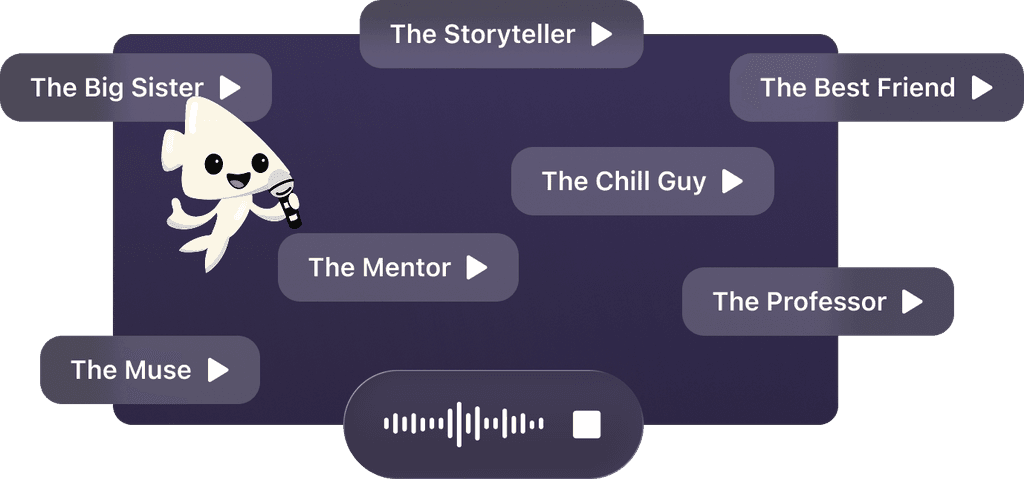
著者の声を通じて本を感じる
知識を魅力的で例が豊富な洞察に変換
キーアイデアを瞬時にキャプチャして素早く学習
楽しく魅力的な方法で本を楽しむ
『Cognitive behavioural therapy』の登場人物
- Rhena BranchCo-author and CBT expert
- Rob WillsonCo-author and CBT expert
- TildaCase study illustrating the ABC model
『Cognitive behavioural therapy』の主要テーマ
- cognitive distortion identification
- abc model application
- behavioral activation
- evidence-based self-therapy
- challenging negative beliefs
『Cognitive behavioural therapy』の名言
Your emotions don't arise directly from events but from the meanings you attach to those events.
You feel how you think.
Feelings aren't facts.
Our minds are magnificent but flawed instruments.
あなたに合った学び方を探す
 クイックサマリーモード
『Cognitive behavioural therapy』の要約を11分で読む・聴く
『Cognitive behavioural therapy』の核心的なアイデアを分かりやすいポイントに分解し、革新的なチームがどのように創造、協力、成長するかを理解します。

 エンタメモード
『Cognitive behavioural therapy』のレッスンを25分のストーリーで
鮮やかなストーリーテリングを通じて『Cognitive behavioural therapy』を体験し、イノベーションのレッスンを記憶に残り、応用できる瞬間に変えます。
 パーソナライズモード
Cognitive behavioural therapyを自分の学習スタイルで体験
何でも質問し、学習スタイルを選び、自分に本当に響くインサイトを一緒に作れます。
"Instead of endless scrolling, I just hit play on BeFreed. It saves me so much time."


"I never knew where to start with nonfiction—BeFreed’s book lists turned into podcasts gave me a clear path."


"Perfect balance between learning and entertainment. Finished ‘Thinking, Fast and Slow’ on my commute this week."
"Crazy how much I learned while walking the dog. BeFreed = small habits → big gains."
"Reading used to feel like a chore. Now it’s just part of my lifestyle."

"Feels effortless compared to reading. I’ve finished 6 books this month already."
"BeFreed turned my guilty doomscrolling into something that feels productive and inspiring."

"BeFreed turned my commute into learning time. 20-min podcasts are perfect for finishing books I never had time for."
"BeFreed replaced my podcast queue. Imagine Spotify for books — that’s it. 🙌"

"It is great for me to learn something from the book without reading it."
"The themed book list podcasts help me connect ideas across authors—like a guided audio journey."
"Makes me feel smarter every time before going to work"
"Instead of endless scrolling, I just hit play on BeFreed. It saves me so much time."
"I never knew where to start with nonfiction—BeFreed’s book lists turned into podcasts gave me a clear path."
"Perfect balance between learning and entertainment. Finished ‘Thinking, Fast and Slow’ on my commute this week."
"Crazy how much I learned while walking the dog. BeFreed = small habits → big gains."
"Reading used to feel like a chore. Now it’s just part of my lifestyle."
"Feels effortless compared to reading. I’ve finished 6 books this month already."
"BeFreed turned my guilty doomscrolling into something that feels productive and inspiring."
"BeFreed turned my commute into learning time. 20-min podcasts are perfect for finishing books I never had time for."
"BeFreed replaced my podcast queue. Imagine Spotify for books — that’s it. 🙌"
"It is great for me to learn something from the book without reading it."
"The themed book list podcasts help me connect ideas across authors—like a guided audio journey."
"Makes me feel smarter every time before going to work"
"Instead of endless scrolling, I just hit play on BeFreed. It saves me so much time."
"I never knew where to start with nonfiction—BeFreed’s book lists turned into podcasts gave me a clear path."
"Perfect balance between learning and entertainment. Finished ‘Thinking, Fast and Slow’ on my commute this week."
"Crazy how much I learned while walking the dog. BeFreed = small habits → big gains."
"Reading used to feel like a chore. Now it’s just part of my lifestyle."
"Feels effortless compared to reading. I’ve finished 6 books this month already."
"BeFreed turned my guilty doomscrolling into something that feels productive and inspiring."
"BeFreed turned my commute into learning time. 20-min podcasts are perfect for finishing books I never had time for."
"BeFreed replaced my podcast queue. Imagine Spotify for books — that’s it. 🙌"
"It is great for me to learn something from the book without reading it."
"The themed book list podcasts help me connect ideas across authors—like a guided audio journey."
"Makes me feel smarter every time before going to work"
"Instead of endless scrolling, I just hit play on BeFreed. It saves me so much time."
"I never knew where to start with nonfiction—BeFreed’s book lists turned into podcasts gave me a clear path."
"Perfect balance between learning and entertainment. Finished ‘Thinking, Fast and Slow’ on my commute this week."
"Crazy how much I learned while walking the dog. BeFreed = small habits → big gains."
"Reading used to feel like a chore. Now it’s just part of my lifestyle."
"Feels effortless compared to reading. I’ve finished 6 books this month already."
"BeFreed turned my guilty doomscrolling into something that feels productive and inspiring."
"BeFreed turned my commute into learning time. 20-min podcasts are perfect for finishing books I never had time for."
"BeFreed replaced my podcast queue. Imagine Spotify for books — that’s it. 🙌"
"It is great for me to learn something from the book without reading it."
"The themed book list podcasts help me connect ideas across authors—like a guided audio journey."
"Makes me feel smarter every time before going to work"

Cognitive behavioural therapyの要約をダウンロード
Cognitive behavioural therapyの要約をPDFまたはEPUBで無料でダウンロード。印刷やオフラインでいつでもお読みいただけます。


