
Overview of Lost Ways
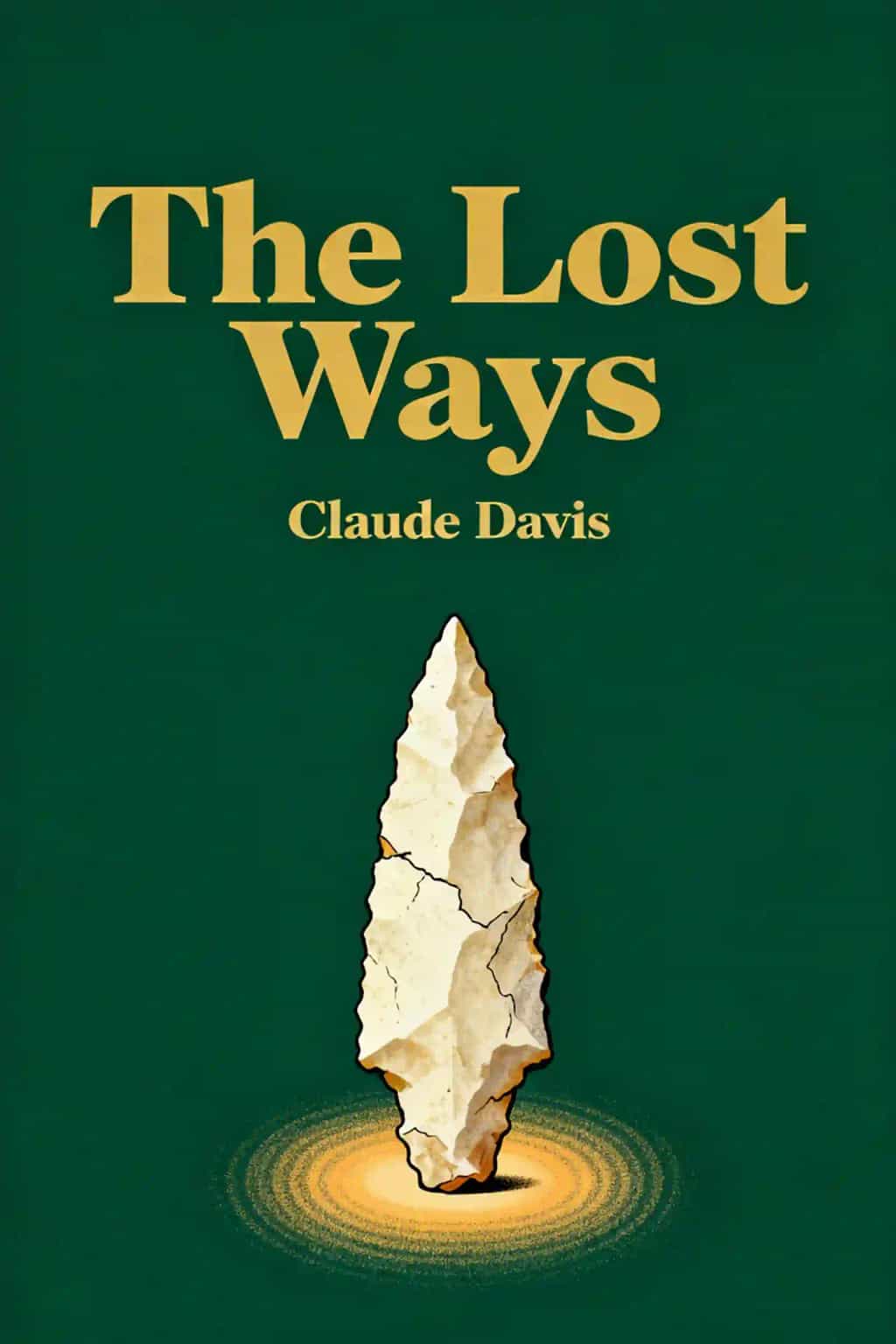
Discover forgotten pioneer survival skills in "The Lost Ways" by Claude Davis - a 4.24-rated guide to self-sufficiency without modern conveniences. What crucial knowledge have we abandoned? Over 13,000 copies sold through just one eBay seller suggest many are rediscovering these essential techniques.
- The Lost Ways teaches forgotten pioneer skills for modern survival preparation.
- Claude Davis revives 18th-century recipes like hardtack and pemmican.
- Build a smokehouse using traditional methods to preserve meat long-term.
- Learn foraging techniques to identify edible wild plants in nature.
- Self-feeding fires let pioneers cook meals without constant fire maintenance.
- Root cellars preserve vegetables using ancestral food storage wisdom.
- The book reframes crisis preparation as simple daily pioneer living.
- Master trapping and tanning skills our ancestors used for survival.
- Traditional canning and fermenting methods ensure food security year-round.
- Claude Davis demonstrates self-sufficiency by living in a log cabin.
- The Lost Ways prepares readers for life without modern technology.
- Pioneer well-drilling techniques provide water access during emergencies.
About the Author of Lost Ways
Claude Davis is the author of The Lost Ways, a comprehensive survivalist guide that has garnered significant attention in the prepper and self-sufficiency community. His expertise centers on reviving forgotten ancestral techniques and traditional survival skills that helped earlier generations thrive without modern technology.
Davis is an old-fashioned practitioner who lives what he teaches. He resides in a personally built log cabin with his wife and two children, where he cooks on open flames, makes his own clothes, and stockpiles homemade canned foods. His fascination with historical self-reliance stems from the belief that the daily life of people 150 years ago—without electricity, internet, or supermarkets—offers essential lessons for modern preparedness.
Following the success of his first book, Davis authored The Lost Ways II, which expands on forgotten secrets that helped ancestors survive famines, wars, economic crises, and natural disasters. His writing style blends practical advice with historical context, covering topics from food preservation and natural remedies to basic survival tactics. The original Lost Ways spans 432 pages in a color hardcover format and is considered a valuable addition to survival literature by readers seeking independence from modern conveniences.
FAQs About Lost Ways
What is The Lost Ways by Claude Davis about?
The Lost Ways by Claude Davis is a 350-page survival guide that teaches traditional self-sufficiency skills used by early American pioneers and Native Americans. The book prepares readers for catastrophes like natural disasters, economic collapse, and war by sharing forgotten ancestral knowledge. It covers essential survival topics including food preservation, underground shelter construction, water collection and storage, trap-setting for hunting, and making medicinal poultices using ancient recipes.
Who is Claude Davis, author of The Lost Ways?
Claude Davis is presented as an old-western history expert and survivalist who lives in a log cabin with his wife and two children. He reportedly practices traditional skills like cooking over open flames, making his own clothes, and stockpiling homemade canned foods. Davis is fascinated by how ancestors lived without modern conveniences and believes their teachings can prepare people for any crisis. However, some sources suggest "Claude Davis" may be a pen name or trademark rather than a verifiable individual.
Who should read The Lost Ways by Claude Davis?
The Lost Ways is ideal for preppers, survivalists, and anyone interested in self-reliance and traditional living skills. Readers concerned about emergency preparedness, natural disasters, or economic instability will find practical value in this guide. It appeals to those wanting to reconnect with ancestral knowledge and reduce dependence on modern technology. Homesteaders, off-grid enthusiasts, and history buffs interested in pioneer life will also appreciate the book's historical context and hands-on techniques.
Is The Lost Ways by Claude Davis worth reading?
The Lost Ways offers valuable historical survival knowledge and practical skills that can enhance emergency preparedness. The book provides actionable guidance on food preservation, shelter building, and resource management using traditional methods. However, potential buyers should be cautious during checkout to avoid ordering multiple copies accidentally, and some readers report delivery issues. Despite criticism regarding presentation and cost, the book is generally well-received in the prepper community for its comprehensive approach to self-sufficiency.
What survival skills are taught in The Lost Ways?
The Lost Ways teaches diverse ancestral survival skills including building underground houses large enough for four families, setting winter traps for steady food supply, and creating self-feeding fires for cooking. Readers learn foraging techniques for wild edibles, traditional canning and fermentation methods, and how to construct smokehouses for meat preservation. The book also covers making medicinal poultices from ancient ingredients, collecting and storing water without spending money, and preparing nutritious meals using readily available ingredients.
How does The Lost Ways address food preservation techniques?
The Lost Ways provides comprehensive food preservation methods used by pioneers and Native Americans. The book teaches how to build smokehouses that preserve meat while enhancing flavor and extending shelf life. It includes instructions for constructing self-feeding fires that cook food without constant attention using gravity to feed logs. Davis also covers traditional canning and fermentation techniques essential for long-term food storage, plus historical recipes like hardtack and pemmican that connect readers to 18th-century survival practices.
What are the main ideas in The Lost Ways by Claude Davis?
The Lost Ways emphasizes that modern society has become overly dependent on technology and conveniences, causing people to lose essential survival skills. Davis argues that Americans are no longer prepared for worst-case scenarios like their ancestors were, who lived without electricity, cars, or modern technology. The book's central message is that reconnecting with traditional knowledge and self-sufficiency methods can prepare people for famines, wars, economic crises, and natural disasters.
What traditional recipes are included in The Lost Ways?
The Lost Ways features nutritious recipes first used by Native American scouts, teaching readers to make food with common, readily available ingredients. The book includes lost recipes from the 18th century such as hardtack (a long-lasting survival bread) and pemmican (a concentrated mixture of dried meat and fat). These historical recipes were designed for extended storage without refrigeration and maximum nutrition during harsh conditions. Davis presents these forgotten formulas with practical instructions for modern implementation.
How does The Lost Ways teach water collection and storage?
The Lost Ways provides guidance on collecting and storing water affordably during disasters or water scarcity situations. Davis shares techniques for gathering and preserving water without spending money, using methods that ancestors employed for survival. The book emphasizes that water can become scarce during crises, wars, or natural disasters, making these traditional collection and storage skills essential for self-sufficiency. These ancestral methods focus on resourcefulness and utilizing natural water sources effectively.
What are the criticisms of The Lost Ways by Claude Davis?
Some critics question the authenticity of "Claude Davis," with evidence suggesting the name may be a trademark owned by a Romanian company rather than a real individual. Readers have complained about confusing checkout processes that result in accidental multiple purchases or bundles. Some buyers report paying for the book but never receiving it, raising concerns about fulfillment. Additionally, critics note that while marketed as comprehensive survival guidance, some content may read more like marketing material than practical instruction, and the book's cost and presentation have drawn mixed reviews.
What is the difference between The Lost Ways and The Lost Ways II?
The Lost Ways II is a 304-page sequel that expands on the original book's foundation, covering additional long-forgotten secrets ancestors used to survive famines, wars, economic crises, diseases, and droughts. While the first Lost Ways focuses on core survival skills like food preservation, water storage, and shelter building, the second volume provides more advanced techniques and deeper historical insights. Both books share the same philosophy of learning from ancestors who thrived without modern conveniences, but The Lost Ways II offers new content and methods not covered in the original.
How can The Lost Ways help during emergencies or disasters?
The Lost Ways prepares readers to handle worst-case scenarios with minimal resources by teaching self-sufficiency skills independent of electricity, cars, or modern technology. The book makes readers "bulletproof" against electromagnetic pulses, economic breakdowns, famines, and natural disasters through ancestral survival knowledge. Practical applications include preserving food during shortages, building emergency shelters, collecting water when infrastructure fails, and foraging for wild edibles. These traditional skills enable readers to maximize available resources and survive extended periods without modern conveniences or supply chains.
Feel the book through the author's voice
Turn knowledge into engaging, example-rich insights
Capture key ideas in a flash for fast learning
Enjoy the book in a fun and engaging way
Key Themes in Lost Ways
Quotes from Lost Ways
We've become profoundly disconnected from life itself in the 21st century.
True security comes not from money in the bank but from practical knowledge.
Resourcefulness wasn't just admired but essential for survival.
Characters in Lost Ways
Quick Summary Mode - Read or listen to Lost Ways Summary in 8 Minutes

Break down key ideas from Lost Ways into bite-sized takeaways to understand how innovative teams create, collaborate, and grow.

Flash Card Mode - Top 10 Insights from Lost Ways in a Nutshell

Distill Lost Ways into rapid-fire memory cues that highlight key principles of candor, teamwork, and creative resilience.

Fun Mode - Lost Ways Lessons Told Through 21-Min Stories

Experience Lost Ways through vivid storytelling that turns innovation lessons into moments you'll remember and apply.
Personalize Mode - Read or listen to Lost Ways Summary in 0 Minutes

Ask anything, pick the voice, and co-create insights that truly resonate with you.

From Columbia University alumni built in San Francisco
"Instead of endless scrolling, I just hit play on BeFreed. It saves me so much time."


"I never knew where to start with nonfiction—BeFreed’s book lists turned into podcasts gave me a clear path."


"Perfect balance between learning and entertainment. Finished ‘Thinking, Fast and Slow’ on my commute this week."
"Crazy how much I learned while walking the dog. BeFreed = small habits → big gains."
"Reading used to feel like a chore. Now it’s just part of my lifestyle."

"Feels effortless compared to reading. I’ve finished 6 books this month already."
"BeFreed turned my guilty doomscrolling into something that feels productive and inspiring."

"BeFreed turned my commute into learning time. 20-min podcasts are perfect for finishing books I never had time for."
"BeFreed replaced my podcast queue. Imagine Spotify for books — that’s it. 🙌"

"It is great for me to learn something from the book without reading it."
"The themed book list podcasts help me connect ideas across authors—like a guided audio journey."
"Makes me feel smarter every time before going to work"
From Columbia University alumni built in San Francisco
"Instead of endless scrolling, I just hit play on BeFreed. It saves me so much time."
"I never knew where to start with nonfiction—BeFreed’s book lists turned into podcasts gave me a clear path."
"Perfect balance between learning and entertainment. Finished ‘Thinking, Fast and Slow’ on my commute this week."
"Crazy how much I learned while walking the dog. BeFreed = small habits → big gains."
"Reading used to feel like a chore. Now it’s just part of my lifestyle."
"Feels effortless compared to reading. I’ve finished 6 books this month already."
"BeFreed turned my guilty doomscrolling into something that feels productive and inspiring."
"BeFreed turned my commute into learning time. 20-min podcasts are perfect for finishing books I never had time for."
"BeFreed replaced my podcast queue. Imagine Spotify for books — that’s it. 🙌"
"It is great for me to learn something from the book without reading it."
"The themed book list podcasts help me connect ideas across authors—like a guided audio journey."
"Makes me feel smarter every time before going to work"
"Instead of endless scrolling, I just hit play on BeFreed. It saves me so much time."
"I never knew where to start with nonfiction—BeFreed’s book lists turned into podcasts gave me a clear path."
"Perfect balance between learning and entertainment. Finished ‘Thinking, Fast and Slow’ on my commute this week."
"Crazy how much I learned while walking the dog. BeFreed = small habits → big gains."
"Reading used to feel like a chore. Now it’s just part of my lifestyle."
"Feels effortless compared to reading. I’ve finished 6 books this month already."
"BeFreed turned my guilty doomscrolling into something that feels productive and inspiring."
"BeFreed turned my commute into learning time. 20-min podcasts are perfect for finishing books I never had time for."
"BeFreed replaced my podcast queue. Imagine Spotify for books — that’s it. 🙌"
"It is great for me to learn something from the book without reading it."
"The themed book list podcasts help me connect ideas across authors—like a guided audio journey."
"Makes me feel smarter every time before going to work"
"Instead of endless scrolling, I just hit play on BeFreed. It saves me so much time."
"I never knew where to start with nonfiction—BeFreed’s book lists turned into podcasts gave me a clear path."
"Perfect balance between learning and entertainment. Finished ‘Thinking, Fast and Slow’ on my commute this week."
"Crazy how much I learned while walking the dog. BeFreed = small habits → big gains."
"Reading used to feel like a chore. Now it’s just part of my lifestyle."
"Feels effortless compared to reading. I’ve finished 6 books this month already."
"BeFreed turned my guilty doomscrolling into something that feels productive and inspiring."
"BeFreed turned my commute into learning time. 20-min podcasts are perfect for finishing books I never had time for."
"BeFreed replaced my podcast queue. Imagine Spotify for books — that’s it. 🙌"
"It is great for me to learn something from the book without reading it."
"The themed book list podcasts help me connect ideas across authors—like a guided audio journey."
"Makes me feel smarter every time before going to work"

Get the Lost Ways summary as a free PDF or EPUB. Print it or read offline anytime.