Overview of The Zen of Fish
Dive into the global phenomenon that transformed a simple Japanese dish into an art form. "The Story of Sushi" reveals the surprising science and cultural evolution behind your favorite roll - while tackling crucial questions about sustainability that are changing how we eat.
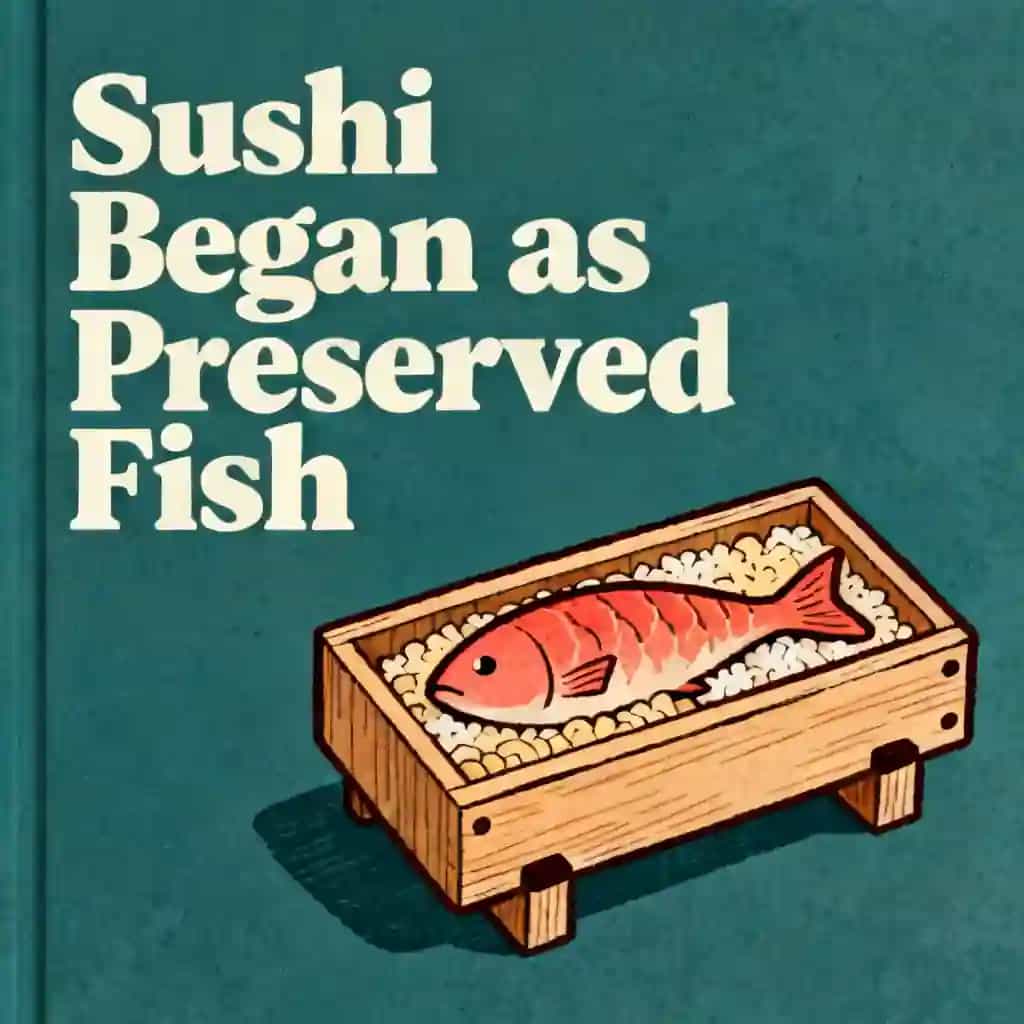
- Sushi’s origins trace back to fermented fish preservation methods in ancient Southeast Asia.
- Modern nigiri sushi emerged in 19th-century Tokyo as Edo-era street food.
- The California Sushi Academy bridged traditional apprenticeship and accessible culinary training.
- Freshly killed fish requires time to develop flavor through enzymatic reactions.
- Freezing salmon eliminates parasites, making it safe for raw consumption.
- Sushi’s global spread relied on Western adaptations like the California roll.
- Trevor Corson reveals how sushi chefs balance artistry with food science.
- Geoduck clams’ unique anatomy challenges chefs to master unconventional ingredients.
- Toshi’s L.A.-trained sushi career defied Japan’s traditional apprenticeship model.
- The Story of Sushi ties microbial biology to culinary craftsmanship.
- Sushi’s evolution reflects cultural exchange, from Edo stalls to global menus.
- Corson frames sushi as a lens into human ingenuity and tradition.
About the Author of The Zen of Fish
Trevor Corson, bestselling author of The Story of Sushi: An Unlikely Saga of Raw Fish and Rice, is a celebrated narrative nonfiction writer known for immersive explorations of science, culture, and food. A former commercial lobster fisherman turned journalist, Corson blends hands-on fieldwork with meticulous research—an approach showcased in his critically acclaimed works. His debut, The Secret Life of Lobsters (a USA Today and Discover magazine Best Nature Book), established his reputation for unraveling ecological mysteries through human stories.
Corson’s fascination with marine life and Japanese culinary traditions drove the creation of The Story of Sushi, which documents apprentice chefs in Los Angeles while weaving the biology and history of sushi ingredients. The book earned an Editors’ Choice nod from The New York Times Book Review and won "Best American Food Literature Book" at the Gourmand World Cookbook Awards. His work has been featured on NPR, CBS Sunday Morning, and ABC World News, and he has lectured at institutions like the National Geographic Society.
The Story of Sushi has been embraced by food enthusiasts and educators alike, solidifying Corson’s status as a bridge between scientific inquiry and cultural storytelling.
FAQs About The Zen of Fish
What is The Story of Sushi by Trevor Corson about?
The Story of Sushi blends the journey of Kate, a student at the California Sushi Academy, with the history, science, and cultural evolution of sushi. Corson interweaves lessons on marine biology, rice cultivation, and sushi’s transformation from a Japanese street food to a global delicacy. The book balances personal narratives with insights into chefs’ craftsmanship and challenges.
Who should read The Story of Sushi?
Food enthusiasts, sushi lovers, and readers curious about culinary history will find this book engaging. It’s ideal for those interested in Japanese culture, marine biology, or the behind-the-scenes rigor of sushi preparation. Corson’s storytelling appeals to both casual readers and aspiring chefs.
Is The Story of Sushi worth reading?
Yes, for its rich exploration of sushi’s cultural and scientific layers. While some critique its focus on Kate’s personal journey, the book’s detailed chapters on rice, fish biology, and sushi’s globalization offer compelling insights. Fans of food journalism will appreciate Corson’s blend of narrative and research.
How does The Story of Sushi explain the history of sushi?
Corson traces sushi’s origins from fermented fish preserved in rice in Southeast Asia to its refinement in Edo-era Japan. He highlights its shift from a quick street snack to a high-end culinary art, paralleling lobster’s evolution from prison food to luxury item. The book also examines postwar innovations like the California roll.
What does The Story of Sushi reveal about rice’s role in sushi?
Rice is the soul of sushi, demanding meticulous preparation. Corson dedicates a chapter to its science, including starch chemistry and seasoning with vinegar. He emphasizes how texture and flavor balance define quality sushi, calling rice “the difference between mediocre and exceptional”.
How does the book address sushi’s globalization?
Corson explores tensions between tradition and adaptation, like Americanized rolls vs. Tokyo-style nigiri. He profiles non-Japanese chefs reshaping the craft and debates authenticity, such as using non-traditional ingredients. The book argues that sushi’s survival hinges on balancing innovation with respect for its roots.
What are the main criticisms of The Story of Sushi?
Critics note uneven pacing, with some finding Kate’s storyline less compelling than historical or technical sections. Others feel Corson overemphasizes the California Sushi Academy’s drama, sidelining deeper analysis of Japanese culinary traditions. Despite this, the book’s educational value is widely praised.
Does The Story of Sushi include tips for eating sushi authentically?
Yes. Corson advises trusting the chef’s recommendations, avoiding excessive soy sauce, and eating nigiri in one bite. He explains etiquette, like not rubbing chopsticks together, and encourages trying unfamiliar fish to appreciate sushi’s diversity.
How does Trevor Corson incorporate science into the book?
Corson delves into marine biology (e.g., tuna metabolism), the physics of knife sharpness, and the chemistry of fermentation. He breaks down umami, sushi’s fifth taste, and explores how rice’s stickiness relies on amylose and amylopectin ratios. These details anchor the culinary art in scientific principles.
What real-life challenges do sushi chefs face in the book?
Students grapple with razor-sharp knives, 挑剔的好莱坞顾客, and gender bias in a male-dominated field. Corson highlights the physical toll of 14-hour shifts and the pressure to master techniques like filleting live fish. These vignettes humanize the perfectionism behind sushi.
How does The Story of Sushi discuss sustainability?
Corson critiques overfishing of bluefin tuna and farmed shrimp’s environmental impact. He praises chefs who prioritize locally sourced, seasonal fish and discusses ikijime, a humane slaughter method that preserves flavor. The book urges consumers to ask about sourcing to promote ethical sushi.
Are there parallels between sushi and other luxury foods in the book?
Yes. Corson compares sushi’s rise to lobster’s journey from 19th-century prison fare to gourmet staple. Both reflect how cultural perceptions transform food’s status, underscoring themes of tradition, innovation, and prestige in culinary history.
Feel the book through the author's voice
Turn knowledge into engaging, example-rich insights
Capture key ideas in a flash for fast learning
Enjoy the book in a fun and engaging way
Characters in The Zen of Fish
- Kate MurrayA student at the California Sushi Academy
- Toshi SugiuraFounder of the California Sushi Academy
- Zoran LekicChief instructor at the sushi academy
Key Themes in The Zen of Fish
- sushi culinary history
- fermentation science
- japanese apprenticeship traditions
- culinary democratization
- umami flavor chemistry
Quotes from The Zen of Fish
Sushi... inspires devotion, artistry, and even healing.
Sushi training has transcended cultural boundaries.
For Kate, the clean, fresh food became both medicine and comfort.
Yohei's creation... transformed sushi from a preservation method to a celebration of freshness.
Explore Your Way of Learning
 Quick Summary Mode
Read or listen to The Zen of Fish Summary in 9 Minutes
Break down key ideas from The Zen of Fish into bite-sized takeaways to understand how innovative teams create, collaborate, and grow.

 Fun Mode
The Zen of Fish Lessons Told Through 20-Min Stories
Experience The Zen of Fish through vivid storytelling that turns innovation lessons into moments you'll remember and apply.
 Personalize Mode
Experience The Zen of Fish in your own learning style
Ask anything, choose your learning style, and co-create insights that truly resonate with you.
From Columbia University alumni built in San Francisco
"Instead of endless scrolling, I just hit play on BeFreed. It saves me so much time."


"I never knew where to start with nonfiction—BeFreed’s book lists turned into podcasts gave me a clear path."


"Perfect balance between learning and entertainment. Finished ‘Thinking, Fast and Slow’ on my commute this week."
"Crazy how much I learned while walking the dog. BeFreed = small habits → big gains."
"Reading used to feel like a chore. Now it’s just part of my lifestyle."

"Feels effortless compared to reading. I’ve finished 6 books this month already."
"BeFreed turned my guilty doomscrolling into something that feels productive and inspiring."

"BeFreed turned my commute into learning time. 20-min podcasts are perfect for finishing books I never had time for."
"BeFreed replaced my podcast queue. Imagine Spotify for books — that’s it. 🙌"

"It is great for me to learn something from the book without reading it."
"The themed book list podcasts help me connect ideas across authors—like a guided audio journey."
"Makes me feel smarter every time before going to work"
From Columbia University alumni built in San Francisco
"Instead of endless scrolling, I just hit play on BeFreed. It saves me so much time."
"I never knew where to start with nonfiction—BeFreed’s book lists turned into podcasts gave me a clear path."
"Perfect balance between learning and entertainment. Finished ‘Thinking, Fast and Slow’ on my commute this week."
"Crazy how much I learned while walking the dog. BeFreed = small habits → big gains."
"Reading used to feel like a chore. Now it’s just part of my lifestyle."
"Feels effortless compared to reading. I’ve finished 6 books this month already."
"BeFreed turned my guilty doomscrolling into something that feels productive and inspiring."
"BeFreed turned my commute into learning time. 20-min podcasts are perfect for finishing books I never had time for."
"BeFreed replaced my podcast queue. Imagine Spotify for books — that’s it. 🙌"
"It is great for me to learn something from the book without reading it."
"The themed book list podcasts help me connect ideas across authors—like a guided audio journey."
"Makes me feel smarter every time before going to work"
"Instead of endless scrolling, I just hit play on BeFreed. It saves me so much time."
"I never knew where to start with nonfiction—BeFreed’s book lists turned into podcasts gave me a clear path."
"Perfect balance between learning and entertainment. Finished ‘Thinking, Fast and Slow’ on my commute this week."
"Crazy how much I learned while walking the dog. BeFreed = small habits → big gains."
"Reading used to feel like a chore. Now it’s just part of my lifestyle."
"Feels effortless compared to reading. I’ve finished 6 books this month already."
"BeFreed turned my guilty doomscrolling into something that feels productive and inspiring."
"BeFreed turned my commute into learning time. 20-min podcasts are perfect for finishing books I never had time for."
"BeFreed replaced my podcast queue. Imagine Spotify for books — that’s it. 🙌"
"It is great for me to learn something from the book without reading it."
"The themed book list podcasts help me connect ideas across authors—like a guided audio journey."
"Makes me feel smarter every time before going to work"
"Instead of endless scrolling, I just hit play on BeFreed. It saves me so much time."
"I never knew where to start with nonfiction—BeFreed’s book lists turned into podcasts gave me a clear path."
"Perfect balance between learning and entertainment. Finished ‘Thinking, Fast and Slow’ on my commute this week."
"Crazy how much I learned while walking the dog. BeFreed = small habits → big gains."
"Reading used to feel like a chore. Now it’s just part of my lifestyle."
"Feels effortless compared to reading. I’ve finished 6 books this month already."
"BeFreed turned my guilty doomscrolling into something that feels productive and inspiring."
"BeFreed turned my commute into learning time. 20-min podcasts are perfect for finishing books I never had time for."
"BeFreed replaced my podcast queue. Imagine Spotify for books — that’s it. 🙌"
"It is great for me to learn something from the book without reading it."
"The themed book list podcasts help me connect ideas across authors—like a guided audio journey."
"Makes me feel smarter every time before going to work"

Download Summary of The Zen of Fish
Get the The Zen of Fish summary as a free PDF or EPUB. Print it or read offline anytime.