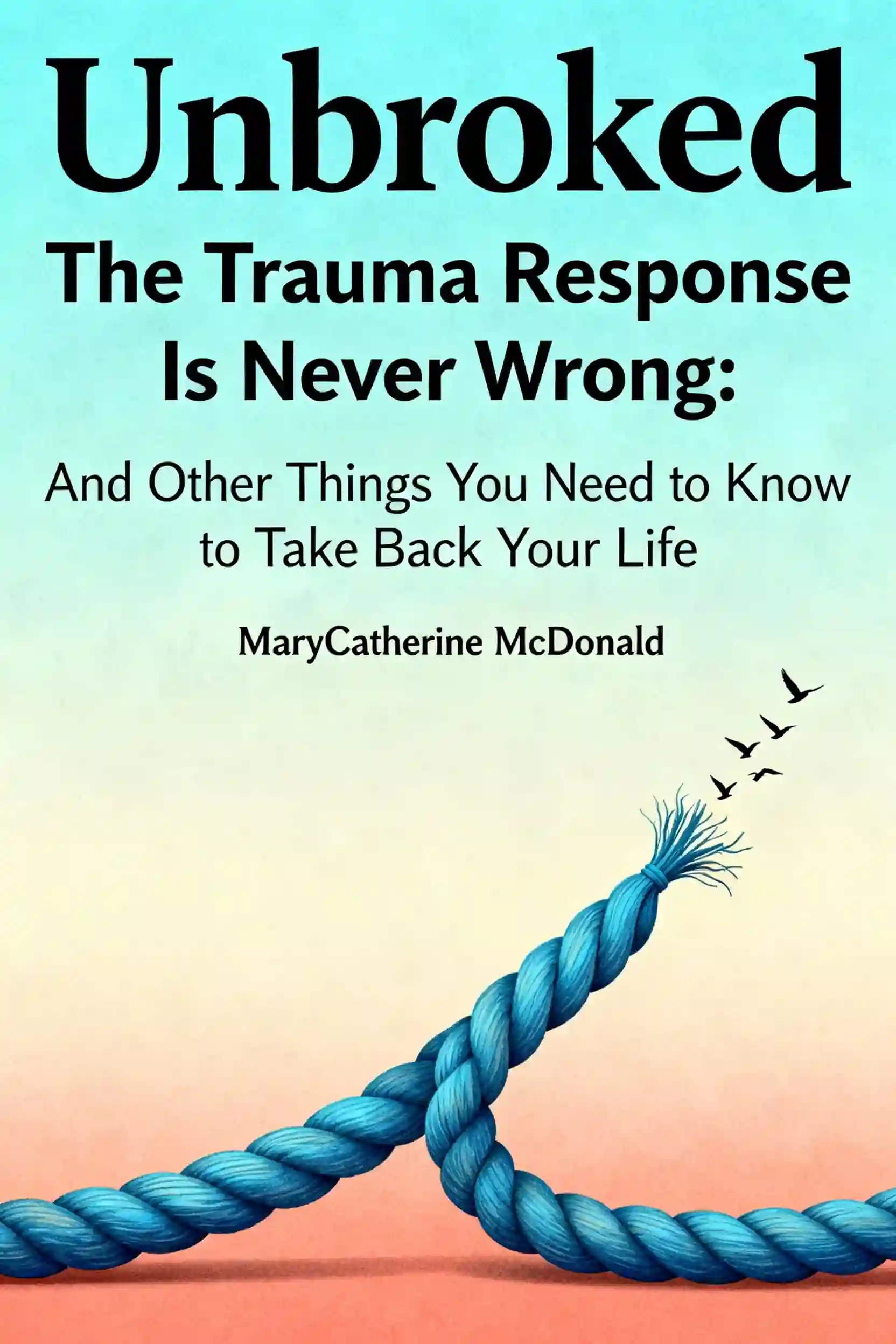
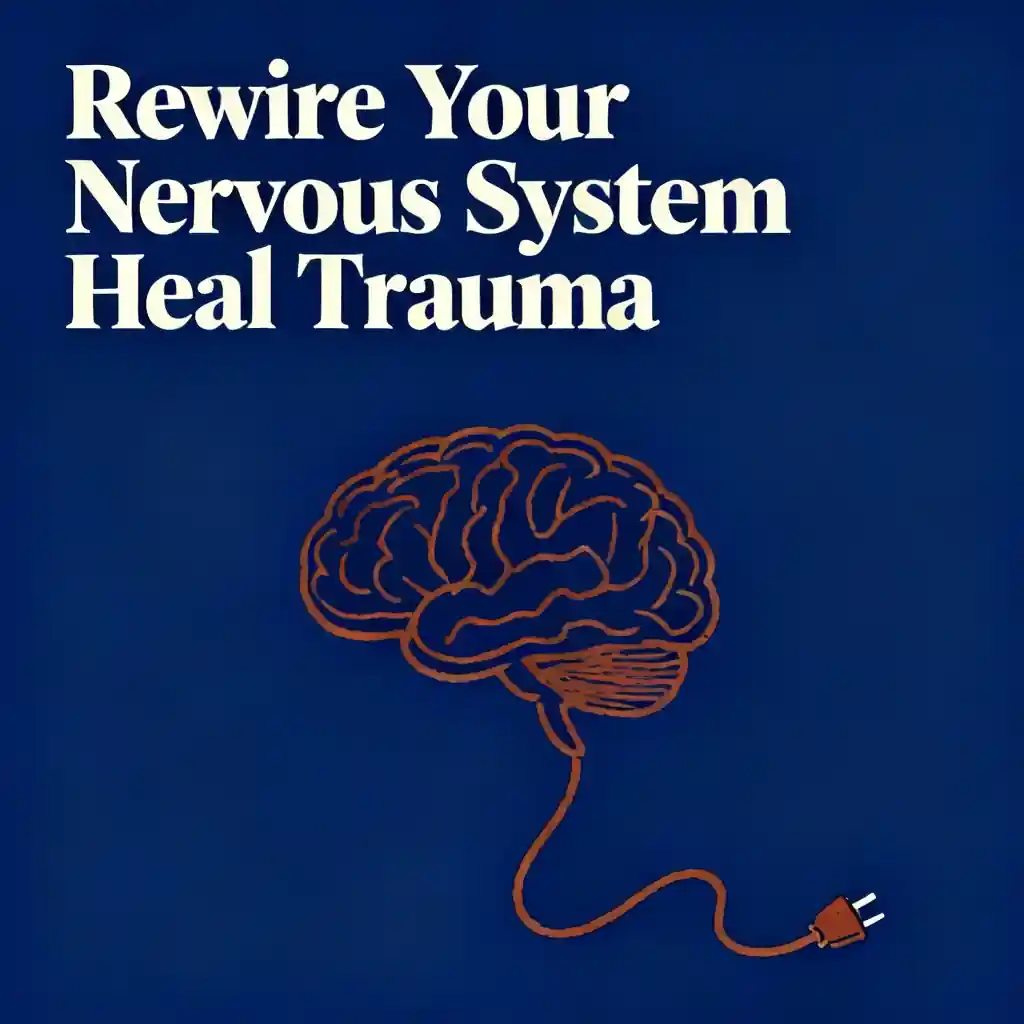
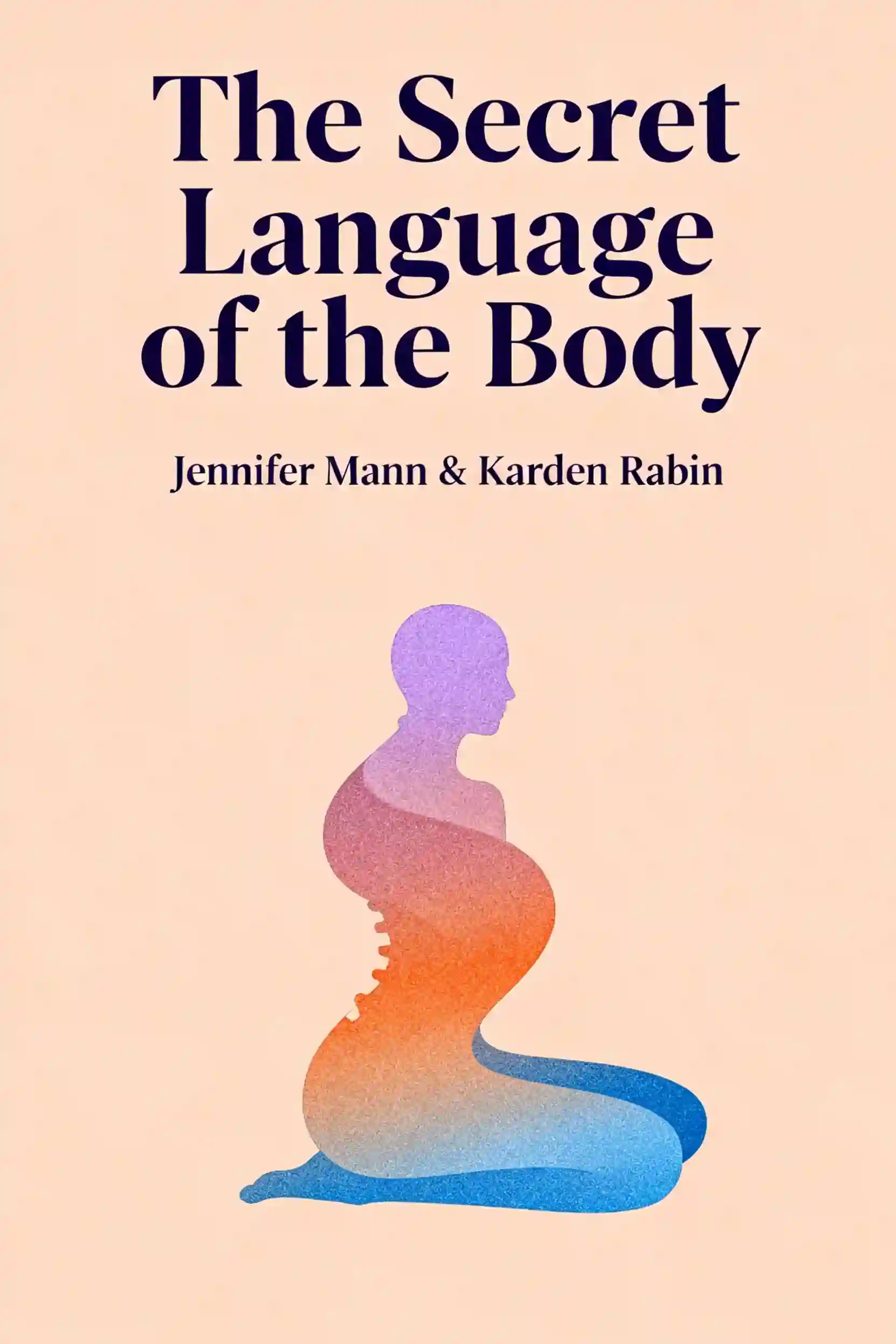
Discover how trauma literally rewrites our biology and why we can't just 'get over it'—plus revolutionary healing methods that go beyond traditional talk therapy.

Trauma is not a character flaw or weakness; it is our body's attempt to protect us that sometimes gets stuck in overdrive. The same way trauma can rewire our neural pathways, the brain's neuroplasticity means healing can rewire them back.
Creato da alumni della Columbia University a San Francisco
"Instead of endless scrolling, I just hit play on BeFreed. It saves me so much time."
"I never knew where to start with nonfiction—BeFreed’s book lists turned into podcasts gave me a clear path."
"Perfect balance between learning and entertainment. Finished ‘Thinking, Fast and Slow’ on my commute this week."
"Crazy how much I learned while walking the dog. BeFreed = small habits → big gains."
"Reading used to feel like a chore. Now it’s just part of my lifestyle."
"Feels effortless compared to reading. I’ve finished 6 books this month already."
"BeFreed turned my guilty doomscrolling into something that feels productive and inspiring."
"BeFreed turned my commute into learning time. 20-min podcasts are perfect for finishing books I never had time for."
"BeFreed replaced my podcast queue. Imagine Spotify for books — that’s it. 🙌"
"It is great for me to learn something from the book without reading it."
"The themed book list podcasts help me connect ideas across authors—like a guided audio journey."
"Makes me feel smarter every time before going to work"
Creato da alumni della Columbia University a San Francisco

Lena: Miles, I have to ask you something that's been on my mind. You know how we always say "just get over it" or "move on" when someone's been through something difficult?
Miles: Oh absolutely, and that's actually one of the most harmful things we can say to someone who's experienced trauma. What's fascinating is that Bessel van der Kolk's research shows us that trauma literally rewrites our biology.
Lena: Wait, what do you mean by that? Like, it actually changes our bodies?
Miles: Exactly! The title "The Body Keeps the Score" isn't just poetic—it's scientific fact. When we go through overwhelming experiences, our brains and bodies hold onto that information in ways we're only beginning to understand. It's like our nervous system gets stuck in a state of high alert.
Lena: That's incredible. So when someone says they "can't just get over it," there's actually a biological reason for that?
Miles: Right! Van der Kolk spent over thirty years discovering that trauma affects everything—how we think, how we feel, even how our immune system functions. It's not a character flaw or weakness; it's our body's attempt to protect us that sometimes gets stuck in overdrive.
Lena: This completely changes how I think about healing and recovery. So let's explore how trauma actually reshapes our brain and what that means for finding our way back to ourselves.
Miles: You know what really struck me about van der Kolk's work is how he explains the brain's alarm system. Lena, imagine your smoke detector going off every time you toast bread—that's essentially what happens with trauma.
Lena: Oh wow, that's such a vivid way to put it. So the brain's threat detection system becomes hypersensitive?
Miles: Exactly. The amygdala, which is like our internal alarm bell, gets recalibrated after trauma. Van der Kolk found that traumatized people's brains literally light up differently when they encounter anything that reminds them of their experience—even when there's no actual danger present.
Lena: That must be exhausting. Living in a constant state of vigilance like that.
Miles: It really is. And here's what's fascinating—when that alarm goes off, the prefrontal cortex, which is responsible for rational thinking, essentially goes offline. So in those moments, people can't think their way out of the response. They're not being dramatic or overreacting; their brain is literally hijacked by survival instincts.
Lena: This explains so much about why traditional talk therapy sometimes isn't enough, doesn't it? If the thinking brain is offline during these episodes...
Miles: You've hit the nail on the head. Van der Kolk discovered that you can't just talk someone out of a trauma response because the trauma isn't stored in the part of the brain that processes language and logic. It's encoded in these deeper, more primitive regions that operate below conscious awareness.
Lena: So what does this mean for someone who's been through trauma? Are they just stuck with this hypersensitive alarm system forever?
Miles: That's the beautiful part of van der Kolk's research—he shows us that the brain has this incredible capacity called neuroplasticity. The same way trauma can rewire our neural pathways, healing can rewire them back. But it requires approaches that work with the body and nervous system, not just the mind.
Lena: I love that there's hope in this science. It's not just explaining the problem; it's pointing toward solutions.
Miles: Absolutely. And what's really compelling is how this research validates what trauma survivors have been saying all along—that they feel things in their bodies, that certain situations make them physically uncomfortable even when they can't explain why logically.
Lena: Right, because the body is keeping track of all these experiences, even when our conscious mind tries to forget or minimize them.
Lena: Miles, one thing that really got to me in the research was learning about how common trauma actually is. I think most people imagine trauma as these extreme, rare events.
Miles: Oh, that's such an important point. The statistics van der Kolk shares are absolutely staggering. We're talking about one in three couples experiencing physical violence, one in four children being beaten to the point of leaving marks, one in five Americans being sexually molested as children. This isn't rare at all.
Lena: Those numbers are heartbreaking. And what really struck me was the ACE study—Adverse Childhood Experiences. Can you walk us through what that revealed?
Miles: The ACE study was groundbreaking because it showed the direct connection between childhood trauma and adult health problems. They found that 64% of people experience at least one adverse childhood experience, and 16% experience four or more. But here's the kicker—those early experiences dramatically increase the risk of everything from depression and addiction to heart disease and cancer.
Lena: So trauma isn't just a mental health issue—it's literally a public health crisis.
Miles: Exactly. Van der Kolk calls childhood trauma "arguably the greatest threat to our national well-being." The costs exceed those of cancer or heart disease. And what's particularly tragic is that much of this trauma happens in homes, with people who are supposed to provide safety and protection.
Lena: That's what makes childhood trauma so complex, isn't it? When the people who should be your safe harbor become the source of danger.
Miles: Right, and this creates what researchers call "disorganized attachment." Children need their caregivers for survival, but when those same caregivers are sources of fear or neglect, it creates this impossible bind. The child's nervous system doesn't know whether to approach for comfort or flee for safety.
Lena: And that confusion doesn't just disappear when they become adults, does it?
Miles: Not at all. Van der Kolk shows how these early patterns shape everything—how we relate to others, how we regulate our emotions, even how we experience our own bodies. Adults who experienced childhood trauma often struggle with trusting themselves and others, maintaining healthy boundaries, and feeling safe in intimate relationships.
Lena: It's like they're carrying these invisible wounds that affect every aspect of their lives. But I imagine many people don't even connect their current struggles to those early experiences.
Miles: That's so true. Van der Kolk talks about how trauma survivors often develop what he calls a "cover story"—a narrative that helps them make sense of their experiences but doesn't capture the full emotional truth. They might say things like "I had a normal childhood" or "It wasn't that bad," even when their bodies and behaviors tell a different story.
Lena: Because acknowledging the full reality might feel too dangerous or overwhelming.
Miles: Exactly. The mind is trying to protect them by minimizing or denying the impact, but meanwhile, their nervous system is still responding as if those threats are present. It's this disconnect between what they think about their experience and what they feel about it.
Miles: Lena, one of the most profound insights from van der Kolk's work is how trauma literally lives in our bodies. It's not just a metaphor—there are actual physical changes happening.
Lena: I found this fascinating but also a bit overwhelming. Can you help our listeners understand what this looks like practically?
Miles: Sure. Think about how your body responds when you're startled—your heart races, your muscles tense, you might hold your breath. Now imagine that response getting triggered multiple times a day by things that shouldn't be threatening, like a car door slamming or someone raising their voice.
Lena: So the body is essentially stuck in survival mode, even when there's no actual danger present.
Miles: Exactly. And this chronic state of activation wreaks havoc on every system. Van der Kolk documents how trauma survivors develop higher rates of autoimmune disorders, chronic pain, digestive issues, heart disease—the list goes on and on.
Lena: It's like the body is paying the price for being constantly on guard.
Miles: Right, and there's this other aspect that's equally important—dissociation. Sometimes when trauma is too overwhelming, the body's last resort is to essentially shut down or disconnect. People describe feeling like they're watching themselves from outside their body, or like they're floating above a situation.
Lena: That sounds like the nervous system's circuit breaker, in a way.
Miles: That's a perfect analogy. It's protective in the moment, but when it becomes a chronic pattern, people lose touch with their bodies entirely. Van der Kolk talks about patients who can't identify simple objects by touch with their eyes closed, or who don't recognize themselves in mirrors.
Lena: That's heartbreaking. To be so disconnected from your own physical self.
Miles: And this is why van der Kolk argues that healing has to involve the body. You can't just think your way out of trauma because so much of it is stored below the level of conscious thought. It's held in muscle tension, breathing patterns, nervous system responses.
Lena: This makes me think about all those physical symptoms people experience that doctors can't find a medical cause for.
Miles: Yes! Van der Kolk emphasizes that many unexplained medical symptoms—chronic fatigue, fibromyalgia, irritable bowel syndrome—often have roots in unresolved trauma. The body is trying to communicate something that the mind hasn't been able to process.
Lena: So when someone says "it's all in your head," they're actually missing the point entirely.
Miles: Completely. Van der Kolk shows us that trauma is never "just" in your head—it's a whole-body experience that requires whole-body healing approaches.
Lena: Miles, I think this is where van der Kolk's work becomes really revolutionary. He's essentially saying that the way we've traditionally approached therapy might not be getting to the heart of trauma.
Miles: Absolutely. And this isn't a criticism of therapists or therapy in general, but rather an understanding that trauma affects parts of the brain that aren't easily reached through language and rational thinking.
Lena: Can you explain what you mean by that?
Miles: Well, van der Kolk found that during traumatic flashbacks, Broca's area—the part of the brain responsible for speech—literally goes offline. This creates what he calls "speechless horror." People experience all the emotions and physical sensations of the trauma, but they can't put it into words.
Lena: So asking someone to just talk about their trauma might be asking them to access something that isn't accessible through language.
Miles: Exactly. And even when people can talk about their experiences, van der Kolk discovered that understanding doesn't necessarily lead to change. He puts it perfectly: "Knowing why you screwed up doesn't necessarily stop you from being screwed up."
Lena: That's such a powerful way to put it. So what's the alternative?
Miles: This is where his research gets really exciting. Van der Kolk started exploring what he calls "bottom-up" approaches—therapies that work directly with the body and nervous system rather than trying to change thoughts and behaviors from the top down.
Lena: I love that he looked at what trauma survivors were actually gravitating toward naturally.
Miles: Right! After 9/11, mental health experts recommended traditional talk therapy and cognitive behavioral therapy. But when researchers surveyed people who had escaped from the Twin Towers, guess what they found most helpful? Acupuncture, massage, yoga, and EMDR topped the list. For rescue workers, massage was number one.
Lena: Their bodies were telling them what they needed.
Miles: Exactly. And this led van der Kolk to investigate these body-based approaches scientifically. He was one of the first researchers to study yoga for PTSD, and the results were remarkable—better than many pharmaceutical interventions.
Lena: What is it about these approaches that makes them so effective?
Miles: They help people reconnect with their bodies in a safe, controlled way. Trauma often involves feeling helpless and out of control, so these practices restore a sense of agency and choice. They also help regulate the nervous system directly, teaching the body that it can move between states of activation and calm.
Lena: It's like they're speaking the body's language rather than trying to convince it through words.
Miles: That's beautifully put. Van der Kolk talks about how these approaches help people develop what he calls "interoception"—the ability to sense what's happening inside their bodies. Many trauma survivors have lost this capacity, either through numbing or hypervigilance.
Miles: Lena, I have to tell you about one of the most fascinating discoveries in van der Kolk's work—EMDR, or Eye Movement Desensitization and Reprocessing.
Lena: I've heard of this, but I'll admit it sounds a bit mysterious. Moving your eyes back and forth can really help with trauma?
Miles: I know it sounds almost too simple to be true, but the research is incredibly compelling. Van der Kolk was initially skeptical himself, but when he studied it rigorously, EMDR showed remarkable results—78% of participants in one study reported significant improvement.
Lena: That's impressive. How does it actually work?
Miles: The theory is that it mimics what happens during REM sleep, when our brains naturally process and integrate memories. During REM sleep, our eyes move rapidly back and forth while we dream, and this seems to help the brain file away experiences without the emotional charge.
Lena: So EMDR is essentially helping the brain do what it would naturally do during healthy sleep?
Miles: Exactly. And this is crucial for trauma survivors because their sleep is often disrupted. Instead of processing traumatic memories during REM sleep, they often experience nightmares that retraumatize them, waking them up and interrupting the natural healing process.
Lena: So EMDR gives them a way to process these memories while they're awake and supported.
Miles: Right. What's particularly interesting is that people don't even have to talk about the details of their trauma during EMDR. They just focus on the memory while doing the bilateral stimulation—the eye movements or other forms of bilateral stimulation—and report what comes up for them.
Lena: That must be such a relief for people who struggle to put their experiences into words.
Miles: Absolutely. Van der Kolk shares the story of a woman who lost her young daughter in a car accident. Despite trying traditional talk therapy, she was experiencing debilitating PTSD symptoms. But after just a few sessions of EMDR, she was able to remember her daughter with love rather than being overwhelmed by the trauma of the accident.
Lena: That's incredible. It's like EMDR helped her separate the love from the trauma.
Miles: That's a beautiful way to put it. The memory doesn't disappear, but it loses its power to hijack her nervous system. She can remember what happened without reliving it.
Lena: Are there limitations to EMDR?
Miles: Van der Kolk notes that it works best for single-incident traumas. People with complex trauma or childhood abuse histories often need additional approaches because their trauma is more pervasive and affects their fundamental sense of self and safety.
Lena: That makes sense. Different types of trauma would require different healing approaches.
Miles: Exactly. But what's exciting is that EMDR can be combined with other therapies. It's not an either-or situation—it's about finding the right combination of approaches for each person's unique situation.
Lena: Miles, there's another approach van der Kolk explores that sounds almost like science fiction—neurofeedback. Can you walk us through what this is?
Miles: Neurofeedback is fascinating because it works directly with brainwaves. Essentially, a person wears a cap with electrodes that measure their brain activity, and they get real-time feedback when their brain produces the desired wave patterns.
Lena: So it's like training your brain the way you might train a muscle?
Miles: That's a great analogy. The brain gets a tiny reward—like a sound or visual cue—when it produces healthier brainwave patterns. Over time, this teaches the brain to naturally gravitate toward these more regulated states.
Lena: And this helps with trauma how?
Miles: Well, van der Kolk explains that trauma often leaves people stuck in certain brainwave patterns—either hyperaroused states of fear and anxiety, or hypoaroused states of shutdown and dissociation. Neurofeedback can help retrain the brain to access a wider range of states.
Lena: Van der Kolk shares a powerful story about this, doesn't he? About a woman named Lisa?
Miles: Yes, Lisa's story is remarkable. She had experienced severe childhood abuse and torture, and as an adult, she was stuck in chronic dissociation. Talk therapy just sent her into panic attacks because she couldn't stay present enough to engage.
Lena: That sounds like such a hopeless situation.
Miles: It did seem that way. But after neurofeedback training, Lisa began to notice her constant fears dropping away. After six months, she stopped dissociating and started developing a sense of self for the first time. She described it as being freed from a prison she didn't even know she was in.
Lena: What a transformation. And this was just from training her brainwaves?
Miles: The beautiful thing is how Lisa described the change. She said, "I now can actually talk about things like my childhood. For the first time I started being able to do therapy. Up 'til then...I couldn't calm down enough."
Lena: So neurofeedback became the foundation that made other therapies possible.
Miles: Exactly. It's like neurofeedback gave her nervous system the stability it needed to engage in relationship and processing work. She went on to graduate from nursing school and work as a hospital nurse.
Lena: That's incredible. From being unable to function to helping heal others.
Miles: And what van der Kolk emphasizes is that this isn't just about symptom management. Lisa wasn't just coping better—she was actually living the life she wanted to live. She said, "I'm not held hostage by my feelings...I'm not in fight-or-flight all the time...Neurofeedback freed me up to live my life the way I want to."
Lena: It sounds like she reclaimed her agency, her ability to choose her responses rather than being controlled by her trauma reactions.
Miles: That's the key insight van der Kolk offers—healing isn't just about reducing symptoms. It's about restoring people's capacity to live full, connected, meaningful lives.
Miles: Lena, one of the things I find most compelling about van der Kolk's work is how he bridges ancient wisdom with cutting-edge neuroscience. His research on yoga for trauma is a perfect example.
Lena: I love that he was willing to look beyond conventional Western approaches. What drew him to yoga specifically?
Miles: Well, he was seeing that his patients' bodies were holding onto trauma in ways that talk therapy couldn't reach. Yoga offered a way to work directly with the nervous system through breath, movement, and mindful awareness.
Lena: And this wasn't just a hunch—he actually studied it scientifically, right?
Miles: Absolutely. Van der Kolk conducted rigorous research comparing yoga to other treatments for PTSD. The results were remarkable—yoga showed better outcomes than many pharmaceutical interventions. People weren't just managing their symptoms better; they were developing a fundamentally different relationship with their bodies.
Lena: What is it about yoga that makes it so effective for trauma recovery?
Miles: There are several key elements. First, yoga teaches people to pay attention to their internal sensations in a safe, controlled way. Many trauma survivors have learned to either numb out completely or become overwhelmed by body sensations. Yoga offers a middle path.
Lena: So it's helping them recalibrate their relationship with their own physical experience.
Miles: Exactly. And the breathing practices are crucial. Van der Kolk found that yoga significantly improves heart rate variability, which is a measure of nervous system flexibility. Better heart rate variability means better emotional regulation and stress resilience.
Lena: I imagine the sense of choice and control is important too.
Miles: That's huge. In yoga, you're constantly making choices—how deep to go into a pose, when to rest, how to breathe. For people whose trauma involved feeling helpless and out of control, this restoration of choice can be profoundly healing.
Lena: Van der Kolk emphasizes starting slowly and gently, doesn't he?
Miles: Yes, this is crucial. He recommends trauma-informed yoga instructors who understand that certain poses or adjustments might be triggering. The goal isn't to push through discomfort—it's to learn to be present with sensation in a way that feels safe.
Lena: It's about building tolerance for feeling, rather than avoiding or being overwhelmed by it.
Miles: Beautiful way to put it. And what's particularly powerful is that yoga gives people tools they can use on their own. They're not dependent on a therapist or medication—they're developing their own capacity for self-regulation.
Lena: That must be incredibly empowering after feeling so out of control.
Miles: Van der Kolk talks about how trauma survivors often feel like strangers in their own bodies. Yoga helps them become friendly with their physical selves again. They start to trust their body's signals and responses rather than fearing them.
Lena: And this has implications beyond just trauma recovery, doesn't it?
Miles: Absolutely. Van der Kolk argues that these body-awareness practices should be part of everyone's education—not just for trauma survivors, but for all children learning to understand and regulate their emotions and responses.
Lena: Miles, something that really stands out in van der Kolk's work is his emphasis on relationships and community in healing. It's not just about individual therapy techniques, is it?
Miles: Not at all. Van der Kolk makes this powerful point that humans are fundamentally social creatures, and trauma often involves a breakdown of connection—both with ourselves and with others. So healing has to involve rebuilding those connections.
Lena: That makes so much sense. Trauma isolates people, so healing needs to bring them back into relationship.
Miles: Exactly. And he talks about some fascinating approaches that harness the power of group connection. Theater work, for instance, where trauma survivors can explore different roles and voices in a safe, creative environment.
Lena: I love the idea of using theater for healing. There's something about stepping into different characters that might allow people to explore parts of themselves they've lost touch with.
Miles: Van der Kolk describes how theater gives people a way to experience intense emotions within a structured, contained setting. They can feel deeply while knowing they're safe, which helps them rebuild their capacity for the full range of human experience.
Lena: And there's the communal aspect too—being part of an ensemble, creating something together.
Miles: Right, and he also explores what he calls "communal rhythms"—things like drumming, singing, and dancing together. These activities literally synchronize people's nervous systems and create a sense of belonging and safety.
Lena: It's like these practices tap into something primal about human connection.
Miles: Van der Kolk points out that many non-Western cultures have always understood this. Healing happens in community through shared rituals, music, and movement. Western medicine has been too focused on individual pathology and not enough on relational healing.
Lena: This connects to his criticism of how we often medicate trauma symptoms rather than addressing the underlying disconnection.
Miles: Exactly. He argues that while medications can be helpful in the short term to stabilize someone enough to do the deeper work, they're not a long-term solution. Real healing involves restoring people's capacity for connection and meaning.
Lena: And that requires other people, doesn't it? You can't heal isolation in isolation.
Miles: That's beautifully put. Van der Kolk emphasizes that being a patient—passive recipient of treatment—can actually reinforce the helplessness that trauma creates. People need to be active participants in their healing, and that often means being part of a community where they feel seen and valued.
Lena: This makes me think about how important it is for trauma survivors to find their tribe—people who understand their experience without judgment.
Miles: Absolutely. Whether that's through support groups, therapeutic communities, or just finding people who "get it," that sense of belonging is crucial for recovery.
Lena: Miles, I think our listeners are probably wondering—okay, this all sounds amazing, but where do I actually start? What would van der Kolk say to someone who recognizes themselves in this conversation?
Miles: That's such an important question, Lena. Van der Kolk is really clear that there's no one-size-fits-all approach to trauma healing. Different people need different combinations of interventions, and what works can change over time.
Lena: So it's about experimenting and finding what resonates with your particular nervous system and situation.
Miles: Exactly. But there are some general principles he emphasizes. First, safety and stabilization have to come first. If someone is in crisis or actively being harmed, that needs to be addressed before diving into trauma processing work.
Lena: That makes sense. You can't heal in an environment where you're still being traumatized.
Miles: Right. And once there's basic safety, van der Kolk suggests starting with body awareness practices. This might be as simple as learning to notice your breath, or doing gentle movement, or trying trauma-informed yoga classes.
Lena: The goal being to start reconnecting with your body in a safe way.
Miles: Yes, and developing what he calls your "window of tolerance"—the zone where you can experience sensation and emotion without being overwhelmed or shutting down. As that window expands, you can handle more intense processing work.
Lena: What about finding the right therapist or practitioner?
Miles: Van der Kolk emphasizes finding someone who understands trauma and is willing to work with both mind and body. This might be someone trained in EMDR, somatic approaches, or other body-based therapies. The key is finding someone who gets that trauma isn't just a mental health issue.
Lena: And he's not anti-medication, is he?
Miles: Not at all. He sees medication as potentially helpful for stabilization, especially in the beginning when someone's nervous system is too dysregulated to engage in other work. But he emphasizes that medication alone isn't enough—it needs to be combined with approaches that help people reconnect with themselves and others.
Lena: What about people who can't access specialized trauma therapy right now?
Miles: Van der Kolk would say there are things people can start doing on their own. Regular exercise, breathing practices, spending time in nature, creative expression—these all help regulate the nervous system. The key is consistency rather than intensity.
Lena: And community connection, right?
Miles: Absolutely. Finding safe people to connect with, whether through support groups, spiritual communities, or hobby groups—anything that helps combat the isolation that trauma creates.
Lena: It sounds like healing is both deeply personal and inherently relational.
Miles: That's perfectly put. Van der Kolk would say that we heal in relationship—both with ourselves and with others. The journey is about reclaiming your full humanity, not just managing symptoms.
Lena: Miles, as we wrap up our exploration of van der Kolk's groundbreaking work, I'm struck by how much hope there is in this research. For all the pain and difficulty trauma causes, the message seems to be that healing is not only possible but inevitable when we approach it the right way.
Miles: That's exactly right, Lena. What I find most inspiring about "The Body Keeps the Score" is that it doesn't just explain the problem—it illuminates a path forward. Van der Kolk shows us that the same neuroplasticity that allows trauma to reshape our brains also allows healing to reshape them back.
Lena: And it's not just about returning to where you were before the trauma, is it? There's something about post-traumatic growth that he touches on.
Miles: Absolutely. Many of the people in his case studies don't just recover—they discover capacities and strengths they never knew they had. There's something about facing and integrating our deepest wounds that can lead to profound wisdom and resilience.
Lena: I think what gives me the most hope is how this work is changing our entire understanding of human suffering and healing. We're moving away from pathologizing people's responses to trauma and toward understanding them as adaptive survival mechanisms.
Miles: That shift is so crucial. When someone understands that their hypervigilance or emotional numbing or relationship difficulties aren't character flaws but intelligent responses their nervous system developed to keep them alive, it changes everything. There's no shame in survival.
Lena: And the fact that he's brought together ancient wisdom practices with cutting-edge neuroscience shows us that healing doesn't have to choose between traditional and modern approaches.
Miles: Right, whether it's yoga that's been practiced for thousands of years or EMDR that was discovered in the last few decades, or neurofeedback that uses the latest technology—they're all pointing toward the same truth: healing happens when we help the nervous system remember how to feel safe.
Lena: What do you think the implications are for how we structure our society and communities?
Miles: Van der Kolk argues that we need to become a trauma-informed society. That means understanding how widespread trauma is and designing our schools, workplaces, healthcare systems, and communities to support healing rather than inadvertently retraumatizing people.
Lena: It's a vision of a more compassionate world, isn't it? One where we understand that so much of what we label as mental illness or behavioral problems might actually be trauma responses that need healing rather than punishment.
Miles: Exactly. And for anyone listening who recognizes their own story in what we've discussed today, I want to emphasize van der Kolk's core message: you are not broken. Your responses made sense given what you experienced. And with the right support and approaches, healing is absolutely possible.
Lena: The body that kept the score of your pain also holds the wisdom for your healing.
Miles: Beautifully said. So to everyone who's been with us on this journey today, thank you for your courage in exploring these ideas. Whether you're a trauma survivor yourself, someone who loves a trauma survivor, or a professional working in this field, this conversation matters.
Lena: We'd love to hear how this resonates with your experience. What insights stood out to you? What questions are you sitting with? Your reflections help us create content that truly serves our community.
Miles: And remember, if you're struggling with trauma, please reach out for support. You don't have to walk this path alone, and you deserve to reclaim your full, vibrant life.
Lena: Until next time, take care of yourselves and each other. The journey toward healing is both deeply personal and beautifully connected.