
Sydney shark attacks: Why the harbor became a hotspot
After a series of rare bites, Sydney's beaches feel different. Learn how heavy rain and urban migration patterns bring bull sharks into the harbor.

Miglior citazione da Sydney shark attacks: Why the harbor became a hotspot
Sydney isn't just built around the harbor—it’s built on top of a massive, dynamic shark habitat. We’re moving from seeing the harbor as a swimming pool to seeing it as a wild ecosystem.
Generated by Sam
I want to learn about Sharks in Sydney and any shark attacks that have happened in the city.

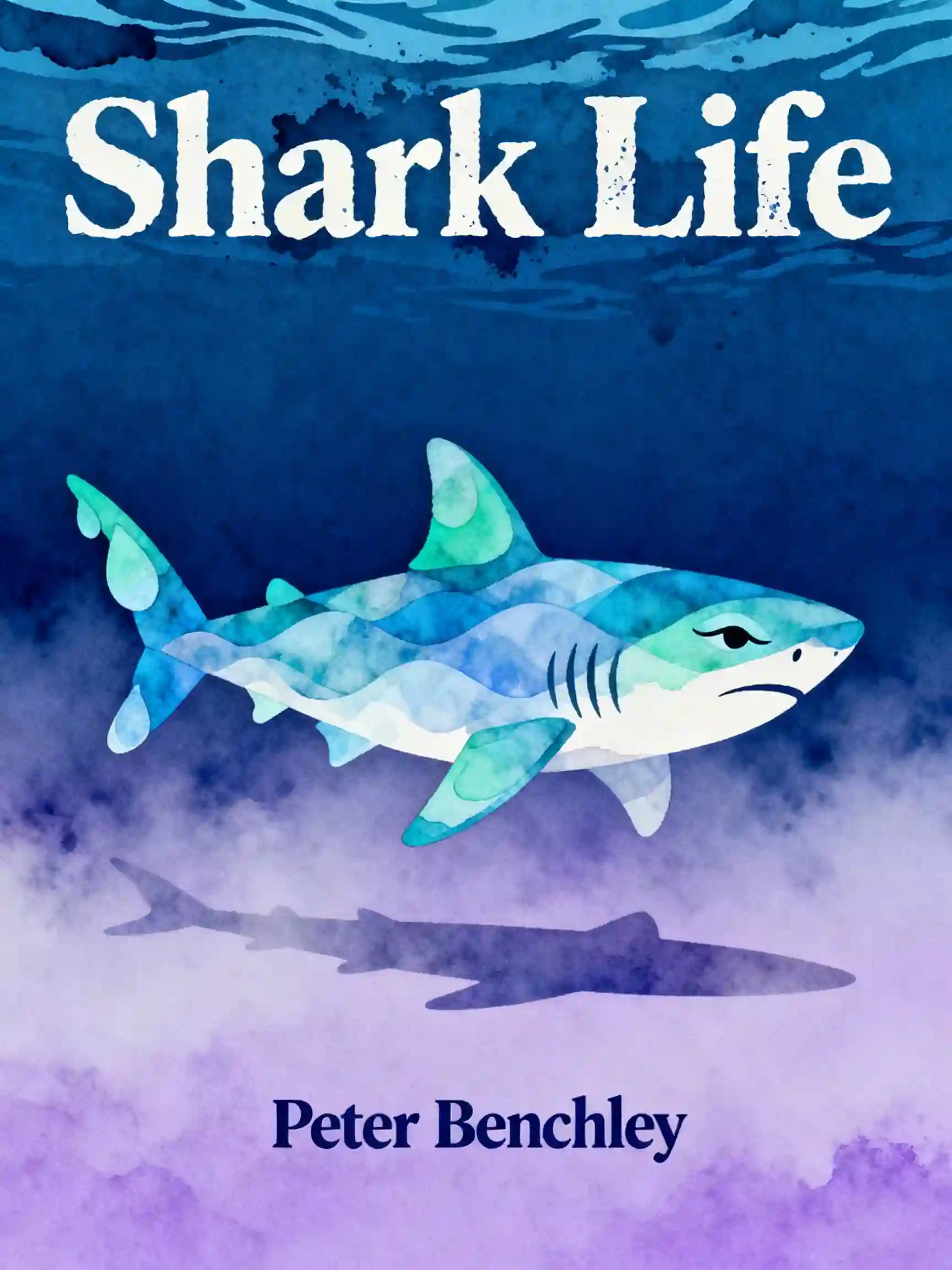
Domande frequenti
Heavy rain flushes nutrients, farm runoff, and wastewater into the harbor, which attracts baitfish and the predators that follow them. This runoff also turns the water murky and tea-colored, creating the perfect environment for bull sharks, which are ambush predators. In turbid water, these sharks rely on hearing and electroreception rather than sight, making them more likely to mistake splashing humans for prey.
Bull sharks are euryhaline, meaning they can survive in both saltwater and freshwater environments. While most sharks would die in freshwater due to their cells swelling, bull sharks have specialized kidneys and rectal glands that perform osmoregulation to balance salt and water. This allows them to travel hundreds of kilometers up river systems and use low-salinity areas, like mangroves, as nurseries for their pups.
Research shows that bull sharks are highly migratory and follow warm water currents. They typically spend winters in the Great Barrier Reef and migrate south to Sydney once the water temperature reaches approximately 20 degrees Celsius. Due to climate change, these warm water windows are staying open longer, resulting in bull sharks spending more time in Sydney's waters each year than in previous decades.
Traditional shark nets are stationary underwater fences that do not create a complete enclosure; they are designed to intercept and reduce the shark population, but they often result in high bycatch of non-target species like rays and turtles. In contrast, SMART drumlines use baited hooks with GPS buoys that alert contractors immediately when a shark is caught. This allows the team to tag and release the shark further out at sea, providing valuable tracking data while being more humane.
To minimize risk, swimmers should avoid the water for several days after heavy rain and stay away from areas with murky water. It is also recommended to avoid swimming at dawn and dusk, which are peak hunting times for sharks. Using the SharkSmart app for real-time alerts, swimming in netted harbor pools, and staying in groups rather than swimming alone are also key safety strategies mentioned by experts.
Creato da alumni della Columbia University a San Francisco
"Instead of endless scrolling, I just hit play on BeFreed. It saves me so much time."


"I never knew where to start with nonfiction—BeFreed’s book lists turned into podcasts gave me a clear path."


"Perfect balance between learning and entertainment. Finished ‘Thinking, Fast and Slow’ on my commute this week."
"Crazy how much I learned while walking the dog. BeFreed = small habits → big gains."
"Reading used to feel like a chore. Now it’s just part of my lifestyle."

"Feels effortless compared to reading. I’ve finished 6 books this month already."
"BeFreed turned my guilty doomscrolling into something that feels productive and inspiring."

"BeFreed turned my commute into learning time. 20-min podcasts are perfect for finishing books I never had time for."
"BeFreed replaced my podcast queue. Imagine Spotify for books — that’s it. 🙌"

"It is great for me to learn something from the book without reading it."
"The themed book list podcasts help me connect ideas across authors—like a guided audio journey."
"Makes me feel smarter every time before going to work"
Creato da alumni della Columbia University a San Francisco
"Instead of endless scrolling, I just hit play on BeFreed. It saves me so much time."
"I never knew where to start with nonfiction—BeFreed’s book lists turned into podcasts gave me a clear path."
"Perfect balance between learning and entertainment. Finished ‘Thinking, Fast and Slow’ on my commute this week."
"Crazy how much I learned while walking the dog. BeFreed = small habits → big gains."
"Reading used to feel like a chore. Now it’s just part of my lifestyle."
"Feels effortless compared to reading. I’ve finished 6 books this month already."
"BeFreed turned my guilty doomscrolling into something that feels productive and inspiring."
"BeFreed turned my commute into learning time. 20-min podcasts are perfect for finishing books I never had time for."
"BeFreed replaced my podcast queue. Imagine Spotify for books — that’s it. 🙌"
"It is great for me to learn something from the book without reading it."
"The themed book list podcasts help me connect ideas across authors—like a guided audio journey."
"Makes me feel smarter every time before going to work"
"Instead of endless scrolling, I just hit play on BeFreed. It saves me so much time."
"I never knew where to start with nonfiction—BeFreed’s book lists turned into podcasts gave me a clear path."
"Perfect balance between learning and entertainment. Finished ‘Thinking, Fast and Slow’ on my commute this week."
"Crazy how much I learned while walking the dog. BeFreed = small habits → big gains."
"Reading used to feel like a chore. Now it’s just part of my lifestyle."
"Feels effortless compared to reading. I’ve finished 6 books this month already."
"BeFreed turned my guilty doomscrolling into something that feels productive and inspiring."
"BeFreed turned my commute into learning time. 20-min podcasts are perfect for finishing books I never had time for."
"BeFreed replaced my podcast queue. Imagine Spotify for books — that’s it. 🙌"
"It is great for me to learn something from the book without reading it."
"The themed book list podcasts help me connect ideas across authors—like a guided audio journey."
"Makes me feel smarter every time before going to work"
"Instead of endless scrolling, I just hit play on BeFreed. It saves me so much time."
"I never knew where to start with nonfiction—BeFreed’s book lists turned into podcasts gave me a clear path."
"Perfect balance between learning and entertainment. Finished ‘Thinking, Fast and Slow’ on my commute this week."
"Crazy how much I learned while walking the dog. BeFreed = small habits → big gains."
"Reading used to feel like a chore. Now it’s just part of my lifestyle."
"Feels effortless compared to reading. I’ve finished 6 books this month already."
"BeFreed turned my guilty doomscrolling into something that feels productive and inspiring."
"BeFreed turned my commute into learning time. 20-min podcasts are perfect for finishing books I never had time for."
"BeFreed replaced my podcast queue. Imagine Spotify for books — that’s it. 🙌"
"It is great for me to learn something from the book without reading it."
"The themed book list podcasts help me connect ideas across authors—like a guided audio journey."
"Makes me feel smarter every time before going to work"


