Revolutionizing Primary Care Headache Management
Transform your approach to migraine care with evidence-based strategies that turn challenging headache visits into successful long-term treatment plans for primary care providers.

Miglior citazione da Revolutionizing Primary Care Headache Management
When treatments work similarly, we need to consider cost as a primary factor, not an afterthought; we're choosing the approach that gives the best chance of success with the least financial burden.

Questa lezione audio è stata creata da un membro della comunità BeFreed
Headache management in primary care with a focus on migraines


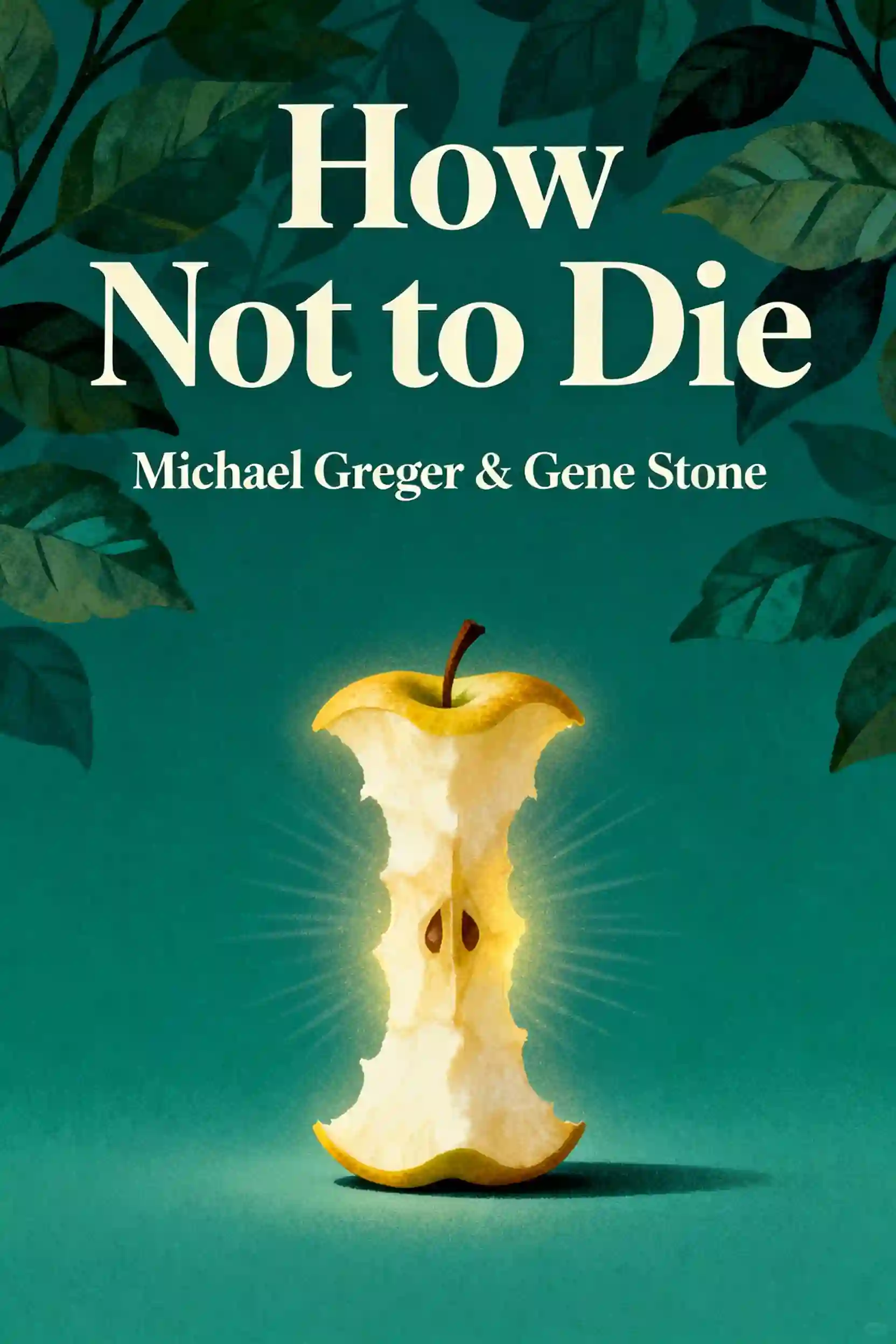
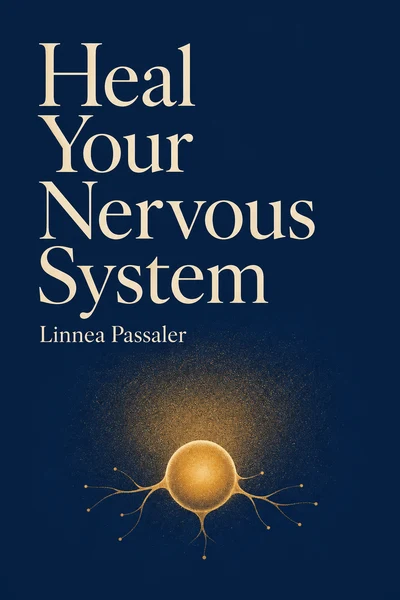
Scopri di più
Modern Clinical Practice: Beyond Foundational Theory
This learning plan is designed for healthcare practitioners looking to modernize their approach by integrating neurobiology and technology. It provides the tools necessary to move beyond standard protocols into a more precise, data-informed era of patient care.

Finding Hope in an Unquiet Mind
This plan is essential for individuals navigating mood disorders and those seeking to understand the science of brain health. It offers a compassionate, evidence-based roadmap for anyone looking to transform clinical knowledge into a sustainable, lived recovery.
Clinical Mastery in Crown Procedures
This learning plan is designed for dental professionals looking to refine their restorative techniques and improve clinical outcomes. It provides a structured approach to crown procedures, from initial planning to final impression management.

Master Head & Neck Anatomy & Clinical Use
This comprehensive plan bridges the gap between foundational anatomy and high-level surgical expertise. It is essential for medical students, residents, and practitioners seeking to master clinical diagnostics and modern neurosurgical techniques.
Managing ADHD & Perimenopause with Self-Care
Women with ADHD face unique challenges during perimenopause as hormonal shifts can intensify executive function difficulties and emotional regulation. This learning plan provides specialized knowledge and practical tools for women navigating this intersection, helping them transform overwhelming symptoms into manageable—even advantageous—experiences.

Medicine and pharmacology: psychopharmacology
This plan provides a comprehensive bridge between neuroscience and clinical practice. It is ideal for medical students, healthcare professionals, or researchers looking to master the complexities of psychiatric drug mechanisms and modern treatment strategies.
New research in cardiometabolic disease
As chronic diseases become increasingly complex, understanding the synergy between heart health and metabolic function is essential for modern healthcare providers. This plan is designed for clinicians and researchers looking to bridge the gap between molecular mechanisms and practical clinical translation.

Getting into a better head space
This learning plan is designed for anyone feeling overwhelmed by stress or trapped in cycles of negative thinking. It provides a comprehensive roadmap from foundational mindfulness to advanced cognitive restructuring, making it essential for building long-term emotional resilience.
Creato da alumni della Columbia University a San Francisco
"Instead of endless scrolling, I just hit play on BeFreed. It saves me so much time."


"I never knew where to start with nonfiction—BeFreed’s book lists turned into podcasts gave me a clear path."


"Perfect balance between learning and entertainment. Finished ‘Thinking, Fast and Slow’ on my commute this week."
"Crazy how much I learned while walking the dog. BeFreed = small habits → big gains."
"Reading used to feel like a chore. Now it’s just part of my lifestyle."

"Feels effortless compared to reading. I’ve finished 6 books this month already."
"BeFreed turned my guilty doomscrolling into something that feels productive and inspiring."

"BeFreed turned my commute into learning time. 20-min podcasts are perfect for finishing books I never had time for."
"BeFreed replaced my podcast queue. Imagine Spotify for books — that’s it. 🙌"

"It is great for me to learn something from the book without reading it."
"The themed book list podcasts help me connect ideas across authors—like a guided audio journey."
"Makes me feel smarter every time before going to work"
Creato da alumni della Columbia University a San Francisco
"Instead of endless scrolling, I just hit play on BeFreed. It saves me so much time."
"I never knew where to start with nonfiction—BeFreed’s book lists turned into podcasts gave me a clear path."
"Perfect balance between learning and entertainment. Finished ‘Thinking, Fast and Slow’ on my commute this week."
"Crazy how much I learned while walking the dog. BeFreed = small habits → big gains."
"Reading used to feel like a chore. Now it’s just part of my lifestyle."
"Feels effortless compared to reading. I’ve finished 6 books this month already."
"BeFreed turned my guilty doomscrolling into something that feels productive and inspiring."
"BeFreed turned my commute into learning time. 20-min podcasts are perfect for finishing books I never had time for."
"BeFreed replaced my podcast queue. Imagine Spotify for books — that’s it. 🙌"
"It is great for me to learn something from the book without reading it."
"The themed book list podcasts help me connect ideas across authors—like a guided audio journey."
"Makes me feel smarter every time before going to work"
"Instead of endless scrolling, I just hit play on BeFreed. It saves me so much time."
"I never knew where to start with nonfiction—BeFreed’s book lists turned into podcasts gave me a clear path."
"Perfect balance between learning and entertainment. Finished ‘Thinking, Fast and Slow’ on my commute this week."
"Crazy how much I learned while walking the dog. BeFreed = small habits → big gains."
"Reading used to feel like a chore. Now it’s just part of my lifestyle."
"Feels effortless compared to reading. I’ve finished 6 books this month already."
"BeFreed turned my guilty doomscrolling into something that feels productive and inspiring."
"BeFreed turned my commute into learning time. 20-min podcasts are perfect for finishing books I never had time for."
"BeFreed replaced my podcast queue. Imagine Spotify for books — that’s it. 🙌"
"It is great for me to learn something from the book without reading it."
"The themed book list podcasts help me connect ideas across authors—like a guided audio journey."
"Makes me feel smarter every time before going to work"
"Instead of endless scrolling, I just hit play on BeFreed. It saves me so much time."
"I never knew where to start with nonfiction—BeFreed’s book lists turned into podcasts gave me a clear path."
"Perfect balance between learning and entertainment. Finished ‘Thinking, Fast and Slow’ on my commute this week."
"Crazy how much I learned while walking the dog. BeFreed = small habits → big gains."
"Reading used to feel like a chore. Now it’s just part of my lifestyle."
"Feels effortless compared to reading. I’ve finished 6 books this month already."
"BeFreed turned my guilty doomscrolling into something that feels productive and inspiring."
"BeFreed turned my commute into learning time. 20-min podcasts are perfect for finishing books I never had time for."
"BeFreed replaced my podcast queue. Imagine Spotify for books — that’s it. 🙌"
"It is great for me to learn something from the book without reading it."
"The themed book list podcasts help me connect ideas across authors—like a guided audio journey."
"Makes me feel smarter every time before going to work"





![[PDF] Evidence-Based Biopsychosocial Treatment of Chronic ... - IASP](/_next/image?url=https%3A%2F%2Fd1y2du6z1jfm9e.cloudfront.net%2Fassets%2Fpodcast%2Fblue.png&w=1024&q=50)