Rethinking Lipid Management for Family Medicine
Challenge traditional lipid screening assumptions and discover streamlined, evidence-based approaches that actually work in busy family practice settings.

Miglior citazione da Rethinking Lipid Management for Family Medicine
We're treating people, not numbers. Perfect cholesterol numbers aren't the goal—cardiovascular risk reduction is.

Questa lezione audio è stata creata da un membro della comunità BeFreed
Lipid mgmt for a family medicine physician

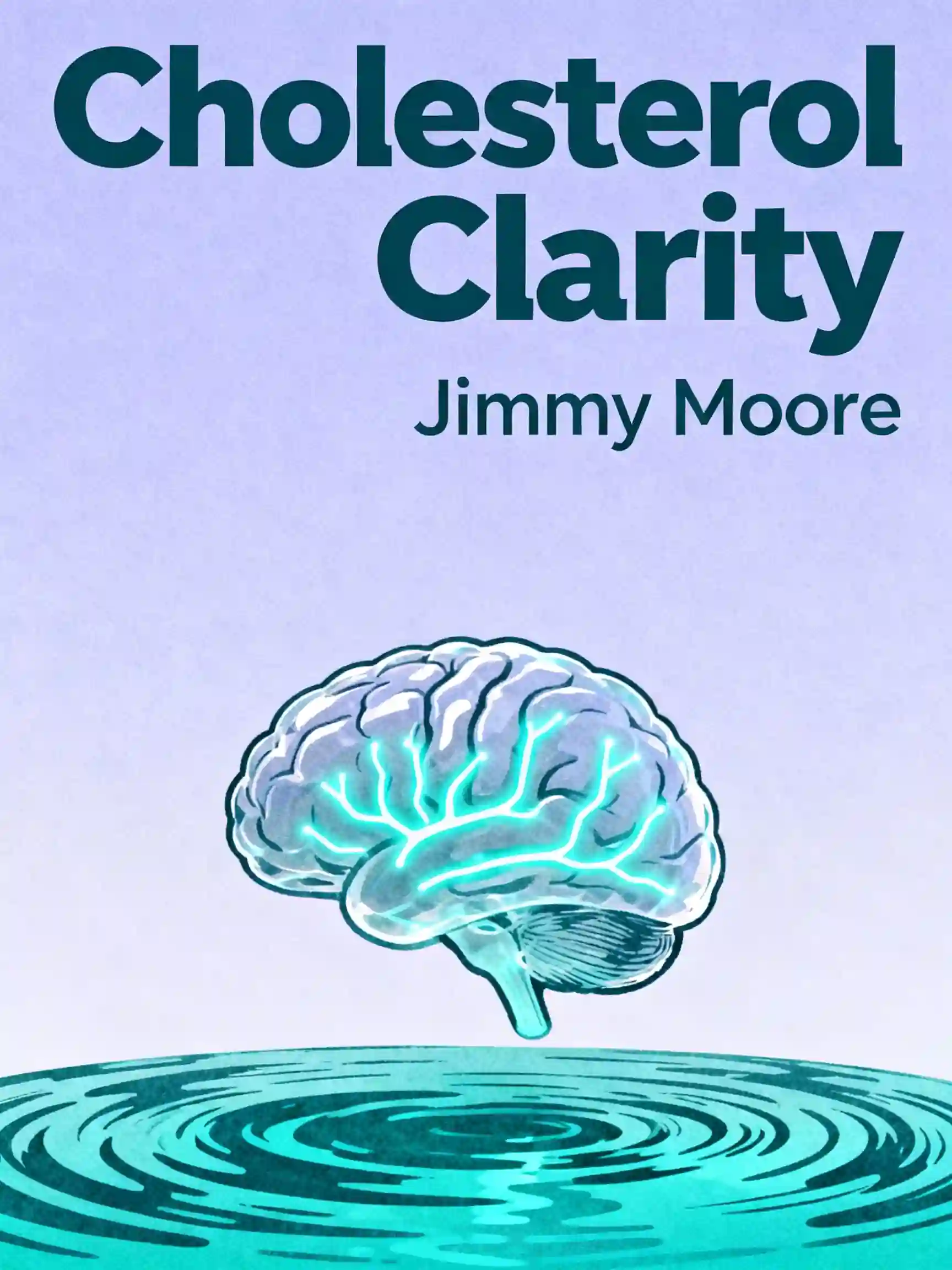
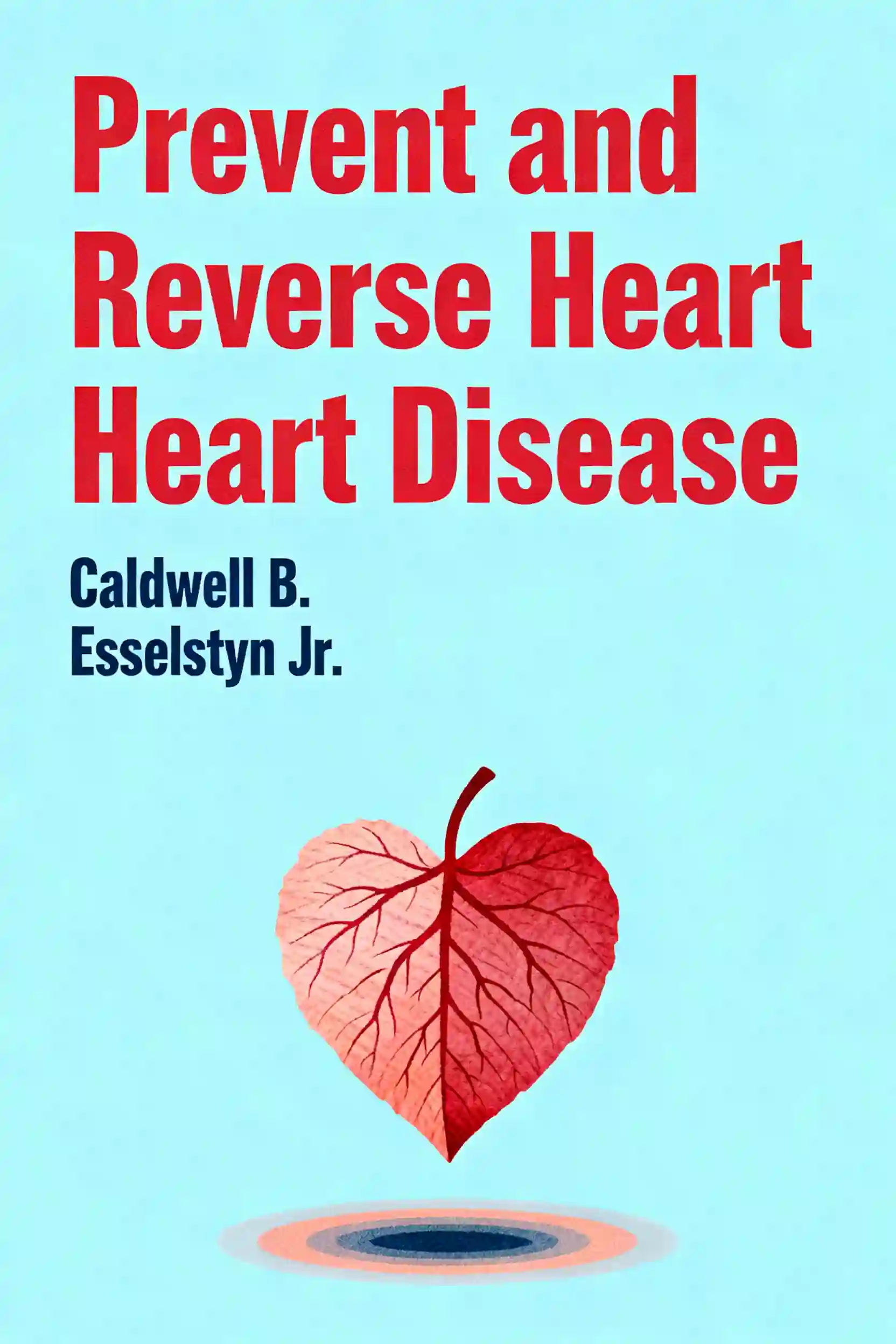
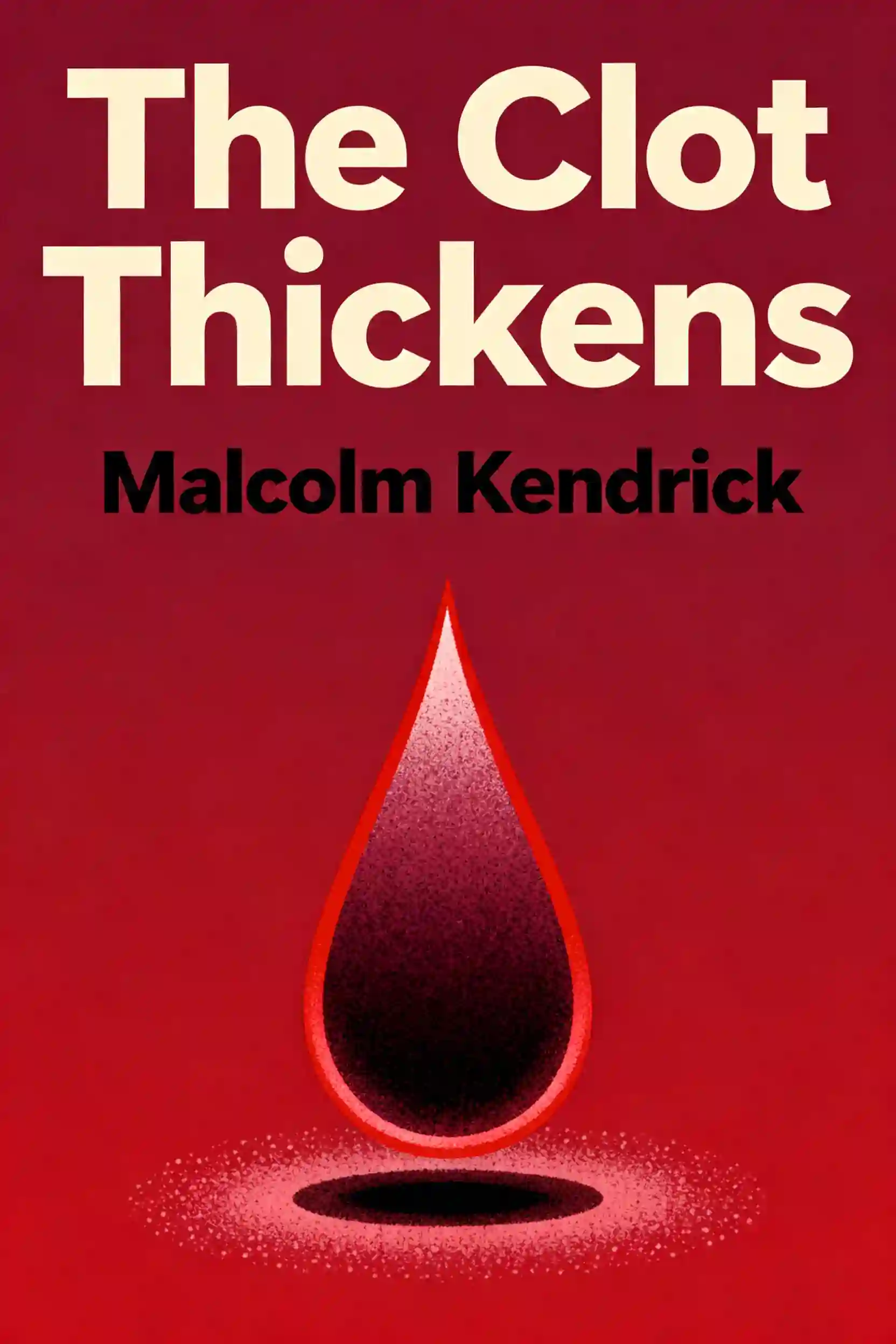
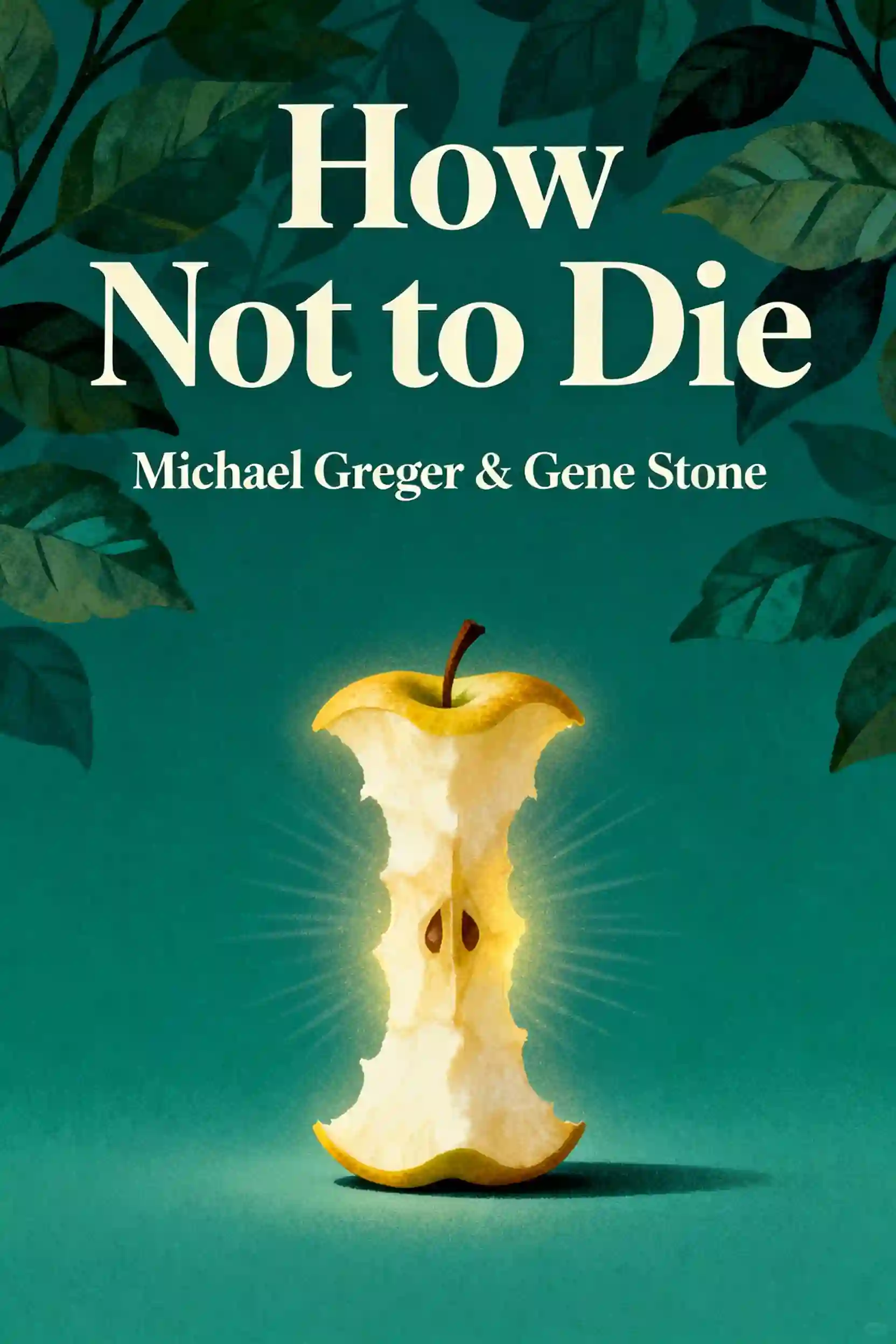
Scopri di più
Lower BP, clean arteries & better nutrition
Cardiovascular disease remains a leading health challenge, yet it is largely manageable through informed lifestyle choices. This plan is ideal for individuals seeking to proactively manage their blood pressure and arterial health using science-backed nutritional and optimization strategies.
New research in cardiometabolic disease
As chronic diseases become increasingly complex, understanding the synergy between heart health and metabolic function is essential for modern healthcare providers. This plan is designed for clinicians and researchers looking to bridge the gap between molecular mechanisms and practical clinical translation.

Clinical Guide to Alpha Lipoic Acid
This guide is essential for healthcare practitioners seeking to master the therapeutic potential of alpha lipoic acid. It bridges the gap between biochemical theory and advanced clinical practice for managing chronic metabolic and liver conditions.
Reverse T2D via lifestyle & CGM hacks
This learning plan is designed for healthcare practitioners, health coaches, and diabetes educators who want to help patients reverse type 2 diabetes through lifestyle interventions rather than medication alone. It combines cutting-edge metabolic science with proven behavioral psychology techniques, making it ideal for professionals creating online courses or coaching programs focused on sustainable diabetes reversal and long-term patient success.

The Longevity Toolkit
Modern medicine often focuses on treating symptoms rather than preventing root causes. This toolkit is essential for health-conscious individuals and high-performers who want to master their metabolism and skeletal health for a longer, more vibrant life.

Lose weight
This plan is designed for individuals tired of fad diets who want a science-based approach to body transformation. It combines metabolic education with psychological tools to help anyone build a lifestyle where healthy choices become effortless.

Starting glp
This plan provides a comprehensive roadmap for individuals considering or beginning GLP-1 therapy. It is essential for patients and health-conscious individuals who want to combine clinical treatment with sustainable lifestyle integration.
The Sustainable Weight Loss Shift
This plan is designed for individuals tired of the cycle of restrictive dieting and seeking a psychology-based approach to health. It focuses on biological feedback and environmental design rather than willpower, making it ideal for those wanting a permanent lifestyle transformation.
Creato da alumni della Columbia University a San Francisco
"Instead of endless scrolling, I just hit play on BeFreed. It saves me so much time."


"I never knew where to start with nonfiction—BeFreed’s book lists turned into podcasts gave me a clear path."


"Perfect balance between learning and entertainment. Finished ‘Thinking, Fast and Slow’ on my commute this week."
"Crazy how much I learned while walking the dog. BeFreed = small habits → big gains."
"Reading used to feel like a chore. Now it’s just part of my lifestyle."

"Feels effortless compared to reading. I’ve finished 6 books this month already."
"BeFreed turned my guilty doomscrolling into something that feels productive and inspiring."

"BeFreed turned my commute into learning time. 20-min podcasts are perfect for finishing books I never had time for."
"BeFreed replaced my podcast queue. Imagine Spotify for books — that’s it. 🙌"

"It is great for me to learn something from the book without reading it."
"The themed book list podcasts help me connect ideas across authors—like a guided audio journey."
"Makes me feel smarter every time before going to work"
Creato da alumni della Columbia University a San Francisco
"Instead of endless scrolling, I just hit play on BeFreed. It saves me so much time."
"I never knew where to start with nonfiction—BeFreed’s book lists turned into podcasts gave me a clear path."
"Perfect balance between learning and entertainment. Finished ‘Thinking, Fast and Slow’ on my commute this week."
"Crazy how much I learned while walking the dog. BeFreed = small habits → big gains."
"Reading used to feel like a chore. Now it’s just part of my lifestyle."
"Feels effortless compared to reading. I’ve finished 6 books this month already."
"BeFreed turned my guilty doomscrolling into something that feels productive and inspiring."
"BeFreed turned my commute into learning time. 20-min podcasts are perfect for finishing books I never had time for."
"BeFreed replaced my podcast queue. Imagine Spotify for books — that’s it. 🙌"
"It is great for me to learn something from the book without reading it."
"The themed book list podcasts help me connect ideas across authors—like a guided audio journey."
"Makes me feel smarter every time before going to work"
"Instead of endless scrolling, I just hit play on BeFreed. It saves me so much time."
"I never knew where to start with nonfiction—BeFreed’s book lists turned into podcasts gave me a clear path."
"Perfect balance between learning and entertainment. Finished ‘Thinking, Fast and Slow’ on my commute this week."
"Crazy how much I learned while walking the dog. BeFreed = small habits → big gains."
"Reading used to feel like a chore. Now it’s just part of my lifestyle."
"Feels effortless compared to reading. I’ve finished 6 books this month already."
"BeFreed turned my guilty doomscrolling into something that feels productive and inspiring."
"BeFreed turned my commute into learning time. 20-min podcasts are perfect for finishing books I never had time for."
"BeFreed replaced my podcast queue. Imagine Spotify for books — that’s it. 🙌"
"It is great for me to learn something from the book without reading it."
"The themed book list podcasts help me connect ideas across authors—like a guided audio journey."
"Makes me feel smarter every time before going to work"
"Instead of endless scrolling, I just hit play on BeFreed. It saves me so much time."
"I never knew where to start with nonfiction—BeFreed’s book lists turned into podcasts gave me a clear path."
"Perfect balance between learning and entertainment. Finished ‘Thinking, Fast and Slow’ on my commute this week."
"Crazy how much I learned while walking the dog. BeFreed = small habits → big gains."
"Reading used to feel like a chore. Now it’s just part of my lifestyle."
"Feels effortless compared to reading. I’ve finished 6 books this month already."
"BeFreed turned my guilty doomscrolling into something that feels productive and inspiring."
"BeFreed turned my commute into learning time. 20-min podcasts are perfect for finishing books I never had time for."
"BeFreed replaced my podcast queue. Imagine Spotify for books — that’s it. 🙌"
"It is great for me to learn something from the book without reading it."
"The themed book list podcasts help me connect ideas across authors—like a guided audio journey."
"Makes me feel smarter every time before going to work"







![[PDF] Bright Spots & Landmines - diaTribe.org](/_next/image?url=https%3A%2F%2Fd1y2du6z1jfm9e.cloudfront.net%2Fassets%2Fpodcast%2Fblue.png&w=1024&q=50)