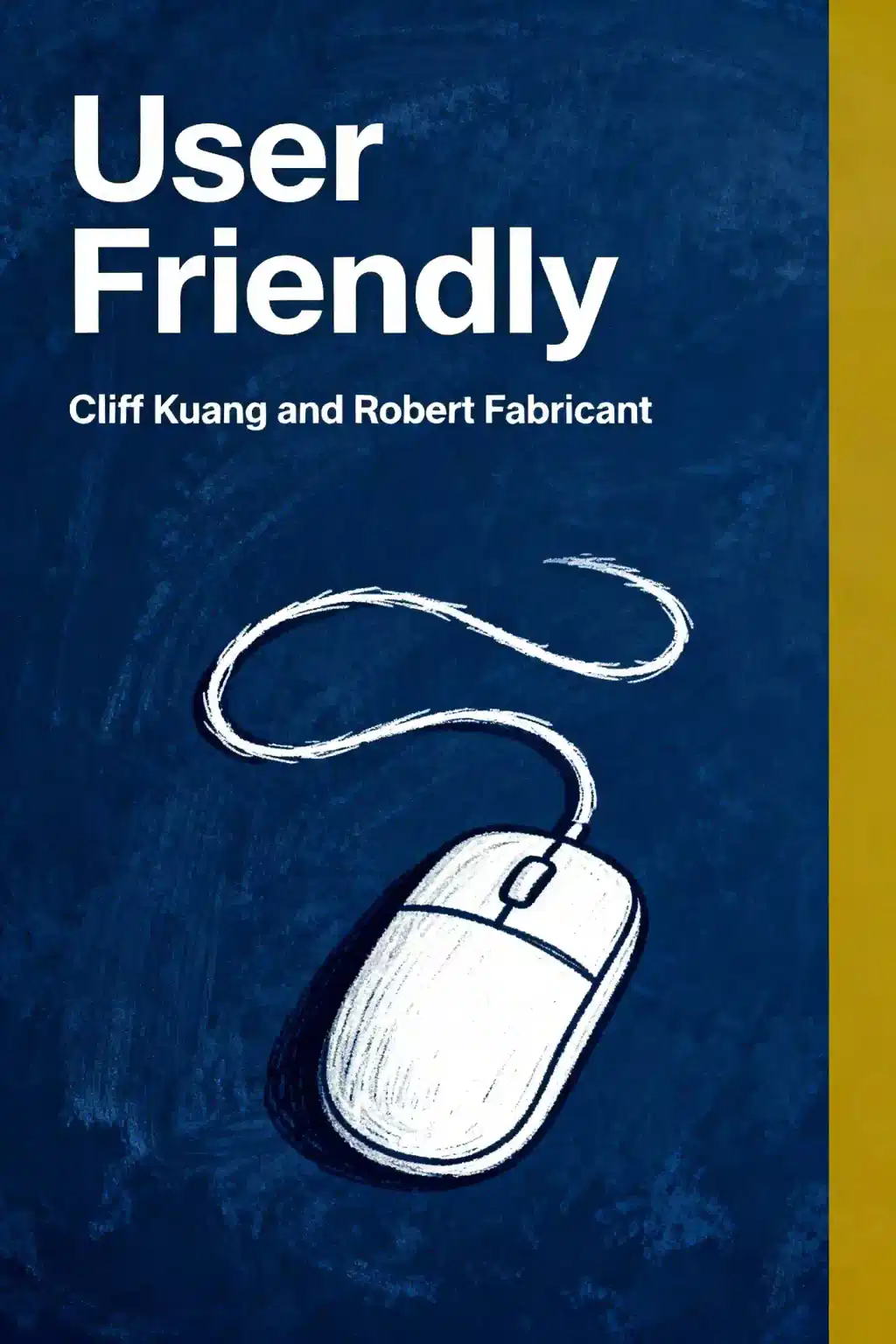
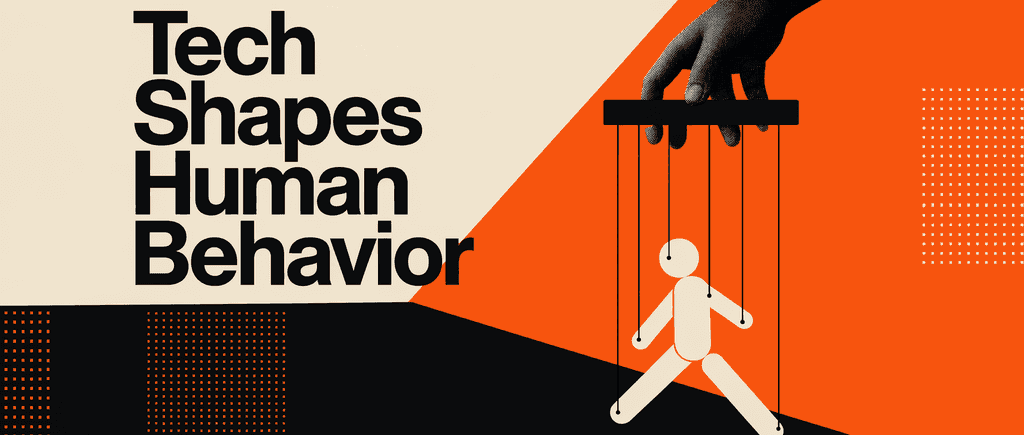
"User Friendly" reveals how design invisibly shapes our lives, tracing UX from 1920s feminism through Silicon Valley's rise. A foundational text for understanding our relationship with technology, it challenges designers to create products that prioritize human well-being over addictive interfaces.
Senti il libro attraverso la voce dell'autore
Trasforma la conoscenza in spunti coinvolgenti e ricchi di esempi
Cattura le idee chiave in un lampo per un apprendimento veloce
Goditi il libro in modo divertente e coinvolgente
On March 28, 1979, Fred Scheimann narrowly escaped death when a pipe burst in the basement of Three Mile Island nuclear facility. Above him, operators faced a nightmare: eleven hundred dials, six hundred warning lights, and critical information hidden from view. When the PORV valve malfunctioned, its indicator light showed only that a switch had been flipped-not whether the valve had actually closed. As the reactor core reached 4,300 degrees, instruments displayed only "???" instead of readings. Operators, drowning in information yet starving for understanding, made a catastrophic decision to shut off emergency pumps. They came within 700 degrees of a meltdown that would have sent radioactive material into the atmosphere. This wasn't just a nuclear crisis-it was a design crisis. The same fundamental problem plagues your smartphone, your car dashboard, your cable box. When machines fail to communicate clearly with humans, the consequences range from mild frustration to catastrophic failure. Donald Norman, who investigated Three Mile Island and later coined the term "user experience," recognized something profound: humans might make errors, but they aren't wrong. Designers must accommodate human limitations rather than expect perfect behavior. Today's redesigned control room at Three Mile Island tells a different story-consistent indicators, visible information, and systems mapped to mirror physical reality. This transformation represents our journey from machines that doom us to make mistakes to a world where even advanced AI feels intuitive.
Scomponi le idee chiave di User Friendly in punti facili da capire per comprendere come i team innovativi creano, collaborano e crescono.
Distilla User Friendly in rapidi promemoria che evidenziano i principi chiave di franchezza, lavoro di squadra e resilienza creativa.

Vivi User Friendly attraverso narrazioni vivide che trasformano le lezioni di innovazione in momenti che ricorderai e applicherai.
Chiedi qualsiasi cosa, scegli la voce e co-crea spunti che risuonino davvero con te.

Creato da alumni della Columbia University a San Francisco
"Instead of endless scrolling, I just hit play on BeFreed. It saves me so much time."
"I never knew where to start with nonfiction—BeFreed’s book lists turned into podcasts gave me a clear path."
"Perfect balance between learning and entertainment. Finished ‘Thinking, Fast and Slow’ on my commute this week."
"Crazy how much I learned while walking the dog. BeFreed = small habits → big gains."
"Reading used to feel like a chore. Now it’s just part of my lifestyle."
"Feels effortless compared to reading. I’ve finished 6 books this month already."
"BeFreed turned my guilty doomscrolling into something that feels productive and inspiring."
"BeFreed turned my commute into learning time. 20-min podcasts are perfect for finishing books I never had time for."
"BeFreed replaced my podcast queue. Imagine Spotify for books — that’s it. 🙌"
"It is great for me to learn something from the book without reading it."
"The themed book list podcasts help me connect ideas across authors—like a guided audio journey."
"Makes me feel smarter every time before going to work"
Creato da alumni della Columbia University a San Francisco

Ottieni il riassunto di User Friendly in formato PDF o EPUB gratuito. Stampalo o leggilo offline quando vuoi.