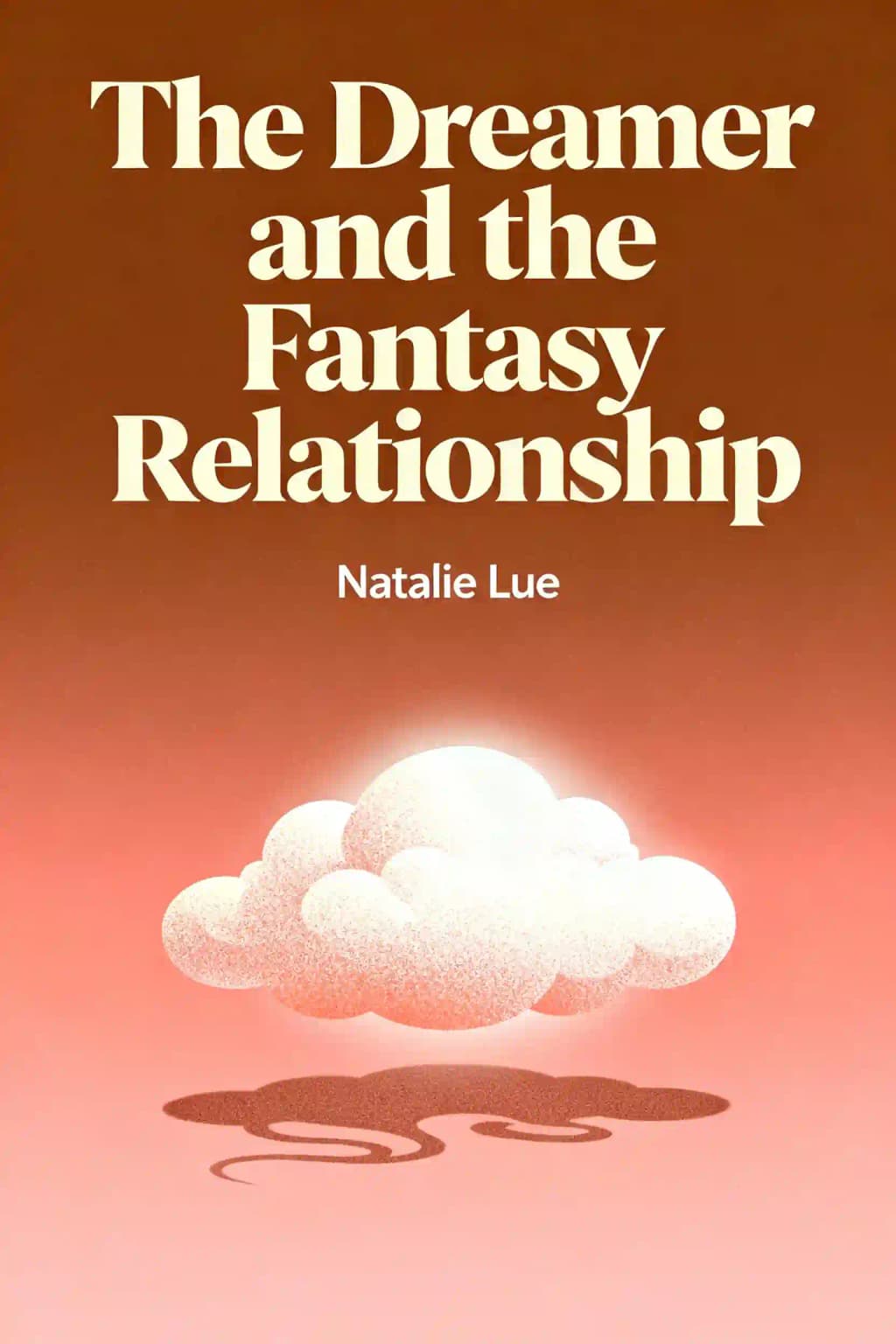
Trapped in fantasy relationships? Natalie Lue's eye-opening guide exposes how social media fuels romantic illusions. Discover why readers call it "light in a dark room" and learn to spot "future faking" - the tactic unavailable partners use to keep you dreaming instead of living.
Natalie Lue, author of The Dreamer and the Fantasy Relationship, is a self-help expert and relationship strategist renowned for her candid, compassionate approach to dismantling emotional patterns.
Drawing from her own journey overcoming people-pleasing and toxic relationship dynamics, Lue’s work centers on themes of emotional availability, self-worth, and breaking free from unrealistic romantic fantasies. A pioneering voice in modern relationship psychology, she self-published this book alongside other titles like Mr. Unavailable and the Fallback Girl and The No Contact Rule, which have collectively sold over 150,000 copies.
Her insights are amplified through her long-running blog Baggage Reclaim and the Baggage Reclaim Sessions podcast, which boasts over 4.5 million downloads. Lue’s expertise has been featured in The New York Times, NPR, and the BBC, cementing her status as a trusted authority.
Her latest HarperCollins-published book, The Joy of Saying No, further expands her boundary-setting framework used by readers in over 140 countries.
The Dreamer and the Fantasy Relationship explores how women unconsciously sustain unrealistic romantic fantasies with emotionally unavailable partners. Natalie Lue dismantles patterns of accepting crumbs of attention (like sporadic texts or vague promises) and guides readers toward building authentic, reciprocal relationships through self-awareness and boundaries.
This book suits women stuck in unsatisfying relationships marked by mixed signals, unreciprocated effort, or virtual-only interactions (e.g., texting without commitment). It’s particularly relevant for those who rationalize poor treatment or cling to potential instead of reality.
Yes, for its actionable framework to break cycles of wishful thinking. Readers gain tools to identify emotional unavailability, reject “fantasy bonds,” and prioritize mutual respect—making it valuable for rebuilding self-esteem and avoiding repeated disappointments.
Key ideas include:
Lue defines it as a one-sided dynamic where someone sustains false intimacy through assumptions, projections, or digital interactions (texts, social media). These relationships lack mutual investment, accountability, or real-world commitment, trapping individuals in hopeful delusion.
It addresses pitfalls of digital communication (e.g., “breadcrumbing” via texts) and teaches readers to discern genuine interest from lazy, low-effort behavior—a critical skill in today’s casual dating culture.
Some may find its focus on heterosexual dynamics outdated. Additionally, its direct tone might overwhelm readers new to self-help, though this candidness is praised for accelerating personal growth.
It complements Mr Unavailable and the Fallback Girl by examining women’s role in perpetuating unsatisfying relationships. Both books stress self-accountability, but The Dreamer specifically targets fantasy-driven patterns.
Yes—its lessons on boundary-setting and rejecting emotional unavailability apply to all relationships. Readers learn to avoid overgiving or excusing others’ neglect, fostering healthier connections.
As virtual communication and casual relationships remain prevalent, Lue’s insights help navigate ambiguity in texts, social media, and situationships—empowering readers to demand clarity and respect.
Senti il libro attraverso la voce dell'autore
Trasforma la conoscenza in spunti coinvolgenti e ricchi di esempi
Cattura le idee chiave in un lampo per un apprendimento veloce
Goditi il libro in modo divertente e coinvolgente
Understanding fantasy relationships is essential to building real ones.
Fantasy relationships exist primarily in your imagination.
Dreamers carry profound fears of intimacy.
Shoppers collect attention without offering genuine connection.
The fantasy becomes more comfortable than reality.
Scomponi le idee chiave di The dreamer and the fantasy relationship in punti facili da capire per comprendere come i team innovativi creano, collaborano e crescono.
Distilla The dreamer and the fantasy relationship in rapidi promemoria che evidenziano i principi chiave di franchezza, lavoro di squadra e resilienza creativa.

Vivi The dreamer and the fantasy relationship attraverso narrazioni vivide che trasformano le lezioni di innovazione in momenti che ricorderai e applicherai.
Chiedi qualsiasi cosa, scegli la voce e co-crea spunti che risuonino davvero con te.

Creato da alumni della Columbia University a San Francisco
"Instead of endless scrolling, I just hit play on BeFreed. It saves me so much time."
"I never knew where to start with nonfiction—BeFreed’s book lists turned into podcasts gave me a clear path."
"Perfect balance between learning and entertainment. Finished ‘Thinking, Fast and Slow’ on my commute this week."
"Crazy how much I learned while walking the dog. BeFreed = small habits → big gains."
"Reading used to feel like a chore. Now it’s just part of my lifestyle."
"Feels effortless compared to reading. I’ve finished 6 books this month already."
"BeFreed turned my guilty doomscrolling into something that feels productive and inspiring."
"BeFreed turned my commute into learning time. 20-min podcasts are perfect for finishing books I never had time for."
"BeFreed replaced my podcast queue. Imagine Spotify for books — that’s it. 🙌"
"It is great for me to learn something from the book without reading it."
"The themed book list podcasts help me connect ideas across authors—like a guided audio journey."
"Makes me feel smarter every time before going to work"
Creato da alumni della Columbia University a San Francisco

Ottieni il riassunto di The dreamer and the fantasy relationship in formato PDF o EPUB gratuito. Stampalo o leggilo offline quando vuoi.
Have you ever found yourself analyzing texts from someone you barely know, constructing elaborate futures with people you've hardly dated, or obsessing over brief encounters? You're caught in what Natalie Lue calls a "fantasy relationship" - a connection that exists primarily in your imagination rather than reality. These relationships thrive on minimal interaction but maximum mental investment, creating the illusion of intimacy without vulnerability. In today's digital world, where technology enables connection without commitment, these fantasy bonds have become increasingly common. They're seductive precisely because they offer emotional fulfillment without the messiness of real relationships - no rejection, no disappointment, no conflict. Yet they extract a devastating cost: your time, energy, and opportunity for genuine connection. Fantasy relationships come in distinct forms, each with unique warning signs. "Virtual" relationships exist primarily through texts or online messages, creating an illusion of depth without in-person interaction. "Crushes" involve building elaborate scenarios around minimal contact with someone who may not reciprocate your feelings. "Projection Projects" happen when you attribute qualities to someone based on your desires rather than their actual behavior. "Orbiters" maintain emotional attachment to fundamentally unavailable people - celebrities, exes, or those who've clearly moved on.