Capitolo 1
The Revolution of Natural Movement: Rediscovering Our Physical Heritage
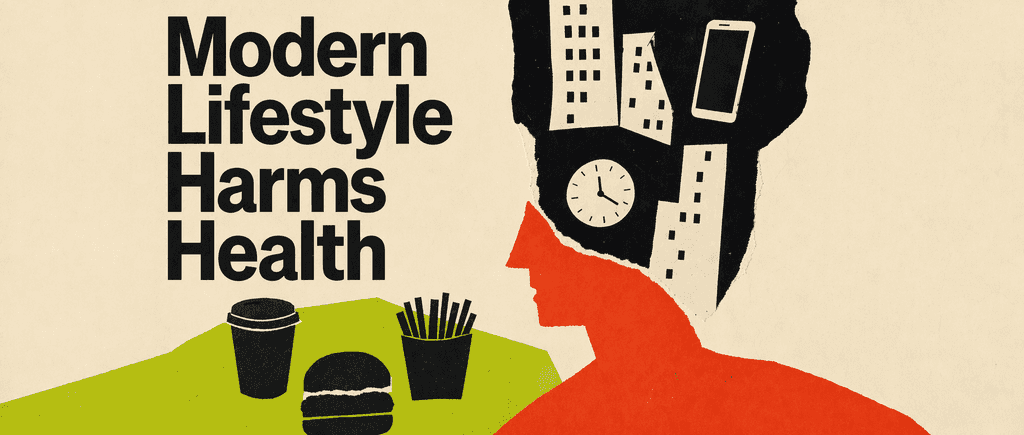
When Katy Bowman's book "Movement Matters" first appeared in 2016, it wasn't just another fitness manual-it was a radical manifesto challenging our entire relationship with physical movement. The book quickly gained cult status among physiotherapists, biomechanists, and progressive health professionals. Celebrities like Olivia Wilde and Shailene Woodley have praised Bowman's approach, with Woodley specifically citing how it transformed her understanding of everyday movement. What makes this work so compelling isn't just its scientific foundation but its revolutionary premise: that our modern sedentary lifestyle isn't merely unhealthy-it's fundamentally disconnected from our biological heritage and is actively reshaping both our bodies and our planet.
Capitolo 2
Beyond Exercise: Movement as Essential Nourishment
Movement isn't just something we do-it's something we are. Our bodies evolved through constant, varied motion that served multiple purposes simultaneously. When we moved to gather food, we weren't just "exercising"-we were participating in an intricate dance of survival that shaped our physiology.
The distinction between exercise and movement is crucial. Exercise is an isolated activity performed specifically for health benefits, while movement encompasses all the ways our bodies interact with the world. It's the difference between walking on a treadmill for thirty minutes versus walking to the market to gather ingredients for dinner. Though the muscular actions might be identical, the context and purpose create entirely different experiences.
Modern fitness culture has reduced movement to a checkbox on our daily to-do list-something to endure before returning to our "real" sedentary lives. We've been taught that if we just squeeze in our recommended 150 minutes of moderate activity per week, we've fulfilled our movement "requirements." But this approach fundamentally misunderstands human physiology.
Our bodies don't just need occasional bursts of exercise-they need constant, varied movement throughout the day. Every cell in our body depends on movement for optimal function. When we sit for hours, even if we've completed our morning workout, we're still depriving our bodies of essential mechanical inputs. It's like eating a multivitamin in the morning and then consuming nothing but sugar for the rest of the day.
This movement deficiency manifests in countless health problems. Our grip strength has declined significantly compared to previous generations. Our pelvic floors weaken without the varied squatting movements that once defined human life. Our vision deteriorates as we focus exclusively on screens at arm's length rather than scanning distant horizons. These aren't just inconveniences-they're signs that our bodies are adapting to a movement environment that doesn't support optimal function.
The solution isn't more intense exercise regimens but a fundamental rethinking of movement's role in our lives. We need to recognize movement as an essential nutrient-something our bodies require continuously throughout the day in varied forms. Just as we've begun to understand that processed foods lack the complex nutritional profile of whole foods, we must recognize that isolated exercise sessions lack the rich movement nutrition of an integrated, movement-filled life.
Capitolo 3
The Outsourcing Epidemic: How Convenience Shapes Our Bodies
What we call "convenience" is often just another word for movement reduction. Each time-saving device in our modern world-from electric car door unlockers to tea bags-represents a tiny piece of movement we've eliminated from our lives. Individually, these conveniences seem insignificant, but collectively, they've transformed human existence from one defined by constant physical engagement to one characterized by unprecedented stillness.
This outsourcing of movement extends far beyond obvious examples like driving instead of walking. Consider the simple act of making tea. Traditional tea preparation involved growing plants, harvesting leaves, drying them, crushing them, and steeping them in hot water-each step requiring distinct movements that engaged different parts of the body. Today, we simply drop a pre-packaged tea bag into hot water, eliminating dozens of movements our ancestors would have performed.
Food preparation illustrates this transformation dramatically. Where humans once spent hours grinding grains, chopping vegetables, and tenderizing meat-activities that provided varied mechanical inputs to our bodies-we now microwave pre-packaged meals with the press of a button. We've outsourced the physical labor of food preparation to factories and machines, and our bodies reflect this change.
Even our children demonstrate this movement deficit. Schools report that many children now struggle to eat whole apples, finding them "too much work" compared to pre-sliced, packaged alternatives. Their jaw muscles haven't developed the necessary strength through regular use. Rather than recognizing this as a warning sign, we've responded by creating more processed, easy-to-eat foods, further reducing the movement demands on young bodies.
This outsourcing creates a troubling paradox: the less we move, the less capable of movement we become, creating a downward spiral of decreasing physical capacity. As our movement abilities diminish, we create more technologies to compensate, which further reduces our movement, continuing the cycle.
The consequences extend beyond individual health. Our movement outsourcing creates ecological burdens as industries respond with plastic packaging and energy-intensive processing. It also perpetuates global inequalities-if you're not moving to meet your needs, someone else is moving for you, often under exploitative conditions. Our sedentary lifestyle doesn't exist in isolation; it depends on a global network of movement performed by others.
Recognizing this outsourcing is the first step toward reclaiming our movement heritage. Each convenience represents a choice-one we can reconsider with new awareness of its true costs.
Capitolo 4
The Science of Movement: More Complex Than We Thought
Our understanding of human movement has been limited by our scientific models. Early biomechanical research treated the body as a collection of isolated parts-muscles that contract, joints that articulate, bones that support. This reductive approach yielded valuable insights but missed the interconnected nature of movement within living systems.
Consider how we've traditionally understood muscle function. Basic models describe muscles simply contracting and relaxing to move joints. But research reveals a far more complex reality-muscles don't just shorten lengthwise during contraction; they also expand radially, affecting surrounding tissues. This radial expansion explains how contracting muscles influence blood vessels embedded within them, creating a mechanical pump that aids circulation.
Even more fascinating is how our bodies adapt to movement patterns over time. When you habitually position your body in certain ways, your muscles physically change their structure. Your body will add or remove sarcomeres (the basic contractile units within muscle fibers) based on how you typically use your muscles. If you consistently sit with bent knees, your hamstrings will adapt by removing sarcomeres, making it harder to straighten your legs fully. Your body literally rebuilds itself around your movement habits.
This adaptability extends to our skeletal structure as well. Bones aren't fixed, unchangeable structures-they're dynamic tissues that respond to the forces they experience. Just as trees grow thicker branches in response to wind, our bones develop greater density and strength in response to mechanical loading. When we remove these forces through sedentary living, our bones become less dense and more prone to fracture.
The "obstetrical dilemma" theory provides a perfect example of how limited scientific models can lead to mistaken conclusions. For decades, scientists believed that human birth is difficult because our evolution for bipedal walking created a trade-off: a wider pelvis would make childbirth easier but walking more energy-intensive. Recent research has thoroughly debunked this theory. When scientists created more comprehensive models including not just the pelvis and femur but also the shank, ankle, and foot, they discovered that a wider pelvis doesn't actually reduce walking efficiency. Our simplified model had led us astray.
Even our understanding of cellular movement has been limited by research methods. Studying cells in artificial 2D environments revealed certain movement mechanisms, but only when researchers began examining cells in more natural 3D matrices did they discover entirely new forms of cellular locomotion, including a "nuclear piston" movement never seen in traditional lab settings.
These examples demonstrate how our scientific understanding of movement continues to evolve. The more comprehensively we study movement within natural contexts, the more we recognize its complexity and importance. Movement isn't just a mechanical process-it's a fundamental aspect of life that influences every level of our biology in ways we're still discovering.
Capitolo 5
Nature's Movement Lessons: What Trees and Rivers Teach Us
Nature provides profound insights into human movement if we pay attention. Trees and rivers follow the same physical laws that govern our bodies, offering visible examples of how movement shapes living systems over time.
Trees grow in specific geometries that optimize sunlight exposure while withstanding environmental forces. Their branching patterns follow fractal mathematics, creating structures that efficiently distribute resources. Similarly, our blood vessels branch in patterns that optimize circulation while minimizing energy expenditure. Both systems adapt to the forces they experience-trees develop thicker branches in response to wind, while our blood vessels remodel themselves based on blood flow patterns.
Trees sense wind as they grow, adjusting their shape to withstand environmental loads. This explains why trees of the same species look similar but not identical-each responds to its unique environmental experiences. Trees grown in nurseries often have branches too long and thin to survive in nature, while those exposed to natural forces develop shorter, thicker branches. Our bones follow similar principles, adapting their structure based on the mechanical forces they experience throughout life.
Rivers function like the circulatory systems of the earth, with similar fluid dynamics affected by branching, temperature, and pressure. Observing a river over different timeframes offers insights into how our internal circulatory systems behave over corresponding periods. Both systems must balance efficiency with resilience, creating pathways that can adapt to changing conditions.
These natural systems reveal an important truth: nothing in nature exists in isolation. Trees shape wind, but wind also shapes trees. Rivers carve landscapes, but landscapes direct rivers. Similarly, our movement both responds to and shapes our environment in a continuous feedback loop.
This perspective helps us understand how artificial environments influence human movement. Just as trees grown in nurseries develop different structures than those in forests, humans raised in modern built environments develop movement patterns different from those of our ancestors. The flat, predictable surfaces we walk on, the chairs we sit in, and the climate-controlled spaces we inhabit all shape our physical development in ways we rarely consider.
Even subtle environmental differences can significantly impact movement. When Bowman took her young son hiking, she noticed he walked efficiently on narrow forest trails but struggled on wide, paved paths. The natural "walls" of the trail provided helpful constraints that focused his movement, while open spaces offered too many directional possibilities. This observation reveals how natural environments can facilitate movement in ways that artificial settings cannot.
By studying natural movement patterns, we gain insights into how our bodies are meant to function. The Twa people of Uganda, who regularly climb trees, demonstrate ankle dorsiflexion of over forty-five degrees-far beyond the seventeen degrees considered "normal" in Western anatomy textbooks. Their ankle bones are shaped like ours, but their muscles developed differently due to their climbing lifestyle. This suggests that what we consider "normal" human movement capabilities may actually represent culturally limited patterns rather than our true biological potential.
Capitolo 6
The Forgotten Art of Food Movement
Food and movement have been inseparably linked throughout human evolution. Hunger served as nature's relentless personal trainer, motivating our ancestors to move throughout the day in search of nourishment. This single signal efficiently served dual purposes: obtaining food and generating the movement necessary for physical health.
In nature, food doesn't conveniently appear ready to eat. It requires substantial physical work to transform plants and animals into edible substances. Historically, eating required not just hunting and gathering but mashing, pounding, grinding, and numerous other physical actions to make things edible. These food-related movements-digging tubers, shelling nuts, gathering berries, and miles of walking with frequent bending and squatting-provided essential mechanical inputs to our bodies.
Today, even our "whole foods" have been processed by unseen workers performing hours of labor on our behalf. We've embraced the glamorous aspects of natural movement like running and climbing while dismissing the mundane food-related movements that once filled our days. This selective approach to movement leaves us undernourished-full of movement "steak" but missing all the movement "leaves, fruits, seeds, and roots."
The mechanical aspects of eating itself also provide essential inputs. The movements of our tongue, teeth, jaw, and skull bones develop strength and shape through use. As we've increasingly outsourced our chewing through food processing technology, from millstones to modern blenders, we've created generations with underdeveloped oral structures. Many modern humans have teeth that don't fit properly in their jaws-a direct result of softer diets and reduced jaw use.
Even breastfeeding illustrates this principle. Babies don't simply suck; they "milk" the breast through complex movements of jaw and tongue. The jaw compresses and releases the areola while the tongue undulates in various shapes, curling around the nipple to channel milk backward. These coordinated actions create a vacuum through cycling changes in mouth volume-a sophisticated mechanical workout that shapes the baby's oral structures while simultaneously stimulating continued milk production.
As breastfeeding is increasingly outsourced due to economic necessity, we see developmental issues requiring interventions like speech therapy and orthodontics. Our technology-rich culture masks these costs through displacement, failing to recognize breastfeeding as an investment toward future health.
By reclaiming food-acquisition movements-walking to markets, choosing less-processed foods, growing gardens, preparing meals from scratch-we can improve our movement nutrition while reducing our burden on others and the earth. These activities don't just increase personal movement; they decrease reliance on electricity, fossil fuels, and exploitative labor practices within the global food industry.
Capitolo 7
Stacking Your Life: The Efficiency of Natural Movement
Modern life presents seemingly competing obligations: work, family time, education, food sourcing, movement, and nature exposure. When viewed as separate tasks requiring individual time blocks, these essentials become overwhelming. The solution isn't trying to squeeze more activities into each day but fundamentally changing how we meet our needs through what Bowman calls "stacking our life."
Unlike multitasking, which attempts to fit current activities into the same timeframe, stacking requires reimagining how needs are met. Foraging exemplifies this approach. A two-hour family foraging expedition accomplishes movement, outdoor time, family bonding, screen-free living, self-feeding, and natural learning about responsibility and consumerism-all simultaneously.
This approach mirrors nature's efficiency. Everything in nature happens at once-only human activities are unnaturally compartmentalized. Worker honeybees don't separate their essential tasks into discrete time blocks; their activities serve multiple purposes simultaneously. Similarly, natural human movement serves multiple functions at once. When our ancestors moved to gather food, they simultaneously accomplished necessary survival tasks, developed physical capabilities, and maintained cellular health.
Modern exercise, by contrast, is "unstacked" movement-improving only one aspect of our lives rather than serving multiple purposes. Walking on a treadmill while watching television provides some physical benefits but misses opportunities for connection, learning, or direct contribution to survival needs. It's movement stripped of its natural context and purpose.
Stacking can be applied to living spaces as well. By eliminating furniture that restricts joint movement-replacing couches, dining chairs, and conventional beds with lower alternatives-we create environments that encourage natural movement patterns throughout the day. This isn't about having less stuff; it's about maximizing opportunities for varied movement.
Even small changes can help stack movement into daily life: growing some food, buying nuts in shells to crack open, using manual kitchen tools instead of electric ones, or walking to the grocery store. These activities not only increase personal movement but decrease reliance on systems that exploit others' movement.
Harvesting elderberries illustrates perfect stacking. The gathering process-reaching, stretching, climbing trees-provides natural movement while creating community time with children. Beyond obtaining berries for medicinal syrup, the experience offers natural light, fresh air, educational opportunities about plants and wildlife, and connection to seasonal rhythms. The medicinal benefit of the elderberry syrup might be just one small part of the total health value of the experience.
By developing a personal mission statement that clarifies core values, we can more easily identify stacking opportunities that align with our deepest priorities. This framework helps transform daily choices from obligations into expressions of purpose, making even physically challenging options easier when they reflect what truly matters to us.
Capitolo 8
Movement as Counter-Culture: Challenging Sedentary Norms
In today's world, natural movement has become counter-cultural. Our society has normalized sedentary behavior to such an extent that suggesting people should move more frequently throughout the day seems radical or impractical. This cultural bias shapes not just personal choices but scientific research and healthcare approaches.
A 2015 study revealed grip strength strongly correlates with mortality risk, better predicting cardiovascular and all-cause mortality than blood pressure. Yet by 2016, Americans showed significant grip strength declines compared to their 1985 counterparts-men's strength decreased by 10% and women's by 14%. Rather than interpreting this as evidence of biological decline from lifestyle changes, researchers suggested lowering the strength standards to match current human behavior-likening outdated strength standards to "leg warmers, Swatches and scrunchies."
This exemplifies how culture perpetuates itself by making it seem irresponsible to suggest behaviors outside cultural norms, even when those behaviors align with biological necessities. Food writer Michael Pollan similarly dismisses foraging as an "unreal" and "unsustainable" outlier, prioritizing cultural practicality over physiological requirements.
Our therapy-centric society develops solutions that allow us to remain sedentary rather than addressing the fundamental problem of inadequate movement. We mistakenly believe our pelvic floor issues stem from not doing specific exercises rather than from lifetime movement deficiency, or that vitamin D deficiency comes from not taking supplements rather than insufficient outdoor time.
This perspective extends to how we frame movement itself. The increasingly popular phrase "movement is medicine" unintentionally reinforces the idea that movement is something special we add to treat problems rather than an essential daily requirement. Medicine treats rare issues; movement is a regular necessity. While corrective exercises help address specific problems, they're most valuable when they enable people to move more often in nature, where the movement "nutrient density" is higher due to varied terrains, textures, natural light, and randomness.
Even our approach to children's movement reflects cultural biases. Signs warning "Tree climbing is unsafe" fail to communicate the real message-that liability concerns or conservation efforts are the actual reasons for the prohibition. This messaging implies that human-tree interactions aren't natural, despite our evolutionary history of climbing trees for food. Rather than acknowledging that our bodies have become weak through lack of natural movement, we create rules that further separate us from nature.
Challenging these cultural norms requires courage and persistence. It means questioning assumptions about what's "practical" or "realistic" in modern life. It means recognizing that many conveniences we take for granted come with hidden costs to our health and the planet. Most importantly, it means reclaiming our biological heritage as moving beings, even when that movement contradicts social expectations.
Capitolo 9
Reconnecting with Nature: The Path to Whole-Body Health
Our separation from nature extends beyond physical disconnection to linguistic and conceptual divides. Our definition of nature as "everything in the physical world except humans" reflects our perceived separateness. This separation began when walls created physical barriers between us and the natural world, leading to language that defined this division. This perspective limits scientific progress, as research into human health often fails to recognize that humans are subject to the same natural laws as all other living things.
Reconnecting with nature provides benefits far beyond what controlled studies can measure. Outdoor time protects against nearsightedness, while natural light regulates circadian rhythms. Contact with soil exposes us to beneficial microorganisms that strengthen our immune systems. Phytoncides-chemicals emitted by plants-boost our white blood cell count. Temperature variation stimulates metabolic adaptations that improve overall health.
Beyond these measurable benefits, nature exposure offers something more fundamental-it reconnects us with our evolutionary context. Our bodies evolved to interpret and respond to natural environments. The varied textures, sounds, smells, and visual patterns of nature provide sensory inputs that our nervous systems are designed to process. Artificial environments, by contrast, offer limited sensory experiences that fail to engage our full perceptual capabilities.
Children demonstrate this natural affinity dramatically. When Bowman enrolled her children in a nature preschool, she observed how they developed not just knowledge about nature but a functional relationship with it. Their bodies adapted to outdoor living, developing capabilities that indoor-raised children often lack. They learned to navigate uneven terrain, tolerate temperature variations, and engage with natural materials in ways that fostered both physical and cognitive development.
This reconnection extends to our relationship with food as well. Foraging-gathering edible plants from the wild-represents one of the most direct ways to engage with nature through movement. It requires developing knowledge of local ecosystems, training our perception to identify edible species, and physically engaging with the landscape through walking, bending, reaching, and carrying. The resulting food provides not just nutritional benefits but a sense of connection to place and season that commercially produced food cannot match.
Even small steps toward nature reconnection yield benefits. Growing some food, spending time in local parks, observing seasonal changes, and learning about local plants and animals all help reestablish our place within natural systems. These activities don't require dramatic lifestyle changes or moving to remote wilderness-they can be integrated into urban and suburban lives through thoughtful choices and attention to opportunity.
By recognizing ourselves as part of nature rather than separate from it, we open possibilities for health and wellbeing that our disconnected perspective obscures. We begin to understand that many modern health problems stem not from mysterious causes but from our departure from the environmental conditions that shaped our biology. Reconnecting with nature isn't just a pleasant recreational choice-it's a fundamental requirement for optimal human function.
Capitolo 10
The Movement Revolution: Small Steps Toward Radical Change
The path toward movement restoration begins with awareness. Most of us have grown up in environments so movement-impoverished that we don't even recognize what we're missing. The first step is simply noticing how many daily movements we've outsourced-from electric car door unlockers to escalators to food processors.
This awareness doesn't need to trigger guilt or overwhelm. Instead, it reveals countless opportunities to reclaim movement in ways that benefit both personal health and the wider world. Each outsourced movement represents a choice that can be reconsidered with new understanding of its implications.
Start with small changes that feel manageable. Walk to a destination you'd normally drive to. Choose whole foods that require preparation rather than pre-processed options. Use manual tools instead of electric ones for simple kitchen tasks. Sit on the floor sometimes instead of always using chairs. These seemingly minor adjustments begin reintroducing movement variety into daily life.
As these changes become comfortable, expand your movement horizons further. Learn about wild foods in your area and incorporate occasional foraging expeditions. Create a garden, even if it's just a few pots on a balcony. Rearrange your living space to encourage more varied positions throughout the day. Join community efforts that involve physical work like community gardens or habitat restoration projects.
The goal isn't to reject all modern conveniences or technology. Rather, it's to make conscious choices about which technologies truly enhance life and which simply remove movements that our bodies need. It's about finding a sustainable balance between convenience and biological necessity.
This movement revolution isn't just about personal health-it's about recognizing our place within larger ecological and social systems. When we outsource our movement, we don't just affect our own bodies; we create ripples that impact communities and ecosystems worldwide. By reclaiming personal movement, we reduce our dependence on exploitative labor practices, decrease resource consumption, and lighten our ecological footprint.
Perhaps most importantly, increased movement reconnects us with our fundamental nature as dynamic, adaptable beings. Movement isn't just something we do-it's essential to who we are. Our bodies and minds evolved through constant, varied interaction with the natural world. By restoring movement to its rightful place in daily life, we reclaim not just physical health but a more authentic way of being human.
The revolution begins with a single step-literally. Each deliberate movement choice creates momentum toward a more connected, embodied existence. As we move more, we become more capable of movement, creating an upward spiral of increasing capacity and joy. Movement truly matters-not just for personal wellbeing but for the health of our communities and the planet we share.