Capitolo 1
When Being Played for a Fool Cuts Deeper Than We Think
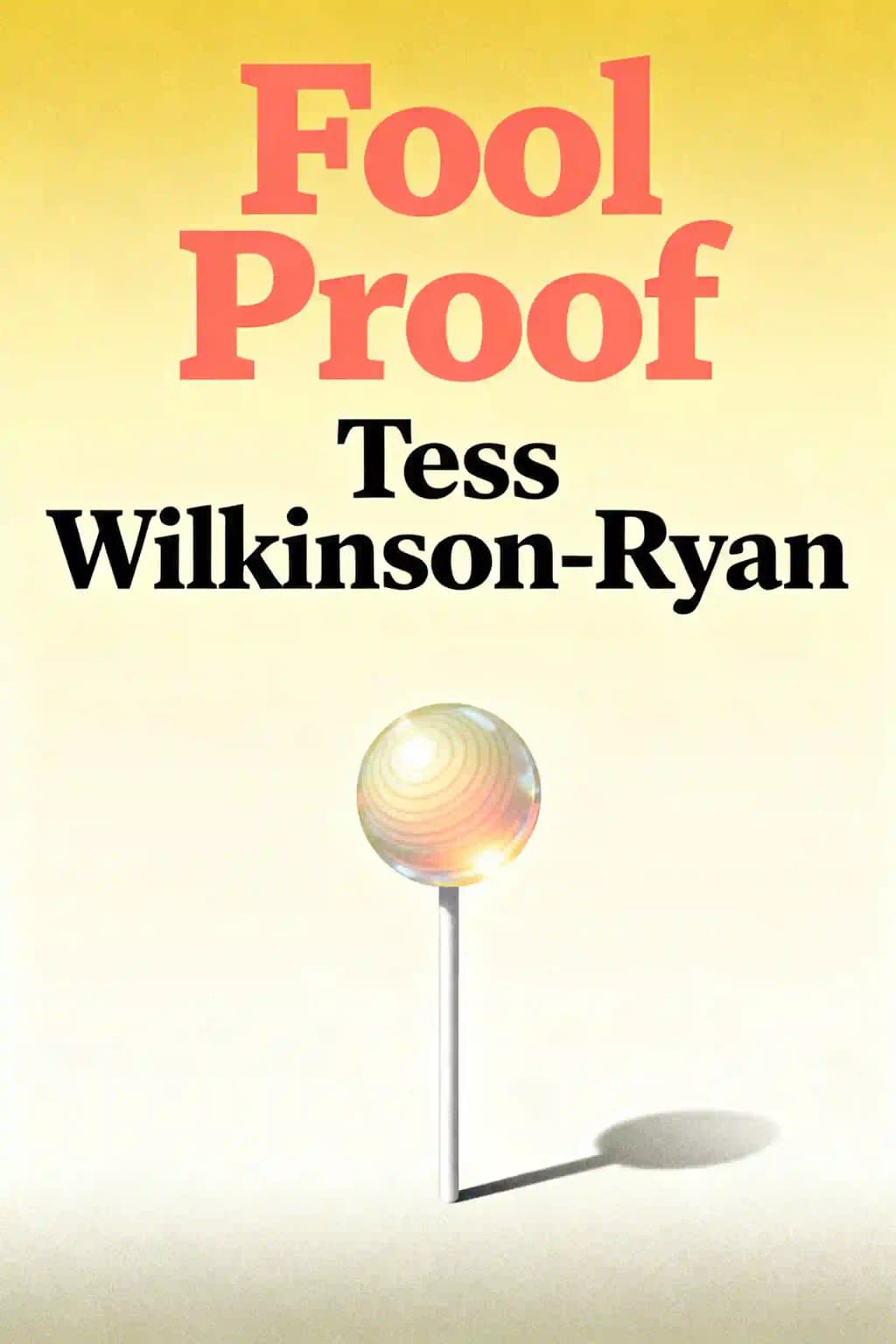
Have you ever experienced that sinking feeling when you realize you've been duped? That moment when the charity you donated to turns out to be fraudulent, or when someone you trusted betrays your confidence? The sting of being played for a fool lingers far longer than most injuries, leaving us not just financially wounded but deeply ashamed. "What was I thinking? How could I be so stupid?" In "Fool-Proof," Harvard-educated legal scholar Tess Wilkinson-Ryan explores this universal yet under-examined psychological phenomenon that shapes everything from our personal relationships to our political landscape. This book has become required reading in psychology departments nationwide and earned praise from behavioral economists who recognize how profoundly the fear of being suckered influences human decision-making. Beyond academic circles, it's struck a chord with readers seeking to understand why certain social and political messages resonate so powerfully with the American psyche. As one reviewer noted, "It explains more about contemporary politics than a dozen campaign analyses."
Capitolo 2
The Unique Pain of Being Duped
The fear of being played for a fool occupies a special place in our psychological landscape. Consider two scenarios: In one, hackers randomly test credit card numbers and charge $20.50 to your account. In another, you willingly give your card to what appears to be a legitimate children's charity that turns out to be fraudulent. Though the financial outcome is identical-you get your money back-the emotional impact differs dramatically. The random hack feels like a minor annoyance; being conned feels deeply painful and shameful, implicating your very sense of self.
This distinction reveals something profound about human psychology. Being suckered isn't just about losing resources-it's about losing status and security. The accusation that you've played the fool suggests you've cooperated in your own social demotion, a particularly painful form of self-betrayal.
Our cultural vocabulary reflects this preoccupation-suckers, fools, dupes, marks, chumps-terms that don't just describe victims but prescribe avoidance: Don't let that be you. These fears manifest in childhood warnings like "Don't take any wooden nickels!" and cultural stories from the Trojan Horse to Hansel and Gretel that caution against gullibility.
The mark experiences a unique kind of victimhood filled with self-loathing because sucker's games are regret factories-you can't be a sucker without your own cooperation. When hacked, we blame the criminal; when scammed, we blame ourselves for our complicity, as if we taped the "Kick Me" sign to our own backs.
This fear shapes our behavior in surprising ways. In a mall experiment, researchers set up a "Free Money! $1 Bills Available Here!" table. Over 90 percent of shoppers avoided it, even when the offer increased to $50. The real cost wasn't time or money but the psychological price of feeling foolish. The fear of being duped-what researchers term "sugrophobia"-drives us to avoid even low-risk situations that might make us feel like suckers.
What makes this fear so powerful? It taps into two deeply aversive human conditions: regret and alienation. Regret serves an evolutionary purpose-it promotes learning. Unlike threats like fire or predators, scams don't announce themselves, so learning to spot them yields benefits. But regret can be an overzealous teacher, making us develop hypersensitive radar for situations that might add footage to our mental "cringe reel."
Capitolo 3
How Fear of Being Suckered Poisons Cooperation
Social cooperation represents one of humanity's greatest strengths yet also our most challenging dilemmas. The classic "Tragedy of the Commons" illustrates this perfectly-a shared pasture works best when everyone takes only what they need, but any individual can gain advantage by overgrazing while others show restraint. This creates the ultimate sucker's dilemma: cooperate and risk being exploited, or exploit the resource yourself? From shared office refrigerators to global climate agreements, this pattern repeats across scales.
Economists study this through the Public Goods Game, where four players each receive $10 and can contribute any amount to a communal pot. The pot gets multiplied by 1.5 and divided equally among all players, regardless of their contributions. Rational self-interest suggests contributing nothing-if others contribute, you benefit without sacrifice; if others withhold, you avoid being the lone sucker. The mathematics clearly favor free-riding on others' cooperation.
Yet contrary to economic theory, most people contribute substantially, though typically not their full amount. When researchers investigated whether players withhold out of greed or fear, they discovered something surprising: players who expected cooperation from others increased their own contributions dramatically, often doubling or tripling their initial offers. This suggests fear of being played for a fool, not selfishness, drives non-cooperation. Further experiments showed that when players were guaranteed against being the lone cooperator, contribution rates soared.
Most striking was the emotional intensity players brought to this simple game. Those who cooperated while others defected became tearful, furious, or refused to face the "sons of bitches" who had betrayed them. One cooperator even shouted at defectors, "You have no idea how much you alienate me!" These reactions reveal that beyond financial loss, the real wound of being a sucker is social alienation-the painful realization that you've been excluded from the true social contract. Players reported feeling not just cheated, but personally betrayed and socially ostracized.
This social rejection registers neurologically as intense pain, activating many of the same brain regions as physical injury. Dutch researchers using EEG caps found humiliation produced the most intense emotional response compared to happiness, sadness, or anger-a brutal combination of self-blame layered over rage. The amygdala and anterior cingulate cortex show particular activation, suggesting deep evolutionary roots to this response. Just as food poisoning makes us avoid certain foods long after recovery, social humiliation creates lasting suspicion. The brain builds defensive mechanisms against future threats: no sweets, no liquor, no cooperation. Not hungry, just suspicious. These neural pathways help explain why one betrayal can poison cooperation for years to come, even in completely different contexts with new people.
The implications extend far beyond laboratory games. From business partnerships to international relations, the fear of being suckered often prevents potentially beneficial cooperation. Understanding this dynamic is crucial for designing systems and institutions that can overcome these deeply wired psychological barriers to collaboration.
Capitolo 4
Weaponizing the Sucker Fear
The fear of being played for a fool becomes especially dangerous when weaponized for political ends. Donald Trump built his political ambitions on the fertile ground of racial resentment, with messaging that consistently portrayed America as being "played for suckers" on the world stage. His recitation of "The Snake"-a song he repurposed from its original anti-racism message-warned against extending compassion to those seeking asylum, portraying humanitarian gestures as naive and foolish. This narrative extended beyond immigration to trade deals, military alliances, and international agreements, painting America's traditional diplomatic approach as weak and gullible.
What makes this rhetoric so effective is how it activates our cognitive "sucker schema"-a mental framework that, once triggered, fundamentally changes how we process information. When someone suggests we're being duped, we become quicker to see deception, ill motives, or contempt in otherwise ambiguous interactions. This heightened state of suspicion can persist long after the initial trigger, creating a lens through which all subsequent interactions are filtered.
Consider a professor receiving an email from a student requesting an extension due to a family death. The default response would involve condolences and accommodation. But if a colleague remarks "That's quite a convenient coincidence! If you believe that, I've got a bridge to sell you," the sucker schema activates. Suddenly the professor's focus shifts from compassion to verification, from condolence protocols to documentation protocols. Similar dynamics play out in workplace settings, where managers might become overly skeptical of sick leave requests, or in healthcare, where doctors might question patients' pain descriptions after being warned about drug-seeking behavior.
This weaponized schema poisons trust between people, launching a paradigm shift from cooperation to suspicion. A simple experiment demonstrates how powerful framing can be: When the same economic game is named either the "Community Game" or the "Wall Street Game," cooperation rates differ dramatically-70% cooperate in the Community Game, but only 35% in the Wall Street Game. The label primes participants to expect either cooperation or exploitation. Further studies show this effect persists even when real money is at stake, and across different cultural contexts.
Sugrophobic rhetoric functions specifically to threaten status hierarchies and provokes reactions that protect those hierarchies. It dictates whom we trust and whom we hold at arm's length, regulating power and status allocation. When threatened, would-be suckers either fight back against perceived threats to the social order or flee through avoidance and skepticism-both with serious ramifications for social cooperation and compassion. This dynamic becomes particularly evident in polarized political environments, where opposing groups increasingly view each other's actions through a lens of manipulation and bad faith, creating a self-reinforcing cycle of distrust and defensive positioning.
The impact extends beyond individual interactions to shape institutional policies and social movements. Organizations might implement stricter verification processes, communities might become less welcoming to newcomers, and societies might retreat from international cooperation - all in service of avoiding the perceived threat of being duped. This defensive posture carries significant costs in terms of social capital, economic efficiency, and human wellbeing.
Capitolo 5
Race, Status, and the Sucker Dynamic
The threat of surveillance extends beyond institutional settings to everyday interactions that reinforce social hierarchy. Black Americans experience this constantly-even renowned sociologists find student workers feel entitled to monitor their work habits. This "Living While Black" experience manifests in countless micro-interactions where racial hierarchy is enforced through suspicion, from being followed in stores to having police called for ordinary activities like barbecuing in parks or waiting in coffee shops.
Paradoxically, those with least formal power face the most relentless suspicion. Being surveilled itself becomes a social insult that marks one's lower status. The contrast is stark-asking a faculty colleague for documentation would be relationship-ending, while students face constant verification demands. This dynamic plays out in workplace settings where minority employees report being subject to stricter timekeeping, more frequent "random" searches, and heightened scrutiny of expense reports compared to their white counterparts.
Racial and ethnic categories themselves are constructed from the raw materials of sucker fears. While white businessmen can operate on handshakes and informal agreements, Black Americans must rely on documentation and formality for protection. This reality reflects deeper patterns of racial hierarchy maintained through stereotypes casting minorities as either foolish marks or devious schemers. For example, Black homebuyers are more likely to be required to provide extensive documentation for mortgages, while studies show white applicants often receive more flexible treatment.
Harvard psychologist Jim Sidanius observed that all societies develop hierarchies-not just age and sex-based ones, but also "arbitrary-set systems" stratifying people by constructed characteristics like race or ethnicity. These hierarchies are maintained through "legitimizing myths" that justify social inequality through stereotypes. These myths manifest in modern forms like the "welfare queen" narrative or assumptions about merit in educational settings.
The racial hierarchy in America specifically employs caricatures of minorities as either scammers or marks. From slavery onward, Black people were simultaneously portrayed as poor fools incapable of self-care and as cunning threats requiring constant vigilance. This whiplash is deliberate-any observation can be twisted into evidence of inferiority. Contemporary examples include the contradictory stereotypes of Black students as both academically inferior and unfairly advantaged by affirmative action.
This double bind creates a vicious cycle where Black people, especially Black women like Crystal Mason (imprisoned for inadvertent voter fraud), are disproportionately accused of and punished for "trying to put one over on the system." Similar cases show systemic bias - white voters making identical mistakes often face minimal consequences. Meanwhile, the language of "special favors" sits at the heart of racial resentment, with many white Americans viewing Black people's claims for equal treatment or redress as unfair advantages rather than legitimate rights. This manifests in opposition to everything from workplace diversity initiatives to historical acknowledgments in education.
Capitolo 6
Gender and the Beautiful Fool
Research confirms that gender and suckerdom are deeply intertwined. Psychologists found that people consistently rate women as more gullible and "easily misled" than identical male counterparts. This stereotype has real consequences: in negotiation simulations, buyers lied to female sellers five times more often than to male sellers (25% versus 5%). Women aren't inherently more gullible but are targeted more frequently for deception because they're perceived as easier marks.
This reflects the broader pattern where being suckered is coded as feminine-"getting screwed" serves as both sexual euphemism and metaphor for being duped. Gender stereotyping dictates who can deceive and who must be deceived. The BSRI (Bem Sex-Role Inventory) showed that "masculine" traits include being analytical, competitive, and dominant, while "feminine" traits include being childlike, flatterable, and gullible.
For women, being occasionally suckered is simply the cost of doing business-from smiling through nonsensical interactions to shouldering uncompensated care work. This dynamic extends to public life, where women like Hillary Clinton gained partial social acceptance by publicly playing the forgiving fool to unfaithful husbands.
Misogyny thrives on the fear of duplicitous women. For men, being cheated by a woman represents a profound status threat-being fooled by someone society already deems foolish. Masculine identity fundamentally prohibits being gullible or impressionable. This fear of deception drives misogyny's logic-women must provide service with a smile while men remain vigilant about authenticity.
For women, sexual relationships inevitably cast them as either dupes or schemers. The traditional narrative frames women who consent to sex as fools who "gave the milk away for free," while those who withhold or negotiate sex are labeled "gold diggers" or "cockteasers." Even sexual assault victims face scrutiny as marks who "asked for it" by drinking, flirting, or wearing revealing clothing.
The author explores how women are trapped in a double bind: either be perceived as a fool or as a fraud. When women refuse to "play along" with social expectations, they're often accused of running a con. The "impostor syndrome," first identified by Clance and Imes as the "impostor phenomenon" in high-achieving women, stems not just from internalized stereotypes about female incompetence but also from cultural narratives about female duplicity.
Capitolo 7
How We Rationalize Being Duped
Even when predictions repeatedly fail, believers create elaborate explanations rather than admit they were deceived. This paradox of sugrophobia means those most afraid of being duped are least able to recognize when it happens. While Goffman described "cooling the mark out" as something con artists actively do, humans are their own most effective "coolers," rationalizing injustices to make them psychologically manageable. This self-cooling process occurs through multiple psychological mechanisms, from denial and minimization to reframing the experience as a "learning opportunity" or claiming special insight that others lack.
Social pressure serves as a powerful cooling mechanism that prevents people from challenging deception. Solomon Asch's famous conformity experiments demonstrated that over a third of subjects would conform to obviously incorrect group judgments rather than contradict the majority. In these studies, participants were asked to match line lengths, with confederates deliberately giving wrong answers. Not only did 37% of subjects conform to clearly incorrect judgments, but follow-up interviews revealed fascinating motivations. Some conformed to be polite or avoid conflict, while others experienced genuine self-doubt, showing how even when a deception is transparent, social settings effectively enforce compliance. This conformity effect strengthens with group size and unanimity.
Beyond mere social compliance, people often internalize conformity by fundamentally changing their actual beliefs to match situational pressures. Festinger's cognitive dissonance experiments showed how people justify their actions by changing their beliefs-subjects paid less ($1) rated boring tasks as more enjoyable than those paid more ($20). This demonstrates how people resolve the cognitive dissonance of being a sucker by convincing themselves the transaction was worthwhile. Similar effects appear in real-world scenarios, from justifying expensive purchases to defending poor investment decisions, where people often double down rather than admit error.
People are strongly motivated to believe they live in a fair world, even when evidence suggests otherwise. Melvin Lerner's just-world hypothesis explains why people are so receptive to being "cooled out"-they're motivated to believe they live in a just, orderly universe. In his groundbreaking experiments, subjects who couldn't stop a peer from receiving electric shocks blamed the victim, rating them as less attractive and of poorer character. When powerless to stop injustice, people justify it as deserved. This phenomenon extends beyond laboratory settings to real-world situations, explaining why victims of fraud often face skepticism or blame, and why people frequently defend systems that disadvantage them. The need to believe in a just world is so strong that people will reconstruct their entire worldview rather than accept random misfortune or deliberate deception.
Modern examples of this rationalization process can be seen in investment scams, where victims often defend the fraudster until the very end, and in cult deprogramming, where members resist acknowledging deception even after leaving. These psychological mechanisms serve as powerful tools for maintaining cognitive consistency, even at the cost of accepting objective reality.
Capitolo 8
Motherhood: The Ultimate Sucker's Game
Motherhood represents perhaps the ultimate bait-and-switch in society. While celebrated in abstract terms as heroic, patriotic, and powerful, the reality of motherhood brings diminished status and limited structural support. The author describes her personal awakening to this contradiction after having her first child as a graduate student-discovering that despite cultural lip service about motherhood being "the most important job in the world," mothers experience dramatic status loss in practical terms.
Motherhood involves a fundamental hustle: women produce the next generation at enormous personal cost, yet are expected to perform this labor without complaint. The ideal mother sacrifices herself without acknowledging it as work. Terms like "Supermom" appear complimentary but function as what Erving Goffman called "courtesy status"-accolades of demotion given to marks, not operators.
The cultural expectation of maternal selflessness has real consequences. As law professor Cynthia Lee Starnes notes, many mothers are shocked to discover during divorce proceedings that their years of family caretaking are viewed as economically worthless-they've been "duped into providing free family caretaking at great personal economic cost."
Parenting demands are relentless, but mothering specifically faces extraordinary scrutiny. Research confirms the double standard: in studies where subjects evaluated identical parenting scenarios with only the gender changed, mothers couldn't win. When both stay-at-home mothers and fathers were described identically, subjects assumed mothers did more caregiving work-yet rated their parenting quality the same. Working mothers were credited with doing more caregiving than working fathers but paradoxically judged as worse parents overall.
For Black and brown mothers, this scrutiny becomes even more severe. They face disproportionate monitoring by child welfare agencies, criminal consequences for parenting decisions white mothers might make without consequence, and systematic separation from their children. The cultural promise that motherhood is "the best job in the world" rings hollow when social rewards remain out of reach for all but the most privileged mothers who never make mistakes.
Capitolo 9
Reclaiming Moral Agency in a Sucker's World
When facing complex moral dilemmas, people often claim to value integrity. But integrity requires navigating complex, resource-intensive decisions with room for error. By contrast, determining status dynamics-who's on top, who's being taken advantage of-comes easily and instinctively. Without realizing it, we may substitute the easier question (what increases my status?) for the harder one (what fulfills my moral commitments?).
There's moral empowerment in confronting the sucker fear directly-taking it seriously but treating it as just one variable among many, not an automatic trigger for shame and avoidance. By recognizing its function as a weapon against social progress, we can defuse it and reclaim expansive moral agency.
The fear of playing the sucker can distort moral judgment, making housing for the homeless seem like a trap or cooperation appear as weakness. This "sugrophobic whisper" constrains personal agency, as seen with paranoid elderly people who reject the very people they need most to maintain independence.
To manage sucker fear rationally, we must explicitly account for it rather than letting it operate unconsciously. Multi-attribute utility theory (MAUT) offers a practical approach to decision-making when multiple values are at stake. By creating tables that explicitly weight our values (like compassion at 100% importance versus cheat prevention at 25%), we can prevent sucker fear from contaminating our decisions.
Like other fears, sugrophobia follows predictable patterns, creating cascades of negative thoughts, feelings, and avoidance behaviors. The most effective treatment isn't avoidance but exposure-being explicit about risks, admitting when we've been duped, discussing it openly, and examining whether the fallout is truly as catastrophic as we feared.
Teaching offers a powerful counterweight to sucker fear through what psychologist Carl Rogers called "unconditional positive regard"-caring for and valuing others regardless of their behavior or choices. Rogers explicitly embraced "gullible caring," accepting clients as they present themselves without suspicion. This stance isn't stupidity but rather creates the trust necessary for connection.
Living in a society means navigating a sea of quasi-grifts and maybe-hustles regardless of our approach. Social pressure has far more influence than we realize. In a striking study, 97% of subjects handed their unlocked phones to a stranger when directly asked, though 73% predicted they would refuse when imagining the scenario.
While the fear of being a fool often operates covertly in our lives, romantic love is the arena where it takes center stage. Love songs celebrate fools because seduction itself is a gentle scam. The negotiation of intimacy is harrowing precisely because of the tension between watching for cons and seeking human connection.
The real question isn't whether we'll be suckers, but how. Maybe the wary have something to learn from parents, especially mothers. Motherhood is a nonstop hustle-both a deep con and an urgent set of demands. But in the day-to-day, who cares? As the author's own mother told her during a difficult time when she apologized for needing help again: "Oh, honey. You don't have any chits with me."