Future Home in the 5G Era: Next Generation Strategies for Hyper-Connected Living

Overview of Future Home in the 5G Era
Accenture's tech visionaries reveal how 5G will transform our homes into intelligent hubs, anticipating needs from healthcare to meals. Industry leaders are racing to capture this multi-billion-dollar market. What privacy concerns arise when your refrigerator knows more about you than your doctor?
- Hyper-connected ecosystems replace fragmented smart home tech through 5G integration
- Always-on connectivity enables real-time remote healthcare diagnostics and virus testing
- Legacy smart home systems fail due to incompatible devices and outdated protocols
- Virtual reality home tours become mainstream with 5G's low-latency capabilities
- Cybersecurity gaps threaten hyper-connected homes despite AI-driven threat detection
- Smart energy management and automated recycling define sustainable 5G-era homes
- Personalized climate control adapts to biometrics via edge computing and IoT
- 5G unlocks $2.5B+ business opportunities in entertainment, education, and retail ecosystems
- Standardized protocols bridge gaps between telecom providers and device manufacturers
- Jefferson Wang prioritizes customer experience over specs for 5G home adoption
- "At home anywhere" philosophy emerges through cloud-powered service mobility
- Autonomous household robots require 5G's network slicing for reliable operation
About the Author of Future Home in the 5G Era
Jefferson Wang, George Nazi, Boris Maurer, and Amol Phadke are the co-authors of The Future Home in the 5G Era, a pioneering exploration of hyper-connected smart home technologies and their transformative potential.
Wang, Accenture’s Global 5G Lead and Chief Strategy Officer of Cloud First, brings decades of telecom expertise, having shaped strategies for Vodafone, Deutsche Telekom, and Orange Group. Maurer and Nazi, fellow Accenture technology strategists, contribute insights on IoT ecosystem development.
Phadke, a Senior Scientist at Lawrence Berkeley National Laboratory and UC Berkeley energy policy expert, grounds the book’s vision in sustainable infrastructure frameworks. Their collective work merges business strategy with cutting-edge tech analysis, addressing 5G-driven innovations like real-time healthcare diagnostics and AI-coordinated home ecosystems.
The book has been endorsed by telecom CEOs and cited as essential reading for understanding $184B market opportunities in IoT. Wang frequently discusses 5G’s societal impact at industry forums like MWC Barcelona, while Phadke’s peer-reviewed research on grid modernization informs global climate policy.
FAQs About Future Home in the 5G Era
What is The Future Home in the 5G Era about?
The Future Home in the 5G Era explores how emerging technologies like 5G, AI, and IoT will revolutionize living spaces by creating hyper-connected smart homes. It combines original Accenture research with real-world examples, showing how seamless device integration can anticipate needs, solve problems autonomously, and unlock new business opportunities in sectors like telecom and tech.
Who should read The Future Home in the 5G Era?
Business leaders in telecommunications, tech, and IoT industries will benefit most, along with strategists seeking insights into 5G-driven market opportunities. The book provides actionable frameworks for companies aiming to innovate customer experiences, develop platform-based business models, and navigate the $multi-billion Future Home market.
Is The Future Home in the 5G Era worth reading?
Yes – the book is praised for its blend of visionary ideas and practical strategies. It avoids technical jargon, making it accessible for non-experts, while offering data-driven insights from Accenture’s global research. Readers gain clarity on turning 5G’s potential into profitable, user-centric solutions.
What are the key concepts in The Future Home in the 5G Era?
Key ideas include:
- Hyper-connected ecosystems: Devices and apps working seamlessly via 5G and edge computing.
- Anticipatory living: AI-driven homes that predict and resolve issues before they arise.
- Platform innovation: Strategies for telecom companies to transition from connectivity providers to service platforms.
How does The Future Home in the 5G Era address business challenges?
The book emphasizes customer-centricity, recommending businesses prioritize personalized experiences over pure technological advancement. It outlines frameworks for agile organizational restructuring and partnerships, particularly for CSPs (Communication Service Providers) aiming to compete in IoT and smart home markets.
What criticisms exist about The Future Home in the 5G Era?
Some reviewers note a heavy focus on CSPs and enterprise strategies, which may limit appeal for general consumers. Others highlight the need for deeper discussions on privacy and security in hyper-connected homes.
What real-world applications does the book highlight?
Examples include voice-activated home systems, AI-curated lifestyle recommendations based on calendars, and drone-delivered essential services. These illustrate how 5G’s low latency and high bandwidth enable real-time responsiveness in smart homes.
How does Jefferson Wang’s expertise shape the book?
As Accenture’s Global 5G Lead and a 20-year tech strategist, Wang combines industry-tested frameworks with futurist vision. His experience advising Fortune 500 companies grounds the book’s predictions in executable business models.
How does The Future Home in the 5G Era compare to The Fourth Industrial Revolution?
While Klaus Schwab’s work examines broad societal impacts of emerging tech, Wang’s book focuses specifically on domestic environments and actionable strategies for businesses. It offers more tactical guidance for telecom and IoT sectors.
What quotes define The Future Home in the 5G Era?
A standout line states: “The 5G-driven Future Home is led not by technology, but by human needs technology can meet.” This underscores the book’s premise that innovation must prioritize user experience over technical specs.
Why is The Future Home in the 5G Era relevant in 2025?
With 5G now mainstream globally, the book’s frameworks help businesses optimize smart home adoption, address post-pandemic remote work trends, and leverage edge computing advancements for faster, more secure IoT ecosystems.
Where can I find a summary of The Future Home in the 5G Era?
Concise summaries highlighting its business strategies and 5G integration models are available on platforms like Blinkist and Barnes & Noble’s book page, which distill key takeaways for time-constrained readers.
Feel the book through the author's voice
Turn knowledge into engaging, example-rich insights
Capture key ideas in a flash for fast learning
Enjoy the book in a fun and engaging way
Characters in Future Home in the 5G Era
- Jefferson WangLead author and telecommunications expert
- George NaziCo-author and industry strategist
- Boris MaurerCo-author and technology consultant
- Amol PhadkeCo-author and communications industry leader
Key Themes in Future Home in the 5G Era
- connected living ecosystems
- predictive home automation
- aging in place technology
- hyper-personalized digital experiences
- 5g telecommunications strategy
Quotes from Future Home in the 5G Era
The success of the Future Home will ultimately be judged by its ability to support and enhance our social lives rather than substitute them.
This isn't science fiction-it's the near future of home technology.
Explore Your Way of Learning
 Quick Summary Mode
Read or listen to Future Home in the 5G Era Summary in 9 Minutes
Break down key ideas from Future Home in the 5G Era into bite-sized takeaways to understand how innovative teams create, collaborate, and grow.

 Fun Mode
Future Home in the 5G Era Lessons Told Through 22-Min Stories
Experience Future Home in the 5G Era through vivid storytelling that turns innovation lessons into moments you'll remember and apply.
 Personalize Mode
Experience Future Home in the 5G Era in your own learning style
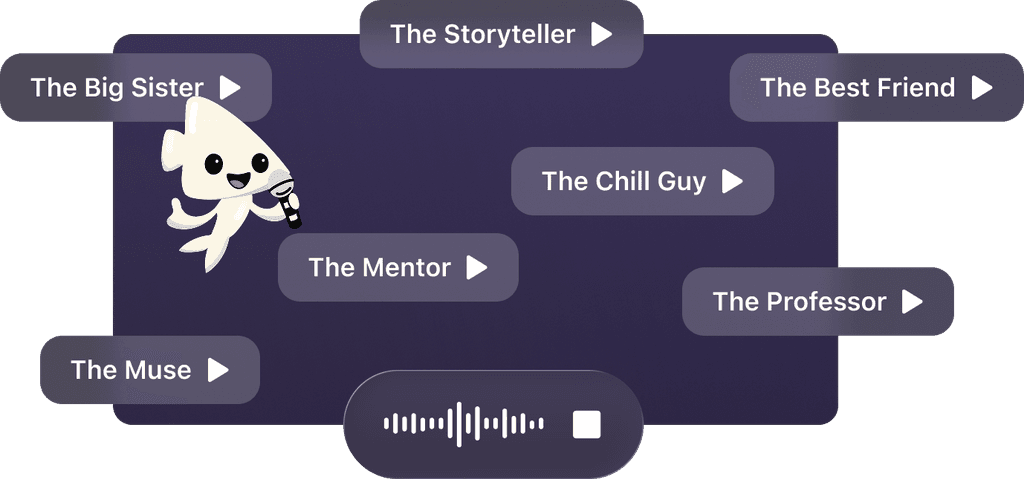
Ask anything, choose your learning style, and co-create insights that truly resonate with you.
From Columbia University alumni built in San Francisco
"Instead of endless scrolling, I just hit play on BeFreed. It saves me so much time."


"I never knew where to start with nonfiction—BeFreed’s book lists turned into podcasts gave me a clear path."


"Perfect balance between learning and entertainment. Finished ‘Thinking, Fast and Slow’ on my commute this week."
"Crazy how much I learned while walking the dog. BeFreed = small habits → big gains."
"Reading used to feel like a chore. Now it’s just part of my lifestyle."

"Feels effortless compared to reading. I’ve finished 6 books this month already."
"BeFreed turned my guilty doomscrolling into something that feels productive and inspiring."

"BeFreed turned my commute into learning time. 20-min podcasts are perfect for finishing books I never had time for."
"BeFreed replaced my podcast queue. Imagine Spotify for books — that’s it. 🙌"

"It is great for me to learn something from the book without reading it."
"The themed book list podcasts help me connect ideas across authors—like a guided audio journey."
"Makes me feel smarter every time before going to work"
From Columbia University alumni built in San Francisco
"Instead of endless scrolling, I just hit play on BeFreed. It saves me so much time."
"I never knew where to start with nonfiction—BeFreed’s book lists turned into podcasts gave me a clear path."
"Perfect balance between learning and entertainment. Finished ‘Thinking, Fast and Slow’ on my commute this week."
"Crazy how much I learned while walking the dog. BeFreed = small habits → big gains."
"Reading used to feel like a chore. Now it’s just part of my lifestyle."
"Feels effortless compared to reading. I’ve finished 6 books this month already."
"BeFreed turned my guilty doomscrolling into something that feels productive and inspiring."
"BeFreed turned my commute into learning time. 20-min podcasts are perfect for finishing books I never had time for."
"BeFreed replaced my podcast queue. Imagine Spotify for books — that’s it. 🙌"
"It is great for me to learn something from the book without reading it."
"The themed book list podcasts help me connect ideas across authors—like a guided audio journey."
"Makes me feel smarter every time before going to work"
"Instead of endless scrolling, I just hit play on BeFreed. It saves me so much time."
"I never knew where to start with nonfiction—BeFreed’s book lists turned into podcasts gave me a clear path."
"Perfect balance between learning and entertainment. Finished ‘Thinking, Fast and Slow’ on my commute this week."
"Crazy how much I learned while walking the dog. BeFreed = small habits → big gains."
"Reading used to feel like a chore. Now it’s just part of my lifestyle."
"Feels effortless compared to reading. I’ve finished 6 books this month already."
"BeFreed turned my guilty doomscrolling into something that feels productive and inspiring."
"BeFreed turned my commute into learning time. 20-min podcasts are perfect for finishing books I never had time for."
"BeFreed replaced my podcast queue. Imagine Spotify for books — that’s it. 🙌"
"It is great for me to learn something from the book without reading it."
"The themed book list podcasts help me connect ideas across authors—like a guided audio journey."
"Makes me feel smarter every time before going to work"
"Instead of endless scrolling, I just hit play on BeFreed. It saves me so much time."
"I never knew where to start with nonfiction—BeFreed’s book lists turned into podcasts gave me a clear path."
"Perfect balance between learning and entertainment. Finished ‘Thinking, Fast and Slow’ on my commute this week."
"Crazy how much I learned while walking the dog. BeFreed = small habits → big gains."
"Reading used to feel like a chore. Now it’s just part of my lifestyle."
"Feels effortless compared to reading. I’ve finished 6 books this month already."
"BeFreed turned my guilty doomscrolling into something that feels productive and inspiring."
"BeFreed turned my commute into learning time. 20-min podcasts are perfect for finishing books I never had time for."
"BeFreed replaced my podcast queue. Imagine Spotify for books — that’s it. 🙌"
"It is great for me to learn something from the book without reading it."
"The themed book list podcasts help me connect ideas across authors—like a guided audio journey."
"Makes me feel smarter every time before going to work"

Download Summary of Future Home in the 5G Era
Get the Future Home in the 5G Era summary as a free PDF or EPUB. Print it or read offline anytime.