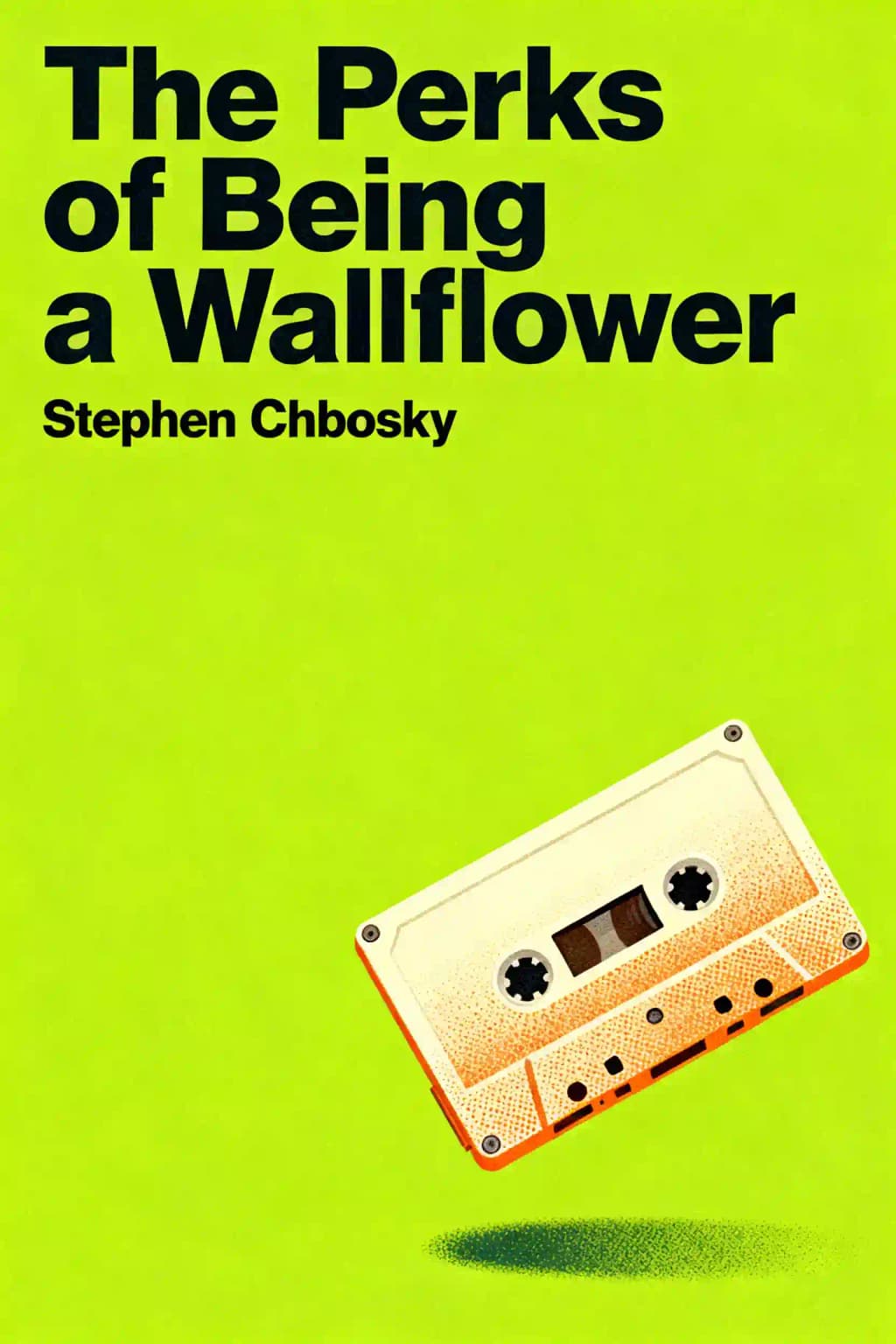
Le monde de Charlie
Overview of Le monde de Charlie
Chbosky's coming-of-age masterpiece captivated a generation, spawning a film that defined Tumblr culture and landed on NYT's "Best Movies" list. Both writer and director, Chbosky crafted a story so authentic it won GLAAD and Independent Spirit awards while capturing teenage outsider experience perfectly.

Key Themes in Le monde de Charlie
- adolescent mental health
- epistolary coming of age
- repressed childhood trauma
- social isolation
- high school subcultures
Quotes from Le monde de Charlie
You see things, keep quiet about them, and understand.
Charlie's loneliness is palpable.
Friendship as salvation.
The casual cruelty of high school hierarchies.
Finding one's true tribe.
Characters in Le monde de Charlie
- CharlieAn introspective, observant high school freshman
- PatrickA charismatic senior known as 'Nothing'
- BillCharlie's advanced English teacher and mentor
- Aunt HelenCharlie's favorite relative who died in a crash
About the Author
About the Author of Le monde de Charlie
Stephen Chbosky is the bestselling author of The Perks of Being a Wallflower and an acclaimed screenwriter and film director known for his emotionally resonant coming-of-age storytelling. Born in Pittsburgh, Pennsylvania, in 1970, Chbosky drew from his own adolescent experiences and influences like J.D. Salinger's The Catcher in the Rye to craft this semi-autobiographical epistolary novel exploring themes of identity, mental health, sexuality, friendship, and trauma.
A graduate of the University of Southern California's Filmic Writing program, Chbosky not only wrote the novel but also adapted and directed the critically acclaimed 2012 film adaptation starring Logan Lerman and Emma Watson. He has since directed other major films including Wonder and Dear Evan Hansen. His second novel, the psychological horror epic Imaginary Friend, debuted as a New York Times Top Ten Bestseller in 2019.
The Perks of Being a Wallflower has sold millions of copies worldwide, spent over a year on the New York Times Bestseller list, and has been translated into 31 languages.
Download Summary of Le monde de Charlie
Get the Le monde de Charlie summary as a free PDF or EPUB. Print it or read offline anytime.
FAQs About This Book
The Perks of Being a Wallflower is a coming-of-age novel that follows Charlie, an introverted 15-year-old freshman navigating his first year of high school in early 1990s Pittsburgh. Told through letters to an anonymous friend, the story explores Charlie's journey as he befriends two seniors, Sam and Patrick, while confronting painful memories of his Aunt Helen's death and his best friend's suicide. The novel culminates in Charlie's discovery of repressed childhood trauma and his path toward healing and self-acceptance.
The Perks of Being a Wallflower is intentionally targeted at teenagers and young adults, though it resonates with readers of all ages. Stephen Chbosky wrote the novel for "anyone who's felt like an outcast," making it especially valuable for adolescents navigating friendship, identity, and mental health challenges. The book speaks to readers seeking authentic portrayals of teenage struggles with sexuality, trauma, and finding one's place in the world during the vulnerable high school years.
The Perks of Being a Wallflower is widely considered essential reading for its raw, authentic portrayal of adolescence and mental health struggles. Stephen Chbosky's intimate epistolary format creates emotional depth that has made it a modern classic, reaching The New York Times Best Seller list following its 2012 film adaptation. While it tackles difficult subjects including abuse and suicide, the novel ultimately delivers a hopeful message about healing, participation, and the transformative power of friendship that resonates across generations.
The Perks of Being a Wallflower has been frequently banned and challenged in American schools due to its frank exploration of mature themes. The novel addresses teenage sexuality, drug use, rape, mental health crises, and childhood sexual abuse without censorship, which some communities deemed inappropriate for young readers. Despite—or perhaps because of—its honest treatment of issues many teenagers actually face, the book remains among the most challenged works according to the American Library Association's Office for Intellectual Freedom.
In The Perks of Being a Wallflower, being a wallflower describes Charlie's tendency to observe life from the sidelines rather than actively participate. Charlie is an introverted, contemplative teenager who "mostly sits back and watches the lives around him" while trying to understand what's happening beneath the surface. The novel explores both the perks and drawbacks of this observer role—while it allows Charlie to be thoughtful and empathetic, it also keeps him isolated until his friends encourage him to "participate" more fully in his own life.
The Perks of Being a Wallflower explores themes of mental health, including depression, social anxiety, and childhood trauma, alongside adolescent experiences with sexuality, drug use, and first love. Stephen Chbosky addresses the importance of entertainment and art—books, music, and movies—in helping teenagers discover their identity and beliefs. The novel emphasizes how relationships can inspire hope and healing, while also examining violence in relationships, particularly sexual abuse, as Charlie, Sam, and Aunt Helen are all survivors of childhood trauma.
The Perks of Being a Wallflower uses an epistolary structure—letters Charlie writes to an anonymous friend—which Stephen Chbosky called "the most intimate way" to speak directly to readers. This format allows readers to experience Charlie's unfiltered thoughts and emotions as he processes traumatic memories, navigates friendships, and discovers himself. The anonymous recipient creates universality, making every reader feel like Charlie's confidant, while the dated letters convey the "highs and lows of being young" with immediate emotional authenticity.
Aunt Helen represents the novel's central trauma that Charlie has repressed since childhood. Charlie feels intense guilt about her death on his seventh birthday, believing she died while buying him a second present. The devastating revelation comes when Charlie realizes Aunt Helen sexually abused him as a child, triggering his breakdown and hospitalization. This trauma explains Charlie's mental instability, obsessive thoughts, and difficulty with intimacy, making his journey toward healing and understanding the novel's emotional core.
Sam and Patrick, two free-spirited seniors, transform Charlie's high school experience by welcoming him into their group of "misfit friends" and providing the sense of community he desperately needs. Patrick introduces Charlie to new experiences including Rocky Horror Picture Show screenings and parties, while Sam encourages him to stop pleasing everyone and express his own needs. Their friendship enables Charlie to feel less alone after his best friend Michael's suicide, though his romantic feelings for Sam ultimately trigger his repressed memories and lead to his breakthrough.
The Perks of Being a Wallflower references The Smiths, Nirvana, Fleetwood Mac, The Rocky Horror Picture Show, To Kill a Mockingbird, The Catcher in the Rye, and other cultural touchstones of early 1990s youth culture. Stephen Chbosky emphasizes that "books, songs, and movies are more than entertainment when we're young" because they help teenagers discover identity, beliefs, and life possibilities. These references create authenticity while demonstrating how art helps Charlie and his friends form relationships, process emotions, and understand themselves during their formative years.
The Perks of Being a Wallflower concludes with Charlie experiencing a panic attack during an intimate moment with Sam as she prepares for college, triggering repressed memories of sexual abuse by Aunt Helen. This revelation leads to Charlie's mental breakdown and hospitalization, where he begins processing his childhood trauma with professional help. The novel ends hopefully with Charlie's recovery and newfound commitment to "actively participate in his life and move forward" rather than remaining a passive wallflower observer.
The Perks of Being a Wallflower connects powerfully with teenage readers because its scenes depicting loneliness, identity struggles, and desire for belonging are "so universal, and happen to so many teenagers". Stephen Chbosky's goal was to "validate and respect and celebrate" what teenagers experience daily rather than dismiss their emotions. The novel's honest treatment of mental health, sexuality, abuse, and the pain of feeling like an outcast creates recognition and validation for young readers navigating similar challenges during their most vulnerable years.