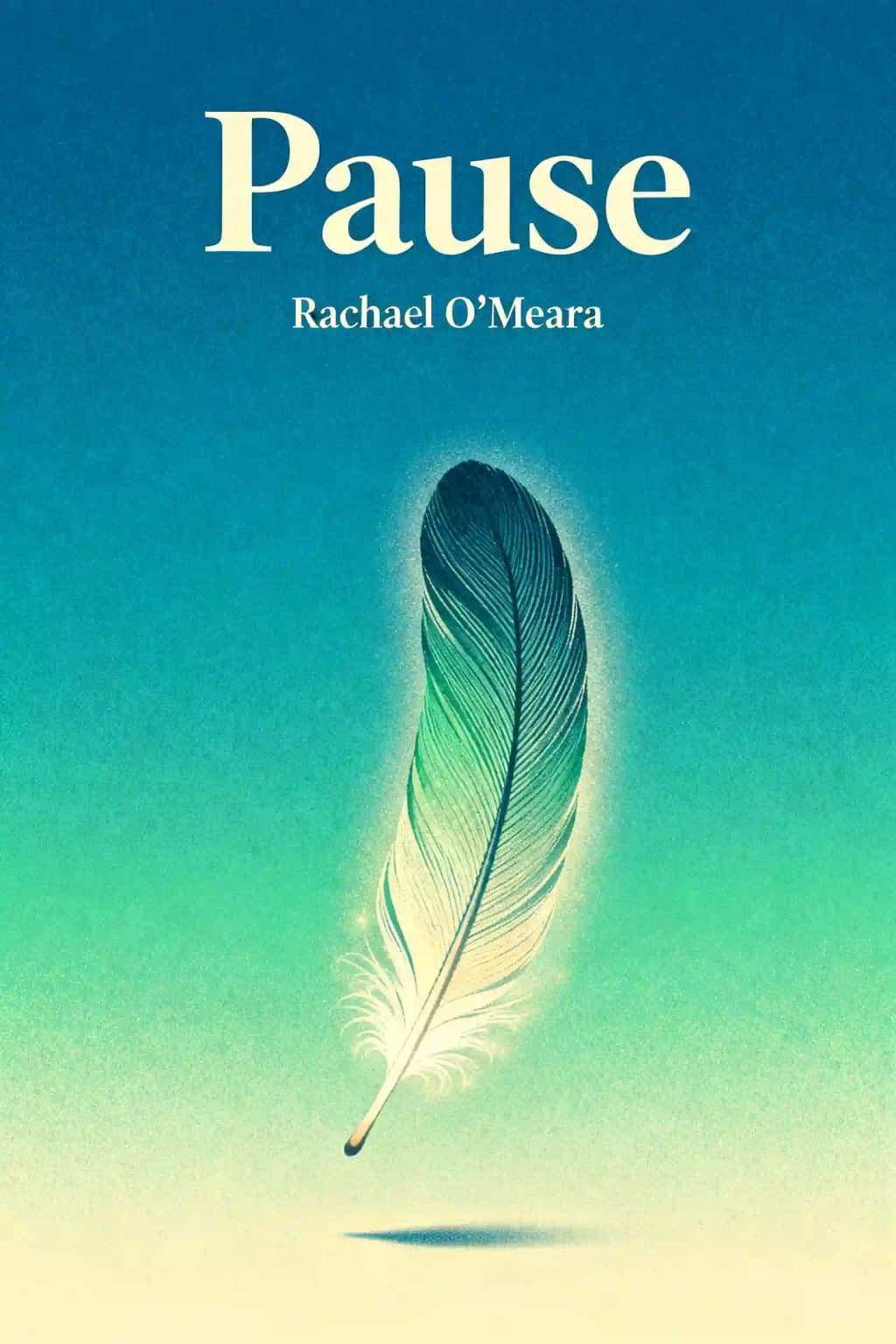
Pause
harnessing the life-changing power of giving yourself a break
Overview of Pause
In "Pause," Rachael O'Meara reveals why strategic breaks transform careers. Endorsed by Arianna Huffington for its science-backed techniques, this guide shows how intentional pausing - what tech leaders call "productive disconnection" - might be the counterintuitive secret to your next breakthrough.

Key Themes in Pause
- burnout recovery
- digital detox
- sabbatical planning
- intentional living
- workplace performance anxiety
Quotes from Pause
What is to give light must endure burning.
Burnout isn't just about working too much.
What would you do if you knew you weren't going to fail?
Taking time away isn't about thinking more—it's about thinking less.
Between stimulus and response there is a space.
Characters in Pause
- Rachael O’MearaAuthor and Google executive who experienced burnout
- MargaretRachael's supervisor who gave performance feedback
About the Author
About the Author of Pause
Rachael O’Meara, transformational leadership coach and bestselling author of Pause: Powerfully Taking Breaks in a World That Never Stops, combines her corporate expertise with evidence-based mindfulness strategies to help individuals avoid burnout. A Google sales executive with over a decade of experience, O’Meara draws from her MBA background and ICF-certified coaching practice to address themes of intentional living and career fulfillment.
Her work has been featured in The New York Times, WSJ.com, and HuffPost, while her Talks at Google segment on emotional intelligence has garnered widespread visibility.
O’Meara hosts the Be the Pause podcast, interviewing thought leaders like Daniel Goleman, and developed the PAUSE framework—a behavioral reset tool adopted by professionals worldwide. Certified by Wright Graduate University, she integrates Adlerian psychology and neuroscience into actionable strategies. Pause was named one of 2017’s top career-focused business books and remains a staple in corporate wellness programs.
Download Summary of Pause
Get the Pause summary as a free PDF or EPUB. Print it or read offline anytime.
FAQs About This Book
Pause explores the transformative power of intentional breaks to combat burnout and realign with life’s purpose. Rachael O’Meara blends neuroscience, psychology, and personal stories to guide readers through identifying burnout signs, designing pauses (from micro-breaks to sabbaticals), and reintegrating with renewed clarity. The book emphasizes slowing down to boost happiness, productivity, and fulfillment.
This book is ideal for professionals, caregivers, or anyone feeling overwhelmed by constant demands. It’s particularly valuable for those navigating career transitions, burnout, or seeking work-life balance. Leaders aiming to improve emotional intelligence or teams managing stress will also benefit.
Yes—readers praise its actionable frameworks for designing breaks and relatable examples of pauses in action. Reviews highlight its relevance for high achievers, with one noting regret for not discovering it earlier during periods of overcommitment.
Core ideas include:
- Micropauses: Short, intentional breaks (e.g., five-minute walks).
- Amygdala hijacks: Managing stress-triggered emotional reactions.
- Reentry strategies: Smoothly transitioning back post-pause.
- TASER method: Challenging limiting beliefs through reflection.
A pause is any intentional behavior shift creating mental space for attitude, thought, or emotional changes. It ranges from brief digital detoxes to extended sabbaticals, allowing alignment with inner values for a more purposeful life.
The book provides:
- Breathwork exercises for immediate calm.
- Pause planning templates for custom breaks.
- Mental flossing techniques to clear negativity.
- Goal-setting frameworks for post-pause reintegration.
O’Meara links burnout to ignoring internal signals and offers science-backed strategies to reset. Her personal Google sabbatical story illustrates how pauses prevent chronic stress by creating space for reflection and reprioritization.
Cases include:
- A corporate executive taking a three-month unpaid leave.
- Daily “tech-free hours” to recharge mentally.
- A parent redesigning their schedule to prioritize family.
Unlike generic productivity guides, Pause combines neuroscience with tactical planning for breaks. It’s less about “doing more” and more about strategic slowing—similar to Burnout by Emily Nagoski but with a corporate focus.
Amid rising remote work and AI-driven productivity pressures, the book’s emphasis on intentional slowdowns addresses modern burnout risks. Its reentry strategies help navigate rapid technological changes mindfully.
Some may find its corporate-centric examples less relatable for non-professionals. A few reviewers note the need for more diverse pause durations beyond extreme cases (e.g., sabbaticals).
The book advises using pauses to assess alignment between work and personal values. Tools like the “yearning audit” help identify unfulfilled needs, while post-pause action plans enable purposeful career shifts.