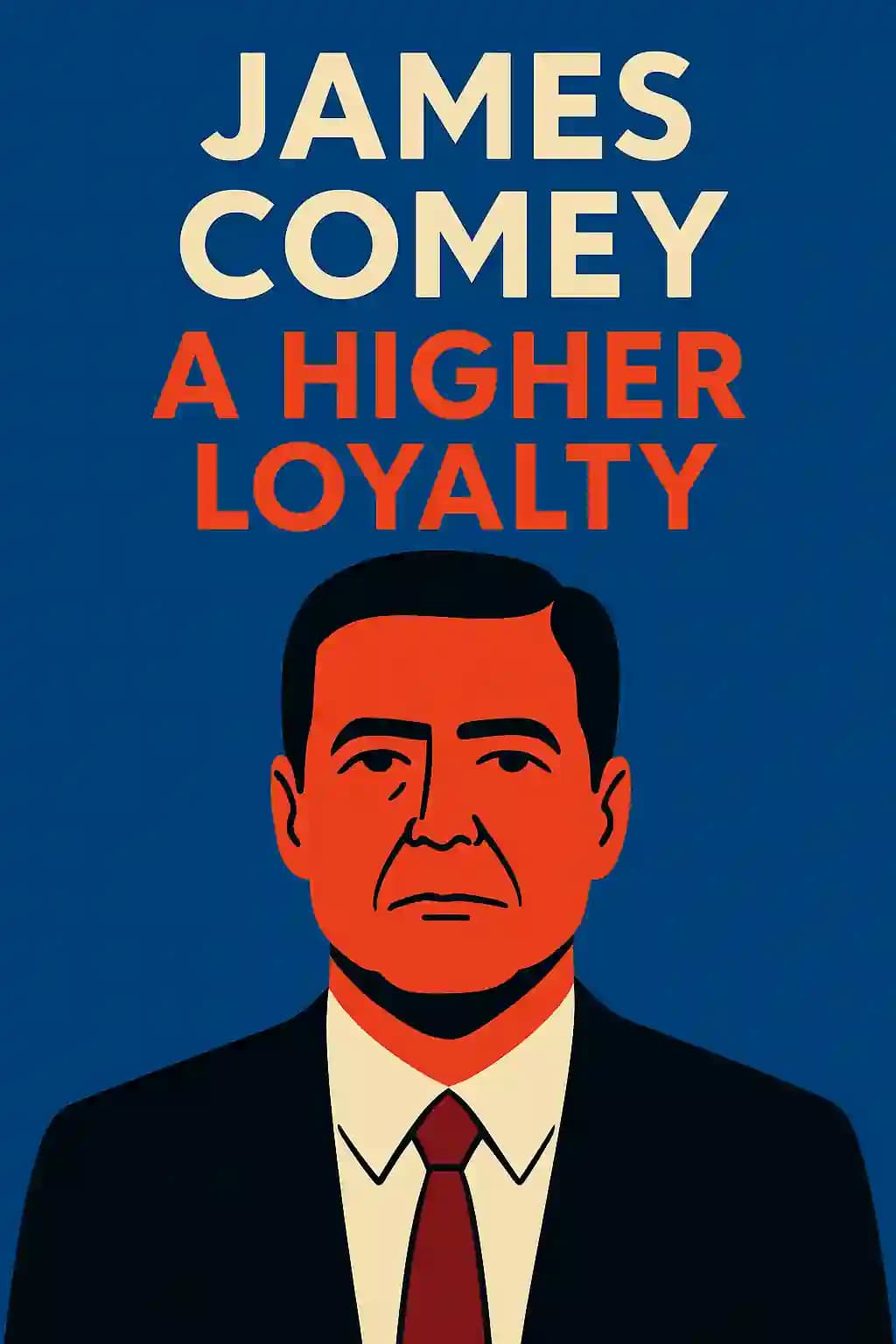
A Higher Loyalty
Truth, Lies, and Leadership
Panoramica di A Higher Loyalty
Former FBI Director James Comey's explosive memoir exposes Trump's mafia-like leadership demands and the ethical crisis dividing America. Topping bestseller lists instantly, this controversial insider account sparked presidential Twitter storms and redefined the national conversation about loyalty to truth over power.
Temi chiave in A Higher Loyalty
- institutional independence
- ethical decision making
- truth to power
- rule of law
- political interference
Citazioni da A Higher Loyalty
True loyalty is not blind obedience to a person or party.
Concealing the reopened investigation would have been catastrophic.
Leadership sometimes requires making difficult decisions.
We are facing a crisis of values in our country.
Personaggi di A Higher Loyalty
- James ComeyAuthor, former FBI Director and prosecutor
- John AshcroftAttorney General during a hospital confrontation
- Michael FlynnFormer National Security Advisor under investigation
Scarica il riassunto di A Higher Loyalty
Ottieni il riassunto di A Higher Loyalty in formato PDF o EPUB gratuito. Stampalo o leggilo offline quando vuoi.
FAQ su questo libro
A Higher Loyalty is James Comey’s memoir exploring ethical leadership through his career as FBI Director, detailing high-stakes decisions under Presidents Bush, Obama, and Trump. It defends his handling of the 2016 Clinton email investigation and recounts confrontations with Trump over loyalty demands and the Michael Flynn case, framing these events through lessons on integrity and institutional norms.
This book appeals to readers interested in political memoirs, leadership ethics, or behind-the-scenes accounts of U.S. intelligence controversies. It’s particularly relevant for those analyzing the Trump administration’s early days, FBI protocols, or bipartisan challenges in governance.
Yes, for its insider perspective on pivotal modern political events, though critics argue Comey’s self-portrayal as an ethical idealist overlooks misjudgments, such as his October 2016 letter reopening the Clinton investigation. The book balances vivid White House anecdotes with reflections on accountability and power.
Critics contend Comey’s narrative selectively justifies his actions, downplays consequences like election interference, and displays moral rigidity. Some highlight his failure to hold Bush-era officials accountable for surveillance overreach while critiquing his self-comparisons to historical figures like Caesar’s assassins.
Comey frames ethical leadership as prioritizing integrity over loyalty to individuals, emphasizing transparency, and resisting pressure to politicize institutions. He contrasts Trump’s demand for personal loyalty with Obama’s detached, process-driven approach, arguing leaders must uphold values even amid crisis.
Comey claims Trump repeatedly demanded personal loyalty, stating, “I need loyalty. I expect loyalty,” during a private dinner. This clashed with Comey’s view of impartial law enforcement, leading him to document their interactions in memos later cited in the Mueller investigation.
Comey defends his 2016 decisions, arguing protocol required public updates on the Clinton probe. He admits regret for reopening the case days before the election but insists he aimed to protect the FBI’s apolitical reputation, despite backlash over its electoral impact.
Comey praises Obama’s intellectual rigor and restraint, contrasting it with Trump’s transactional style. He notes Obama avoided private meetings to prevent perceived coercion, though critiques Obama’s public exoneration of Clinton as premature.
Unlike memoirs focused solely on policy, Comey’s book blends career lessons with whistleblower-style revelations about Trump. It shares similarities with Bob Woodward’s investigative accounts but centers on institutional ethics rather than broader administration dynamics.
Comey details Trump’s request to “let Flynn go,” interpreting it as obstruction of justice. He frames his refusal as a defense of the FBI’s independence, though critics argue his handling of the case exemplified flawed judgment.
Key lessons include humility, moral clarity, and resisting “groupthink.” Comey cites childhood experiences with bullying and later career moments—like resisting Bush-era surveillance policies—as shaping his commitment to ethical decision-making.
The book remains a touchstone for debates on executive overreach, FBI neutrality, and balancing transparency with discretion. Its themes resonate amid ongoing discussions about accountability in intelligence agencies and political leadership.