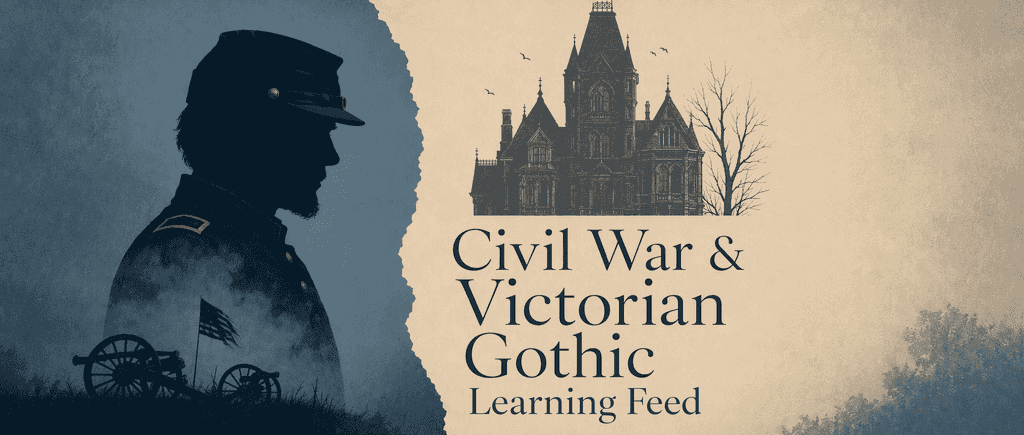
Overview of The Historian
Kostova's vampire thriller made publishing history as the fastest-selling debut novel ever, hitting #1 on NYT bestseller list immediately. What dark secrets drove readers to devour this 10-year passion project that turned Eastern Europe into a must-visit destination?
- Elizabeth Kostova blends Dracula mythology with an academic historical research thriller
- The epistolary novel spans three generations hunting Vlad Tepes' tomb
- Mysterious dragon books appear to historians studying Dracula across decades
- The Historian connects fifteenth century Wallachia with Cold War Europe
- Paul and Helen Rossi travel Istanbul, Hungary, and Bulgaria tracking Dracula
- Kostova portrays Dracula as an immortal scholar collecting books about himself
- The unnamed narrator discovers her mother, Helen, descended from Vlad
- Multiple timelines unfold through letters, maps, and archival documents
- Professor Rossi disappears after researching whether Dracula still lives today
- The novel explores the dangerous consequences of probing too deeply into history
- Sveti Georgi monastery in Bulgaria holds secrets to finding Dracula's actual tomb
- The Historian reinvents vampire fiction through rigorous historical detective work
About the Author of The Historian
Elizabeth Johnson Kostova is the bestselling author of The Historian and an acclaimed writer of Gothic historical fiction.
Born in Connecticut in 1964, Kostova holds a B.A. from Yale and an M.F.A. from the University of Michigan, where she won the prestigious Hopwood Award.
The Historian, a masterful blend of historical thriller and Gothic novel exploring the legend of Vlad the Impaler and Dracula, was inspired by vampire tales her father told during her childhood in Slovenia. Kostova spent ten years researching Eastern European history and folklore to craft the novel, drawing on her travels through Bulgaria and the Balkans.
Her other works include The Swan Thieves (2010) and The Shadow Land (2017). The Historian made publishing history as the first debut novel to reach #1 on The New York Times bestseller list, has sold over two million copies worldwide, and has been translated into more than 40 languages.
FAQs About The Historian
What is The Historian by Elizabeth Kostova about?
The Historian is a historical thriller that interweaves the legend of Vlad the Impaler (Dracula) with a modern-day quest across Eastern Europe. The novel follows an unnamed 16-year-old narrator who discovers a mysterious book in her father's library, leading her to uncover decades of research into whether Dracula still exists. The story spans multiple timelines—from the 1930s through the 1970s—as three generations of scholars hunt for Dracula's tomb while navigating Cold War tensions and supernatural dangers.
Who is Elizabeth Kostova and why did she write The Historian?
Elizabeth Kostova is an American author born in Connecticut in 1964 who holds degrees from Yale University and an MFA from the University of Michigan. She wrote The Historian after a 1994 hiking trip sparked the question: "What if Dracula was listening in while a father told his daughter stories?" Her Bulgarian husband and her travels through Eastern Europe during the fall of Communism deeply influenced the novel's authentic setting and cultural details. The book became the first debut novel to debut at #1 on the New York Times Bestseller List.
Who should read The Historian by Elizabeth Kostova?
The Historian appeals to readers who enjoy literary historical fiction, intellectual thrillers, and Gothic horror with academic rigor. It's ideal for fans of Dan Brown's The Da Vinci Code seeking a more literary approach, lovers of vampire mythology beyond typical horror tropes, and those fascinated by Eastern European history and culture. Readers who appreciate epistolary narratives, archival research, and slow-burn suspense will find this 700+ page novel rewarding, though those seeking fast-paced action may find its deliberate pacing challenging.
Is The Historian worth reading?
The Historian is worth reading for its masterful blend of meticulous historical research, atmospheric storytelling, and intellectual exploration of the Dracula legend. Elizabeth Kostova's debut novel sold over two million copies worldwide, won the 2006 British Book Awards Best Newcomer, and earned translation into 40 languages. While its length (over 700 pages) and academic tone may not suit every reader, those who invest in its layered narrative are rewarded with richly detailed settings, complex character relationships, and a fresh perspective on vampire mythology rooted in actual history.
What is the main plot of The Historian?
The Historian follows three interconnected timelines as scholars hunt for Dracula's tomb. In the 1970s, a teenage girl discovers her father Paul's investigation into his mentor Professor Bartholomew Rossi's mysterious disappearance in the 1950s. Paul and Helen Rossi (the narrator's mother and a Dracula descendant) travel through Istanbul, Hungary, and Bulgaria seeking answers. The search intensifies when Helen is bitten by one of Dracula's followers, giving her limited time before transformation. The novel climaxes in a Bulgarian monastery where they discover Rossi's fate and Dracula's true purpose.
How does The Historian use the epistolary format?
The Historian employs letters, academic papers, and oral storytelling to create nested narratives across multiple timelines. The unnamed narrator reads her father Paul's letters describing his 1950s investigation, which include Professor Rossi's 1930s correspondence from Oxford detailing his original research. Elizabeth Kostova also incorporates 15th-century monk letters describing journeys with "a terrifying treasure." This layered structure mirrors academic research methodology while building suspense, as each layer reveals new clues about Dracula's whereabouts and connects past horrors to present dangers.
Is The Historian based on a true story?
The Historian is historical fiction rooted in the real history of Vlad III (Vlad Țepeș), the 15th-century Wallachian ruler who inspired Bram Stoker's Dracula. Elizabeth Kostova conducted extensive research into Vlad the Impaler's actual life (1431-1476), Eastern European folklore, and Cold War-era travel restrictions. While the vampire elements and character quests are fictional, the novel authentically portrays Bulgarian monasteries, Ottoman Turkish history, archival research methods, and the political tensions of 1970s Communist Eastern Europe. Kostova's Bulgarian husband and her own travels through the region informed the book's cultural accuracy.
What is the significance of the mysterious book with the dragon in The Historian?
The mysterious book featuring a dragon woodcut and the word "Drakulya" serves as a supernatural calling card connecting scholars across generations. Each researcher who receives this blank book becomes drawn into investigating Dracula's existence and whereabouts. In The Historian, the book appears to Professor Rossi in the 1930s, his student Paul in the 1950s, and Turkish scholar Turgut Bora later. Elizabeth Kostova uses this recurring object to suggest Dracula actively seeks scholars to catalog his collection of books about war, torture, and himself—making the book both bait and warning.
What role does Eastern Europe play in The Historian?
Eastern Europe is central to The Historian's atmosphere and plot, serving as the bridge between medieval history and Cold War reality. Elizabeth Kostova sets the search for Dracula's tomb across Istanbul, Hungary, Bulgaria, and Romania—regions where Byzantine, Ottoman, and Communist influences preserved mysterious traditions. The Iron Curtain's restrictions add tension as characters navigate state surveillance, propaganda, and limited travel permissions. Kostova's authentic portrayal of Bulgarian monasteries, village folklore, and archival collections reflects her firsthand research in these regions during the late 1980s and early 1990s.
What are the main themes in The Historian by Elizabeth Kostova?
The Historian explores the tension between documented history and enduring legend, questioning what survives beyond recorded facts. Major themes include the corrupting nature of immortality, the power of academic knowledge versus supernatural evil, and the complex relationship between Eastern and Western cultures. Elizabeth Kostova examines inheritance—both genetic (Helen as Dracula's descendant) and intellectual (each generation of scholars passing research forward). The novel also investigates how totalitarian regimes (both Dracula's medieval tyranny and Communist surveillance) attempt to control information and suppress truth.
How does The Historian portray Dracula differently from other vampire novels?
The Historian presents Dracula as an immortal scholar-tyrant obsessed with preserving and cataloging knowledge about war, torture, and his own legacy rather than as a seductive predator. Elizabeth Kostova emphasizes intellectual horror over physical violence—Dracula seeks scholars to curate his library, making him a patron of dark academia. Unlike traditional vampire fiction, this Dracula operates through historical manipulation and archival concealment rather than supernatural glamour. The novel grounds vampirism in medieval Wallachian history and portrays the Count as calculating and patient, hunting through centuries rather than attacking impulsively.
What are the criticisms of The Historian?
Critics of The Historian note its extensive length (over 700 pages) and deliberate pacing may frustrate readers seeking faster action. Some reviewers find the academic research sequences overly detailed and the romantic subplot between Paul and Helen underdeveloped. The novel's ending has been criticized as anticlimactic after such elaborate buildup. Additionally, some readers consider Elizabeth Kostova's prose occasionally purple or overly descriptive. Despite selling millions of copies, detractors argue the book prioritizes atmosphere and historical detail over character depth, and that its literary ambitions sometimes overshadow narrative momentum.
How does The Historian compare to The Da Vinci Code?
The Historian and The Da Vinci Code both blend historical mysteries with thriller elements, but Elizabeth Kostova's novel takes a more literary, academic approach. While Dan Brown emphasizes fast-paced action and puzzle-solving, Kostova prioritizes atmospheric storytelling, archival research, and cultural immersion across Eastern Europe. The Historian's 700+ pages develop setting and character more deeply than The Da Vinci Code's compressed timeline. Both novels benefited from reader appetite for intelligent thrillers mixing history and legend, though Kostova's debut is darker, slower, and more concerned with the ethics of immortality than religious conspiracy.
Feel the book through the author's voice
Turn knowledge into engaging, example-rich insights
Capture key ideas in a flash for fast learning
Enjoy the book in a fun and engaging way
Characters in The Historian
- Bartholomew RossiA professor who vanished after finding a book
- Vlad TepesThe historical Dracula and undead antagonist
- The unnamed narratorA sixteen-year-old girl who finds a cryptic book
Key Themes in The Historian
- vampire folklore origins
- archival research mystery
- multigenerational family secrets
- cold war espionage
- vlad the impaler
Quotes from The Historian
Not everyone who reaches into history survives it.
The archives become battlegrounds, and bibliography becomes a matter of life and death.
Explore Your Way of Learning
 Quick Summary Mode
Read or listen to The Historian Summary in 9 Minutes
Break down key ideas from The Historian into bite-sized takeaways to understand how innovative teams create, collaborate, and grow.

 Fun Mode
The Historian Lessons Told Through 21-Min Stories
Experience The Historian through vivid storytelling that turns innovation lessons into moments you'll remember and apply.
 Personalize Mode
Experience The Historian in your own learning style
Ask anything, choose your learning style, and co-create insights that truly resonate with you.
From Columbia University alumni built in San Francisco
"Instead of endless scrolling, I just hit play on BeFreed. It saves me so much time."


"I never knew where to start with nonfiction—BeFreed’s book lists turned into podcasts gave me a clear path."


"Perfect balance between learning and entertainment. Finished ‘Thinking, Fast and Slow’ on my commute this week."
"Crazy how much I learned while walking the dog. BeFreed = small habits → big gains."
"Reading used to feel like a chore. Now it’s just part of my lifestyle."

"Feels effortless compared to reading. I’ve finished 6 books this month already."
"BeFreed turned my guilty doomscrolling into something that feels productive and inspiring."

"BeFreed turned my commute into learning time. 20-min podcasts are perfect for finishing books I never had time for."
"BeFreed replaced my podcast queue. Imagine Spotify for books — that’s it. 🙌"

"It is great for me to learn something from the book without reading it."
"The themed book list podcasts help me connect ideas across authors—like a guided audio journey."
"Makes me feel smarter every time before going to work"
From Columbia University alumni built in San Francisco
"Instead of endless scrolling, I just hit play on BeFreed. It saves me so much time."
"I never knew where to start with nonfiction—BeFreed’s book lists turned into podcasts gave me a clear path."
"Perfect balance between learning and entertainment. Finished ‘Thinking, Fast and Slow’ on my commute this week."
"Crazy how much I learned while walking the dog. BeFreed = small habits → big gains."
"Reading used to feel like a chore. Now it’s just part of my lifestyle."
"Feels effortless compared to reading. I’ve finished 6 books this month already."
"BeFreed turned my guilty doomscrolling into something that feels productive and inspiring."
"BeFreed turned my commute into learning time. 20-min podcasts are perfect for finishing books I never had time for."
"BeFreed replaced my podcast queue. Imagine Spotify for books — that’s it. 🙌"
"It is great for me to learn something from the book without reading it."
"The themed book list podcasts help me connect ideas across authors—like a guided audio journey."
"Makes me feel smarter every time before going to work"
"Instead of endless scrolling, I just hit play on BeFreed. It saves me so much time."
"I never knew where to start with nonfiction—BeFreed’s book lists turned into podcasts gave me a clear path."
"Perfect balance between learning and entertainment. Finished ‘Thinking, Fast and Slow’ on my commute this week."
"Crazy how much I learned while walking the dog. BeFreed = small habits → big gains."
"Reading used to feel like a chore. Now it’s just part of my lifestyle."
"Feels effortless compared to reading. I’ve finished 6 books this month already."
"BeFreed turned my guilty doomscrolling into something that feels productive and inspiring."
"BeFreed turned my commute into learning time. 20-min podcasts are perfect for finishing books I never had time for."
"BeFreed replaced my podcast queue. Imagine Spotify for books — that’s it. 🙌"
"It is great for me to learn something from the book without reading it."
"The themed book list podcasts help me connect ideas across authors—like a guided audio journey."
"Makes me feel smarter every time before going to work"
"Instead of endless scrolling, I just hit play on BeFreed. It saves me so much time."
"I never knew where to start with nonfiction—BeFreed’s book lists turned into podcasts gave me a clear path."
"Perfect balance between learning and entertainment. Finished ‘Thinking, Fast and Slow’ on my commute this week."
"Crazy how much I learned while walking the dog. BeFreed = small habits → big gains."
"Reading used to feel like a chore. Now it’s just part of my lifestyle."
"Feels effortless compared to reading. I’ve finished 6 books this month already."
"BeFreed turned my guilty doomscrolling into something that feels productive and inspiring."
"BeFreed turned my commute into learning time. 20-min podcasts are perfect for finishing books I never had time for."
"BeFreed replaced my podcast queue. Imagine Spotify for books — that’s it. 🙌"
"It is great for me to learn something from the book without reading it."
"The themed book list podcasts help me connect ideas across authors—like a guided audio journey."
"Makes me feel smarter every time before going to work"

Download Summary of The Historian
Get the The Historian summary as a free PDF or EPUB. Print it or read offline anytime.