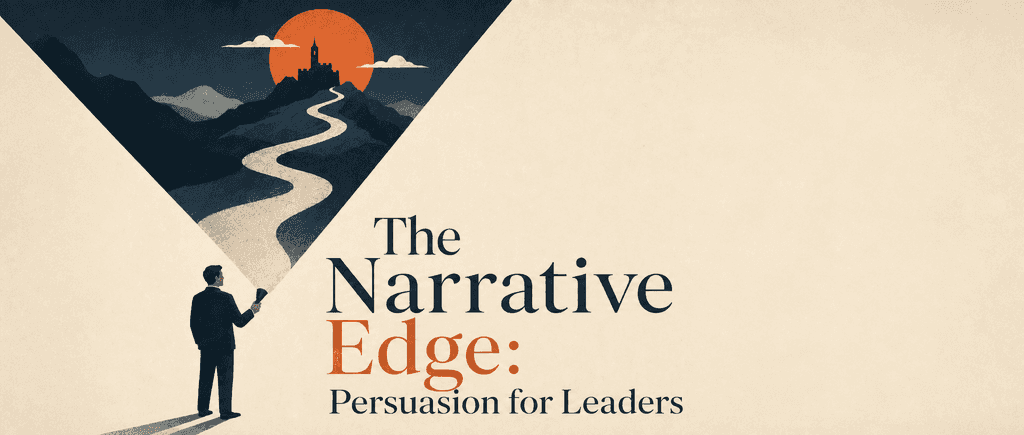
Aperçu de Stories That Stick
In "Stories That Stick," Kindra Hall reveals the four essential narratives every business needs - Value, Founder, Purpose, and Customer stories. Endorsed by top business leaders, this framework has revolutionized marketing strategy: "Stories constitute the single most powerful weapon in a leader's arsenal."
- Every business needs four core stories: value, founder, purpose, customer
- Identifiable characters and authentic emotion make stories 3x more memorable
- The Red Thread framework ties stories to audience needs and outcomes
- Specific details transform generic anecdotes into vivid mental movies
- Storytelling beats data-heavy presentations for persuasion (brain science-backed)
- Find-Craft-Tell: A three-step system for mining and shaping stories
- Great stories spotlight "moments of change" rather than entire timelines
- Customer stories should emphasize their transformation, not your product
- Frontline employees often hold a company’s most compelling untold stories
- Strategic silence creates space for audiences to personalize your narrative
- "Familiarity engineering" lets listeners imprint their experiences onto your story
- Authentic emotion in storytelling increases message retention by 400%
À propos de l'auteur de Stories That Stick
Kindra Hall, bestselling author of Stories That Stick: How Storytelling Can Captivate Customers, Influence Audiences, and Transform Your Business, is a globally recognized expert in strategic storytelling for business. A Wall Street Journal bestselling writer and former Chief Storytelling Officer at Success Magazine, Hall combines two decades of experience to teach companies like Facebook, Hilton Hotels, and Harvard Medical School how to craft narratives that drive engagement and growth. Her book—a staple in marketing and leadership genres—provides actionable frameworks for using stories to clarify brand value, foster customer loyalty, and inspire teams.
Hall further explores personal narrative in Choose Your Story, Change Your Life, which reimagines self-development through intentional storytelling. Her insights appear regularly in Entrepreneur, Inc., and her Success Stories podcast, where she interviewed icons like Daymond John and Misty Copeland.
A sought-after keynote speaker for Fortune 500 firms and industry conferences, Hall’s work has been hailed by Forbes as “the most valuable business book you read.” Stories That Stick debuted at #2 on the Wall Street Journal bestseller list and remains a go-to resource for leaders worldwide.
FAQ sur Stories That Stick
What is Stories That Stick by Kindra Hall about?
Stories That Stick teaches businesses how to harness storytelling to captivate audiences, drive sales, and build brand loyalty. Kindra Hall outlines four essential story types—Value, Founder, Purpose, and Customer Stories—providing actionable frameworks to craft narratives that resonate. The book blends real-world examples with psychological insights, showing how stories outperform facts in marketing, leadership, and customer engagement.
Who should read Stories That Stick?
Marketers, entrepreneurs, and leaders seeking to improve communication, sales, or team alignment. It’s ideal for professionals in industries like tech, hospitality, or retail (Hall’s clients include Facebook, Hilton, and Target) and anyone aiming to humanize their brand.
Is Stories That Stick worth reading?
Yes—Forbes called it “the most valuable business book you read,” and it ranks among Wall Street Journal and USA Today bestsellers. Readers praise its practicality, with templates for crafting stories and examples from companies like Tyson Foods and Harvard Medical School.
What are the four core stories in Stories That Stick?
- Value Story: Explains why your product/service matters.
- Founder Story: Shares your origin to build trust.
- Purpose Story: Aligns your brand with a deeper mission.
- Customer Story: Highlights client successes to demonstrate impact.
How does Stories That Stick help with marketing?
Hall argues stories trigger emotional engagement, making messages 22x more memorable than data. The book teaches how to replace features-focused pitches with narratives, like using customer journeys in case studies or founder struggles in brand campaigns.
Key quotes from Stories That Stick:
- “Stories are the only tool that can captivate a mind and a heart.”
- “Your customer doesn’t care about your story until they see themselves in it.”
These emphasize storytelling’s dual cognitive/emotional power and audience-centricity.
How does Stories That Stick compare to Made to Stick?
While both focus on memorable messaging, Hall’s work is more tactical for business contexts. Made to Stick explores universal principles (e.g., “SUCCESs” model), whereas Stories That Stick provides industry-specific templates for sales, HR, and branding.
Can Stories That Stick help with leadership communication?
Yes—Hall details how leaders like Berkshire Hathaway executives use purpose stories to inspire teams. For example, sharing a personal failure story can humanize leaders and encourage innovation.
What criticisms exist about Stories That Stick?
Some note the concepts aren’t entirely novel (e.g., “hero’s journey” parallels) and that implementing frameworks requires significant practice. However, most reviewers praise its step-by-step guidance over theoretical approaches.
Why is Stories That Stick relevant in 2025?
As AI-generated content floods markets, human-centered storytelling becomes a key differentiator. Hall’s emphasis on authenticity aligns with trends toward personalized, value-driven consumer relationships.
How does Stories That Stick address customer retention?
It teaches “ongoing narrative” strategies, like serializing customer success stories in newsletters or social media. Hall cites a hotel chain that boosted repeat bookings by 34% using personalized stay stories.
What’s unique about Kindra Hall’s approach in Stories That Stick?
Hall combines corporate experience (ex-Sales VP) with storytelling science. Unlike broader business books, she offers industry-specific templates, such as SaaS customer onboarding narratives or retail employee training stories.
Ressentez le livre à travers la voix de l'auteur
Transformez les connaissances en idées captivantes et riches en exemples
Capturez les idées clés en un éclair pour un apprentissage rapide
Profitez du livre de manière ludique et engageante
Personnages de Stories That Stick
- Kindra HallAuthor and professional storyteller
- Paul ZakNeuroscientist researching stories and oxytocin
- Betsey BaylessFormer Secretary of State and hospital advocate
- Marilyn SeymannFinancier and Maricopa Health Foundation speaker
Thèmes clés dans Stories That Stick
- strategic storytelling
- narrative transportation
- emotional connection
- persuasive communication
- brand loyalty
Citations de Stories That Stick
The Four Core Stories are The Value Story, The Founder Story, The Purpose Story, and The Customer Story.
Stories don't steal attention; they're freely given.
Some stories simply don't work. As I bluntly put it, 'Some stories suck.'
The problem isn't with the audience-it's with the message.
Those who bridge these gaps most effectively win in business.
Explorez Votre Façon d'Apprendre
 Mode Résumé Rapide
Lisez ou écoutez le résumé de Stories That Stick en 8 minutes
Décomposez les idées clés de Stories That Stick en points faciles à comprendre pour découvrir comment les équipes innovantes créent, collaborent et grandissent.

 Mode Fun
Leçons de Stories That Stick Racontées en Histoires de 22 Min
Découvrez Stories That Stick à travers des récits vivants qui transforment les leçons d'innovation en moments mémorables et applicables.
 Mode Personnaliser
Découvrez Stories That Stick dans votre propre style d’apprentissage
Posez vos questions, choisissez votre style d’apprentissage et co-créez des idées qui vous correspondent vraiment.
Cree par des anciens de Columbia University a San Francisco
"Instead of endless scrolling, I just hit play on BeFreed. It saves me so much time."


"I never knew where to start with nonfiction—BeFreed’s book lists turned into podcasts gave me a clear path."


"Perfect balance between learning and entertainment. Finished ‘Thinking, Fast and Slow’ on my commute this week."
"Crazy how much I learned while walking the dog. BeFreed = small habits → big gains."
"Reading used to feel like a chore. Now it’s just part of my lifestyle."

"Feels effortless compared to reading. I’ve finished 6 books this month already."
"BeFreed turned my guilty doomscrolling into something that feels productive and inspiring."

"BeFreed turned my commute into learning time. 20-min podcasts are perfect for finishing books I never had time for."
"BeFreed replaced my podcast queue. Imagine Spotify for books — that’s it. 🙌"

"It is great for me to learn something from the book without reading it."
"The themed book list podcasts help me connect ideas across authors—like a guided audio journey."
"Makes me feel smarter every time before going to work"
Cree par des anciens de Columbia University a San Francisco
"Instead of endless scrolling, I just hit play on BeFreed. It saves me so much time."
"I never knew where to start with nonfiction—BeFreed’s book lists turned into podcasts gave me a clear path."
"Perfect balance between learning and entertainment. Finished ‘Thinking, Fast and Slow’ on my commute this week."
"Crazy how much I learned while walking the dog. BeFreed = small habits → big gains."
"Reading used to feel like a chore. Now it’s just part of my lifestyle."
"Feels effortless compared to reading. I’ve finished 6 books this month already."
"BeFreed turned my guilty doomscrolling into something that feels productive and inspiring."
"BeFreed turned my commute into learning time. 20-min podcasts are perfect for finishing books I never had time for."
"BeFreed replaced my podcast queue. Imagine Spotify for books — that’s it. 🙌"
"It is great for me to learn something from the book without reading it."
"The themed book list podcasts help me connect ideas across authors—like a guided audio journey."
"Makes me feel smarter every time before going to work"
"Instead of endless scrolling, I just hit play on BeFreed. It saves me so much time."
"I never knew where to start with nonfiction—BeFreed’s book lists turned into podcasts gave me a clear path."
"Perfect balance between learning and entertainment. Finished ‘Thinking, Fast and Slow’ on my commute this week."
"Crazy how much I learned while walking the dog. BeFreed = small habits → big gains."
"Reading used to feel like a chore. Now it’s just part of my lifestyle."
"Feels effortless compared to reading. I’ve finished 6 books this month already."
"BeFreed turned my guilty doomscrolling into something that feels productive and inspiring."
"BeFreed turned my commute into learning time. 20-min podcasts are perfect for finishing books I never had time for."
"BeFreed replaced my podcast queue. Imagine Spotify for books — that’s it. 🙌"
"It is great for me to learn something from the book without reading it."
"The themed book list podcasts help me connect ideas across authors—like a guided audio journey."
"Makes me feel smarter every time before going to work"
"Instead of endless scrolling, I just hit play on BeFreed. It saves me so much time."
"I never knew where to start with nonfiction—BeFreed’s book lists turned into podcasts gave me a clear path."
"Perfect balance between learning and entertainment. Finished ‘Thinking, Fast and Slow’ on my commute this week."
"Crazy how much I learned while walking the dog. BeFreed = small habits → big gains."
"Reading used to feel like a chore. Now it’s just part of my lifestyle."
"Feels effortless compared to reading. I’ve finished 6 books this month already."
"BeFreed turned my guilty doomscrolling into something that feels productive and inspiring."
"BeFreed turned my commute into learning time. 20-min podcasts are perfect for finishing books I never had time for."
"BeFreed replaced my podcast queue. Imagine Spotify for books — that’s it. 🙌"
"It is great for me to learn something from the book without reading it."
"The themed book list podcasts help me connect ideas across authors—like a guided audio journey."
"Makes me feel smarter every time before going to work"

Telecharger le resume de Stories That Stick
Obtenez le resume de Stories That Stick en PDF ou EPUB gratuit. Imprimez-le ou lisez-le hors ligne a tout moment.