FightBack: Your Manual Against Digital Abuse, Harassment, and Cyberstalking

Aperçu de FightBack
"FightBack NOW" is your crisis survival blueprint, published during COVID-19's peak to help businesses leverage existing assets amid uncertainty. Written by FoundersLane CEO Felix Staeritz, it's become essential reading for leaders asking: How can we not just survive global disruption, but actually thrive through it?
- Leverage existing corporate assets to build crisis-resilient digital business models
- Replace rigid planning with continuous experimentation for rapid innovation cycles
- Prioritize ecosystem partnerships over solo ventures to scale solutions faster
- Transform physical infrastructure into hybrid digital-physical value networks systematically
- Use AI-driven market sensing to anticipate emerging crisis patterns early
- Implement modular organizational structures for faster pandemic-era pivots
- Convert corporate legacy systems into agile platforms through venture building
- Balance profit motives with societal impact during digital transformation efforts
- Apply military-style scenario planning to climate change business risks
- Embed corporate venture teams directly within operational units for execution speed
- Treat global crises as innovation catalysts rather than survival threats
- Combine startup agility with corporate resources for sustainable scale advantages
À propos de l'auteur de FightBack
Felix Staeritz and Sven Jungmann, authors of FightBack Now: Leveraging Your Assets to Shape the New Normal, are recognized authorities in corporate innovation and crisis management.
Staeritz is a bestselling author and digital transformation leader. He co-founded FoundersLane—Europe’s largest corporate venture builder focused on climate and health solutions. His 20+ years of entrepreneurial experience include guiding companies to IPO and advising the World Economic Forum’s Digital Leaders community.
Jungmann, a physician-turned-serial entrepreneur, combines medical insights with startup expertise gained from founding multiple ventures and studying healthcare innovation at Cambridge.
Their book blends strategic frameworks with real-world examples of leveraging platforms and ventures during disruptions like COVID-19, reflecting their shared mission to drive scalable solutions for global challenges. Staeritz’s earlier works include contributions to the FightBack movement empowering European corporations, while Jungmann explores digital economy strategies in his German-language title Das Entscheidende Jahrzent.
FightBack Now has gained traction among executives for its actionable approach to combining existing assets with emerging technologies and has expanded its reach through editions tailored for international business audiences, originally published in German.
FAQ sur FightBack
What is Fightback Now by Felix Staeritz about?
Fightback Now outlines strategies for thriving in the digital economy by merging corporate resources with entrepreneurial agility. Staeritz emphasizes building scalable ventures through platforms, collaboration, and innovation to tackle societal challenges like climate change and healthcare. The book draws on his 20+ years of experience founding ventures like FoundersLane, which has generated over €1.5B in value.
Who should read Fightback Now?
Business leaders, corporate innovators, and entrepreneurs seeking actionable frameworks for digital transformation will benefit most. It’s particularly relevant for executives aiming to bridge the gap between traditional business models and disruptive technologies. Staeritz’s insights also appeal to policymakers and investors focused on sustainable, large-scale impact.
Is Fightback Now worth reading?
Yes—it provides practical tools for leveraging corporate venture building (CVB) to address global challenges. Staeritz combines real-world examples (e.g., partnerships with Vattenfall and Allianz) with scalable frameworks, making it a valuable resource for driving innovation in established organizations. Its focus on urgency and execution sets it apart from theoretical business guides.
What is Corporate Venture Building (CVB) in Fightback Now?
CVB is Staeritz’s model for combining corporate resources with startup speed to launch high-impact ventures. It involves co-creating solutions with entrepreneurs, scaling innovations rapidly, and aligning them with broader business goals. FoundersLane’s success in climate and health sectors exemplifies this approach, having built 50+ ventures since 2016.
How does Fightback Now approach digital transformation?
The book advocates for a dual strategy: leveraging existing corporate infrastructure while fostering entrepreneurial risk-taking. Staeritz stresses the importance of platforms to connect stakeholders and accelerate idea-to-market cycles. He critiques traditional innovation hubs for being too slow and isolated from real-world challenges.
What role do entrepreneurs play in Fightback Now?
Entrepreneurs are depicted as catalysts for systemic change. Staeritz argues they must collaborate with corporations to scale solutions, citing examples like KochAbo/Marley Spoon’s IPO. The book positions entrepreneurship as a counterforce to bureaucratic inertia, particularly in addressing climate and health crises.
What are the criticisms of Fightback Now?
Some may find its focus on large corporations limits applicability for smaller businesses. Staeritz also prioritizes speed over incremental change, which could clash with risk-averse cultures. However, the book addresses these concerns by emphasizing adaptable frameworks and phased implementation.
How does Fightback Now relate to current trends in 2025?
Its emphasis on AI-driven innovation and sustainability aligns with 2025’s tech landscape. Staeritz’s CVB model offers a blueprint for companies navigating rapid automation and decarbonization mandates, making the book a timely guide for post-pandemic recovery strategies.
What are key takeaways from Fightback Now?
- Collaborative Innovation: Merge corporate stability with startup agility.
- Platform Ecosystems: Use digital tools to connect ideas, capital, and talent.
- Impact Scaling: Focus on ventures that address climate, health, and equity.
The book underscores the need for urgency, citing global challenges like resource scarcity.
How does Fightback Now compare to Felix Staeritz’s earlier works?
While Staeritz’s prior books explore entrepreneurship and digital leadership, Fightback Now is more prescriptive, offering step-by-step frameworks for CVB. It builds on concepts from his World Economic Forum insights, emphasizing actionable strategies over theoretical concepts.
What real-life examples does Fightback Now use?
Staeritz highlights FoundersLane’s partnerships with Allianz (insurance innovation), Vattenfall (renewable energy), and Riyad Bank (fintech). These cases demonstrate how CVB can drive €100M+ ventures within 12–24 months, validating the book’s methodologies.
What does the title Fightback Now symbolize?
The phrase “fightback” reflects Staeritz’s call to action against complacency in the face of digital disruption. It symbolizes reclaiming competitive advantage through innovation, particularly in industries lagging in sustainability and tech adoption.
Ressentez le livre à travers la voix de l'auteur
Capturez les idées clés en un éclair pour un apprentissage rapide
Personnages de FightBack
- Felix StaeritzAuthor, business leader, and innovator
- Sven JungmannAuthor, business leader, and innovator
Thèmes clés dans FightBack
- corporate venturing
- collaborative innovation
- asset orchestration
- future-back thinking
- disruption management
Citations de FightBack
Reactive strategies are no longer enough.
Embracing diversity isn't just about fairness - it's a strategic imperative.
The world needs bold, innovative leaders.
The old ways of operating are no longer sufficient.
Explorez Votre Façon d'Apprendre
 Mode Résumé Rapide
Lisez ou écoutez le résumé de FightBack en 8 minutes
Décomposez les idées clés de FightBack en points faciles à comprendre pour découvrir comment les équipes innovantes créent, collaborent et grandissent.

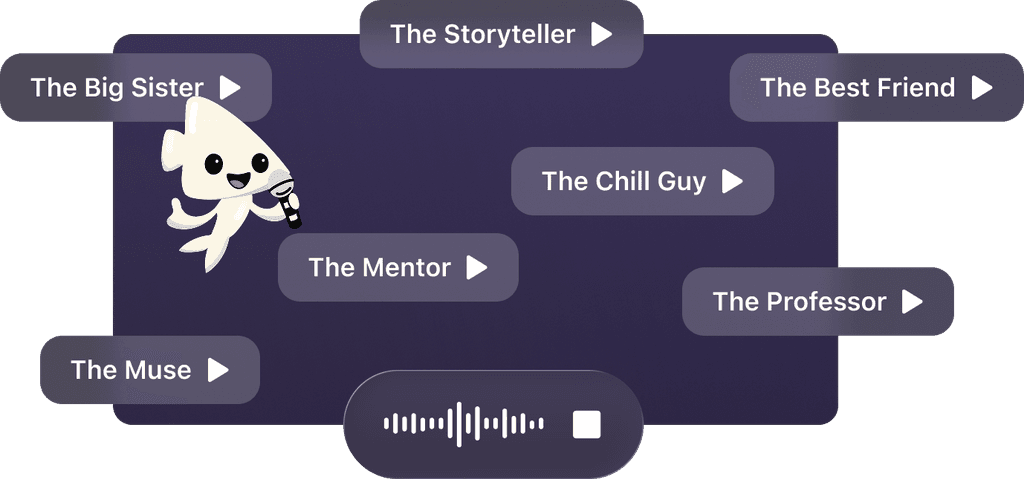
 Mode Personnaliser
Découvrez FightBack dans votre propre style d’apprentissage
Posez vos questions, choisissez votre style d’apprentissage et co-créez des idées qui vous correspondent vraiment.
Cree par des anciens de Columbia University a San Francisco
"Instead of endless scrolling, I just hit play on BeFreed. It saves me so much time."


"I never knew where to start with nonfiction—BeFreed’s book lists turned into podcasts gave me a clear path."


"Perfect balance between learning and entertainment. Finished ‘Thinking, Fast and Slow’ on my commute this week."
"Crazy how much I learned while walking the dog. BeFreed = small habits → big gains."
"Reading used to feel like a chore. Now it’s just part of my lifestyle."

"Feels effortless compared to reading. I’ve finished 6 books this month already."
"BeFreed turned my guilty doomscrolling into something that feels productive and inspiring."

"BeFreed turned my commute into learning time. 20-min podcasts are perfect for finishing books I never had time for."
"BeFreed replaced my podcast queue. Imagine Spotify for books — that’s it. 🙌"

"It is great for me to learn something from the book without reading it."
"The themed book list podcasts help me connect ideas across authors—like a guided audio journey."
"Makes me feel smarter every time before going to work"
Cree par des anciens de Columbia University a San Francisco
"Instead of endless scrolling, I just hit play on BeFreed. It saves me so much time."
"I never knew where to start with nonfiction—BeFreed’s book lists turned into podcasts gave me a clear path."
"Perfect balance between learning and entertainment. Finished ‘Thinking, Fast and Slow’ on my commute this week."
"Crazy how much I learned while walking the dog. BeFreed = small habits → big gains."
"Reading used to feel like a chore. Now it’s just part of my lifestyle."
"Feels effortless compared to reading. I’ve finished 6 books this month already."
"BeFreed turned my guilty doomscrolling into something that feels productive and inspiring."
"BeFreed turned my commute into learning time. 20-min podcasts are perfect for finishing books I never had time for."
"BeFreed replaced my podcast queue. Imagine Spotify for books — that’s it. 🙌"
"It is great for me to learn something from the book without reading it."
"The themed book list podcasts help me connect ideas across authors—like a guided audio journey."
"Makes me feel smarter every time before going to work"
"Instead of endless scrolling, I just hit play on BeFreed. It saves me so much time."
"I never knew where to start with nonfiction—BeFreed’s book lists turned into podcasts gave me a clear path."
"Perfect balance between learning and entertainment. Finished ‘Thinking, Fast and Slow’ on my commute this week."
"Crazy how much I learned while walking the dog. BeFreed = small habits → big gains."
"Reading used to feel like a chore. Now it’s just part of my lifestyle."
"Feels effortless compared to reading. I’ve finished 6 books this month already."
"BeFreed turned my guilty doomscrolling into something that feels productive and inspiring."
"BeFreed turned my commute into learning time. 20-min podcasts are perfect for finishing books I never had time for."
"BeFreed replaced my podcast queue. Imagine Spotify for books — that’s it. 🙌"
"It is great for me to learn something from the book without reading it."
"The themed book list podcasts help me connect ideas across authors—like a guided audio journey."
"Makes me feel smarter every time before going to work"
"Instead of endless scrolling, I just hit play on BeFreed. It saves me so much time."
"I never knew where to start with nonfiction—BeFreed’s book lists turned into podcasts gave me a clear path."
"Perfect balance between learning and entertainment. Finished ‘Thinking, Fast and Slow’ on my commute this week."
"Crazy how much I learned while walking the dog. BeFreed = small habits → big gains."
"Reading used to feel like a chore. Now it’s just part of my lifestyle."
"Feels effortless compared to reading. I’ve finished 6 books this month already."
"BeFreed turned my guilty doomscrolling into something that feels productive and inspiring."
"BeFreed turned my commute into learning time. 20-min podcasts are perfect for finishing books I never had time for."
"BeFreed replaced my podcast queue. Imagine Spotify for books — that’s it. 🙌"
"It is great for me to learn something from the book without reading it."
"The themed book list podcasts help me connect ideas across authors—like a guided audio journey."
"Makes me feel smarter every time before going to work"

Telecharger le resume de FightBack
Obtenez le resume de FightBack en PDF ou EPUB gratuit. Imprimez-le ou lisez-le hors ligne a tout moment.