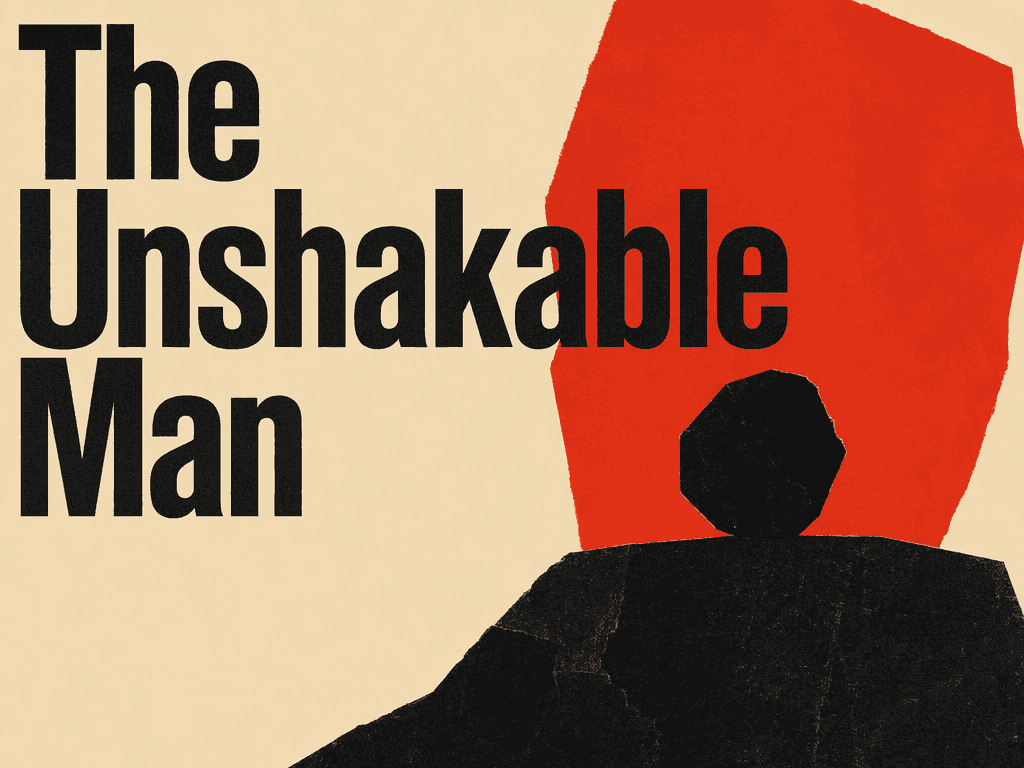
Overview of The Last Lion
Manchester's epic Churchill trilogy spans 2,961 pages over twenty years, revealing how one man's defiance against Nazi Germany changed history. Presidential historians rank it among the most compelling biographical achievements - a masterclass in leadership during humanity's darkest hour.
- The Last Lion reveals Churchill’s dual focus on macro strategy and micro battlefield details
- Churchill’s “painter’s eye” transformed scattered intelligence into decisive counterstrikes against Nazis
- Night owl work ethic and rhetorical mastery fueled Britain’s WWII survival narrative
- Political isolation in 1930s proved Churchill right about Hitler’s expansionist ambitions
- Flawed Mediterranean campaigns show even visionary leaders make catastrophic tactical errors
- Westminster speeches converted national despair into “finest hour” collective resilience
- Unconventional staff meetings leveraged junior experts to outthink German war technology
- Post-war welfare state advocacy contradicted his imperialist views on colonialism
- Cognac-fueled stamina and depressive episodes shaped history’s most complex leadership psyche
- The Last Lion trilogy dissects how solitary conviction reshapes global power dynamics
- Churchill’s Moscow missteps with Stalin previewed Cold War realpolitik challenges
- “Action this day” memes reveal systems thinking behind Britain’s bureaucracy modernization
About the Author of The Last Lion
William Raymond Manchester (1922–2004) was a Pulitzer Prize-nominated historian and bestselling author of The Last Lion, the definitive three-volume biography of Winston Churchill. Renowned for his immersive narratives of 20th-century leaders, Manchester combined rigorous scholarship with vivid prose to explore themes of leadership, resilience, and historical turning points.
His expertise stemmed from firsthand experience as a decorated U.S. Marine in World War II—detailed in his memoir Goodbye, Darkness—and decades spent profiling figures like Douglas MacArthur (American Caesar) and John F. Kennedy (The Death of a President). A Massachusetts State College and University of Missouri graduate, Manchester taught writing at Wesleyan University while producing 18 critically acclaimed books, five of which became Book-of-the-Month Club selections.
The Last Lion, completed posthumously by historian Paul Reid, cemented Manchester’s legacy as Churchill’s preeminent biographer, blending geopolitical analysis with intimate character studies. His works have been translated into over 20 languages, with The Death of a President selling more than 1 million copies. The Churchill trilogy remains required reading in leadership programs and military academies worldwide.
FAQs About The Last Lion
What is The Last Lion: Winston Spencer Churchill about?
The Last Lion by William Manchester chronicles Winston Churchill’s leadership during 1932–1940, a pivotal era as Nazi Germany rose to power. This second volume of Manchester’s trilogy details Churchill’s warnings against appeasement, his political isolation, and eventual resurgence as Britain’s wartime prime minister. It combines meticulous research with gripping prose to explore his resilience, strategic foresight, and role in defying fascism.
Who should read The Last Lion?
History enthusiasts, political leaders, and fans of biographical works will find this book compelling. It appeals to readers interested in WWII leadership, British history, or Churchill’s complex persona. Manchester’s vivid storytelling also makes it accessible to general audiences seeking a deeper understanding of 20th-century geopolitics.
Is The Last Lion worth reading?
Yes—reviewers widely praise it as one of the finest Churchill biographies, blending scholarly rigor with narrative brilliance. Manchester’s trilogy (completed by Paul Reid) is celebrated for its depth, balanced perspective, and ability to contextualize Churchill’s flaws and triumphs within his tumultuous era.
What are the main themes in The Last Lion?
Key themes include leadership under crisis, the dangers of political complacency, and the moral imperative to confront tyranny. Manchester highlights Churchill’s relentless advocacy for military preparedness and critiques the Allied governments’ failure to counter Hitler’s aggression until 1940.
How does the book portray Winston Churchill?
Manchester depicts Churchill as a flawed visionary—stubborn yet prophetic, politically ostracized early in the 1930s but vindicated as Hitler’s threats materialized. The biography emphasizes his oratorical genius, strategic acumen, and unwavering belief in Britain’s destiny.
What historical events does The Last Lion focus on?
The book examines Germany’s rearmament, the collapse of the Treaty of Versailles, and Britain’s policy of appeasement. It also dissects France’s military stagnation and Churchill’s efforts to rally support for collective security against Nazi expansion.
Are there notable quotes from The Last Lion?
A standout line describes Churchill’s complexity: “Yet though all saw him, all did not see him alike. He was a multifarious individual, including within one man a whole troupe of characters, some subversive of one another and none feigned”—capturing his paradoxical nature.
How does the book critique British and French policies?
Manchester condemns Britain’s rationalization of German aggression and France’s reluctance to modernize its military. He argues that their inaction, driven by post-WWI trauma, allowed Hitler to dominate Europe unchallenged until 1940.
What makes Manchester’s writing style unique?
Manchester blends cinematic detail with scholarly analysis, turning historical events into gripping narratives. His prose intensifies as WWII looms, mirroring the era’s urgency. Co-author Paul Reid maintains this vigor in the final volume.
How does The Last Lion compare to other Churchill biographies?
Widely regarded as the definitive account, Manchester’s trilogy excels in scope and readability. Unlike drier academic works, it immerses readers in Churchill’s world while providing critical insights into his policies and personality.
Are there criticisms of The Last Lion?
Some readers find the trilogy’s length (2,600+ pages) daunting. Early sections occasionally delve excessively into aristocratic scandals, though this contextualizes Churchill’s upbringing.
Why is the book titled The Last Lion?
The metaphor underscores Churchill’s role as Britain’s defiant protector during its “darkest hour.” Manchester positions him as the last titanic figure of the British Empire, embodying courage and tradition amid modernity’s crises.
Feel the book through the author's voice
Capture key ideas in a flash for fast learning
Characters in The Last Lion
- Winston Spencer ChurchillBritish Prime Minister and legendary leader
- Randolph ChurchillWinston's father and Chancellor of the Exchequer
- Jennie JeromeWinston's mother and American socialite
- Elizabeth EverestWinston's nanny who raised him
- Clementine ChurchillWinston's devoted wife
Key Themes in The Last Lion
- british imperial decline
- victorian aristocratic upbringing
- anti-appeasement movement
- wartime leadership oratory
- political isolation
Quotes from The Last Lion
Winston was known for his stubbornness and willingness to speak his mind.
We shall never surrender.
Explore Your Way of Learning
 Quick Summary Mode
Read or listen to The Last Lion Summary in 6 Minutes
Break down key ideas from The Last Lion into bite-sized takeaways to understand how innovative teams create, collaborate, and grow.

 Personalize Mode
Experience The Last Lion in your own learning style
Ask anything, choose your learning style, and co-create insights that truly resonate with you.
From Columbia University alumni built in San Francisco
"Instead of endless scrolling, I just hit play on BeFreed. It saves me so much time."


"I never knew where to start with nonfiction—BeFreed’s book lists turned into podcasts gave me a clear path."


"Perfect balance between learning and entertainment. Finished ‘Thinking, Fast and Slow’ on my commute this week."
"Crazy how much I learned while walking the dog. BeFreed = small habits → big gains."
"Reading used to feel like a chore. Now it’s just part of my lifestyle."

"Feels effortless compared to reading. I’ve finished 6 books this month already."
"BeFreed turned my guilty doomscrolling into something that feels productive and inspiring."

"BeFreed turned my commute into learning time. 20-min podcasts are perfect for finishing books I never had time for."
"BeFreed replaced my podcast queue. Imagine Spotify for books — that’s it. 🙌"

"It is great for me to learn something from the book without reading it."
"The themed book list podcasts help me connect ideas across authors—like a guided audio journey."
"Makes me feel smarter every time before going to work"
From Columbia University alumni built in San Francisco
"Instead of endless scrolling, I just hit play on BeFreed. It saves me so much time."
"I never knew where to start with nonfiction—BeFreed’s book lists turned into podcasts gave me a clear path."
"Perfect balance between learning and entertainment. Finished ‘Thinking, Fast and Slow’ on my commute this week."
"Crazy how much I learned while walking the dog. BeFreed = small habits → big gains."
"Reading used to feel like a chore. Now it’s just part of my lifestyle."
"Feels effortless compared to reading. I’ve finished 6 books this month already."
"BeFreed turned my guilty doomscrolling into something that feels productive and inspiring."
"BeFreed turned my commute into learning time. 20-min podcasts are perfect for finishing books I never had time for."
"BeFreed replaced my podcast queue. Imagine Spotify for books — that’s it. 🙌"
"It is great for me to learn something from the book without reading it."
"The themed book list podcasts help me connect ideas across authors—like a guided audio journey."
"Makes me feel smarter every time before going to work"
"Instead of endless scrolling, I just hit play on BeFreed. It saves me so much time."
"I never knew where to start with nonfiction—BeFreed’s book lists turned into podcasts gave me a clear path."
"Perfect balance between learning and entertainment. Finished ‘Thinking, Fast and Slow’ on my commute this week."
"Crazy how much I learned while walking the dog. BeFreed = small habits → big gains."
"Reading used to feel like a chore. Now it’s just part of my lifestyle."
"Feels effortless compared to reading. I’ve finished 6 books this month already."
"BeFreed turned my guilty doomscrolling into something that feels productive and inspiring."
"BeFreed turned my commute into learning time. 20-min podcasts are perfect for finishing books I never had time for."
"BeFreed replaced my podcast queue. Imagine Spotify for books — that’s it. 🙌"
"It is great for me to learn something from the book without reading it."
"The themed book list podcasts help me connect ideas across authors—like a guided audio journey."
"Makes me feel smarter every time before going to work"
"Instead of endless scrolling, I just hit play on BeFreed. It saves me so much time."
"I never knew where to start with nonfiction—BeFreed’s book lists turned into podcasts gave me a clear path."
"Perfect balance between learning and entertainment. Finished ‘Thinking, Fast and Slow’ on my commute this week."
"Crazy how much I learned while walking the dog. BeFreed = small habits → big gains."
"Reading used to feel like a chore. Now it’s just part of my lifestyle."
"Feels effortless compared to reading. I’ve finished 6 books this month already."
"BeFreed turned my guilty doomscrolling into something that feels productive and inspiring."
"BeFreed turned my commute into learning time. 20-min podcasts are perfect for finishing books I never had time for."
"BeFreed replaced my podcast queue. Imagine Spotify for books — that’s it. 🙌"
"It is great for me to learn something from the book without reading it."
"The themed book list podcasts help me connect ideas across authors—like a guided audio journey."
"Makes me feel smarter every time before going to work"

Download Summary of The Last Lion
Get the The Last Lion summary as a free PDF or EPUB. Print it or read offline anytime.