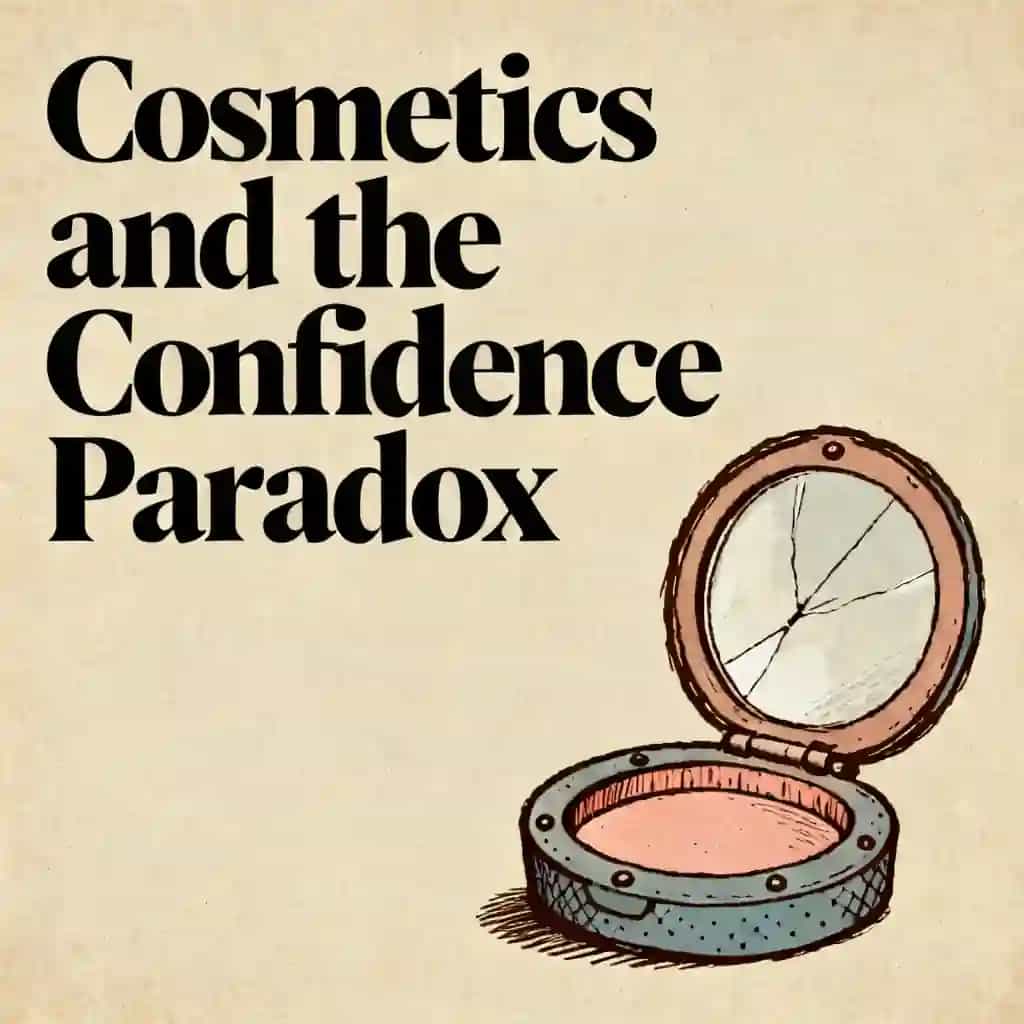
The beauty myth by Naomi Wolf Summary

Overview of The beauty myth
In "The Beauty Myth," Naomi Wolf exposes how impossible beauty standards control women's lives. This feminist manifesto sparked global conversations about media manipulation and self-image. What's more dangerous - beauty products or the psychological prison they create?
- Naomi Wolf exposes how beauty industries manufacture female insecurity for profit
- The "Iron Maiden" standard functions as modern psychological torture for women
- Workplace beauty requirements replaced legal barriers to women’s professional advancement
- Diet culture perpetuates Victorian-era control through symbolic food restriction rituals
- Cosmetic surgery boom mirrors historical religious punishment for female ambition
- Beauty myth adherents unconsciously uphold patriarchal power through self-surveillance
- Sexual liberation remains incomplete while pornographic beauty ideals dominate media
- Female aging triggers intensified beauty myth enforcement across cultures worldwide
- Wolf traces anorexia’s roots to corporate exploitation of feminist progress
- Beauty myth resistance requires dismantling $500B global beauty-industrial complex
- "Choice feminism" fails when beauty rituals mask systemic oppression
- Religious art history reveals beauty myth’s roots in male divinity narratives
About the Author of The beauty myth
Naomi Rebekah Wolf, bestselling author of The Beauty Myth: How Images of Beauty Are Used Against Women, is a pioneering feminist writer and cultural commentator whose work reshaped modern discourse on gender and societal norms. A Yale graduate and Rhodes Scholar at Oxford, Wolf’s academic rigor fuels her exploration of beauty standards, corporate oppression, and women’s autonomy in this landmark 1991 work of feminist non-fiction. Her insights blend personal narrative with incisive critique, cementing the book’s status as a third-wave feminism cornerstone.
Wolf’s authority extends to other influential titles like Fire with Fire and The End of America, alongside contributions to The New York Times, The Guardian, and political advisory roles for Bill Clinton and Al Gore.
As a frequent media analyst and former consulting editor at George Magazine, she bridges academia and public discourse. The Beauty Myth remains a global bestseller, mandated reading in gender studies programs, and a catalyst for debates on systemic inequities—its enduring relevance underscored by translations worldwide and ongoing citations in feminist theory.
FAQs About The beauty myth
What is The Beauty Myth by Naomi Wolf about?
The Beauty Myth argues that unrealistic beauty standards are used to control women, replacing traditional patriarchal constraints with a focus on physical perfection. Naomi Wolf links these ideals to consumerism, showing how industries profit from women’s insecurities while reinforcing gender inequality. The book examines impacts like eating disorders, workplace discrimination, and the "Iron Maiden" metaphor—an unattainable ideal that perpetuates self-doubt.
Who should read The Beauty Myth?
This book is essential for feminists, sociology students, and anyone exploring gender dynamics. It’s also valuable for readers critical of beauty industries or interested in systemic oppression. Wolf’s blend of cultural analysis and feminist theory offers insights into how societal norms shape personal identity, making it relevant for activists and academics alike.
Is The Beauty Myth worth reading in 2025?
Yes. Despite being published in 1991, its critique of beauty standards remains urgent amid social media filters and body-image pressures. Reviews highlight its enduring relevance, particularly its analysis of how beauty myths distract women from achieving equality. However, some critiques note oversimplification of historical contexts.
What is the "Iron Maiden" concept in The Beauty Myth?
The "Iron Maiden" refers to an unachievable beauty standard that mentally traps women, akin to a medieval torture device. Wolf argues this ideal—reinforced by media and advertising—creates perpetual dissatisfaction, diverting energy from personal and professional growth. The concept underscores how beauty myths function as tools of systemic control.
How does The Beauty Myth connect beauty standards to the workplace?
Wolf documents how women face gendered appearance rules, such as makeup mandates or weight scrutiny, which men rarely encounter. These standards create a "third shift" of beauty labor, undermining workplace equality by prioritizing aesthetics over competence. Examples include airline policies and corporate dress codes.
What does The Beauty Myth say about eating disorders?
The book ties rising rates of anorexia and bulimia to the beauty myth’s glorification of thinness. Wolf posits that diet culture—framed as a moral imperative—pathologizes women’s bodies, enabling industries to profit from self-loathing. This critique remains relevant amid today’s wellness trends.
What are criticisms of The Beauty Myth?
Some scholars, like Camille Paglia, argue Wolf oversimplifies historical beauty norms or neglects individual agency. Others note her reliance on anecdotal evidence over data. Despite this, the book is widely praised for sparking dialogue about beauty’s political role.
How does The Beauty Myth remain relevant today?
Modern issues like Instagram filters, cosmetic surgery trends, and "body positivity" marketing reflect Wolf’s warnings about commodified beauty. The book’s core argument—that beauty myths hinder gender progress—resonates in debates over aging, weight stigma, and LGBTQ+ representation.
What key quotes define The Beauty Myth?
- "The beauty myth is not about women at all. It is about men’s institutions and institutional power."
- "Dieting is the most potent political sedative in women’s history."
These lines encapsulate Wolf’s thesis: beauty standards uphold patriarchal structures by keeping women preoccupied with self-scrutiny.
How does The Beauty Myth compare to other feminist works?
Unlike Betty Friedan’s The Feminine Mystique, which critiques domestic roles, Wolf focuses on beauty as a post-feminist control mechanism. Both books, however, expose how societal expectations limit women’s autonomy. The Beauty Myth also prefigures modern critiques of "empowerment" marketing.
How does consumerism perpetuate the beauty myth?
Wolf argues that industries (cosmetics, fashion, diet) profit by selling solutions to artificially created insecurities. Ads equate beauty with morality, framing products as essential for self-worth. This cycle ensures women remain perpetual consumers, diverting resources from meaningful pursuits.
What role does media play in The Beauty Myth?
Magazines and ads act as "mass media for women," blending content with manipulative beauty narratives. Wolf highlights how media normalizes extreme diets and surgeries while framing beauty work as empowerment—a critique applicable to today’s influencer culture.
Feel the book through the author's voice
Turn knowledge into engaging, example-rich insights
Capture key ideas in a flash for fast learning
Enjoy the book in a fun and engaging way
Key Themes in The beauty myth
Quotes from The beauty myth
A cultural fixation on female thinness is not an obsession about female beauty but an obsession about female obedience.
The more legal and material hindrances women have broken through, the more strictly and heavily and cruelly images of female beauty have come to weigh upon us.
The beauty myth tells a story: The quality called 'beauty' objectively and universally exists. Women must want to embody it and men must want to possess women who embody it.
The beauty myth is always actually prescribing behavior and not appearance.
Beauty became increasingly oppressive.
Characters in The beauty myth
Quick Summary Mode - Read or listen to The beauty myth Summary in 8 Minutes

Break down key ideas from The beauty myth into bite-sized takeaways to understand how innovative teams create, collaborate, and grow.

Flash Card Mode - Top 10 Insights from The beauty myth in a Nutshell

Distill The beauty myth into rapid-fire memory cues that highlight key principles of candor, teamwork, and creative resilience.

Fun Mode - The beauty myth Lessons Told Through 25-Min Stories

Experience The beauty myth through vivid storytelling that turns innovation lessons into moments you'll remember and apply.
Personalize Mode - Read or listen to The beauty myth Summary in 0 Minutes

Ask anything, pick the voice, and co-create insights that truly resonate with you.

From Columbia University alumni built in San Francisco
"Instead of endless scrolling, I just hit play on BeFreed. It saves me so much time."


"I never knew where to start with nonfiction—BeFreed’s book lists turned into podcasts gave me a clear path."


"Perfect balance between learning and entertainment. Finished ‘Thinking, Fast and Slow’ on my commute this week."
"Crazy how much I learned while walking the dog. BeFreed = small habits → big gains."
"Reading used to feel like a chore. Now it’s just part of my lifestyle."

"Feels effortless compared to reading. I’ve finished 6 books this month already."
"BeFreed turned my guilty doomscrolling into something that feels productive and inspiring."

"BeFreed turned my commute into learning time. 20-min podcasts are perfect for finishing books I never had time for."
"BeFreed replaced my podcast queue. Imagine Spotify for books — that’s it. 🙌"

"It is great for me to learn something from the book without reading it."
"The themed book list podcasts help me connect ideas across authors—like a guided audio journey."
"Makes me feel smarter every time before going to work"
From Columbia University alumni built in San Francisco
"Instead of endless scrolling, I just hit play on BeFreed. It saves me so much time."
"I never knew where to start with nonfiction—BeFreed’s book lists turned into podcasts gave me a clear path."
"Perfect balance between learning and entertainment. Finished ‘Thinking, Fast and Slow’ on my commute this week."
"Crazy how much I learned while walking the dog. BeFreed = small habits → big gains."
"Reading used to feel like a chore. Now it’s just part of my lifestyle."
"Feels effortless compared to reading. I’ve finished 6 books this month already."
"BeFreed turned my guilty doomscrolling into something that feels productive and inspiring."
"BeFreed turned my commute into learning time. 20-min podcasts are perfect for finishing books I never had time for."
"BeFreed replaced my podcast queue. Imagine Spotify for books — that’s it. 🙌"
"It is great for me to learn something from the book without reading it."
"The themed book list podcasts help me connect ideas across authors—like a guided audio journey."
"Makes me feel smarter every time before going to work"
"Instead of endless scrolling, I just hit play on BeFreed. It saves me so much time."
"I never knew where to start with nonfiction—BeFreed’s book lists turned into podcasts gave me a clear path."
"Perfect balance between learning and entertainment. Finished ‘Thinking, Fast and Slow’ on my commute this week."
"Crazy how much I learned while walking the dog. BeFreed = small habits → big gains."
"Reading used to feel like a chore. Now it’s just part of my lifestyle."
"Feels effortless compared to reading. I’ve finished 6 books this month already."
"BeFreed turned my guilty doomscrolling into something that feels productive and inspiring."
"BeFreed turned my commute into learning time. 20-min podcasts are perfect for finishing books I never had time for."
"BeFreed replaced my podcast queue. Imagine Spotify for books — that’s it. 🙌"
"It is great for me to learn something from the book without reading it."
"The themed book list podcasts help me connect ideas across authors—like a guided audio journey."
"Makes me feel smarter every time before going to work"
"Instead of endless scrolling, I just hit play on BeFreed. It saves me so much time."
"I never knew where to start with nonfiction—BeFreed’s book lists turned into podcasts gave me a clear path."
"Perfect balance between learning and entertainment. Finished ‘Thinking, Fast and Slow’ on my commute this week."
"Crazy how much I learned while walking the dog. BeFreed = small habits → big gains."
"Reading used to feel like a chore. Now it’s just part of my lifestyle."
"Feels effortless compared to reading. I’ve finished 6 books this month already."
"BeFreed turned my guilty doomscrolling into something that feels productive and inspiring."
"BeFreed turned my commute into learning time. 20-min podcasts are perfect for finishing books I never had time for."
"BeFreed replaced my podcast queue. Imagine Spotify for books — that’s it. 🙌"
"It is great for me to learn something from the book without reading it."
"The themed book list podcasts help me connect ideas across authors—like a guided audio journey."
"Makes me feel smarter every time before going to work"

Get the The beauty myth summary as a free PDF or EPUB. Print it or read offline anytime.
![[20260e13-c64a-4eee-894d-9637460ed68a:c0000] BeFreed p1-1](/_next/image?url=https%3A%2F%2Fd1y2du6z1jfm9e.cloudfront.net%2Fassets%2Fpodcast%2Fpurple.png&w=1024&q=50)