Overview of Milk and Honey
"milk and honey" - Rupi Kaur's revolutionary poetry collection explores trauma, love, and healing through four powerful chapters. With 3 million copies sold, 165 weeks on NYT bestseller list, and translations in 25 languages, this Instagram-born phenomenon redefined modern poetry for a generation seeking solace.
- Milk and Honey's four-part journey transforms trauma into self-love through raw vulnerability
- Rupi Kaur redefines healing as daily acts of courage over dramatic transformations
- Feminine resilience means rejecting societal shame about bodies and emotional depth
- Short-line poetics mirror Punjabi oral traditions—finding power in linguistic simplicity
- True self-discovery requires burning old identities to embrace imperfect growth
- Instead of silencing pain, Kaur's verses treat wounds as wisdom sources
- The breaking phase exposes how societal norms weaponize love against women
- Healing begins by naming abuse without flinching or seeking forgiveness
- Kaur's signature sketches visualize the body's journey from violation to autonomy
- Milk and Honey reframes silence as complicity in personal and systemic oppression
- Growth emerges from sitting with bitter truths until they sweeten into strength
- The collection's power lies in making survivors feel deeply seen through verse
About the Author of Milk and Honey
Rupi Kaur, the bestselling author of milk and honey, is a trailblazing poet and visual artist who is renowned for reshaping modern poetry through social media.
Born in India in 1992 and raised in Canada, her work explores themes of love, trauma, healing, and femininity, deeply influenced by her experiences as an immigrant and woman of color.
Kaur self-published milk and honey at 21, blending minimalist verse with evocative illustrations, sparking a global phenomenon that has sold over 12 million copies and has been translated into 40+ languages. She followed this success with the sun and her flowers and home body, both debuting at #1 on bestseller lists, and Healing Through Words, a guided journal for self-exploration.
A Forbes 30 Under 30 honoree and BBC 100 Women luminary, Kaur’s TED Talks and Amazon Prime Video special Rupi Kaur Live amplify her advocacy for marginalized voices. Her work is celebrated in academia and pop culture, cementing her as a defining voice of contemporary literature.
FAQs About Milk and Honey
What is Milk and Honey by Rupi Kaur about?
Milk and Honey is a poetry collection exploring survival through themes of trauma, abuse, love, and healing. Divided into four sections—hurting, loving, breaking, and healing—it chronicles a journey from pain to self-empowerment, emphasizing feminist perspectives on body positivity, silenced voices, and reclaiming agency.
Who should read Milk and Honey?
This book resonates with survivors of abuse, feminists, and readers seeking raw, accessible poetry. It’s ideal for those navigating self-love, trauma recovery, or gender inequality, and appeals to both poetry enthusiasts and newcomers drawn to its minimalist style.
Is Milk and Honey worth reading?
Yes—it’s acclaimed for its emotional depth and relatability, particularly among young women. While some critique its simplistic structure, its themes of resilience and empowerment offer profound insights into healing and femininity.
What are the main feminist themes in Milk and Honey?
The collection challenges patriarchal norms, addressing body shaming, sexual violence, and systemic silencing of women. It advocates for self-acceptance, gender equality, and reclaiming autonomy, often tying personal trauma to broader feminist struggles.
How does Milk and Honey structure its narrative?
The four sections mirror emotional stages:
- Hurting: Childhood abuse and oppression.
- Loving: Complex relationships and intimacy.
- Breaking: Heartache and betrayal.
- Healing: Self-discovery and empowerment.
What does the title Milk and Honey symbolize?
“Milk” represents nurturing and resilience, while “honey” signifies the sweetness of healing. Together, they reflect finding beauty in suffering and the transformative power of self-love.
How does Rupi Kaur’s background influence Milk and Honey?
Kaur’s experiences with childhood sexual assault, cultural repression, and a strained family dynamic shape the collection’s raw honesty. Her Sikh-Indian heritage and immigrant identity inform themes of displacement and reclaiming voice.
What are key quotes from Milk and Honey?
- “The idea of shrinking is hereditary”: Critiques generational silencing of women.
- “You have pinned my legs to the ground… now you ask why I do not leap”: Metaphor for systemic oppression.
How does Milk and Honey address self-love?
It frames self-acceptance as rebellion—encouraging readers to embrace their bodies, reject shame, and prioritize inner strength. Poems like “how you love yourself is how you teach others to love you” underscore this journey.
What criticisms exist about Milk and Honey?
Some argue its free-verse style lacks complexity, and repetitive themes risk oversimplifying trauma. However, supporters praise its accessibility and emotional resonance.
Why is Milk and Honey culturally significant?
It helped popularize Instagram poetry, bridging literary and digital spaces. Its candid exploration of abuse and feminism sparked global conversations about marginalized voices.
How does Milk and Honey compare to similar works?
Like Amanda Lovelace’s The Princess Saves Herself in This One, it blends confessional poetry with feminist themes. However, Kaur’s focus on immigrant identity and visual simplicity distinguishes her work.
Feel the book through the author's voice
Turn knowledge into engaging, example-rich insights
Capture key ideas in a flash for fast learning
Enjoy the book in a fun and engaging way
Characters in Milk and Honey
- Rupi KaurAuthor and subject of the poems
- Ariana GrandeCelebrity who praised the book's honesty
Key Themes in Milk and Honey
- intergenerational trauma
- sexual violence recovery
- patriarchal family dynamics
- reclaiming bodily autonomy
- vulnerability in intimacy
Quotes from Milk and Honey
i do not want to have you to fill the empty parts of me i want to be full on my own i want to be so complete i could light a whole city and then i want to have you because together we would set it on fire
how you love yourself is how you teach others to love you
i am a museum full of art but you had your eyes shut
what is stronger than the human heart which shatters over and over and still lives
my body is a museum of natural disasters.
Explore Your Way of Learning
 Quick Summary Mode
Read or listen to Milk and Honey Summary in 9 Minutes
Break down key ideas from Milk and Honey into bite-sized takeaways to understand how innovative teams create, collaborate, and grow.

 Fun Mode
Milk and Honey Lessons Told Through 22-Min Stories
Experience Milk and Honey through vivid storytelling that turns innovation lessons into moments you'll remember and apply.
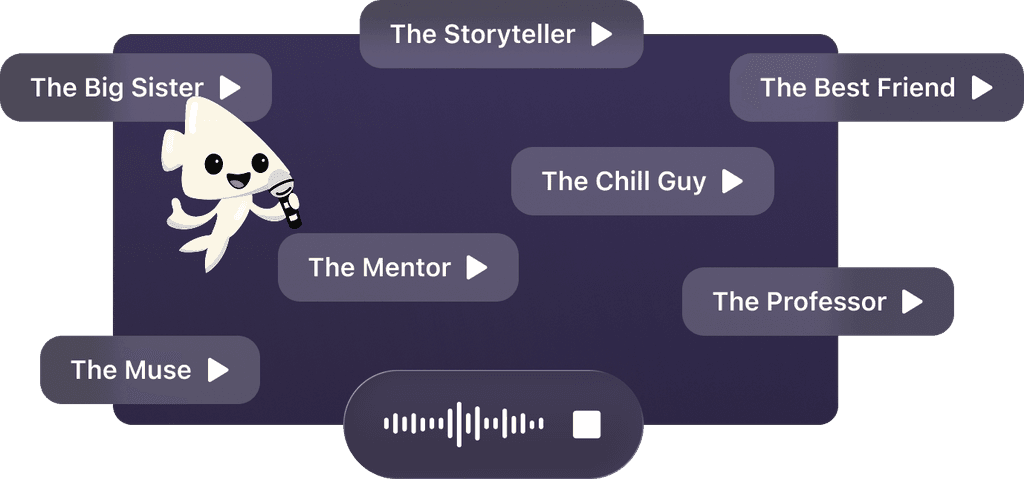
 Personalize Mode
Experience Milk and Honey in your own learning style
Ask anything, choose your learning style, and co-create insights that truly resonate with you.
From Columbia University alumni built in San Francisco
"Instead of endless scrolling, I just hit play on BeFreed. It saves me so much time."


"I never knew where to start with nonfiction—BeFreed’s book lists turned into podcasts gave me a clear path."


"Perfect balance between learning and entertainment. Finished ‘Thinking, Fast and Slow’ on my commute this week."
"Crazy how much I learned while walking the dog. BeFreed = small habits → big gains."
"Reading used to feel like a chore. Now it’s just part of my lifestyle."

"Feels effortless compared to reading. I’ve finished 6 books this month already."
"BeFreed turned my guilty doomscrolling into something that feels productive and inspiring."

"BeFreed turned my commute into learning time. 20-min podcasts are perfect for finishing books I never had time for."
"BeFreed replaced my podcast queue. Imagine Spotify for books — that’s it. 🙌"

"It is great for me to learn something from the book without reading it."
"The themed book list podcasts help me connect ideas across authors—like a guided audio journey."
"Makes me feel smarter every time before going to work"
From Columbia University alumni built in San Francisco
"Instead of endless scrolling, I just hit play on BeFreed. It saves me so much time."
"I never knew where to start with nonfiction—BeFreed’s book lists turned into podcasts gave me a clear path."
"Perfect balance between learning and entertainment. Finished ‘Thinking, Fast and Slow’ on my commute this week."
"Crazy how much I learned while walking the dog. BeFreed = small habits → big gains."
"Reading used to feel like a chore. Now it’s just part of my lifestyle."
"Feels effortless compared to reading. I’ve finished 6 books this month already."
"BeFreed turned my guilty doomscrolling into something that feels productive and inspiring."
"BeFreed turned my commute into learning time. 20-min podcasts are perfect for finishing books I never had time for."
"BeFreed replaced my podcast queue. Imagine Spotify for books — that’s it. 🙌"
"It is great for me to learn something from the book without reading it."
"The themed book list podcasts help me connect ideas across authors—like a guided audio journey."
"Makes me feel smarter every time before going to work"
"Instead of endless scrolling, I just hit play on BeFreed. It saves me so much time."
"I never knew where to start with nonfiction—BeFreed’s book lists turned into podcasts gave me a clear path."
"Perfect balance between learning and entertainment. Finished ‘Thinking, Fast and Slow’ on my commute this week."
"Crazy how much I learned while walking the dog. BeFreed = small habits → big gains."
"Reading used to feel like a chore. Now it’s just part of my lifestyle."
"Feels effortless compared to reading. I’ve finished 6 books this month already."
"BeFreed turned my guilty doomscrolling into something that feels productive and inspiring."
"BeFreed turned my commute into learning time. 20-min podcasts are perfect for finishing books I never had time for."
"BeFreed replaced my podcast queue. Imagine Spotify for books — that’s it. 🙌"
"It is great for me to learn something from the book without reading it."
"The themed book list podcasts help me connect ideas across authors—like a guided audio journey."
"Makes me feel smarter every time before going to work"
"Instead of endless scrolling, I just hit play on BeFreed. It saves me so much time."
"I never knew where to start with nonfiction—BeFreed’s book lists turned into podcasts gave me a clear path."
"Perfect balance between learning and entertainment. Finished ‘Thinking, Fast and Slow’ on my commute this week."
"Crazy how much I learned while walking the dog. BeFreed = small habits → big gains."
"Reading used to feel like a chore. Now it’s just part of my lifestyle."
"Feels effortless compared to reading. I’ve finished 6 books this month already."
"BeFreed turned my guilty doomscrolling into something that feels productive and inspiring."
"BeFreed turned my commute into learning time. 20-min podcasts are perfect for finishing books I never had time for."
"BeFreed replaced my podcast queue. Imagine Spotify for books — that’s it. 🙌"
"It is great for me to learn something from the book without reading it."
"The themed book list podcasts help me connect ideas across authors—like a guided audio journey."
"Makes me feel smarter every time before going to work"

Download Summary of Milk and Honey
Get the Milk and Honey summary as a free PDF or EPUB. Print it or read offline anytime.