

Overview of Normal People
Connell and Marianne's magnetic on-again-off-again relationship explores class divides and intimacy with devastating precision. This bestseller spawned a 29-week library waitlist and BBC/Hulu adaptation that captivated millions. What makes Rooney's characters so painfully, perfectly... normal?
- How social class invisibly shapes intimacy and power in modern relationships
- Sally Rooney's Marxist critique of capitalism through romantic entanglement dynamics
- Why miscommunication becomes emotional armor in trauma-bonded partnerships
- The lifelong impact of childhood abuse patterns on adult intimacy
- How elite institutions amplify class anxiety and social performance pressure
- Normal People's experimental punctuation reflects emotional dissociation in digital-age love
- Why Connell's depression reveals male vulnerability in stoic cultural frameworks
- How Marianne's self-destructive patterns mirror internalized patriarchal violence
- The radical politics of depicting ordinary moments as emotional battlegrounds
- Why "will-they-won't-they" tension exposes modern dating's unspoken power rules
- How academic achievement masks deeper identity crises in young adulthood
- Sally Rooney's signature "emotional anthropology" style revolutionizes literary romance tropes
About the Author of Normal People
Sally Rooney is the internationally bestselling author of Normal People and a leading voice in contemporary literary fiction, celebrated as “the first great millennial novelist.” Born in 1991 in County Mayo, Ireland, Rooney studied English at Trinity College Dublin—a setting that deeply informs her nuanced portrayals of class dynamics, intimacy, and the existential tensions of modern relationships.
Her debut novel, Conversations with Friends, and subsequent works like Beautiful World, Where Are You and Intermezzo similarly dissect the complexities of love, art, and social identity with sharp psychological insight.
Rooney’s work has been translated into over 40 languages and adapted into acclaimed media, including the BBC/Hulu series Normal People, which she co-scripted. Named one of Time’s 100 Most Influential People in 2022, her narratives resonate globally for their unflinching examination of emotional authenticity and societal structures. Normal People alone has sold millions of copies worldwide, cementing its status as a defining novel of its generation.
FAQs About Normal People
What is Normal People by Sally Rooney about?
Normal People follows the complex relationship between Marianne Sheridan and Connell Waldron, two Irish teenagers navigating love, class divides, and personal identity from high school through university. The novel explores themes of social power dynamics, mental health, and the struggle for self-acceptance against societal expectations.
Who should read Normal People?
Fans of literary fiction exploring emotional depth, class struggles, and modern relationships will appreciate this book. It’s ideal for readers interested in nuanced character studies, societal critiques, and themes like toxic masculinity, capitalism, and mental health.
Is Normal People worth reading?
Yes—the novel has garnered critical acclaim for its raw portrayal of intimacy and vulnerability. Rooney’s sharp dialogue and psychological insights make it a compelling read for those seeking a thought-provoking exploration of human connection and societal pressures.
What are the main themes in Normal People?
- Class dynamics: The socioeconomic divide between Marianne (wealthy) and Connell (working-class) shapes their interactions and self-perception.
- Mental health: Both protagonists grapple with anxiety, loneliness, and trauma, highlighting the impact of communication gaps.
- Identity and belonging: Their journey questions societal definitions of “normalcy” and the masks people wear to fit in.
How does Normal People portray mental health?
The novel sensitively depicts Connell’s social anxiety and Marianne’s self-destructive tendencies, emphasizing how isolation and unspoken emotions exacerbate their struggles. Rooney underscores the importance of empathy and connection in addressing mental health challenges.
What role does class play in Normal People?
Class shapes Marianne and Connell’s relationship from the start—Connell’s mother cleans Marianne’s house, creating a power imbalance. At Trinity College, Connell feels alienated by Marianne’s affluent peers, while Marianne struggles to reconcile her privilege with her desire for authenticity.
What is the significance of the title Normal People?
The title critiques societal norms, asking whether conformity equates to happiness. Marianne and Connell’s evolving identities challenge superficial definitions of “normal,” revealing the complexity beneath surface appearances.
Are there any symbols or metaphors in Normal People?
- Connell’s silver chain: Represents his insecurity about his working-class background.
- The abandoned house: Symbolizes societal decay and the characters’ emotional isolation.
- Books and academia: Reflect intellectual connection and class-based gatekeeping.
How does Normal People end?
The ambiguous ending leaves Marianne and Connell’s future unresolved but hints at mutual growth. Their bond persists despite external challenges, emphasizing the enduring impact of their relationship on their self-discovery.
What are common criticisms of Normal People?
Some critics argue the pacing is slow, and secondary characters lack depth. Others note the protagonists’ passivity in addressing their traumas, though this mirrors real-life complexities.
How does Normal People compare to Rooney’s other novels?
Like Conversations with Friends, it examines fraught relationships and class tensions but delves deeper into mental health and societal structures. Rooney’s signature sparse prose and emotional precision remain consistent.
Is the Normal People TV adaptation faithful to the book?
The Hulu series closely follows the novel, capturing its emotional intensity and key scenes. However, the book provides richer internal monologues, particularly for Connell, enhancing his vulnerability and introspection.
Feel the book through the author's voice
Turn knowledge into engaging, example-rich insights
Capture key ideas in a flash for fast learning
Enjoy the book in a fun and engaging way
Characters in Normal People
- Marianne SheridanA wealthy, socially ostracized intellectual
- Connell WaldronA popular but socially anxious working-class boy
- LorraineConnell's mother who works as a cleaner
Key Themes in Normal People
- class consciousness
- social anxiety
- power dynamics
- intellectual intimacy
- communicative failure
Quotes from Normal People
Rooney has become "the first great millennial novelist"
"I like you,"
"I would never pretend not to know him,"
"I'm ashamed of you,"
"I've missed you."
Explore Your Way of Learning
 Quick Summary Mode
Read or listen to Normal People Summary in 8 Minutes
Break down key ideas from Normal People into bite-sized takeaways to understand how innovative teams create, collaborate, and grow.

 Fun Mode
Normal People Lessons Told Through 24-Min Stories
Experience Normal People through vivid storytelling that turns innovation lessons into moments you'll remember and apply.
 Personalize Mode
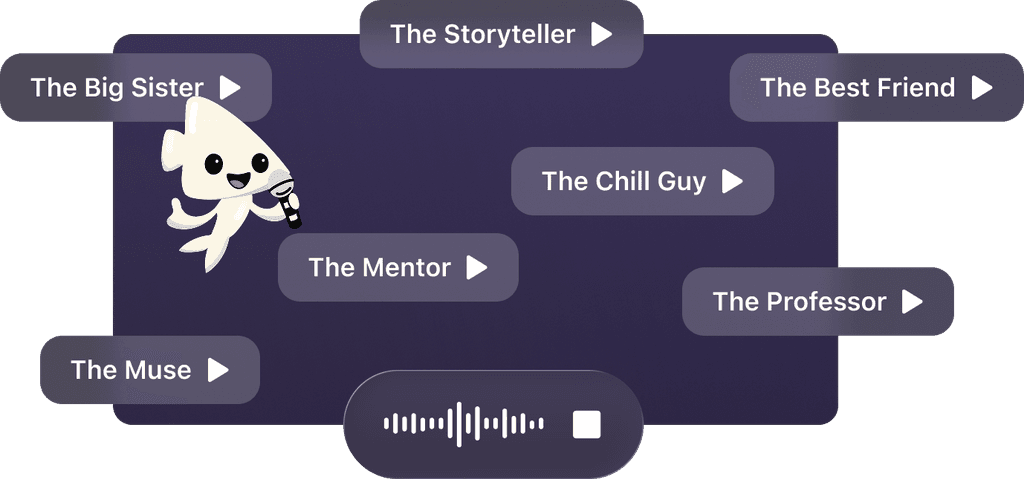
Experience Normal People in your own learning style
Ask anything, choose your learning style, and co-create insights that truly resonate with you.
From Columbia University alumni built in San Francisco
"Instead of endless scrolling, I just hit play on BeFreed. It saves me so much time."


"I never knew where to start with nonfiction—BeFreed’s book lists turned into podcasts gave me a clear path."


"Perfect balance between learning and entertainment. Finished ‘Thinking, Fast and Slow’ on my commute this week."
"Crazy how much I learned while walking the dog. BeFreed = small habits → big gains."
"Reading used to feel like a chore. Now it’s just part of my lifestyle."

"Feels effortless compared to reading. I’ve finished 6 books this month already."
"BeFreed turned my guilty doomscrolling into something that feels productive and inspiring."

"BeFreed turned my commute into learning time. 20-min podcasts are perfect for finishing books I never had time for."
"BeFreed replaced my podcast queue. Imagine Spotify for books — that’s it. 🙌"

"It is great for me to learn something from the book without reading it."
"The themed book list podcasts help me connect ideas across authors—like a guided audio journey."
"Makes me feel smarter every time before going to work"
From Columbia University alumni built in San Francisco
"Instead of endless scrolling, I just hit play on BeFreed. It saves me so much time."
"I never knew where to start with nonfiction—BeFreed’s book lists turned into podcasts gave me a clear path."
"Perfect balance between learning and entertainment. Finished ‘Thinking, Fast and Slow’ on my commute this week."
"Crazy how much I learned while walking the dog. BeFreed = small habits → big gains."
"Reading used to feel like a chore. Now it’s just part of my lifestyle."
"Feels effortless compared to reading. I’ve finished 6 books this month already."
"BeFreed turned my guilty doomscrolling into something that feels productive and inspiring."
"BeFreed turned my commute into learning time. 20-min podcasts are perfect for finishing books I never had time for."
"BeFreed replaced my podcast queue. Imagine Spotify for books — that’s it. 🙌"
"It is great for me to learn something from the book without reading it."
"The themed book list podcasts help me connect ideas across authors—like a guided audio journey."
"Makes me feel smarter every time before going to work"
"Instead of endless scrolling, I just hit play on BeFreed. It saves me so much time."
"I never knew where to start with nonfiction—BeFreed’s book lists turned into podcasts gave me a clear path."
"Perfect balance between learning and entertainment. Finished ‘Thinking, Fast and Slow’ on my commute this week."
"Crazy how much I learned while walking the dog. BeFreed = small habits → big gains."
"Reading used to feel like a chore. Now it’s just part of my lifestyle."
"Feels effortless compared to reading. I’ve finished 6 books this month already."
"BeFreed turned my guilty doomscrolling into something that feels productive and inspiring."
"BeFreed turned my commute into learning time. 20-min podcasts are perfect for finishing books I never had time for."
"BeFreed replaced my podcast queue. Imagine Spotify for books — that’s it. 🙌"
"It is great for me to learn something from the book without reading it."
"The themed book list podcasts help me connect ideas across authors—like a guided audio journey."
"Makes me feel smarter every time before going to work"
"Instead of endless scrolling, I just hit play on BeFreed. It saves me so much time."
"I never knew where to start with nonfiction—BeFreed’s book lists turned into podcasts gave me a clear path."
"Perfect balance between learning and entertainment. Finished ‘Thinking, Fast and Slow’ on my commute this week."
"Crazy how much I learned while walking the dog. BeFreed = small habits → big gains."
"Reading used to feel like a chore. Now it’s just part of my lifestyle."
"Feels effortless compared to reading. I’ve finished 6 books this month already."
"BeFreed turned my guilty doomscrolling into something that feels productive and inspiring."
"BeFreed turned my commute into learning time. 20-min podcasts are perfect for finishing books I never had time for."
"BeFreed replaced my podcast queue. Imagine Spotify for books — that’s it. 🙌"
"It is great for me to learn something from the book without reading it."
"The themed book list podcasts help me connect ideas across authors—like a guided audio journey."
"Makes me feel smarter every time before going to work"

Download Summary of Normal People
Get the Normal People summary as a free PDF or EPUB. Print it or read offline anytime.


